As an Amazon Associate I earn from qualifying purchases.
Chow Chow and Other Pets
Have you ever wondered if a Chow Chow can peacefully coexist with your other pets? Yes, they can, with the right approach and guidance.
This guide will help you navigate the fascinating world of Chow Chows and their interactions with other pets, based on both research and personal experience.
Chow Chows, known for their lion-like appearance and loyalty, have unique personalities that need proper socialization.
Through these tips, you’ll learn how to foster a harmonious home environment.
By understanding your Chow Chow’s needs and behaviors, you can ensure a happy home for all your pets.
Key Takeaways
- Effective socialization is crucial for Chow Chows to interact well with other pets.
- Chow Chows have a distinct appearance and loyal temperament requiring specific care and training.
- Practical tips help integrate Chow Chows into multi-pet households successfully.
Origins and History

During the Han Dynasty (206 BC to 220 AD), these dogs were more than pets. They helped in hunting, guarding, and even pulling sleds.
Archaeological discoveries like pottery and sculptures from that era depict dogs resembling today’s Chow Chow.
One interesting fact: their genetics are very close to the wolf. This adds to their mystique. They also have a unique blue-black tongue, unlike most other breeds.
Chow Chows were also used as temple guards in ancient China, providing safety and security. Their dense double coat, particularly thick around the neck, gave them a lion-like ruff, making them look even more formidable.
This blend of ancient heritage and noble connections makes the Chow Chow a captivating breed for any dog lover.
Physical Characteristics

Chow Chows have unique features, making them easy to recognize. Their dense and often colorful coat, along with their distinctive build and size, sets them apart from many other breeds.
Coat and Color
Chow Chows have a double coat that can be either rough or smooth.
The rough coat is the more common and has a lion-like mane around the head and neck. This coat type is dense, coarse, and very full with a soft, woolly undercoat.
The smooth coat variant lacks the mane but still has a plush, dense texture.
Coat colors include red, black, blue, cinnamon, and cream. Each color adds to their majestic appearance.
Their blue-black tongue is perhaps their most unique feature, making them stand out even more. Their fur requires regular grooming to maintain its beauty and health.
Size and Weight
Chow Chows are medium-sized but quite sturdy. Males typically stand 19-22 inches tall at the shoulder and weigh between 55-70 pounds.
Females are slightly smaller, standing 18-20 inches and weighing 45-60 pounds.
Their square, muscular build and broad chest give them a powerful and dignified presence.
This size difference between genders is noticeable but not drastic, contributing to their overall balance and proportional look.
The Chow Chow’s size and weight, combined with their robust build, make them ideal for those who appreciate a solid and majestic-looking pet.
Temperament and Personality
The temperament and personality of a Chow Chow can be quite unique, making them stand out among other dog breeds. They are known for their loyalty and independent nature, but can also be aloof and reserved.
Behavioral Traits
Chow Chows have a quiet and calm demeanor, often appearing dignified and reserved. They tend to be independent and can be quite stubborn.
You may find that training a Chow Chow requires patience and consistency due to their stubborn streak.
These dogs can be territorial and protective. Socialization from a young age is critical to ensure they are well-behaved around other pets and people.
Without proper socialization, they might show dominant or aggressive behavior, especially towards other dogs of the same sex.
Chow Chows are intelligent but may not be showy about it. They might not always respond immediately to commands, giving them an aloof appearance.
Suitability with Families
Chow Chows can be suitable for families, but they might not fit every household.
Their independent and cautious nature means they might not be as openly affectionate as other breeds, which can be a surprise for families expecting a cuddly pet.
That said, they are very loyal and can be good with children if properly socialized. They require firm and consistent training; otherwise, they may try to dominate the household.
Chow Chows can be very protective of their family, making them excellent watchdogs.
However, due to their reserved nature, it’s essential to ensure they get along with other pets and are not aggressive.
Regular socialization and exposure to different environments are key to making a Chow Chow a well-rounded family pet.
Care and Training

When caring for and training a Chow Chow, it’s crucial to focus on exercise and grooming. These aspects ensure that your dog remains healthy and happy.
Exercise Needs
Chow Chows have moderate exercise needs. They require about 45 to 60 minutes of physical activity each day.
This can include walking, light jogging, or one-on-one playtime.
Although they aren’t as high-energy as some other breeds, they still need regular movement to stay fit.
These dogs are known to be independent, so it’s important to make the exercise engaging. Using toys or engaging in games can keep their attention and make the activity more enjoyable for both of you.
If you have a yard, letting your Chow Chow explore and play there is also a good idea.
Remember, consistency is key. Regular exercise helps prevent health issues like obesity and keeps them mentally stimulated.
Grooming and Hygiene
Grooming a Chow Chow is an essential part of their care. Their thick, dense fur requires regular brushing to prevent mats and tangles.
Start grooming sessions early to get them accustomed to the process. Use a slicker brush or a comb suitable for their coat type.
Chow Chows can have either a rough or smooth coat. A rough-coated Chow will need more attention to manage their wooly undercoat.
Bathing should be done monthly or when they get particularly dirty.
Also, pay attention to their nails; trim them regularly to avoid overgrowth.
Check their ears for signs of infection and clean their teeth to maintain oral health.
Making grooming a positive experience with treats and gentle handling makes it more enjoyable for both of us.
Proper care and hygiene are the keys to a happy and healthy Chow Chow.
Health and Nutrition
Diet and Nutritional Needs
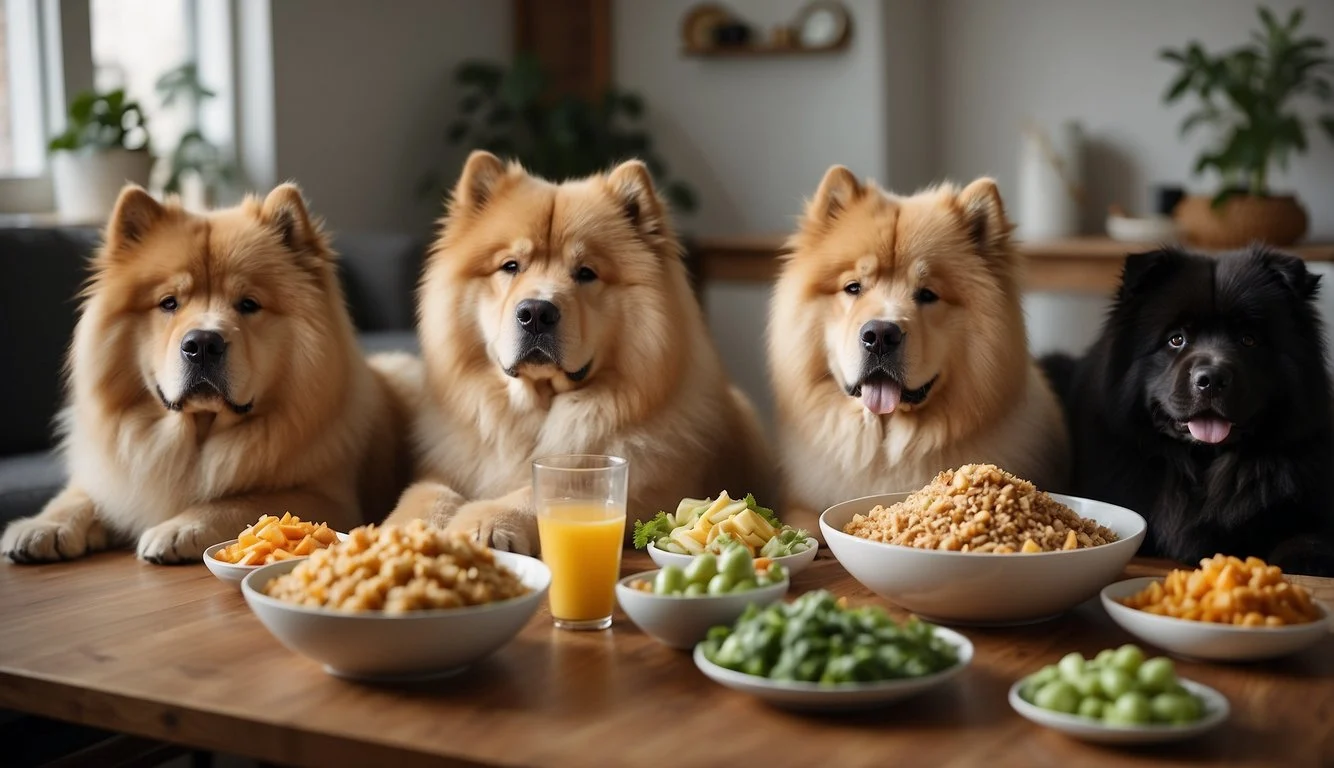
Chow Chows need a well-balanced diet with the right nutrients. They thrive on high-quality dog food that contains lean proteins like chicken or fish. Avoid fatty meats such as bacon, which can lead to obesity and other health issues.
A typical diet for Max included:
- Lean proteins: chicken, fish
- Carbohydrates: brown rice, sweet potatoes
- Healthy fats: fish oil, flaxseed
Avoiding Health Problems
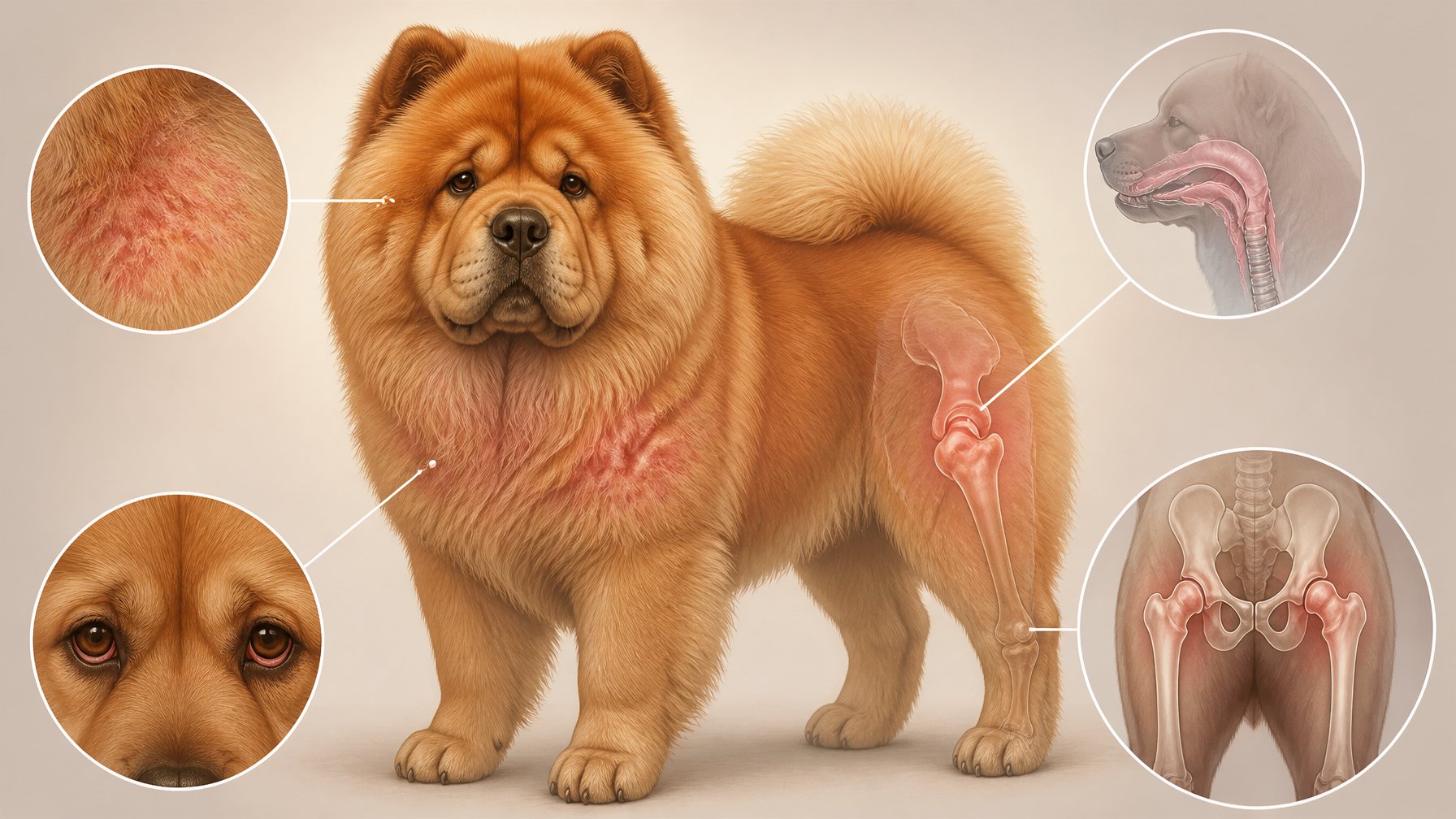
Chow Chows are prone to several health problems. Max developed hip dysplasia, a common issue in this breed. Regular vet visits and a nutritious diet can help manage and prevent such problems. Keeping their weight in check is crucial. Too much weight can worsen hip dysplasia and other joint issues.
Common Allergies
Managing Brachycephalic Issues
Chow Chows have a brachycephalic skull shape, causing breathing difficulties. A healthy weight helps ease these concerns. Max’s breathing improved when he lost a few pounds. Also, avoid overexercising them in hot weather as it can stress their respiratory system.
Weight Management
Interactions with Other Pets
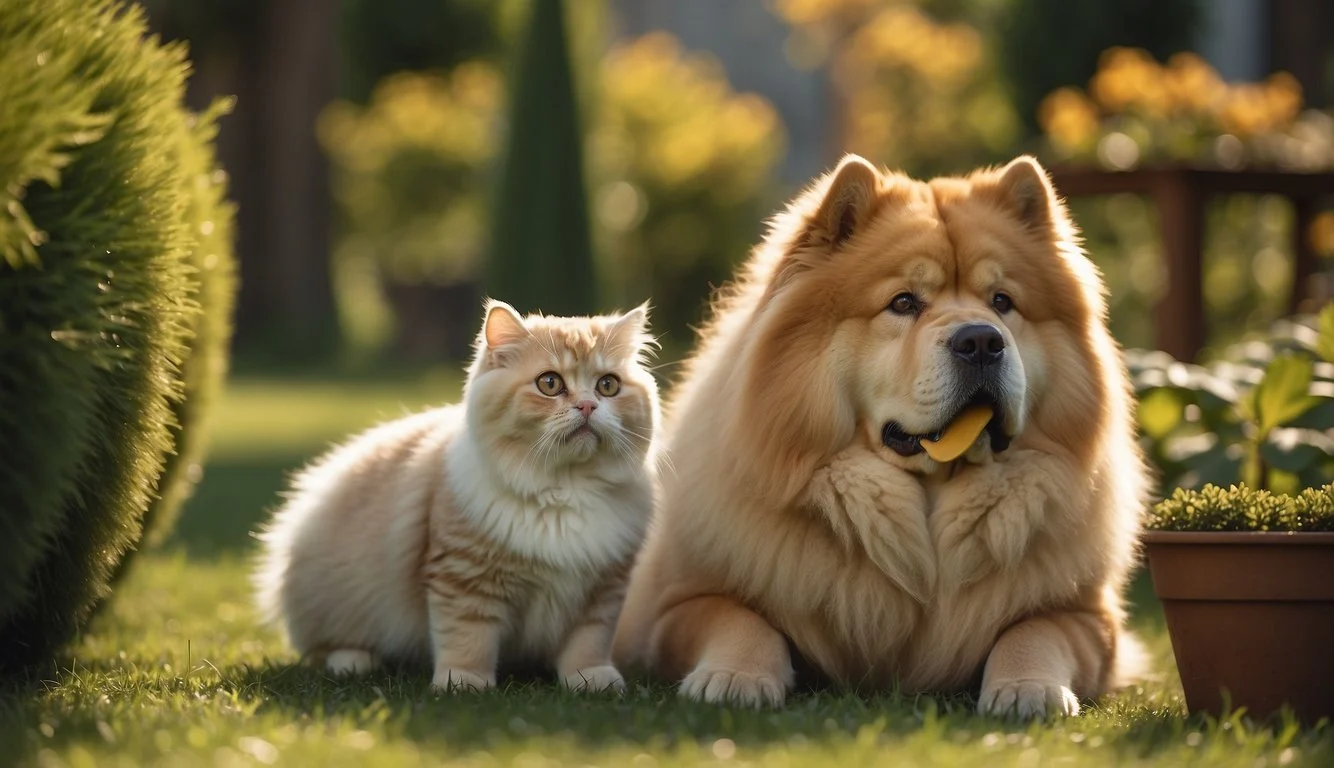
When bringing a Chow Chow into a home with other pets, understanding their unique temperament is key. They need careful socialization and proper introductions to live peacefully with other animals.
Socialization Strategies
Introducing to Other Pets
FAQs
Chow Chows have unique personalities which can affect their interactions with other pets. It’s important to understand their behavior and proper socialization techniques. Here are some frequently asked questions to help you navigate introducing a Chow Chow into a multi-pet household.
How do Chow Chows generally interact with other household pets?
Chow Chows may exhibit dominant behavior towards other dogs or chase smaller animals. Socialization from a young age is crucial for them to peacefully coexist with other pets.
Can you introduce a Chow Chow into a home with existing dogs or cats?
Yes, but it requires patience. Introduce them slowly and under supervision. Gradual interactions help them get accustomed to each other and reduce any potential aggression or anxiety.
What should a pet owner know before bringing a Chow Chow into a multi-pet household?
Chow Chows can be territorial. It’s vital to train them early and establish clear boundaries for all pets. Provide separate spaces and ensure they each get enough attention to prevent jealousy.
Are there specific breeds that Chow Chows are known to get along with better than others?
Chow Chows might get along better with non-dominant breeds like Labradors or Golden Retrievers. These breeds tend to be more laid-back and less likely to challenge the Chow Chow’s dominance.
What precautions can be taken to ensure a Chow Chow and a small pet, like a chihuahua, coexist peacefully?
Always supervise interactions between a Chow Chow and a small pet initially. Providing separate feeding areas and giving them space to retreat can prevent conflicts and ensure a peaceful coexistence.
How does the temperament of a Chow Chow influence its relationships with other animals?
Chow Chows are loyal and protective. However, they can be aloof with strangers and other animals. Their temperament can lead to potential conflicts. Early socialization and proper training are essential for harmonious interactions. Following these guidelines can help ensure a smooth integration of a Chow Chow into a multi-pet home.