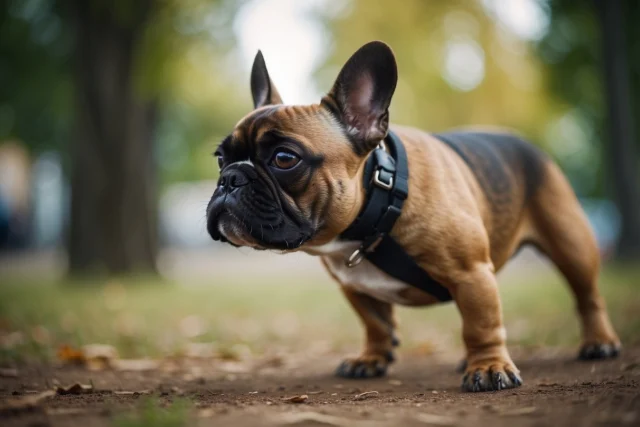
While adult dogs commonly lick paws due to chronic allergies, seeing a young puppy constantly gnawing at their feet raises unique questions. Understanding whether paw licking in puppies stems from normal grooming, teething, boredom, or early parasites is vital for young canine welfare.
Quick Answer: Puppies lick their paws due to exploratory grooming, teething irritation, foreign objects (splinters or burrs), early flea/mite exposure, or contact irritation from floor cleaners. Because young puppies rarely have fully developed environmental allergies, inspect paws closely for foreign bodies and clean with warm water.
Primary Causes of Paw Licking in Young Puppies
| Trigger | Underlying Reason | Recommended Action |
|---|---|---|
| Teething & Chewing Urges | Between 3 & 6 months, teething discomfort causes puppies to gnaw on their own limbs. | Redirect to frozen teething toys and puppy chew rings. |
| Household Chemical Contact | Harsh floor disinfectants, bleach, or carpet powders burn delicate puppy paw pads. | Switch to pet-safe enzyme cleaners; rinse paws with plain water. |
| Foreign Bodies (Foxtails / Burrs) | Sharp burrs or splinters become lodged in the webbed skin between toes. | Inspect with a flashlight; use tweezers to remove or visit a vet. |
| Early Parasitic Infestation | Fleas, ticks, or demodectic mange mites migrating to the extremities. | Consult your vet for age-appropriate, weight-safe parasite preventatives. |
How to Safely Inspect a Puppy’s Paws
- Choose a calm moment when your puppy is resting.
- Gently separate each toe and inspect the webbed skin for redness, swelling, cuts, or foreign bodies.
- Check the paw pads for tears, abrasions, or burns from hot summer asphalt.
- Sniff the paws: a healthy puppy paw smells neutral, whereas a sour or corn-chip smell indicates yeast overgrowth.
Tracking Puppy Growth and Nutritional Needs
Puppies grow rapidly, and proper caloric intake ensures strong skin barrier integrity and robust immune function. Track your puppy’s weight against validated growth curves with our puppy growth tracker, and calculate exact meal portions using our dog food portion calculator.
Cognitive Development Milestones
Puppy behavioral phases change weekly. Consult our puppy age calculator to understand teething windows and emotional development.
Veterinary Disclaimer: Guidance conforms to standards established by the American Kennel Club (AKC). Young puppies can dehydrate and develop systemic infections rapidly. If your puppy limps, cries when their paw is touched, or shows pus or swelling, seek immediate veterinary care or consult the American College of Veterinary Internal Medicine (ACVIM).
Frequently Asked Questions
Do puppies get environmental allergies?
True environmental atopy (pollen and grass allergies) rarely appears in puppies under 6 months of age because it requires repeated seasonal exposure to sensitize the immune system. Paw licking in young pups is usually caused by contact irritation, parasites, or foreign objects.
Can I put hydrocortisone cream on my puppy’s paws?
No. Puppies will immediately lick topical creams off their paws, and ingesting steroid creams can cause acute gastrointestinal distress and suppress their developing immune system.
How do I stop my puppy from biting their paws when bored?
Provide appropriate physical exercise and mental enrichment: snuffle mats, interactive food puzzles, and chew toys. Whenever you see your pup licking, calmly redirect their attention to an engaging toy.