As an Amazon Associate I earn from qualifying purchases.
Christmas is a hard time to say no to a dog with its nose on the table, but most festive food is not made for dogs. VCA Animal Hospitals advises keeping treats “small and limited to less than 10% of their daily diet”, so the best Christmas treat is a small, plain one.
This page covers what is safe to share, what to keep away from your dog at Christmas, and a few simple treat ideas. It is general information, not veterinary advice: if your dog eats something on the lists below, or has a health condition or special diet, talk to your vet.
We have also removed the CBD gummy section this page used to carry. The US Food and Drug Administration says it “has not approved any other CBD products” apart from one prescription medicine for people. If you are thinking about CBD for your dog, ask your vet first.
Weights below are in kilograms and temperatures in degrees Celsius, with the older units in brackets.
How Many Treats Is Too Many?
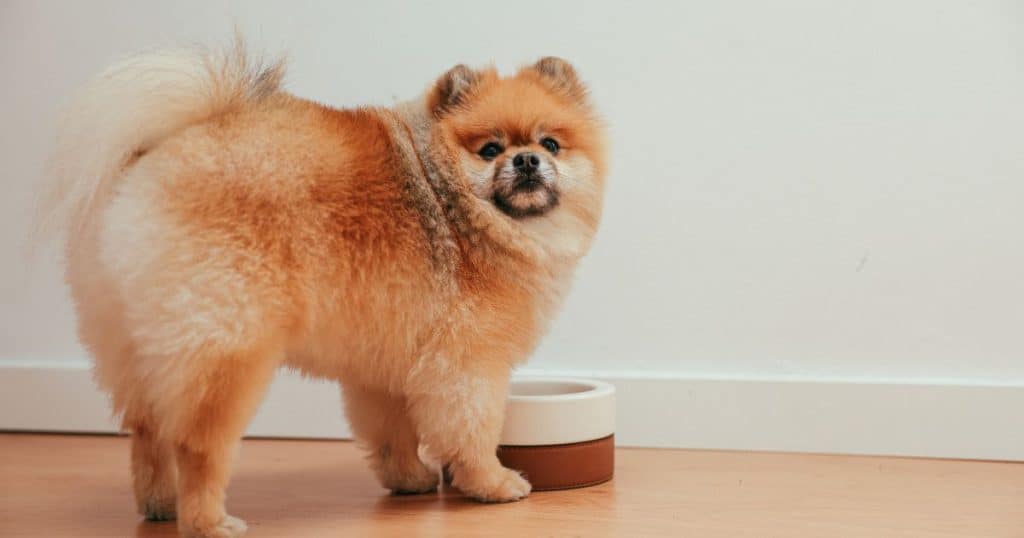
Treats count towards your dog’s daily food. VCA says to keep them “limited to less than 10% of their daily diet” and warns that rich, fatty food such as turkey skin or bacon can lead to pancreatitis. Cut treats small, and if you give a few extra at Christmas, trim the main meal a little. Ask your vet for a daily calorie figure for your dog.
Safe Treat Ideas
VCA lists low-calorie treats you can share in moderation: cooked pumpkin (not pumpkin pie filling) or sweet potato “can be frozen into cubes for a refreshing treat or given by the tablespoon”. It adds that crunchy fruit and vegetables such as carrots and apples can help scrape food off the teeth, and that most fresh vegetables can be served raw or cooked without seasoning.
For fruit, VCA says to “remove cores, seeds, stems and peels first” and to avoid grapes, raisins and currants. Keep portions small, and introduce any new food slowly so that you can spot an upset stomach.
- Cooked, plain pumpkin or sweet potato, by the spoonful or frozen in an ice-cube tray
- Carrot sticks or apple slices (no core or seeds)
- Green beans or other plain vegetables, cooked without salt, butter or seasoning
- A small piece of plain, cooked turkey meat with no skin, bones, stuffing or gravy
If you want a ready-made peanut butter for stuffing a toy, choose one made for dogs, or read the label of a human one first (see the xylitol warning below). Here is one dog peanut butter that was in stock on Amazon on 31 October 2026; we have not tested it.
Check price on AmazonAffiliate link — Dog Fluffy may earn a commission, at no extra cost to you.
See Buddy Budder dog peanut butter on Amazon
Christmas Foods To Keep Away From Your Dog
VCA says these should not be added to any holiday food your dog may snack on: chocolate, coffee and caffeine; alcohol; grapes and raisins (“even one grape or raisin can cause kidney failure in dogs”, including in fruitcake and Christmas pudding); onions and garlic; macadamia nuts; and sugarless gum and sweets containing xylitol. It also says cooked bones can “shatter or splinter”.
The ASPCA adds that xylitol “has recently begun popping up on the ingredient lists of various products including some peanut butters”, so check the label before you stuff a toy. It lists salty foods as a risk (“excessive salt intake can produce increased thirst and urination”) and says milk and dairy “can cause diarrhea or other digestive upset” because pets do not have much lactase. Our page on xylitol and dogs has more.
That rules out most of the Christmas table: Christmas pudding, mince pies, fruitcake, stuffing (it usually contains onion), gravy, eggnog and cream-based drinks, chocolate decorations and sweets.
Keep The Treats Plain
VCA’s advice is to “not add sugar”: “Pets don’t need sweeteners! Sugar just adds unnecessary calories.” It also says to cook food thoroughly to avoid salmonella from raw or undercooked meat or eggs. If you bake your dog a treat, use a recipe from your vet or a trusted source, and leave out salt, sugar, spices and chocolate.
If Your Dog Eats Something It Should Not
Call your vet or an animal poison helpline straight away, and have the product label to hand. Do not wait for signs to appear: for xylitol, the ASPCA says liver damage can occur within 12-24 hours.
The Bottom Line
Keep Christmas treats small, plain and under about 10% of the day’s food, and keep the rich human food, chocolate, raisins and anything with xylitol out of reach. Not sure about a food or a supplement? Ask your vet.