Fluffy little dogs are those adorable small breeds, usually under 20 pounds, with plush or double-layered coats that make them look like living teddy bears. You’ll spot favorites like the Pomeranian, Shih Tzu, Bichon Frise, and Toy Poodle everywhere.
These little companions squeeze huge personalities into tiny bodies. They thrive as lap dogs, apartment buddies, and loyal sidekicks, no matter your lifestyle.
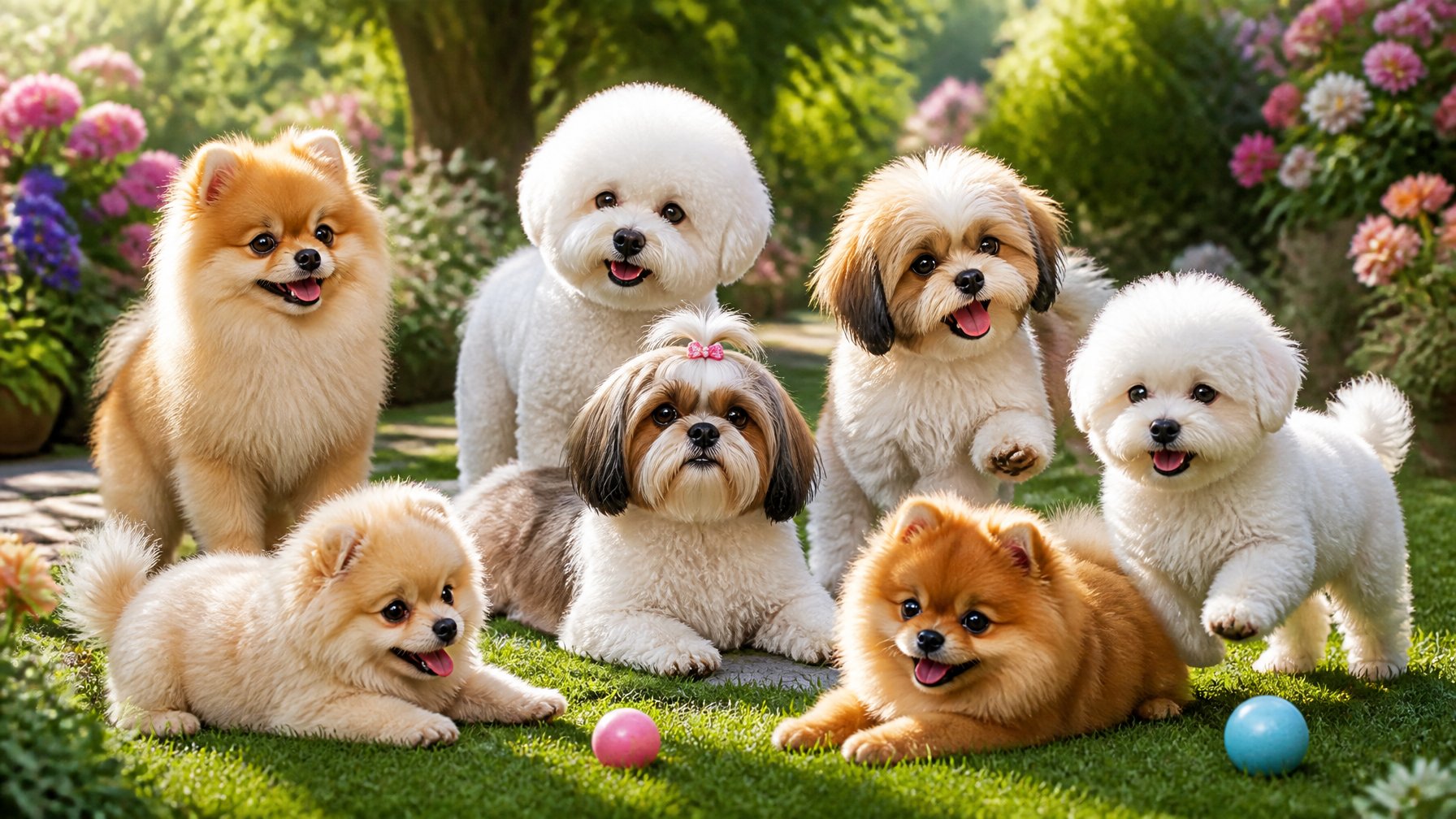
When I brought Fluffy home, I didn’t realize how much one tiny furball would shake up my daily routine. Suddenly, I was figuring out coat types, brushing schedules, and which treats actually helped her skin.
That hands-on learning is why I started Dog Fluffy—to share honest, lived-in advice so you can skip the overwhelm and just enjoy your dog.
Table of Contents
The best fluffy little dogs mix manageable size with a loving temperament. But every breed has its own grooming needs, energy level, and quirks, so you’ll want to match those to your real life.
A Maltese and a Pomeranian might both look cute on Instagram, but they’re miles apart in shedding, noise, and exercise requirements.
I’ll walk you through popular small fluffy dog breeds, tips for finding your best match, grooming essentials I use myself, and honest comparisons with bigger fluffy breeds.
Whether you’re a first-time dog parent eyeing a Bichon Frise or a seasoned owner torn between a Papillon and a Havanese, everything here comes from real-world care and advice from the Dog Fluffy community.
Popular Fluffy Little Dogs Breeds
Small fluffy dog breeds run the gamut from easygoing lap dogs like the Cavalier King Charles Spaniel to energetic firecrackers like the Pomeranian and Affenpinscher. Some barely shed, while others lose a thick double coat twice a year.
There are also rare breeds like the Volpino Italiano or Russian Tsvetnaya Bolonka that deserve a spot on your radar.
Best Picks For First-Time Owners
If you’ve never raised a dog before, temperament and trainability matter way more than looks. Here are the small fluffy breeds I recommend most for new dog parents:
- Bichon Frise — Friendly, low-shedding, and great with kids. Their curly, fluffy white coat needs regular grooming but rarely triggers allergies.
- Cavalier King Charles Spaniel — Gentle, adaptable, and eager to please. They settle into apartment life or busy homes with equal ease.
- Shih Tzu — Affectionate and calm. Shih Tzus bond fast and tolerate moderate grooming once you set a routine.
- Toy Poodle — Brilliant and hypoallergenic. Poodles learn commands quickly, making training feel rewarding from day one.
- Havanese — Playful yet patient. This breed thrives on companionship and adapts well to first-time owners.
- Maltese — Sweet-natured and portable. Their silky coat needs daily brushing, but shedding is minimal.
I started with a fluffy breed that forgave my rookie mistakes, and honestly, the learning curve felt so much easier. The trick is finding a breed that matches your patience and your schedule.
Low-Shedding And Hair-Type Coat Options
Not every fluffy dog leaves fur tumbleweeds on your floor. Breeds with hair-type coats (instead of fur) grow hair like humans and shed very little.
Top low-shedding picks: Bichon Frise, Maltese, Toy Poodle, Coton de Tulear, Havanese, Bolognese, Löwchen, and Biewer Terrier. Yorkies and Silky Terriers also have fine, hair-like coats that hardly shed.
Here’s the catch: less shedding usually means more grooming. Hair-type coats mat fast without regular brushing, and most of these breeds need professional trims every four to six weeks.
Spirit Dog Training points out that Havanese and Bichon Frise are among the most loved companion dogs partly because of their allergy-friendly coats.
I keep a slicker brush on my coffee table so I can work through Fluffy’s coat while watching TV. That habit alone saves me from most mats.
Bold Personalities In Tiny Bodies
Some small fluffy breeds act like they missed the memo about being small. These dogs bring confidence, spunk, and a whole lot of attitude.
Pomeranians top the list. At three to seven pounds, Poms have a thick double coat and a fearless personality that makes them surprisingly good watchdogs.
The Papillon, with its butterfly ears and sharp mind, often beats bigger breeds at agility. The Affenpinscher (“monkey dog”) is stubborn, curious, and always entertaining.
Other bold personalities: Pekingese, Japanese Chin, and Brussels Griffon. The Norwich Terrier and Cairn Terrier bring classic terrier energy with a fluffy twist. Even the tiny Long-Haired Chihuahua struts like it owns the place.
Honestly, bold dogs need consistent training and clear boundaries. Without it, their big personality can turn into barking or guarding everything. Starting positive reinforcement early makes a huge difference.
Less Common Breeds Worth A Look
Beyond the usual suspects, a handful of rare little fluffy dogs deserve a closer look.
The Volpino Italiano looks like a smaller, Italian cousin of the Japanese Spitz and has a lively, alert vibe. The Dandie Dinmont Terrier rocks a topknot and a calm, dignified energy you don’t always see in terriers.
The Tibetan Spaniel is independent and was originally bred as a monastery watchdog. Some hidden gems: Mi-Ki (a toy breed known for its therapy-dog calm), Russian Tsvetnaya Bolonka (a playful, low-shedding lap dog from Russia), Schipperke (tiny black energy bomb), and English Toy Spaniel (a gentler Cavalier cousin).
Bubbly Pet’s breed guide says many of these lesser-known fluffy dogs make awesome companions once you understand their grooming and exercise needs.
I’ve met a few of these breeds at dog expos, and the Bolonka and Mi-Ki especially impressed me with how calm and affectionate they were—even in all that chaos.
How To Choose The Right Match For Your Home
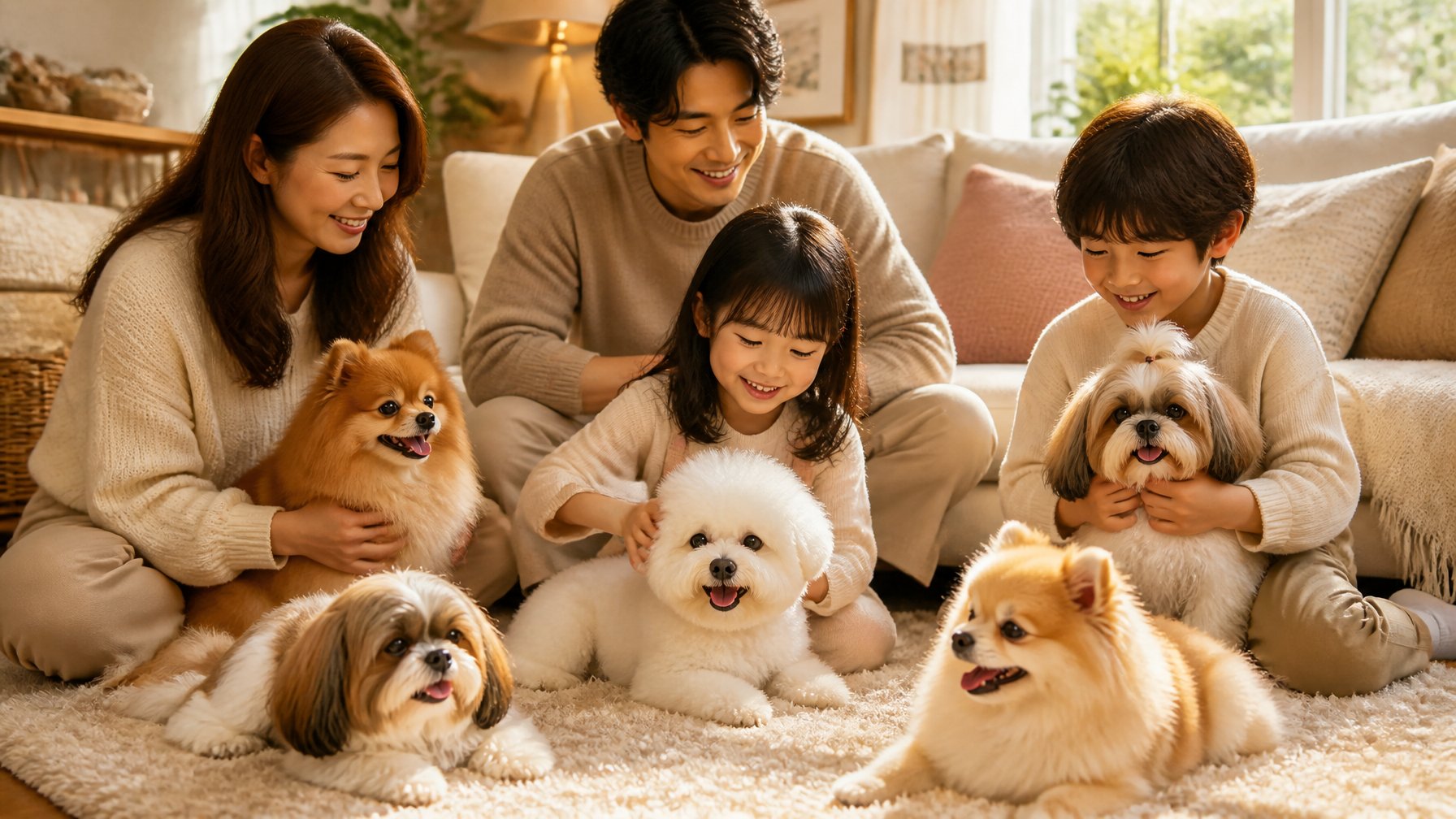
Picking the right small fluffy dog means thinking about your living space, daily routine, noise tolerance, and who else—kids, pets—shares your home. Poodle mixes like the Maltipoo and Cockapoo offer flexibility, but both purebreds and mixes have their own pros and cons.
Apartment Living Vs. Busy Family Homes
Apartment dogs need to handle small spaces, shared walls, and limited outdoor time without losing their minds. Breeds like the Maltese, Bichon Frise, and Shih Tzu do great because they have moderate energy and are happy with short walks and indoor play.
Busy family homes with a yard give you more options. A Miniature Australian Shepherd or Alaskan Klee Kai can burn off energy outside, and their sturdier bodies hold up better with active kids.
When I lived in an apartment with Fluffy, I learned that a solid potty schedule and a couple of puzzle toys mattered more than square footage. The best apartment dog matches your energy, not just your floor plan.
Energy Level, Barking, And Trainability
Every small fluffy breed deals with exercise, noise, and learning in its own way.
High energy: Pomeranians, Papillons, and Yorkipoos need active play or they’ll invent their own (sometimes destructive) fun.
Lower energy: Shih Tzus, Pekingese, and Cavaliers prefer cuddling over cardio.
Barking alert: Pomeranians and Chihuahuas tend to be vocal. If you’re noise-sensitive, go with a Cavalier or Havanese.
Trainability stars: Toy Poodles, Miniature Poodles, and poodle mixes are super easy to train because they want to please you.
I always tell new dog parents at Dog Fluffy to be honest about how much barking they can handle. Seriously, it’s the biggest regret I hear about from folks who didn’t think it through.
Kid Compatibility And Fragile Tiny Frames
Tiny fluffy dogs can be awesome with kids, but their small size creates real safety concerns. Breeds under five pounds, like some Pomeranians or Chihuahuas, can get hurt by rough toddler play.
Sturdier small breeds are better for families. The Bichon Frise, Havanese, and Coton de Tulear handle playful kids well and rarely nip when startled.
The Cavalier King Charles Spaniel is another standout—gentle, patient, and just naturally great around children.
If your kids are under six, I’d supervise every interaction and teach gentle touch right from the start. Even the most patient dog has its limits.
Purebreds, Poodle Mixes, And What To Expect
Designer poodle mixes have exploded in popularity, and honestly, it makes sense. Crosses like the Maltipoo (Maltese + Poodle), Cockapoo (Cocker Spaniel + Poodle), Yorkipoo (Yorkie + Poodle), and Morkie (Maltese + Yorkie) usually blend low-shedding coats with sweet, friendly personalities.
But here’s the thing: mixes don’t always follow the script. Coat texture, adult size, and personality can swing widely—even within the same litter.
Purebreds give you a clearer picture of what’s coming, especially when it comes to grooming and health screenings. There’s comfort in knowing what you’re signing up for.
As Tom Kings Kennel notes, finding the right fluffy pup really comes down to matching your lifestyle, not just picking the cutest face. A reputable breeder or rescue should let you meet the parents and talk honestly about temperament.
I always tell Dog Fluffy readers: ask breeders tough questions. If they’re good, they’ll welcome it.
Essential Grooming & Care
Double-layered coats and single hair-type coats need totally different tools and routines. Skip daily brushing on a mat-prone breed and you’ll run into painful skin issues shockingly fast.
Safe nail trimming, regular paw checks, and a good diet all help keep a small fluffy dog’s coat healthy and shiny. It’s all connected.
Double Coats Vs. Hair Coats
This difference changes everything about grooming.
Double-coated breeds (think Pomeranian, American Eskimo Dog, Japanese Spitz) have a dense undercoat under a longer outer layer. They “blow” their undercoat twice a year, and it’s a fur storm. You’ll need an undercoat rake and a slicker brush. Never shave a double coat—it messes up regrowth and can mess with their ability to handle heat.
Hair-type coats (like Maltese, Bichon Frise, Toy Poodle, Havanese) just keep growing and barely shed. They need trims every four to six weeks and daily detangling with a comb or pin brush.
I keep a separate grooming kit for each coat type at home. Mixing up brushes sounds harmless, but the wrong tool wastes time and irritates their skin. Our grooming guide at Dog Fluffy breaks down the best tools for each coat.
Daily Brushing, Bathing, And Mat Prevention
Let’s not sugarcoat it: skip brushing for even two or three days on a hair-type fluffy breed and you’ll find mats. The worst spots? Behind the ears, under the legs, and around collars.
Here’s my routine with Fluffy:
- Daily: Five minutes with a slicker brush, zeroing in on tangle zones.
- Weekly: One thorough comb-through right down to the skin to catch any sneaky mats.
- Bathing: Every three to four weeks with a gentle, dog-safe shampoo. Too many baths strip natural oils and dry out the coat.
For mats, I reach for detangling spray and a mat splitter—it saves us both a lot of grief. According to Puppy Simply’s grooming guide, small breeds do better when you start brushing at eight weeks old. Makes it normal for them.
One big tip: brush before you bathe. Water tightens mats and turns them into tiny nightmares.
Safe Nail Trimming And Paw Checks
Small fluffy dogs can hide overgrown nails under all that fur. Long nails change how they walk and can stress their joints in the long run.
I trim Fluffy’s nails every two weeks with a small guillotine-style clipper. If your dog’s nervous, a nail grinder works well—it files slowly and you’re less likely to hit the quick.
Paw checks matter too. After walks, I flip Fluffy’s paws and check for:
- Cracked or dry pads
- Debris or stickers between the toes
- Redness or swelling that could mean irritation
If you spot your dog’s nail bleeding after a walk, styptic powder stops it fast. I keep a little container in my grooming kit, just in case.
Skin, Diet, And Wellness Basics
Honestly, a gorgeous coat starts with what’s in the bowl. Bad nutrition shows up quickly—dull fur, extra shedding, itchy skin. All warning signs.
Here’s what I focus on:
- High-quality protein as the first ingredient in any food.
- Omega-3 and Omega-6 fatty acids for coat shine and skin moisture.
- Limited fillers: Corn, soy, and artificial preservatives can set off skin issues in sensitive breeds.
Small fluffy dogs often have dental issues, thanks to their tiny mouths. Dental chews or regular brushing are a must. Breeds like Shih Tzu and Bichon Frise are prone to skin allergies—watch for scratching, hot spots, or redness.
At Dog Fluffy, I only recommend products I’d use for Fluffy. If it doesn’t help skin and coat, it’s off my list.
Beyond Tiny Breeds: When More Fluff Means More Dog
Breeds like the Keeshond, Shetland Sheepdog, and Finnish Lapphund sit between small lap dogs and the giant fluffballs. Jumping up in size changes your exercise, grooming, and space needs—sometimes a lot.
If you’re comparing a Pomeranian to a Siberian Husky, you’ll find daily coat care and energy levels are worlds apart.
Medium And Big Breeds Readers Also Compare
Lots of people start out looking at tiny fluffballs and end up curious about their larger cousins. I get it—big fluffy dogs are hard to resist.
Here are the medium and large breeds Dog Fluffy readers ask about most:
- Medium: Keeshond, Shetland Sheepdog, Finnish Lapphund, Icelandic Sheepdog, Bearded Collie
- Large: Siberian Husky, Golden Retriever, Chow-Chow, Old English Sheepdog
- Giant: Newfoundland, Tibetan Mastiff
The Shetland Sheepdog really deserves a shoutout. It looks like a mini Collie with a gorgeous double coat, and it’s as smart as a Toy Poodle. The Keeshond? Total hidden gem—super affectionate, great with families, and has one of the fluffiest coats around.
I’ve spent time with Golden Retrievers and Huskies through the Dog Fluffy community. They’re incredibly loving, but let’s be real—they’re a whole different level of commitment compared to a ten-pound lap dog.
What Changes With Size, Exercise, And Coat Upkeep
Moving from a small fluffy breed to a medium or large one changes your daily routine in big ways.
Exercise: Siberian Huskies need 60 to 90 minutes of serious activity every day. Tibetan Mastiffs need less intensity but still want regular walks and mental challenges. Meanwhile, a Shih Tzu is happy with a 20-minute stroll.
Coat upkeep: Big fluffy dogs shed way more. An Old English Sheepdog or Newfoundland can take half an hour or more just to brush properly. Grooming appointments cost more, too—there’s just more dog to handle.
Space and cost: Bigger breeds eat more, need bigger crates, and require stronger (and pricier) gear. Vet bills go up with body weight for meds and procedures.
Big fluffy dogs aren’t a bad choice, but you have to be honest with yourself. If you love fluff but need something lower-maintenance, a Pomeranian or Bichon Frise gives you that plush-coat feel without the huge time and space requirements.
Frequently Asked Questions
I get these questions all the time from Dog Fluffy readers—whether they’re picking out a fluffy little dog or already living with one. My answers come from my own experience, what I hear from the community, and research-backed sources.
You know that teddy-bear look—what breeds actually stay small when they grow up?
The Maltese, Toy Poodle, Pomeranian, and Shih Tzu usually stay under 15 pounds when fully grown. Bichon Frises and Havanese stay small too, usually topping out between 10 and 16 pounds.
Always ask breeders about the parents’ adult size, though. Mixed breeds especially can surprise you.
Which small breeds are fluffy but don’t shed much (or at least won’t carpet your couch)?
Bichon Frise, Maltese, Toy Poodle, Havanese, Coton de Tulear, and Bolognese are your best bets for low-shedding, fluffy coats. These breeds have hair-type coats that grow instead of shedding everywhere.
The trade-off? They need regular trims and daily brushing to avoid mats. No shortcuts there.
If you’ve ever priced a puppy and blinked twice… what affects the cost of a small fluffy breed the most?
Breeder reputation, bloodline, location, and demand drive most of the price. Rare breeds like the Löwchen or Russian Tsvetnaya Bolonka can cost way more than the usual suspects.
Health testing, vaccines, and early socialization add to the price, too. Expect anywhere from $1,000 to $4,000 or more, depending on breed and breeder quality.
Curly coat or straight puffball—what’s the difference in grooming time and upkeep?
Curly coats (like Bichon Frise or Toy Poodle) mat faster and need more frequent pro grooming—every four to six weeks, usually. Straight or flowing coats (like Maltese or Shih Tzu) tangle less quickly but still need daily brushing.
Either way, plan on five to ten minutes of brushing every day. No way around it.
Apartment life: which little fluffballs tend to be calmer and less barky with neighbors nearby?
Cavalier King Charles Spaniel, Shih Tzu, Havanese, and Maltese are usually quieter and more chill in apartments. Pomeranians and Chihuahuas—adorable, but they love to bark. Not always great if you’re worried about noise complaints.
Training and early socialization help a ton, too. It’s not all about the breed.
Ever wondered what your dog actually hears best—words, tone, or that magical crinkle of a treat bag?
Dogs usually react more to your tone and familiar sounds than to specific words. A cheerful, high-pitched voice tells them you’re happy with them.
If you use a calm, steady tone, it helps get their attention for commands. But honestly, nothing grabs them like the crinkle of a treat bag.
That sound has become a shortcut in their brain for “food’s on the way,” which is probably why it’s the most powerful noise in the house. Try playing around with your tone during training and see what happens—it’s kind of fascinating.


