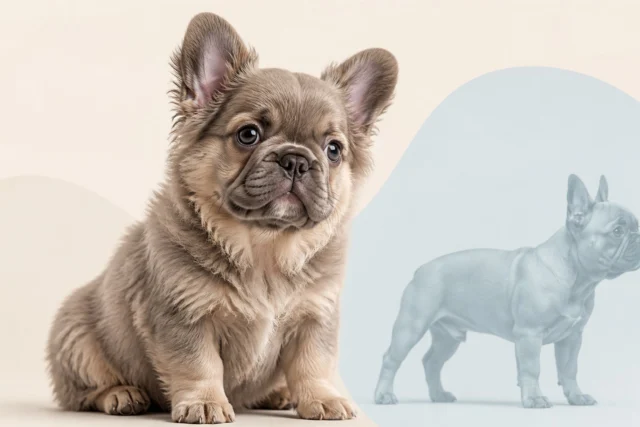
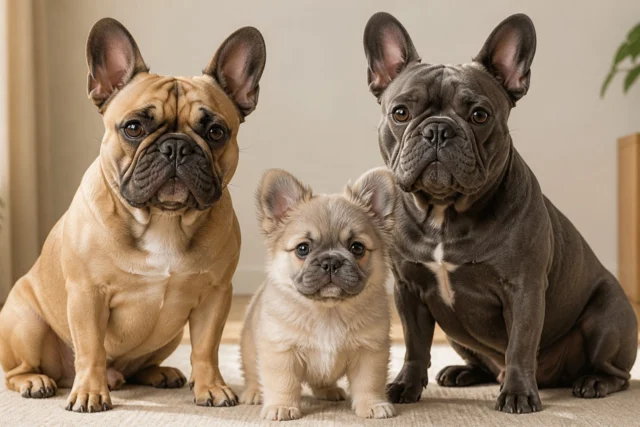
These soft, cloud-like companions include Pomeranians, Samoyeds, Golden Retrievers, and plenty of others known for their thick, plush coats that need regular grooming.
You know that urge to just bury your face in a dog’s fluffy fur? That’s exactly what draws so many of us to these adorable breeds.

What makes a dog “fluffy” isn’t just long hair. These breeds usually have double coats, thick undercoats, or textured fur that creates that signature puffy look.
From tiny Pomeranians that fit in your lap to massive Newfoundlands that look like gentle giants—fluffy dogs come in all shapes and sizes.
But here’s what to know before getting a fluffy dog: they’re not just cute for Instagram. These breeds need daily brushing, regular professional grooming, and they shed more than you might expect.
You’re about to discover which fluffy breeds might fit your lifestyle and how to keep their coats looking healthy and beautiful.
Fluffy Dog Breeds List – Key Takeaways
- Fluffy dog breeds range from tiny Pomeranians to large working dogs like Samoyeds and Golden Retrievers.
- These dogs need daily brushing and regular professional grooming to avoid matting and keep their coats healthy.
- Think about your lifestyle and grooming commitment before choosing a fluffy breed—they shed a lot and need constant coat care.
What Makes a Dog Breed ‘Fluffy’?
Ever wondered why your Golden Retriever looks like a walking cloud, while your Greyhound seems sleek as silk? The secret is in coat structure, fur density, and the genetics behind that irresistible fluffiness we all love to snuggle.
Double Coats vs. Single Coats
Let’s be real—this is where the magic happens. Double-coated dogs are the fluffiness champions, and honestly, it’s not hard to see why.
These fluffy dog breeds have two layers. The undercoat is like thermal underwear—soft, dense, and woolly. The topcoat (or guard hairs) protects from weather and debris.
Think of it as a down jacket under a windbreaker. That’s what makes Pomeranians and Samoyeds look so puffy.
Popular double-coated fluffy dog breeds include:
- German Shepherds
- Golden Retrievers
- Huskies
- Chow Chows
Single-coated dogs only have one fur layer. They might look sleek or a little fluffy, but they’ll never get that cloud-like look.
Most dog breeding practices focus on keeping these coat features through careful selection.
Fur Texture and Volume
Not all double coats create the same fluffiness. Texture matters big time.
Soft, fine undercoats give the most puff. When this fine fur stands away from the body, you get that teddy bear look.
Coarse or wiry fur sits flatter. Even with double coats, those dogs won’t look as fluffy.
Fur density plays a huge role too. Some fluffy dogs have up to 600 hairs per square inch! For comparison, humans have about 200 hairs per square inch on our heads.
Volume factors include:
- Hair shaft thickness—finer hairs create more volume
- Growth patterns—how fur stands or lies
- Seasonal changes—winter coats get extra fluffy
The fluffiest breeds combine fine texture with serious density. That’s why Poodles and Bichon Frises look like living cotton balls.
Why Fluffiness Matters
You know that urge to bury your face in fluffy fur? There’s actually science behind it.
Temperature regulation is the main reason these coats evolved. Fluffy dog breeds usually come from cold climates where that insulation meant survival.
Fluffiness affects more than comfort, though. It impacts:
Grooming needs—More fluff means more maintenance. Daily brushing keeps painful mats and tangles away.
Health considerations—Double coats can trap moisture and debris. Regular care helps prevent skin issues.
Allergies—Ironically, some fluffy dogs like Poodles are better for allergic folks because their coats trap dander.
That said, fluffiness isn’t just practical. Studies on dog breeding show humans bred for these traits because we find them appealing.
We’re naturally drawn to soft, fluffy textures. It kind of triggers our nurturing side, doesn’t it?
Common Myths About Fluffy Dogs
Here are a few common myths.
Myth #1: “Fluffy dogs shed more” Actually, some fluffy dog breeds shed less than short-haired dogs. Poodles and Portuguese Water Dogs barely shed at all.
Myth #2: “You should shave fluffy dogs in summer” Don’t do this! That double coat actually helps regulate temperature in both hot and cold weather. Shaving can cause overheating and sunburn.
Myth #3: “All fluffy dogs are high-maintenance” Not true. While grooming needs vary, some fluffy breeds like Rough Collies need less daily care than you’d expect.
Myth #4: “Fluffy means friendly” Coat type doesn’t decide personality. There are grumpy Pomeranians and sweet Pit Bulls. Breed temperament is about genetics and training, not fluff.
The reality? Fluffy dogs come in all personalities, energy levels, and care requirements. Do your research before picking just for looks.
Small Fluffy Dog Breeds
Small fluffy breeds make perfect companions for apartments and families wanting a cuddly, manageable pet.
These four breeds stand out for their soft coats, friendly personalities, and compact size that fits just about any lifestyle.
Pomeranian
Ever wondered why Pomeranians look like tiny teddy bears? Their double coat creates that adorable fluffy look that melts hearts everywhere.
Size & Appearance:
- Weight: 3-7 pounds
- Height: 6-7 inches
- Coat colors: Orange, red, cream, black, blue, sable
Poms pack huge personalities into their tiny frames. These little dogs are confident—they’ll strut around like they own the place.
Their fox-like faces and perky ears give them an alert, intelligent expression.
Grooming Needs: Daily brushing keeps their fluffy coat tangle-free. During shedding season, you’ll need to brush twice daily.
Professional grooming every 6-8 weeks helps keep that signature look. These dogs are smart but can be stubborn.
Early training works best with positive reinforcement. They make excellent watchdogs despite their small size—sometimes too excellent if you don’t train them properly.
Bichon Frise
Picture a walking cotton ball with legs—that’s a Bichon Frise. Their hypoallergenic coat makes them perfect for families with allergies.
Key Features:
- Weight: 12-18 pounds
- Height: 9-12 inches
- Pure white, curly coat
- Round, dark eyes
Bichons are incredibly social and cheerful. They rarely meet a stranger they don’t like.
These dogs thrive on human companionship and don’t do well left alone for long.
Coat Care: Their curly coat needs daily brushing to prevent matting. Professional grooming every 4-6 weeks keeps them looking their fluffy best.
Many owners opt for a “puppy cut” for easier maintenance. Bichons are eager to please, which makes training enjoyable.
They excel at learning tricks and love positive reinforcement. House training might take patience, but consistency pays off.
Shih Tzu
If you want a lap dog that looks like royalty, consider a Shih Tzu. These “lion dogs” were bred for Chinese emperors, and they still carry themselves with regal style.
Physical Traits:
- Weight: 9-16 pounds
- Height: 8-11 inches
- Long, flowing double coat
- Flat face with large eyes
Shih Tzus are gentle souls who love everyone. Their calm demeanor means they’re happy lounging on your lap or taking short walks.
They’re excellent with children and other pets. Grooming Requirements: That gorgeous flowing coat needs daily brushing.
Many owners keep their Shih Tzus in shorter “puppy cuts” for easier care. Their facial hair needs trimming to keep it out of their eyes.
These dogs are moderately easy to train. They can be stubborn, but food rewards usually motivate them. Keep training sessions short and fun.
Havanese
Cuba’s national dog brings sunshine wherever they go. Havanese are just the right size for families wanting a sturdy small breed with a silky, fluffy coat.
Breed Specs:
- Weight: 10-16 pounds
- Height: 8.5-11.5 inches
- Wavy or curly coat in many colors
- Expressive, almond-shaped eyes
Havanese are very adaptable. They’re happy in apartments or houses, no complaints.
These dogs are natural entertainers. They love performing tricks for their families.
Maintenance:
Their silky coat tangles fast if you skip daily brushing. Professional grooming every 6-8 weeks keeps them neat, though some folks go for shorter cuts to save time.
Havanese learn quickly and do well in obedience training. They’re sensitive, so gentle, positive methods work best.
Many succeed in agility and therapy work thanks to their brains and gentle personalities.
Medium Fluffy Dog Breeds
Medium-sized fluffy dogs hit that sweet spot between size and snuggle factor. Each breed has its own quirks and grooming needs, and honestly, that keeps things interesting.
Tibetan Terrier
Here’s a “hidden gem” in the dog world. The Tibetan Terrier isn’t actually a terrier at all!
These fluffy companions weigh between 25-30 pounds and stand about 14-17 inches tall. Their double coat gives them an irresistible teddy bear vibe.
What makes them special:
- Webbed feet for walking on snow
- Hair that covers their eyes like a natural umbrella
- Incredibly loyal and gentle nature
Tibetan Terriers almost seem to read your mood. They’re like furry therapists with amazing hair.
Their grooming needs are no joke. Daily brushing keeps mats at bay in that long, silky hair.
Exercise Requirements:
- 30-45 minutes daily
- Mental stimulation with puzzle games
- Great apartment dogs if they get enough activity
They usually live 12-15 years. Most stay healthy but can have hip and eye issues.
American Eskimo Dog
Ever seen a cloud with four legs and a grin? That’s an American Eskimo Dog for you.
They come in three sizes, but the standard size (25-35 pounds) fits right in the medium group. Their pure white, fluffy coat makes them look like walking snowballs.
Key Characteristics:
- Thick double coat that’s easier to care for than it looks
- Dark, mischievous eyes
- Naturally clean—rarely smell “doggy”
American Eskimos love to show off. They actually performed in circuses back in the day, and you can still see that spark in them.
Grooming Schedule:
- Brush 2-3 times a week (daily during shedding)
- Bathe only when needed
- Regular nail trims and dental care
They’re smart but get bored if you don’t give them enough to do. These dogs need jobs—tricks, sports, anything to keep their minds busy.
Their fluffy coats are perfect for winter, but they struggle in the heat.
Keeshond
Imagine a fox crossed with a teddy bear—that’s a Keeshond. These Dutch dogs have “spectacles”—dark fur around the eyes that looks like glasses.
Physical Stats:
- Weight: 35-45 pounds
- Height: 16-19 inches
- Lifespan: 12-15 years
Their coats are just gorgeous. The guard hairs stand out, making them look extra fluffy, and underneath is a soft, wooly undercoat.
Coat Colors:
- Shades of gray with darker guard hairs
- Cream or light gray markings on legs and feet
- Dark ears and muzzle
Keeshonds are truly social. They want to be with their people and don’t like being left alone much.
They were Dutch barge dogs, so their exercise needs are moderate. A walk and some playtime usually do the trick.
Health Considerations:
- Generally healthy breed
- Watch for hip dysplasia
- Occasional heart issues
Brush them twice weekly, more often during shedding. Not too bad, honestly.
Cocker Spaniel
When people think of classic American family dogs, Cocker Spaniels always pop up. Those silky ears and soulful eyes win people over.
Size and Build:
- Males: 28-34 pounds
- Females: 26-32 pounds
- Height: 13-16 inches
While their grooming needs are similar to breeds like the Portuguese Water Dog or Poodle, Cockers have their own charm.
Their coats come in so many colors—golden, chocolate, black, and more. The feathery fur on their ears, chest, and belly is just iconic.
Daily Care Routine:
- Brush every other day at least
- Professional grooming every 6-8 weeks
- Regular ear cleaning—those floppy ears trap moisture
Cocker Spaniels love food, which makes training a breeze. They’re gentler than many Australian Shepherds but just as eager to please.
Exercise Needs:
- 45-60 minutes daily
- They love swimming and retrieving
- Need mental stimulation through training
These dogs crave routine and family time. They’re less independent than a Finnish Lapphund but super loyal and affectionate.
Large Fluffy Dog Breeds
Large fluffy dogs are perfect for families who want gentle giants with show-stopping coats. Sure, the grooming takes work, but the trade-off is a dog that’s both stunning and a total sweetheart.
Samoyed
Ever wondered why Samoyeds always look like they’re smiling? It’s not just their personality—it comes from their facial structure.
Weight: 50-60 pounds
Height: 19-23.5 inches
Coat: Double-layered, pure white
The Samoyed’s fluffy white coat is more than just pretty. They were bred by the Samoyede people of Siberia for herding and pulling sleds.
You’ll need to brush them daily during shedding, or you’ll have white fur everywhere.
Key traits:
- Friendly and gentle with kids
- High energy (need 2+ hours of exercise daily)
- Heavy seasonal shedding
- Some risk of hip dysplasia and eye problems
They do best in cooler climates. If you live somewhere hot, be ready for higher cooling bills and careful summer routines.
Old English Sheepdog
Imagine a walking mop with a big heart—that’s an Old English Sheepdog. These gentle giants win over even skeptical dog lovers.
Weight: 60-100 pounds
Height: 21-22 inches
Coat: Long, shaggy double coat in grey and white
Don’t let their goofy look fool you. These dogs were bred for herding, so they’re smart and sometimes a bit stubborn.
Their coat is iconic but also a huge responsibility. Skip daily brushing, and you’ll get mats that can really bother their skin.
Grooming requirements:
- Daily brushing (30+ minutes)
- Professional grooming every 6-8 weeks
- Regular eye cleaning—hair can block vision
- Nail trimming monthly
Lots of owners go for “puppy cuts” to make life easier. It’s practical and still looks adorable.
They need mental challenges. If they’re bored, they’ll find creative ways to redecorate your living room—usually not the way you want.
Bernese Mountain Dog
Bernese Mountain Dogs are like having a gentle, furry roommate who sometimes drools on your couch. But honestly, it’s worth it.
Weight: 80-115 pounds
Height: 24-27.5 inches
Coat: Tri-color (black, white, rust) medium-length
These Swiss farm dogs were bred for draft work, so they’re calm and steady. They’re patient with kids but might accidentally knock over a toddler now and then.
Health considerations:
- Shorter lifespan (6-8 years)
- Hip and elbow dysplasia are common
- Higher cancer rates than most breeds
- Heat sensitivity due to that dark coat
Their exercise needs are moderate—not as intense as some big breeds. A walk and some yard time usually do the job.
The tri-color coat sheds year-round but isn’t as overwhelming as some others. Weekly brushing is usually enough.
Bernese dogs make wonderful therapy animals. Their calm presence and gentle nature really shine.
Great Pyrenees
Think of Great Pyrenees as your home’s self-appointed security system with four legs and a tendency to bark at 3 AM. They’re a lot, but in a good way.
Weight: 85-160 pounds
Height: 25-32 inches
Coat: Dense double coat, usually white
They were bred to guard livestock on their own in the mountains. That means they’re naturally wary of strangers and super protective.
Behavioral traits:
- Independent thinking (sometimes ignores commands)
- Nocturnal barking (bred to scare off predators at night)
- Territorial instincts (fantastic guard dogs)
- Gentle with family (especially kids)
Their white coat reflects heat and helps them blend in with sheep. It also shows every bit of dirt, so be ready for lots of brushing.
You need secure fencing—they’ll patrol the whole neighborhood if you let them. Escape artistry runs in their blood.
Great Pyrenees thrive with confident, experienced owners who appreciate their independent streak. They’re not golden retrievers in disguise—they’ve got their own minds.
Northern and Spitz-Type Fluffy Breeds
These arctic-origin breeds pack serious fluff with their double coats and fox-like features. These are dogs built for sub-zero temps with thick undercoats that shed like snow.
Siberian Husky
Ever wondered why your neighbor’s husky looks like they’re always plotting an escape? That’s just their adventurous spirit talking.
Physical Features:
- Weight: 35-60 pounds
- Height: 20-24 inches
- Double coat with colors ranging from black to pure white
- Piercing blue or multicolored eyes
These dogs work magic in cold weather. Their dense undercoat acts like natural insulation, and those longer guard hairs do a great job repelling moisture.
But here’s the thing about husky fluff—it takes work. During shedding season, you’ll find tumbleweeds of fur rolling through your house.
Brush them daily, or your vacuum will hate you.
Temperament traits include:
- High energy levels requiring 2+ hours of exercise
- Strong prey drive
- Independent thinking (translation: selective hearing)
- Pack mentality with other dogs
These aren’t couch potato dogs. Skip their exercise needs, and they’ll redecorate your backyard.
Think of them as furry athletes who need jobs to stay happy.
Alaskan Malamute
If huskies are marathon runners, malamutes are powerlifters. These gentle giants bring serious fluff and even more serious strength.
Size specifications:
- Weight: 75-100+ pounds
- Height: 23-26 inches
- Thicker coat than huskies
- Always brown eyes (never blue)
Malamutes carry themselves like they know they’re magnificent. Their coat is even denser than a husky’s, built for hauling heavy loads across frozen tundra.
Grooming reality check:
- Daily brushing during shedding seasons
- Professional grooming every 6-8 weeks
- Never shave their double coat (it regulates temperature)
These dogs shed enough fur to knit a sweater. Seriously. During spring and fall, you’ll question your life choices.
Personality highlights:
- Calmer than huskies but still energetic
- Excellent with families and children
- Stubborn streak requiring patient training
- Natural diggers (say goodbye to your garden)
They’re basically teddy bears with attitude. Sweet, loyal, but convinced they know better than you do.
Japanese Spitz
Think of Japanese Spitz as the compact version of northern fluff. Some people call them “cloud dogs” because of their pristine white coats.
Breed specifications:
- Weight: 11-20 pounds
- Height: 12-15 inches
- Pure white double coat only
- Dark, expressive eyes with black eye rims
These little fluff balls prove good things come in small packages. Unlike their larger spitz-type relatives, they’re perfectly sized for apartment living.
Coat characteristics:
- Self-cleaning properties (mud falls off when dry)
- Less shedding than larger spitz breeds
- Weekly brushing usually sufficient
- Seasonal heavy shedding periods
Temperament differences:
- More biddable than huskies or malamutes
- Excellent watchdogs with moderate barking
- Adaptable to various living situations
- Social with proper early socialization
Japanese Spitz dogs have an amazing ability to stay clean. Their coat texture naturally repels dirt—it’s almost like they have built-in stain protection.
They’re the perfect compromise if you love the spitz look but need a more manageable size and energy level.
Fluffy Dog Breeds With Unique Features

These three breeds showcase the most stunning coats in the dog world. Each has special features that make their fluff truly one-of-a-kind.
Chow Chow’s Lion-Like Mane
The Chow Chow has an incredible double coat. It’s like nature decided to give a dog the mane of a lion.
What makes their coat special?
The Chow Chow has two distinct coat types:
- Rough coat: Dense, straight, and stands off the body
- Smooth coat: Hard, dense, and lies flat
Their neck ruff is the real showstopper. This thick collar of fur frames their face like a royal crown.
The coat comes in five solid colors: red, black, blue, cinnamon, and cream.
Grooming needs are intense. Brush 3-4 times per week to prevent matting. During shedding season, daily brushing becomes essential.
Their coat served a purpose in ancient China. It protected them from harsh weather while they guarded temples and palaces.
Today, that same fluff makes them look like living teddy bears. The texture feels coarse to touch, not soft like you’d expect. This wiry quality helps repel dirt and moisture naturally.
Pekingese’s Royal Fluff
The Pekingese carries themselves like true royalty. Their flowing coat tells the story of centuries spent in Chinese imperial palaces.
Their coat has three key features:
- Double-layered protection – soft undercoat with longer outer guard hairs
- Feathering – long silky hair on ears, legs, and tail
- Mane-like neck ruff – frames their flat face dramatically
Their coat maintenance is challenging but rewarding. Daily brushing prevents the fine hair from tangling into impossible mats.
Pay special attention to areas where friction occurs—behind ears, under arms, and between legs.
The Pekingese coat comes in all colors except albino and liver. Red, gold, and sable shades show off their royal heritage best.
Their tail plume curves over their back like a feathered fan. Professional grooming every 6-8 weeks keeps them looking palace-ready.
Many owners opt for a “puppy cut” to reduce daily maintenance while keeping that signature fluff.
Their coat grows continuously, so regular trimming around the eyes prevents vision problems.
Afghan Hound’s Flowing Locks
Nothing compares to watching an Afghan Hound run with their silky coat flowing behind them. It’s pure poetry in motion.
Their coat structure is unique:
- Silky texture – feels like human hair, not typical dog fur
- Continuous growth – requires regular trimming like human hair
- Natural oils – give it that glossy, flowing appearance
The Afghan’s coat develops slowly. Puppies start with short, fluffy fur that gradually transforms into their adult coat by 12-18 months.
This long coat originally protected them from Afghanistan’s harsh mountain climate.
Color variations are stunning: cream, gold, red, black, and brindle patterns. Some have dark facial masks that create striking contrast with lighter body colors.
Afghan coat care is more like maintaining human hair than typical dog grooming. They need:
- Weekly baths with high-quality shampoo and conditioner
- Daily brushing with a pin brush and metal comb
- Professional grooming every 4-6 weeks
Their coat tangles easily when wet, so always brush thoroughly before bathing. Many owners braid the ear hair to prevent matting during meals and play.
The distinctive traits that define these breeds make each one special in their own fluffy way.
Essential Fluffy Dog Grooming Tips
Keeping fluffy coats healthy requires daily brushing to prevent painful mats. Using specific techniques to manage seasonal shedding makes a huge difference.
The right grooming style can make maintenance much easier while keeping your pup comfortable year-round.
Brushing and Detangling
Ever tried brushing a matted Golden Retriever? It’s not fun for anyone involved.
Start with a slicker brush for the top coat. Then switch to an undercoat rake.
This two-step process prevents those sneaky mats from forming deep in the fur.
A daily brushing routine:
- Work in small sections
- Brush from skin outward
- Pay extra attention to trouble spots (behind ears, under legs, chest)
- Use a detangling spray on stubborn knots
The key is being gentle but thorough. Dogs can become brush-shy when someone rushes through a matted coat.
For serious tangles, work them out with your fingers first. Sometimes a little cornstarch helps loosen stubborn mats.
If a mat is too tight, cut it out carefully with blunt-tip scissors—or ask a groomer.
Pro tip: Never brush wet fur. It stretches and breaks easily when damp.
Dealing With Shedding
Let’s be real—fluffy dogs shed. A lot.
Regular brushing is honestly your best defense against fur tumbleweeds rolling across your floors. During shedding season (spring and fall), brush fluffy dogs twice a day, sometimes more if it looks like a blizzard hit the living room.
A shedding management toolkit:
- Undercoat rake—pulls out loose fur before it hits your couch
- De-shedding tool—cuts down shedding by up to 90%
- High-quality vacuum—you’ll need it
Diet matters too. Omega-3 supplements can help keep coats healthy and cut down on excessive shedding; ask your vet before adding one.
Regular baths with a good dog shampoo help loosen dead fur. Brush before and after baths to catch all the loose stuff that’s just waiting to escape.
The grooming techniques for silky coats that show dogs use actually help manage everyday shedding too.
“Puppy Cut” and Other Styles
The puppy cut is a good choice for fluffy dog owners who want to keep things simple.
This style trims the entire coat to 1-2 inches all over. It keeps your dog cool, lessens matting, and makes brushing way easier.
Popular fluffy dog cuts:
- Puppy cut—short and sweet
- Teddy bear cut—a little longer with a rounded face
- Lion cut—body shaved, mane left full
- Sanitary trim—just the essentials cleaned up
Bring photos to the groomer. “Short” can mean wildly different things to different people.
For DIY trims, a #4 or #5 clipper guard is a good start. Start longer—hair doesn’t grow back overnight, so you can always go shorter if you need to.
Summer tip: A shorter cut helps prevent overheating, but never shave completely. Your dog’s coat protects them from the sun, too.
Professional grooming every 6-8 weeks keeps these styles looking sharp. Between visits, tidy up the face and paws as needed.
Is a Fluffy Dog Right for You?
Fluffy dog breeds bring extra joy, but also some unique challenges. Your lifestyle, health, and living situation all matter when figuring out if these adorable, furry companions will really thrive with you.
Allergies and Hypoallergenic Breeds
Let’s be honest—if you start sneezing every time you’re near dogs, fluffy breeds might feel like a nightmare.
Here’s the kicker: no dog is 100% hypoallergenic. All dogs make proteins in their saliva, skin, and urine that can set off allergies.
Some fluffy breeds shed less and trap dander in their coats, which helps if you have mild allergies.
Better options for allergy sufferers:
- Poodles (all sizes)
- Bichon Frises
- Portuguese Water Dogs
- Bernedoodles
Some families manage allergies with these breeds by keeping up with grooming and using air purifiers.
Worst fluffy breeds for allergies:
- Golden Retrievers
- German Shepherds
- Huskies
- Saint Bernards
These dogs shed nonstop and release more allergens into your home.
If you have severe allergies, spend time with the breed first. Visit breeders or shelters a few times to see how your body reacts.
Climate and Lifestyle Considerations
Ever notice your neighbor’s fluffy dog panting hard during summer walks?
Most fluffy breeds were made for cold climates. Their thick coats can cause serious overheating in hot weather.
Hot climate challenges:
- Heat exhaustion risk
- Limited exercise times
- Higher grooming costs
- Potential skin problems
In very hot climates, fluffy dogs can struggle badly in extreme heat.
Your activity level matters too. Many fluffy breeds need tons of exercise and mental stimulation.
High-energy fluffy breeds:
- Border Collies
- Australian Shepherds
- Siberian Huskies
- Golden Retrievers
These dogs need 1-2 hours of activity every day. A weekend walk isn’t enough.
Calmer fluffy options:
- Cavalier King Charles Spaniels
- Havanese
- Shih Tzus
Be honest about your schedule. Choosing the right breed means matching their energy to your lifestyle.
Personality Traits of Fluffy Dogs
Here’s something most people don’t realize: fluffy coats often come with distinct personality traits.
Many fluffy breeds started out as working dogs or companions, and that still shapes their behavior today.
Common fluffy dog traits:
- High intelligence—They pick up on things quickly but get bored fast
- Strong bonding—They want to be with you all the time
- Protective instincts—Many bark at strangers or weird noises
- Seasonal behavior changes—More active when it’s cool out
That adorable Golden Retriever might follow you everywhere, even to the bathroom. Your fluffy German Shepherd could bark at every delivery truck on the block.
Herding breeds like Collies and Shepherds sometimes try to “herd” your kids or other pets. It’s not aggression—it’s just instinct.
Toy fluffy breeds sometimes develop small dog syndrome. They might challenge bigger dogs or get overly protective.
Many fluffy breeds are social and love meeting new people and dogs.
Training considerations:
- Start socialization early
- Use positive reinforcement
- Give them mental challenges
- Stay consistent with your boundaries
Think about your patience level. Fluffy dogs are smart, and they’ll test your rules every chance they get.
Interactive Dog Breed & Care Quizzes
Test your breed knowledge and find your ideal double-coated companion with our interactive dog care quizzes.
Browse All Quizzes →Frequently Asked Questions

People often ask which fluffy breeds make the best companions, from tiny lap dogs with cloud-like coats to massive teddy bear-sized pups that look more like stuffed animals than real dogs.
Which small dogs have the fluffiest coats you just want to sink your hands into?
Small fluffy dogs are like living cotton balls with big personalities. The Pomeranian is a top pick—their double coat feels like silk.u003cbru003eMaltese dogs have hair so fine it’s almost ethereal. Owners love running their fingers through those white locks.u003cbru003eu003cstrongu003eHavaneseu003c/strongu003e are another favorite. Their coat has this bouncy, springy texture that’s addictive to touch.u003cbru003eu003cstrongu003eBichon Frisesu003c/strongu003e have that perfect poodle-like fluff that stays soft year-round. Yorkshire Terriers might be tiny, but their silky coat packs serious fluff power.
Ever wonder which large dog breeds come with the most luxurious fluff?
u003cstrongu003eOld English Sheepdogsu003c/strongu003e are basically walking carpets. Their fur is so thick you can lose your hand in it.u003cbru003eu003cstrongu003eBernese Mountain Dogsu003c/strongu003e have coats that feel like cashmere blankets. Owners swear their Bernese is softer than any throw pillow they’ve bought.u003cbru003eu003cstrongu003eNewfoundlandsu003c/strongu003e surprise people with how soft their water-resistant double coat feels. Despite being working dogs, they have this plush texture that’s incredible.u003cbru003eu003cstrongu003eGreat Pyreneesu003c/strongu003e have weather-resistant fluff that’s both functional and beautiful. Their white coats are thick enough to keep them warm in mountains.
You know the type: bears or dogs? What big breeds fall into that super fluffy category?
u003cstrongu003eChow Chowsu003c/strongu003e are the ultimate teddy bear dogs. People do double-takes because they genuinely can’t tell if it’s a dog or a stuffed animal from a distance.u003cbru003eu003cstrongu003eTibetan Mastiffsu003c/strongu003e look like actual bears walking down the street. Their massive size and thick, flowing coats create an almost mythical vibe.u003cbru003eu003cstrongu003eKeeshondsu003c/strongu003e have this perfect spitz fluff that stands out from their body like a halo. They’re medium-to-large but look enormous because of all that fur.u003cbru003eu003cstrongu003eSamoyedsu003c/strongu003e are living clouds with smiles. Their white, fluffy coats are so thick and soft, people once used them for clothing.
Looking for a family-sized fluffer? What are some medium-sized pooches with the softest fur?
u003cstrongu003eGolden Retrieversu003c/strongu003e have coats that feel like silk ribbons. Their fur has different textures—softer on the chest, a bit coarser on the back.u003cbru003eu003cstrongu003eAustralian Shepherdsu003c/strongu003e sport double coats that are surprisingly soft for working dogs. Their fur has this feathery quality on the legs and chest that’s just great for snuggling.u003cbru003eu003cstrongu003eCocker Spanielsu003c/strongu003e have wavy coats that feel like expensive fabric. Properly groomed, their ears are impossibly soft.u003cbru003eu003cstrongu003eShetland Sheepdogsu003c/strongu003e pack a lot of fluff into a medium frame. Their coats have this luxurious density that’s perfect for snuggling.
Let’s get real: what are those absolutely adorable poofy toy dogs actually called?
u003cstrongu003eToy Poodlesu003c/strongu003e are the ultimate poof balls. Their curly coats can be styled into round shapes that look like living pompoms.u003cbru003eu003cstrongu003ePapillonsu003c/strongu003e have silky ear feathers that flutter like butterfly wings. Their chest fur is especially soft and fluffy.u003cbru003eu003cstrongu003eJapanese Chinu003c/strongu003e have coats that feel like rabbit fur—so soft and fine it’s almost unbelievable. They’re basically mobile stuffed animals.u003cbru003eu003cstrongu003ePekingeseu003c/strongu003e sport double coats that create a lion-like mane effect. Despite their small size, they have surprisingly abundant fluff.
If you’ve ever wanted a dog that loves to cuddle as much as you do, which breeds should top your list?
u003cstrongu003eCavalier King Charles Spanielsu003c/strongu003e are a great pick for cuddle lovers. Their silky coats and snuggle-loving personalities make them u003ca href=u0022https://www.dogfluffy.com/why-fluffy-dogs-make-great-family-petsu0022u003eperfect lap companionsu003c/au003e.u003cbru003eu003cstrongu003eShih Tzusu003c/strongu003e were literally bred to be companion dogs. Their long, soft coats just invite you to pet them, and honestly, they live for those cuddle sessions.u003cbru003eIf you want a dog with a Ragdoll-cat-like temperament, consider u003cstrongu003eBernedoodlesu003c/strongu003e. These fluffy pups inherit the Bernese Mountain Dog’s gentle vibe and that signature poodle fluff.u003cbru003eu003cstrongu003eAfghan Houndsu003c/strongu003e might look aloof at first glance. But they’re actually huge cuddlers with coats that feel like silk scarves—honestly, petting them is mesmerizing.