A fluffy French Bulldog is a purebred French Bulldog with two copies of the recessive long-hair gene (called the FGF5 or Lh gene). This gene gives them a longer, softer coat than the usual smooth-coated Frenchie.
It’s not a mixed breed or some designer cross. This is just a natural genetic twist that’s been in the French Bulldog gene pool for ages.

Ever scrolled past one on Instagram and done a double-take? You’re definitely not alone.
These pups look like someone took the classic Frenchie body, those bat ears, and that lovable face, then wrapped it all in a plush teddy bear coat. The appeal is instant, right?
But behind that irresistible fluff, there’s a lot new buyers and curious dog lovers need to know before diving in.
I’ve spent years at Dog Fluffy helping dog parents figure out grooming, health, and breed quirks for fluffy breeds. My own journey started with Fluffy, my tiny companion who taught me that a cute coat always means real care work.
That experience shapes everything I share. The fluffy Frenchie? Adorable, yes, but there’s real genetics, grooming, brachycephalic health stuff, and price tags that deserve some honest talk.
This guide covers what makes the fluffy coat happen, what daily life is like with a long-haired Frenchie, health issues to plan for, and how to find a good breeder without getting ripped off. Let’s get into it.
Table of Contents
What Makes This Coat Happen
The fluffy coat comes from a mutation in the Fibroblast Growth Factor 5 (FGF5) gene. Both parents need to carry at least one copy of this recessive gene for a fluffy puppy to pop up in a litter.
Despite what some people think, fluffy Frenchies are purebred French Bulldogs. Their rarity is all about the math of recessive genetics.
How The Recessive Long-Hair Trait Works
Every French Bulldog has two copies of the gene that controls coat length. The Lh gene variant (L4) is recessive, so a dog needs two copies to show off that longer, softer fur.
Here’s the quick breakdown:
- Two short-hair copies = standard smooth coat
- One short-hair + one long-hair copy = standard coat, but the dog’s a carrier
- Two long-hair copies = fluffy coat
It’s kind of like eye color in humans. Two brown-eyed parents can have a blue-eyed kid if both carry the hidden gene. Same thing here.
A Frenchie can look totally normal but still pass the Lh gene to puppies. Breeding two carriers gives about a one-in-four shot at a fluffy puppy in each litter.
Are They Still Purebred Or A Mixed Breed
Let’s be real: this is the question I get most. And yeah, a fluffy French Bulldog is still purebred.
Modern DNA testing (think UC Davis Veterinary Genetics Lab or Orivet) can prove breed ancestry and spot the L4 variant. A true fluffy Frenchie tests as 100 percent French Bulldog with two long-hair genes. No Pekingese, Chihuahua, or Pomeranian hiding in the mix.
The confusion comes from the AKC breed standard, which calls for a short, smooth coat. Fluffy French Bulldogs can’t compete in conformation shows, but they can still be AKC registered as purebreds. They’re even eligible for obedience, agility, and rally events.
Show ring rules don’t reflect the dog’s health or their quality as a family companion.
Why Fluffy Frenchies Are So Rare
The math makes them rare. When two carriers are bred, only about 25 percent of the litter will be fluffy.
Most French Bulldog breeders have avoided the long-haired gene since it’s outside the show standard, so there aren’t many carriers out there.
French Bulldogs already have small litters—usually three to four puppies. Combine that with the one-in-four genetic chance, and you get why fluffy Frenchies are uncommon.
Some breeders test and pair L4 carriers to boost the odds, but not every pup will have two copies. This scarcity drives demand and price—and, honestly, attracts some sketchy breeders hoping to cash in.
Looks, Temperament, And Everyday Fit
Fluffy French Bulldogs have the same compact, muscular build and those iconic bat ears as their short-haired cousins. The longer fur around their ears, chest, and neck gives them a teddy bear vibe that’s tough to resist.
Their personality is all Frenchie: playful, affectionate, stubborn, and totally attached to their people.
Size, Build, And Signature Features
Fluffy Frenchies are the same size as other French Bulldogs. Most adults weigh 16 to 28 pounds and stand around 11 to 13 inches tall.
They’ve got the flat face, stocky body, and wide-set bat ears. The only real difference? That coat.
Their fur is about two to three times longer than a standard Frenchie’s. It stands out most around the:
- Ears (fringe-like feathering)
- Chest and neck (soft ruff—think mini lion’s mane)
- Tail (fuller plume than standard)
The texture’s silky, not coarse. Colors are all over the place: cream, fawn, brindle, pied, blue, lilac, and mixes. The longer coat really shows off rare shades like lilac and blue, which probably helps explain their Instagram fame.
Compared to a Golden Retriever or Lab, grooming is lighter. But compared to a short-haired English Bulldog or standard Frenchie, you’ll be brushing more and handling extra coat care.
Frenchie Personality In A Fluffier Package
If you’ve spent five minutes with any French Bulldog, you know the vibe. Fluffy Frenchies have that same goofy, lovable personality.
They follow you around, snore on your pillow, and somehow hog half the couch even though they’re only 22 pounds.
The breed’s known for being:
- Affectionate and people-oriented
- Playful but not hyper (short bursts, then nap time)
- A bit stubborn
- Usually social with other dogs and pets
Training works best when it’s short, upbeat, and treat-filled. Try to push a Frenchie through a long session, and they’ll just tune you out. High-value treats and a playful tone go way further than repetition.
One thing that surprises new owners: these dogs get seriously attached. They want to be near you all the time. If your house is empty most of the day, this breed might struggle with separation anxiety.
Who They Live Best With
Fluffy Frenchies are genuinely versatile family dogs. They fit in well with apartments, condos, or houses—yard or no yard.
They suit singles, couples, families with kids, and seniors. But they’re not for everyone.
Quick compatibility check:
- Great for: People home a lot, families with gentle kids, anyone wanting a low-exercise companion
- Not ideal for: Super active outdoor households, owners gone all day without another pet, or anyone in hot climates with no reliable AC
Compared to a Shih Tzu or Pekingese, the fluffy Frenchie is a bit more playful and less independent. Compared to a Golden Retriever, they need less exercise but more attention to breathing and heat issues.
Honestly, pick a dog that fits your real lifestyle, not just your Instagram dreams.
Care Needs And Health Watchouts
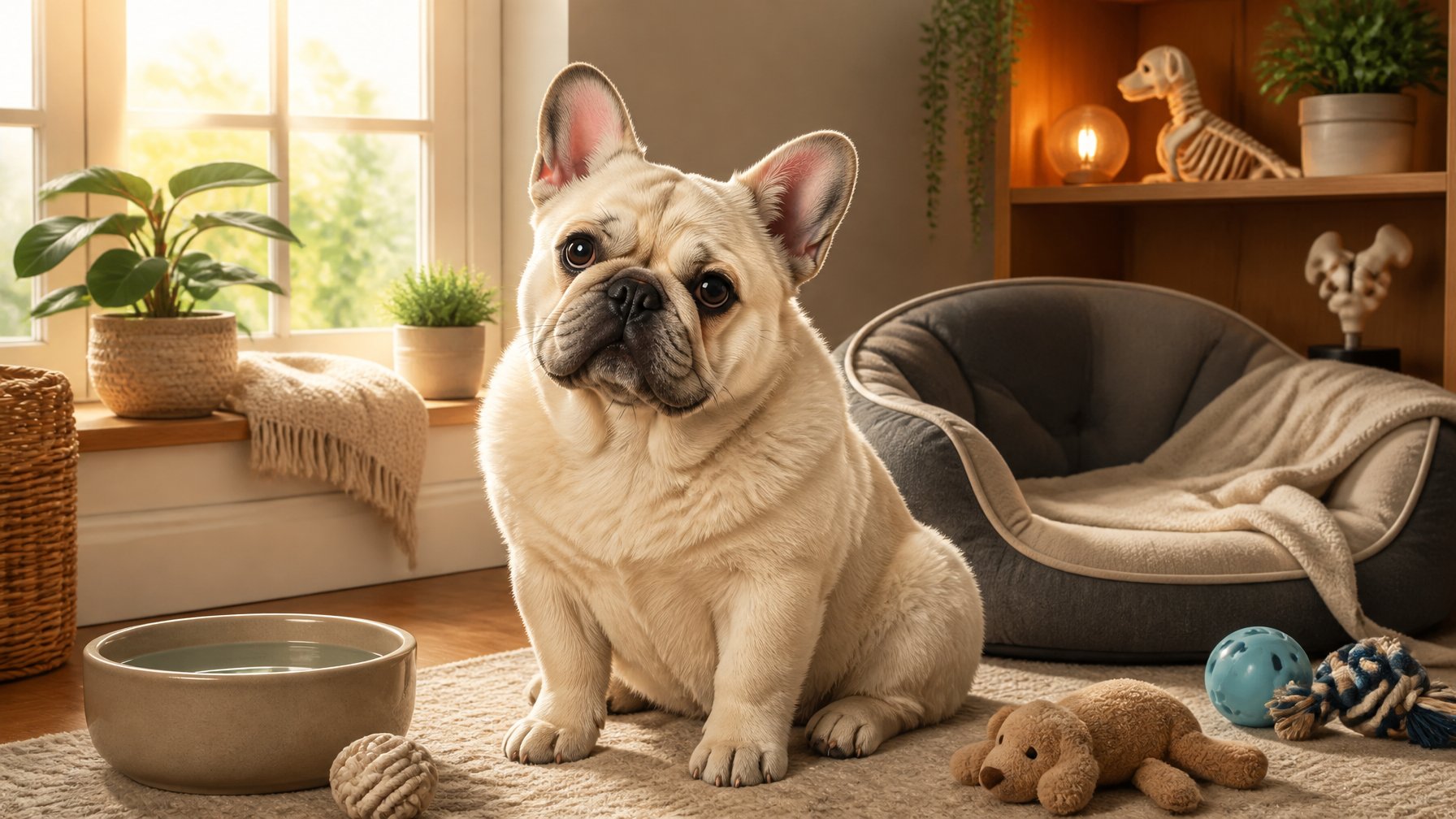
Fluffy Frenchies do shed—sometimes more than standard Frenchies. Their brachycephalic anatomy brings health risks like airway obstruction and heat intolerance.
They’re also prone to joint problems like hip dysplasia. Grooming is manageable if you’re consistent, and daily care means staying aware of their physical limits.
Do Fluffy Frenchies Shed And Need Extra Grooming
Yep, fluffy Frenchies definitely shed. Their longer coats trap loose hair, so regular brushing is a must if you want to avoid mats and keep your home from turning into a fur zone.
Do they shed more than standard Frenchies? I’d say the amount is about the same, but the longer hairs just seem to show up everywhere—on your couch, your clothes, you name it.
Here’s a grooming routine that actually works in real life:
- Brush 2 to 3 times per week with a soft slicker brush. Focus on ears, chest, and behind the legs—those spots get gnarly fast.
- Bathe every 3 to 4 weeks unless they get into something gross.
- Clean facial wrinkles daily with a damp cloth or pet-safe wipe. This helps avoid infections hiding in those adorable folds.
- Check and clean ears weekly. Those upright bat ears collect dust and random debris you wouldn’t believe.
- Professional groom every 6 to 8 weeks for a trim and a once-over.
Grooming a fluffy Frenchie isn’t nearly as intense as a Shih Tzu or Poodle—no fancy haircuts or anything. But compared to a regular Frenchie, you’ll spend more time brushing, no way around it.
Honestly, start brushing early and make it part of your routine. If your pup learns to enjoy it as a baby, you’ll both be happier. Brushing becomes a little bonding thing instead of a wrestling match.
Exercise, Heat, And Daily Care Basics
French Bulldogs aren’t marathon runners, and the fluffy coat doesn’t make them any more energetic. They’re good with short walks, some indoor play, and a bit of mental stimulation.
Think 20 to 30 minutes of moderate activity a day, split up into two sessions. That’s usually plenty.
Here’s the big thing: heat is a real danger. Brachycephalic breeds already have trouble cooling themselves, and the fluffy coat just makes it harder.
The extra fur adds insulation, which raises the risk of overheating.
Heat safety rules I stick to no matter what:
- Walk early in the morning or after sunset if it’s hot out
- Bring water on every walk
- Never leave your fluffy Frenchie in a parked car, not even for a minute
- Keep the AC on during summer
- Watch for overheating: heavy panting, drooling, glassy eyes, stumbling—don’t ignore these
Swimming? Honestly, not a great idea for most Frenchies. Their bodies just aren’t built for it. If you’re by water, a snug dog life vest is a must—don’t skip it.
Common Health Problems To Know Early
Fluffy Frenchie health problems are basically the same as regular Frenchies, though the longer coat adds a couple of grooming headaches.
- Brachycephalic Airway Obstruction Syndrome (BAOS): Narrow nostrils, long soft palate, breathing struggles. Some dogs need surgery just to breathe right.
- Hip dysplasia: The hip socket doesn’t fit right, which leads to pain and mobility problems as they age.
- Skin allergies and dermatitis: Frenchies are sensitive, and the fluffy coat can trap moisture in their skin folds.
- Intervertebral disc disease (IVDD): Spinal issues that can hurt or, in bad cases, cause paralysis.
- Eye conditions: Cherry eye, corneal ulcers, dry eye—sadly, all pretty common.
- Ear infections: Those big open ears are basically bacteria magnets if you don’t keep them clean.
Vet bills add up fast with this breed. I always suggest setting up a health fund or getting pet insurance before you bring a fluffy Frenchie home.
At Dog Fluffy, I say this a lot: the sticker price is just the start. The real cost is in the health care over the years.
Finding One Responsibly And Budgeting Wisely
A good fluffy Frenchie breeder will show you genetic tests, real health records, and answer every question you throw at them. Prices for a fluffy French Bulldog usually run from $5,000 up to $25,000+ depending on color, pedigree, and the breeder’s reputation.
That’s a huge range, so it’s smart to budget and really vet the breeder before you fall in love with a puppy.
How To Spot A Reputable Breeder
Finding a trustworthy breeder takes patience—no shortcuts. The hype and high prices attract puppy mills and backyard breeders who skip health testing and cut corners.
Green flags to look for:
- The breeder invites you to visit their place in person
- You can meet at least the mom (ideally both parents are there)
- They show AKC papers and DNA results for the L4 gene
- Puppies get proper shots, deworming, and a vet check before going home
- They give you a written health guarantee (aim for at least one or two years)
- They ask about your home, lifestyle, and dog experience—they care where their puppies go
Red flags to run from:
- The breeder ships puppies without meeting you first
- No health test paperwork, just vague promises
- They always have multiple litters and lots of different breeds
- Prices are way below what others charge
- They rush you: “Act fast or this puppy’s gone!”
Breed experts agree—a responsible breeder never pressures you. If something feels sketchy, trust your instincts and walk away.
Questions To Ask About Health Testing
Before you put down a deposit, get specific about health tests. The right breeders are happy to share details—if they get weird about it, that’s a red flag.
Ask these questions directly:
- Have both parents been DNA tested for the Lh/L4 gene? You want to see lab paperwork, not just their word.
- What other genetic tests have you done? Look for DM (degenerative myelopathy), JHC (juvenile hereditary cataracts), and CMR1 (canine multifocal retinopathy).
- Have the parents had hip dysplasia evaluations? OFA or PennHIP results should be available.
- Did a vet check the parents for airway issues? Dogs with severe BAOS shouldn’t be bred.
- Can I see the health guarantee before committing?
- What happens if a genetic health problem shows up after I buy?
If a breeder dodges or hesitates, I’d walk away. My rule at Dog Fluffy: if I wouldn’t trust this person with my own dog, I won’t recommend them to anyone.
What A Fluffy French Bulldog Usually Costs
Let’s get real about the numbers. Fluffy Frenchies cost a lot more than standard ones, and the price swings are wild.
| Factor | Typical Price Range |
|---|---|
| Standard-color fluffy Frenchie (fawn, cream, brindle) | $5,000 to $10,000 |
| Rare-color fluffy Frenchie (lilac, blue, merle, chocolate) | $10,000 to $20,000+ |
| Show-line or exceptional pedigree | $15,000 to $25,000+ |
| Standard (non-fluffy) French Bulldog for comparison | $2,000 to $5,000 |
So what bumps up the price? Rare colors, breeder reputation, how deep they go with health testing, where you live, and just plain demand.
A lilac fluffy Frenchie from a famous breeder will cost way more than a fawn fluffy from someone just starting out.
And don’t forget about ongoing costs:
- Vet visits and shots: $500 to $1,000+ per year
- Pet insurance: $40 to $80 per month (really, get it for this breed)
- Grooming: $50 to $100 per session, every 6 to 8 weeks
- Quality food: $50 to $80 per month
- Emergency fund: At least $2,000 to $3,000 set aside for surprises
I’d never suggest buying one just because they’re cute. This is a 10- to 12-year commitment, and you need to be ready for the time and money it takes. Make sure your budget lines up with reality, not just the adorable puppy photos you’re scrolling through.
Frequently Asked Questions
People ask me about fluffy French Bulldogs all the time. Genetics, price jumps, shedding, allergy rumors, and breeder red flags—these topics never go away, so here are some honest answers.
Why do some Frenchies have that long, fluffy coat while most are short-haired?
It all comes down to the FGF5 gene. Frenchies need two copies of the recessive L4 variant for the fluffy coat to show up.
Most have zero or just one copy, so they stay short-haired. If both parents carry the gene, about a quarter of their puppies can end up fluffy.
If you’re shopping around, what usually drives the price up (or down) when you see one listed for sale?
Color is the big one. Rare shades like lilac, blue, and merle can push the price well above $15,000, while standard fawn or cream fluffies start closer to $5,000.
Breeder reputation, health testing, pedigree, and location all factor in too.
Puppy or adult—what’s the biggest difference in grooming and shedding once they’re fully grown?
Puppies have softer, thinner fur that’s easier to manage. The adult coat fills in by 6 to 12 months and needs more brushing.
Adult fluffies need brushing two or three times a week to keep mats away, especially around the ears and chest. Shedding stays pretty steady year-round once they’re grown.
Hypoallergenic or hype—how do you figure out if they’ll actually be easier on allergies in real life?
Fluffy Frenchies aren’t hypoallergenic. No French Bulldog is.
They shed and produce dander, which are the main triggers for allergies. If that’s a worry, try hanging out with a fluffy Frenchie before you make any decisions.
An allergist can run tests to help you figure out your actual risk. Honestly, that’s probably your safest bet.
Thinking about a mix—what traits tend to show up when a Frenchie is crossed with a longer-haired breed?
Mixing a French Bulldog with a longer-haired breed like a Pomeranian or Shih Tzu can give you a fluffier coat. But you’ll get a mixed breed, and the traits are all over the place.
Size, coat texture, temperament, health—it’s a genetic toss-up. If you want something more predictable, a purebred fluffy Frenchie with L4 testing is a safer route, though nothing’s guaranteed.
Before you buy nearby, what quick checks help you spot a legit breeder versus a sketchy listing?
Ask for DNA test results that confirm the L4 gene. Request veterinary health records for both parents.
Insist on a written health guarantee. A good breeder should welcome your questions and offer to show you their facility.
If they dodge your requests for documentation or won’t let you visit, that’s a red flag. Honestly, if you feel pressured to send a deposit quickly, it’s probably best to walk away.