As an Amazon Associate I earn from qualifying purchases.
Extreme heat and extreme cold can both be dangerous for dogs. The RSPCA says dogs “lose heat through panting, can only sweat through their paws, and are at high risk of getting heatstroke”, and in winter it warns that “when the temperature reaches freezing, all dogs are at risk of hypothermia and frostbite”.
Puppies, older dogs, dogs with health problems and thick-coated or flat-faced breeds can struggle most. This page gives practical tips for hot and cold spells, with advice from the RSPCA, PDSA and AKC. It is general guidance, not veterinary advice, so talk to your vet about your own dog.
Some links on this page are Amazon affiliate links. We earn a commission if you buy through them, at no extra cost to you.
Keeping Your Dog Safe In Hot Weather
Give Shade And Plenty Of Fresh Water
The RSPCA advises “constant access to shaded areas inside and out” and that “there is always clean, cold water available”. Put several bowls around the house and garden, and refresh them often.
Check price on AmazonAffiliate link — Dog Fluffy may earn a commission, at no extra cost to you.See the Loving Pets Bella bowl on Amazon
Take Water On Walks
Carry water and a bowl or a travel bottle, so your dog is not tempted to drink from puddles or ponds.
Check price on AmazonAffiliate link — Dog Fluffy may earn a commission, at no extra cost to you.See the insulated dog water bottle on Amazon
Walk In The Cool Of The Day
The RSPCA says to go “out in the early morning or late evening when it’s cooler” and not to “run or cycle with your dog when it’s hot”.
Check The Ground With Your Hand
Pavements can burn paws. In the RSPCA’s words: “If the ground is too hot to touch with your hand for five seconds, it’s too hot for paws!” Watch for limping, licking at the pads, darker or blistered pads, and take your dog on grass or in the shade instead.
Never Leave A Dog In A Car
The RSPCA says: “Never leave dogs in cars or other vehicles, caravans, conservatories or outbuildings in warm weather, even if only for a short while.” It adds that “when it’s 22°C (76°F) outside, temperatures can quickly rise to 47°C (117°F) in these environments, which can be fatal”.
Cool Treats And A Paddling Pool
The RSPCA suggests ice cubes in the water bowl, ice-cube treats, or a frozen Kong filled with treats and water. A shallow paddling pool can help too, but not every dog likes water, so do not force it. Offer a damp towel to lie on, and never place a damp towel over your dog: it “can trap in heat”.
Sunscreen And Grooming
The RSPCA recommends pet-safe sunscreen on exposed skin such as the tips of the ears and nose, mainly for dogs with white or light-coloured fur, and says “if you’re not sure which is the right product to use, please ask your vet”. Regular grooming in warm weather also helps brush out dead hair and mats. See our guide to grooming a fluffy dog.
Check price on AmazonAffiliate link — Dog Fluffy may earn a commission, at no extra cost to you.See the Warren London dog sunscreen on Amazon
Take Extra Care With Flat-Faced And Fluffy Dogs
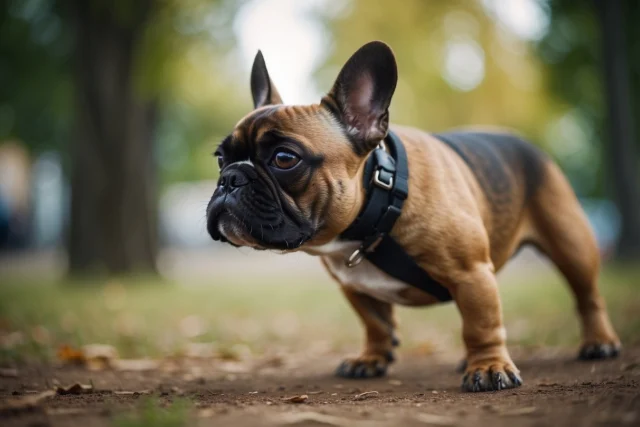
The RSPCA says “brachycephalic (flat-faced, or ‘brachy’) animals are at a greater risk of health problems in hot weather”, naming pugs, French bulldogs, shih tzus and boxers. The AKC adds that puppies, senior dogs, overweight dogs and dogs with underlying health issues are at greater risk.
Signs Of Heatstroke And What To Do
The RSPCA lists heavy panting, excessive drooling, lethargy, drowsiness, uncoordinated movements, collapsing and vomiting. Its heatstroke guide says “cool first, transport second”: stop exercise, move the dog into shade, and “pour any available water – that’s cooler than the dog’s temperature – over their body, but avoid their head”. Then get to a vet.
Do not cover your dog with a wet towel. The PDSA says “don’t cuddle them or cover them with a wet towel, as this will make them even hotter”, and advises you to call your vet as soon as possible. Heatstroke can be fatal, so treat it as an emergency.
Keeping Your Dog Safe In Cold Weather
The RSPCA advises keeping indoor temperatures “between 10°C and 25°C” because “below this, dogs more susceptible to the cold may start to struggle”, and says the dogs most at risk at freezing are “small, slim, young and old dogs, and those with little or no fur”.
- Keep winter walks short. The AKC says to “keep winter walks short when possible and limit time outdoors in extreme cold”.
- Dry your dog. The AKC says to “make sure your dog is dry before taking them out for a walk”, because wet skin is more vulnerable to frostbite.
- Wipe paws and tummy after walks. The RSPCA says to “thoroughly wipe down their paws and tummy to remove grit, antifreeze and rock salt, which are poisonous to dogs”.
- Use a coat if your dog feels the cold. The RSPCA suggests a warm dog jacket for cold walks. The AKC cautions that clothing should never be used on an unattended dog.
- Do not leave a dog in a cold car. The RSPCA warns that “even if the heating is on, they could develop hypothermia or overheat”.
- Keep away from frozen ponds. Thin ice may break under a dog’s weight.
Shivering and curling up are early signs of hypothermia, and sluggishness, paleness and loss of consciousness can follow. If you see these, call your vet. When in doubt, as the AKC puts it, “always consult your veterinarian”.
The Bottom Line
In hot weather, give shade, water and cool walks, and never leave a dog in a car. In cold weather, keep walks short, dry your dog and wipe off grit and salt. If your dog shows signs of heatstroke or hypothermia, treat it as an emergency and call your vet. Our fluffy dog care guide has more everyday advice.