As an Amazon Associate I earn from qualifying purchases.
Bringing a dog home is the start of a relationship, and like any relationship it grows through time, attention and understanding. This page covers six things new dog parents can do to build a good bond with their dog, using advice from the American Kennel Club (AKC), the RSPCA and the Scottish SPCA.
The AKC says a bond forms when you and your dog share interests and experiences, and when you make yourself rewarding to the dog. It says this can happen with a puppy or an older dog, but that it takes time and effort, and setbacks are normal.
This is general information, not veterinary or behaviour advice. If your dog seems very worried, aggressive or unwell, talk to your vet first; the RSPCA says they may refer you to an animal behaviourist.
Amazon links on this page are affiliate links, so we may earn a commission if you buy, at no extra cost to you.
1. Start With A Safe Adoption
A good relationship starts before the dog comes home. The Scottish SPCA, which works with a multi-agency taskforce against the illegal puppy trade, says not to buy online or from anyone when it is impossible to check where the dog is really coming from.
Its checklist is to visit the breeder first and meet the puppies with their mother in the breeder’s home, and to check that the house feels like a real home and not a place rented to show puppies. The puppies should look active and healthy, with clear eyes and nose, clean ears, no visible ribs and a clean, dry bottom, and they should be comfortable being handled.
It also says to check the paperwork (vaccinations, flea and worming treatment, microchip documents), ask as many questions as you like, and not to feel pressured. If something feels wrong, walk away and report it: in Scotland to the Scottish SPCA, and in England and Wales to the RSPCA or Trading Standards.
2. Spend Time Together Every Day
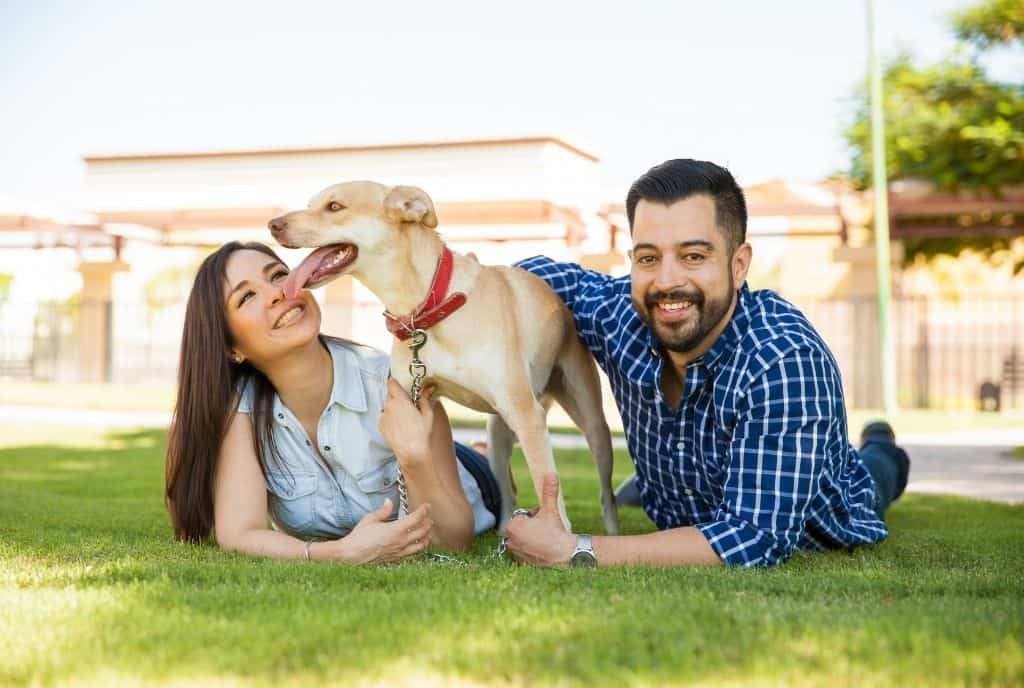
The AKC says a close bond is not built by spending time with your dog once a week; you should spend time with your dog every day. Think about what your dog likes to do. Most dogs enjoy walks in new places or a game of fetch, young puppies often enjoy puppy games, and an older, quieter dog may be happy to sit beside you on the sofa.
The AKC also asks owners to be fully present: try not to let your phone take your attention on walks or during play, so your dog learns they have your attention.
3. Learn Your Dog’s Body Language
The RSPCA says a dog’s body language can be subtle, so it is not always easy to read how they feel, and it suggests watching for changes in behaviour, which can mean something is wrong. A relaxed dog has a loose body, an open relaxed mouth, ears in a natural position and eyes of a normal shape.
The RSPCA describes a worried dog as one with a low body and head, tail tucked under, ears back, yawning, lip licking, or turning away and avoiding eye contact. These dogs are telling you they are uncomfortable and do not want you to go near them. If you see these signs, give the dog space.
The AKC adds two common mistakes. Many dogs do not like hugs, and quick pats on the head or leaning over a small dog are not something most dogs enjoy; many prefer a scratch on the chest or under the chin. If your dog moves away when you pet them, try a different spot or a different activity.
For more on how fluffy breeds behave, see our guide to understanding fluffy dog behaviour.
4. Train With Rewards
The AKC says all dogs benefit from training, and that positive reinforcement (rewards such as food, touch or toys) helps dogs and owners bond because both look forward to the sessions. Find out which reward your dog likes best: some prefer a particular treat, others a quick game of tug. If you want help, the AKC suggests an experienced trainer and classes such as AKC S.T.A.R. Puppy and Canine Good Citizen.

5. Settle In With A Routine
The AKC says to be patient while your dog adjusts, as they are learning new rules and places while you learn their personality. It recommends consistent routines and calmly reinforcing house rules. With a new puppy, expect your sleep to be interrupted for a while; the AKC says keeping the puppy close at night, such as in a crate or a puppy bed in a pen beside you, makes toilet breaks easier.
A comfortable bed of their own helps your dog settle. This memory foam bed is listed for medium dogs and has a removable washable cover; check the size against your dog’s weight on the listing.
Check price on AmazonAffiliate link — Dog Fluffy may earn a commission, at no extra cost to you.If your dog has just moved home with you, our guide to helping a dog cope with relocation may help.
6. Look After Their Health
Caring for your dog is part of the bond. Take your new dog to a vet, ask which vaccinations and treatments they need, and follow your vet’s advice; never give a dog medicine without asking your vet. For puppies, see our guide to which shots puppies need.
Pet insurance is one way to prepare for vet bills. PDSA says insurance does not cover routine care such as vaccinations, worming, flea treatment or neutering, and does not cover pre-existing conditions, which are conditions or symptoms your pet has had before you take out the policy. PDSA also describes lifetime and time-limited (12-month) policies. Read the policy carefully before you buy.
The Bottom Line
A good relationship with a dog comes from a safe start, daily time together, learning what they are telling you, rewarding training, patience and good care. If you are still choosing a breed, our list of fluffy dog breeds is a place to start.