As an Amazon Associate I earn from qualifying purchases.
Chihuahuas are small dogs, and some health problems are more common in small and toy breeds.
This page covers ten of them: what each one is, the signs to watch for, and when to call your vet.
It is general information, not veterinary advice, and it cannot diagnose your dog. If you are worried about your dog, see your vet.
Several of these can become emergencies quickly: low blood sugar, trouble breathing, glaucoma, a blocked bladder, and sudden weakness or loss of use of the legs. Ask your vet how often your dog should be checked.
Some owners use a breed DNA test to learn more about their dog’s background. The Embark listing describes a kit that screens for over 400 breeds; talk to your vet about what any result means for your dog’s care.
Embark Dog DNA Test KitA cheek-swab DNA kit that screens for over 400 breeds. Handy if you are curious about your dog’s background, and talk to your vet about what any result means for your dog’s care.Check price on AmazonAffiliate link — Dog Fluffy may earn a commission, at no extra cost to you.1. Low Blood Sugar (Hypoglycaemia)

PetMD lists puppy and toy-breed hypoglycaemia as a cause linked to poor food intake. Signs include lack of appetite, lack of energy, vomiting, tremors or seizures, fainting and loss of consciousness.
This condition needs to be treated quickly: if you suspect it, take your dog to a vet immediately. To help prevent it, PetMD says puppies and toy breeds should eat a high-quality diet in small, frequent meals.
2. Dental Disease
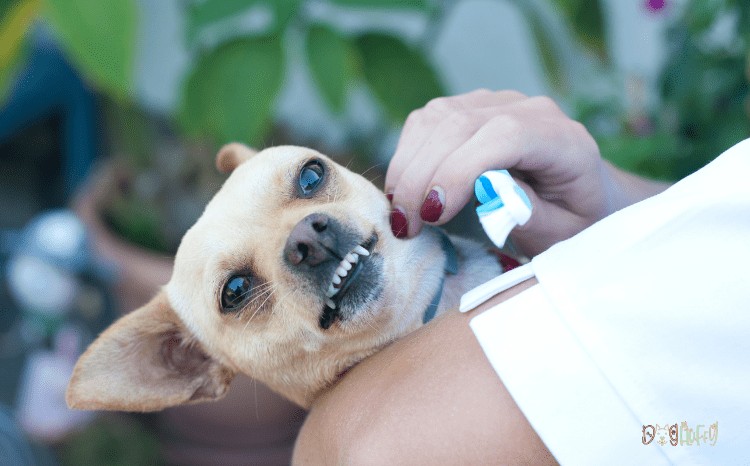
The University of Illinois vet school says periodontal disease is seen frequently, especially in small breeds such as Chihuahuas, and that crowded teeth raise the risk. Signs include bad breath and red gums, but dogs can have advanced disease and still eat and play, so a regular vet check matters.
Brushing needs to be consistent: at least three times a week slows the disease, and daily is better. Use a dog toothpaste, not a human one. A thorough dental cleaning is done under anaesthesia, which allows a full exam and X-rays; ask your vet how often your dog needs one.
The Arm & Hammer Tartar Control Dental Kit listing describes a 3-piece set with tartar-control enzymatic toothpaste (2.5 oz) and a dual-sided toothbrush.
Arm & Hammer Tartar Control Dental Kit for DogsA 3-piece set with a tartar-control enzymatic toothpaste (about 70 g) and a dual-sided toothbrush. Brushing small mouths takes patience, so go slowly, and ask your vet about your dog’s teeth.Check price on AmazonAffiliate link — Dog Fluffy may earn a commission, at no extra cost to you.3. Luxating Patella (Slipping Kneecap)
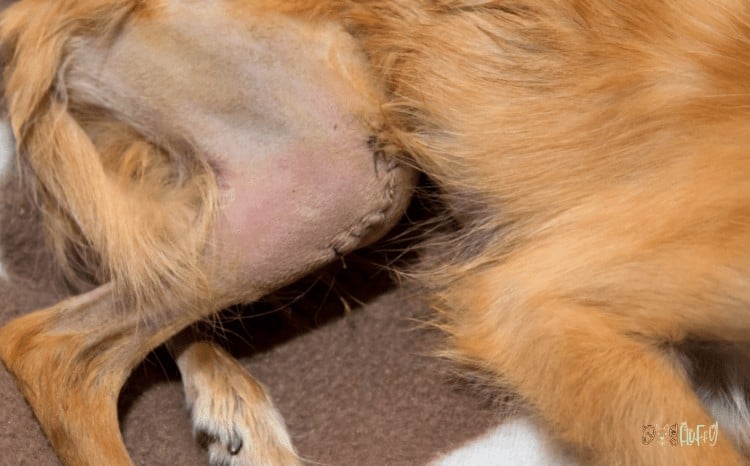
A luxating patella is a kneecap that moves out of its normal position. The VCA says many toy and small breeds, including the Chihuahua, have a genetic predisposition to it.
You may notice a skip in your dog’s step, or your dog running on three legs for a few steps. It is graded from I (the kneecap pops back in on its own) to IV (it stays out). Over time, arthritis can develop and cause decreased mobility and joint pain.
Ask your vet to examine your dog. The VCA says surgery before arthritis sets in has an excellent outlook, while mild grade I cases may not need surgery. Keeping your dog at a healthy weight helps slow arthritis.
4. Tracheal Collapse
The trachea, or windpipe, is the tube between the throat and the lungs. In tracheal collapse its cartilage rings weaken or the lining sags, and the rings flatten when the dog breathes in. The VCA lists Chihuahuas among the breeds affected, and says a genetic factor is suspected.
The usual sign is a persistent, dry, harsh cough, sometimes called a goose-honk cough. Take your dog to the vet for any cough that does not go away, and straight away for trouble breathing.
The VCA recommends weight management and a harness rather than a collar. Medication such as cough suppressants may be needed daily, surgery is done by an experienced specialist surgeon, and even with good control most dogs keep some cough for life.
5. Neck And Back Injuries (Disc Disease)

Small dogs are easily hurt by falls, jumps and rough play, so supervise play with larger dogs and stop your dog jumping from furniture.
Intervertebral disc disease is damage to the discs between the spine’s bones. The VCA says signs of neck disease include a stiff neck and reluctance to move the head, and that severe cases can cause weakness or partial paralysis. Check that your dog can pass urine and stool normally and call your vet straight away if your dog becomes weak or cannot use its legs.
The VCA says treatment is strict rest for the first three to six weeks, with surgery for repeated neck pain or serious nerve problems, that affected dogs should wear a harness instead of a neck collar, and that a healthy weight helps. It also says there is no way to prevent the condition.
6. Glaucoma

Glaucoma is raised pressure inside the eye. The VCA lists squinting, rubbing the eye, flinching when the head is touched, discharge, lethargy and reduced appetite as signs, and says blindness can occur very quickly. Acute glaucoma is an emergency: call your vet at once if you see these signs.
Treatment may include pain relief, medicine to lower eye pressure and, in severe cases, surgery.
7. Dog Flu (Canine Influenza)

Canine influenza is caused by two influenza virus strains, H3N8 and H3N2, and spreads through coughing, sneezing and nasal discharge. The VCA says dogs are most contagious before they show signs. The most common sign is a cough lasting 10 to 21 days that does not respond to antibiotics or cough suppressants; others are a runny nose, fever, reduced appetite and lethargy.
Treatment is supportive, and dogs that develop pneumonia may need hospital care. Any dog with signs of a respiratory illness should see a vet. The vaccine cannot completely prevent the disease but may reduce how severe it is, so ask your vet whether it is advised where you live.
8. Bladder Stones
The most common signs are blood in the urine and straining to urinate. The VCA says a blockage is an emergency: a dog that strains and passes little or no urine is in pain, a complete blockage is life-threatening and needs emergency treatment, and the bladder can rupture. Male dogs are affected more often because their urethra is longer and narrower.
Treatment may be surgery, a non-surgical flushing procedure, or a special diet that dissolves some stones; your vet will choose.
9. Infectious Hepatitis
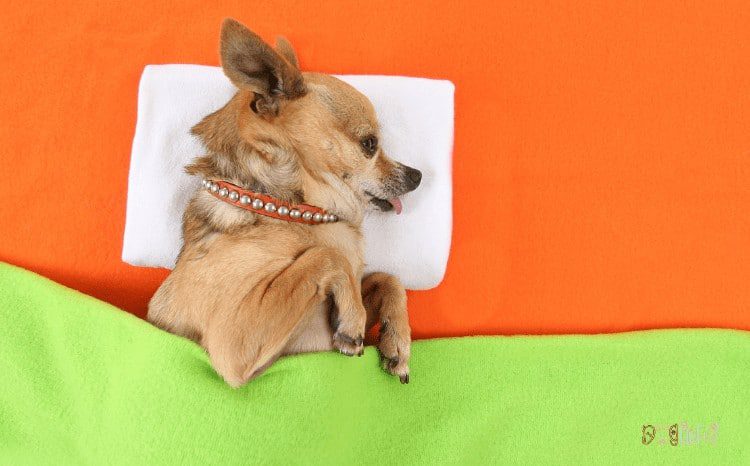
Infectious canine hepatitis is a viral infection from the adenovirus family. Dogs catch it by direct contact with urine or nose and eye discharge from an infected dog. Young dogs are at highest risk; mild cases show reduced appetite, low mood and mild fever, while severe cases in puppies can involve abdominal pain, vomiting and diarrhoea and are often fatal.
There is no specific treatment beyond supportive care in hospital. Vaccination has been very successful, and the vaccine is given routinely in puppy vaccination programmes, but protection falls over time. Your vet will set the booster schedule, which differs between countries.
10. Obesity
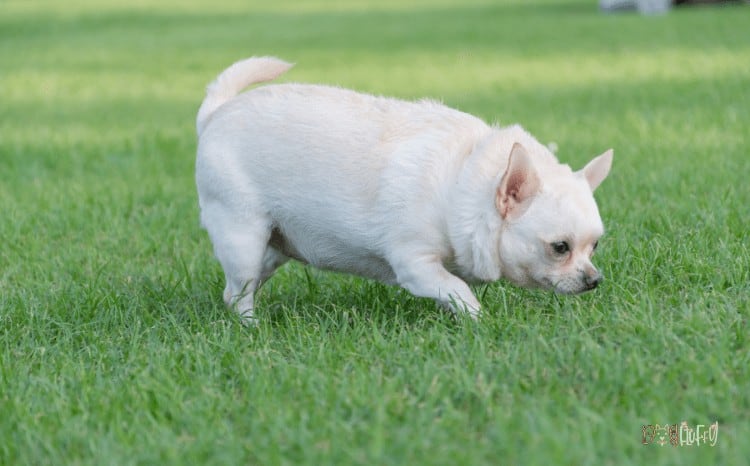
Extra weight makes the problems above harder to manage. The VCA recommends weight management for tracheal collapse and weight loss for dogs with a luxating patella, and says obesity may increase the risk of disc disease.
Ask your vet what a healthy weight is for your dog, measure meals rather than guessing, and count treats in the daily food.
Final Thoughts
Chihuahuas are small, and some of their health risks are common in small and toy breeds. Regular check-ups, careful feeding and quick action when something looks wrong give your dog the best chance, and your vet is the right person to ask.