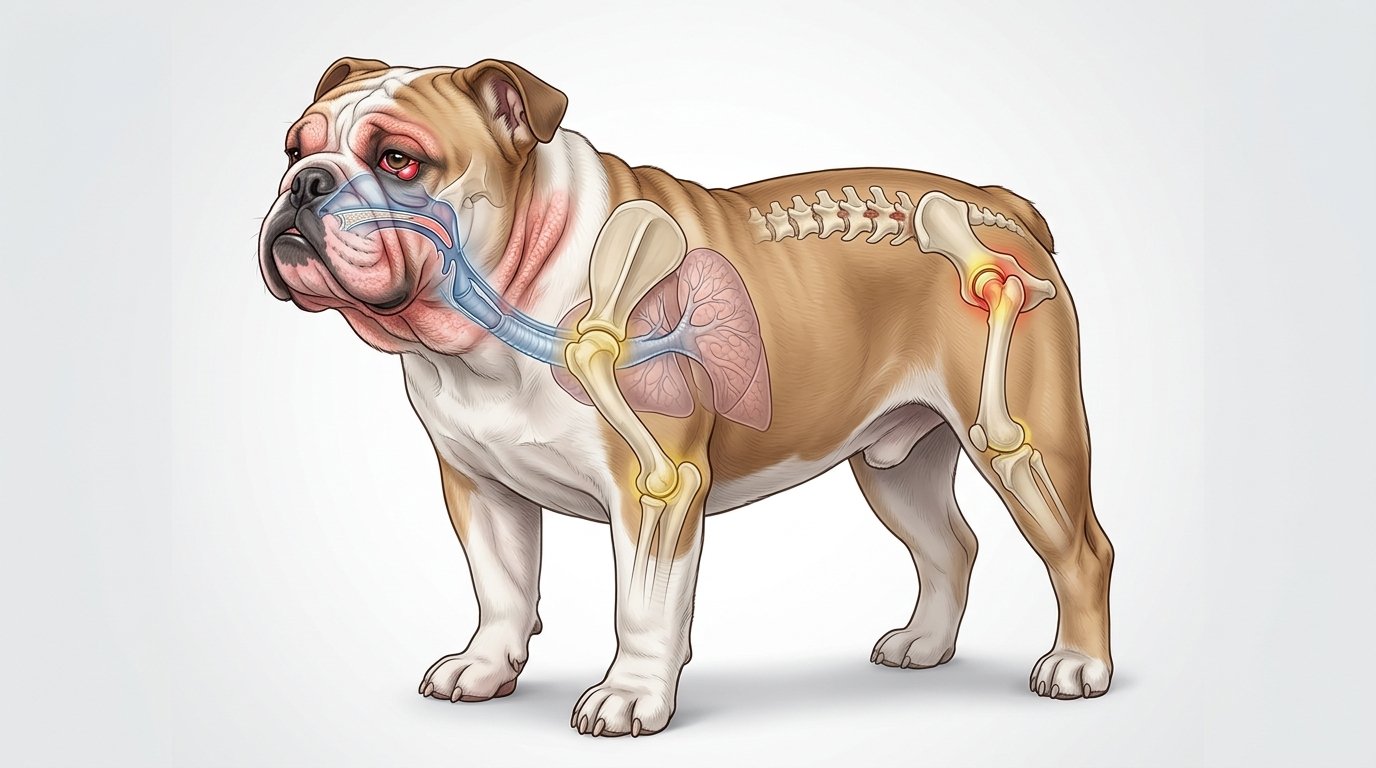
Breeding Bulldogs is a big responsibility and can be expensive, so many breeders look for “breeding insurance”.
The first thing to know is that ordinary pet insurance does not usually cover it. The PDSA, a UK veterinary charity, says anything to do with pregnancy, breeding, giving birth and treatment of any offspring is not usually covered.
That does not mean cover is impossible, only that you should not assume it. Read the policy wording and ask the insurer before you rely on it.
This page explains what standard policies cover, the types of cover, and what to check before you buy.
It is general information, not veterinary or financial advice, and it is based on a UK guide from 2017; policies and prices differ by country and change over time.
What Pet Insurance Usually Covers
The PDSA says pet insurance protects you from unexpected vet bills, which it says can run into thousands of pounds. It is normally an annual policy that has to be renewed each year, and you can pay the year’s premium upfront or monthly.
- Usually covered: unexpected illness or injury, up to the limits of the policy.
- Often not covered: vaccinations, spaying and castration, flea, worm and tick treatment, grooming, claw clipping and teeth maintenance.
- Not usually covered: pregnancy, breeding, giving birth and treatment of any offspring.

Types Of Cover
- Lifetime: covers illness or injury up to a set amount each year for as long as the policy remains in force.
- Maximum benefit: a set amount for each illness or injury, until the maximum has been spent.
- Time-limited: a fixed amount for each illness or injury, for a set period of 12 months from the start of the illness or injury.
- Accident only: covers accidental injury up to a fixed amount.
- Third-party liability: covers accidental injury or damage caused by your dog, and is often included in the types above.
What To Check Before You Buy
- Waiting period: your dog is typically not covered for illness or injury for a set period after the policy starts.
- Pre-existing conditions: most policies do not cover illnesses or injuries your dog already had, so the PDSA advises taking out cover as soon as possible.
- Excess and co-insurance: you may pay an excess for each condition you claim for, and some policies add a percentage of the claim on top.
- Age limits: some insurers will not cover a puppy until it is 8 weeks old, and some stop or raise the premium as the dog gets older.
- Excluded breeds and pedigree dogs: some insurers will not cover certain breeds, and the PDSA says premiums may be higher for a pedigree dog.
- Always read the policy’s terms and conditions to make sure the cover is right for you and your dog.
What Does It Cost?
Prices vary a lot by country and by insurer, so get quotes in your own currency. The PDSA says premiums depend on your dog’s age, breed, postcode and claims history, and on the cover level and type of policy.
Is It Worth It?
Only you can decide, but a vet bill can be large and cover bought after a problem appears will not include that problem. If you do not insure, consider whether you could pay a large vet bill from savings. Ask your vet about the health problems common in your dog’s breed, and ask the insurer in writing what a policy excludes for it.
If you are buying a puppy, ask the breeder whether the puppy comes with any insurance and read what it covers and for how long.
For a litter, ask your vet about the costs and risks of breeding, and check with the insurer whether anything linked to pregnancy and birth is covered, since the PDSA says it usually is not.