Fluffy Dog Nutrition
Feeding a fluffy dog well is one of the more consequential things you control. Choosing the right nutrition is a common worry, and coat-heavy breeds do have some specific needs worth understanding.
To start, it’s important to understand that fluffy dogs often have different nutritional needs compared to other breeds.
Whether it’s the type of food, the portion size, or the frequency of feeding, every detail counts.
Finding a balanced diet that includes fresh ingredients like those recommended by experts can make a difference.
Knowing what to look for can help you make smarter choices, ensuring your fluffy friend thrives.
Finally, remember that diet isn’t just about what’s in the bowl. The overall lifestyle and health practices play a significant role.
This includes regular grooming and coat care, which complement their nutritional intake.
Healthy treats and regular exercise, kept consistent, show up in energy levels and coat condition over weeks rather than days.
Key Takeaways
- A balanced diet and fresh ingredients are crucial for fluffy dogs.
- Grooming and overall health practices support good nutrition.
- Understanding specific needs leads to a happy, healthy dog.
Decoding Fluffy Dog Breeds

Fluffy dogs come in a variety of breeds, each with its own unique characteristics and needs. Knowing the differences between popular breeds, their specific nutrition needs, and understanding their sizes can help you better care for your furry friend.
Popular Fluffy Breeds
Popular fluffy dog breeds include the Pomeranian, Chow Chow, Old English Sheepdog, Collie, Samoyed, Bichon Frise, Lhasa Apso, Shih Tzu, American Eskimo, Barbet, and Keeshond.
Each breed has its charm. For instance, Pomeranians are small but have big personalities.
Chow Chows are known for their lion-like mane and loyal nature.
The Samoyed is easily recognizable with its smiling face and dense, white coat.
A Shih Tzu is a good illustration — the playful temperament and heavy coat are the two things that define daily care for the breed.
Breed-Specific Nutrition
Nutrition varies between breeds based on their size, coat type, and activity level.
Pomeranians need high-quality kibble with balanced protein and fat for their high energy.
Chow Chows require a diet with good sources of protein to maintain their muscular build.
Samoyeds need fatty acids for their thick coats.
The Collie benefits from a diet that supports joint health due to their active lifestyle.
Breed matters: a Bichon Frise has different requirements from a large double-coated breed. Your vet is the right person to confirm what yours needs.
Understanding Breed Sizes
Knowing a dog’s size helps in making decisions about diet, exercise, and grooming.
Small breeds like Pomeranians and Shih Tzus typically weigh under 20 pounds and need frequent, small meals.
Medium breeds like the Bichon Frise or Keeshond require a balanced diet to support their moderate energy levels.
Large breeds such as the Old English Sheepdog or Collie need more calories and joint support.
The Barbet is a medium-sized example where exercise and the right diet together determine whether the dog stays in good condition.
Essentials of Dog Nutrition
Making sure your fluffy dog gets all the necessary nutrients is key to keeping them healthy and happy. This includes offering a balanced diet rich in proteins, fats, carbohydrates, and fibers.
Balanced Diet Fundamentals
A balanced diet is crucial for your dog’s well-being.
Dogs need a mix of essential nutrients like protein, fats, carbohydrates, vitamins, and minerals.
High-quality ingredients should always be your priority.
Moving a dog onto a properly balanced diet often produces a visible change in energy and coat — which usually says more about what the previous food was missing than about the new one being remarkable.
Just like humans, dogs thrive on good nutrition. Avoid foods with excessive fillers and aim for real meat and vegetables.
Importance of Protein and Fats
Protein is a major building block for your dog’s muscles and tissues. Fats provide energy and help with vitamin absorption. Both are essential in their diet.
Protein should come from high-quality sources like chicken, beef, or fish. Avoid processed meats that might lack essential nutrients.
Fats are needed for a shiny coat and healthy skin.
Check that the food contains both omega-3 and omega-6 fatty acids. These support skin barrier function and coat condition, and omega-3s have reasonable evidence behind them.
Carbohydrates and Fibers
Carbohydrates provide energy and should be a part of your dog’s diet but not the main component.
Good sources include brown rice, sweet potatoes, and whole grains.
Fiber is important for digestion. It helps prevent constipation and can control blood sugar levels.
Fibre can come from healthy additions like carrots and green beans, which also work well as low-calorie treats for a dog that needs to lose weight.
In summary, understanding the essentials of dog nutrition ensures your fluffy friend stays in top shape. Balanced diets full of quality protein, fats, and the right carbohydrates and fibers are vital. Pay attention to ingredients, and don’t hesitate to tweak your dog’s food choices for the best health outcomes.
For more detailed information on dog nutrition, visit Dog Nutrition.
Feeding Your Fluff
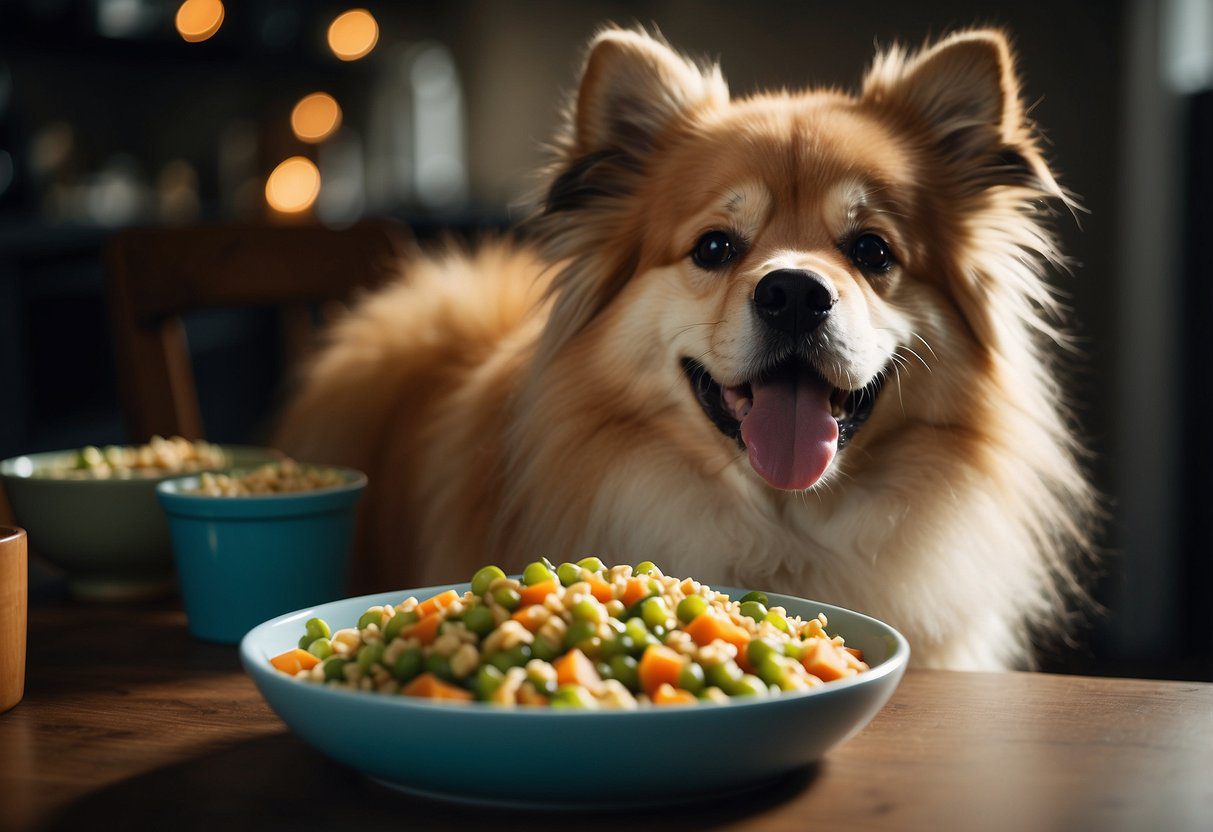
Feeding your fluffy dog the right food and preparing homemade meals can keep them healthy and happy. It’s important to select nutritious options and understand what ingredients are safe.
Choosing the Right Dog Food
Picking the right dog food is like finding the perfect jacket; it needs to fit well.
Commercial dog food can be convenient. Look for ones with healthy proteins like chicken or salmon.
Some fluffies have special needs. If yours is spayed, they may need fewer calories. For an active dog, a diet with extra protein and carbs can be good.
Remember that there are general feeding guidelines for dogs which suggest adults should eat two meals daily, adjusted for weight and activity.
Read labels carefully. Avoid dog food with fillers or artificial ingredients. Instead, choose those packed with veggies, fruits, and lean proteins. This helps ensure your fluffy’s diet is balanced and rich in nutrients.
Homemade Meal Tips
Making homemade dog food can be a fun and healthy option.
Always include a good protein source like chicken, beef, or fish. Protein is crucial for your dog’s muscles and overall health.
Add safe vegetables and fruits to their meals. Carrots, green beans, and blueberries are great. Avoid harmful foods like grapes and avocados.
Homemade food using chicken and mixed vegetables is a popular starting point — but read our note on nutritional adequacy in homemade diets before making it the main food, because unbalanced home cooking causes real problems over time.
Ensure meals are balanced. This means including carbs like brown rice or sweet potatoes.
Always provide plenty of fresh water. Treats should be healthy and given in moderation. Making homemade meals can be rewarding, and seeing your fluffy enjoy them makes the effort worthwhile.
Health and Wellness

Taking care of a fluffy dog’s health involves regular exercise, managing weight, and boosting their immune system. It’s crucial to address specific health risks and implement habits to ensure your dog stays healthy and happy.
Exercise and Obesity
Regular exercise is essential for a healthy dog. It keeps them fit and prevents obesity.
Obesity in dogs can lead to serious health problems like diabetes and heart disease.
A daily walk plus interactive games like fetch covers most dogs’ needs, adjusted for age and breed.
Short bursts of high-energy play can work wonders. It’s not only fun but crucial for their health.
If you’re busy, enlist a neighbor’s help or hire a dog walker. Regular exercise helps maintain the right activity level to avoid weight-related issues.
Common Health Risks
Fluffy dogs face common health risks such as heart disease, obesity, and diabetes.
These issues are often linked to diet and lifestyle. For example, eating too many unhealthy snacks can cause weight gain.
Weight is the single most modifiable health factor in dogs. Excess weight shortens life and worsens joint disease, and portion control does more than any supplement.
Regular vet visits help catch potential issues early.
Keep an eye out for symptoms like excessive panting or unusual tiredness.
Some fluffy breeds are also prone to joint problems, so it’s crucial to monitor their mobility and act quickly if you notice any changes.
Boosting the Immune System
A strong immune system is vital for your dog’s overall health.
Feeding them antioxidant-rich foods can help. For instance, blueberries are a great treat.
Fresh water is also crucial, as dehydration can weaken the immune system.
Any supplement is worth running past your vet first, both for whether it is needed and for interactions with existing medication.
Regular grooming keeps their skin and coat healthy, which indirectly boosts their immune system.
Don’t forget the importance of mental stimulation; interactive toys and puzzles can reduce stress, helping their immune system stay strong.
Grooming and Coat Care
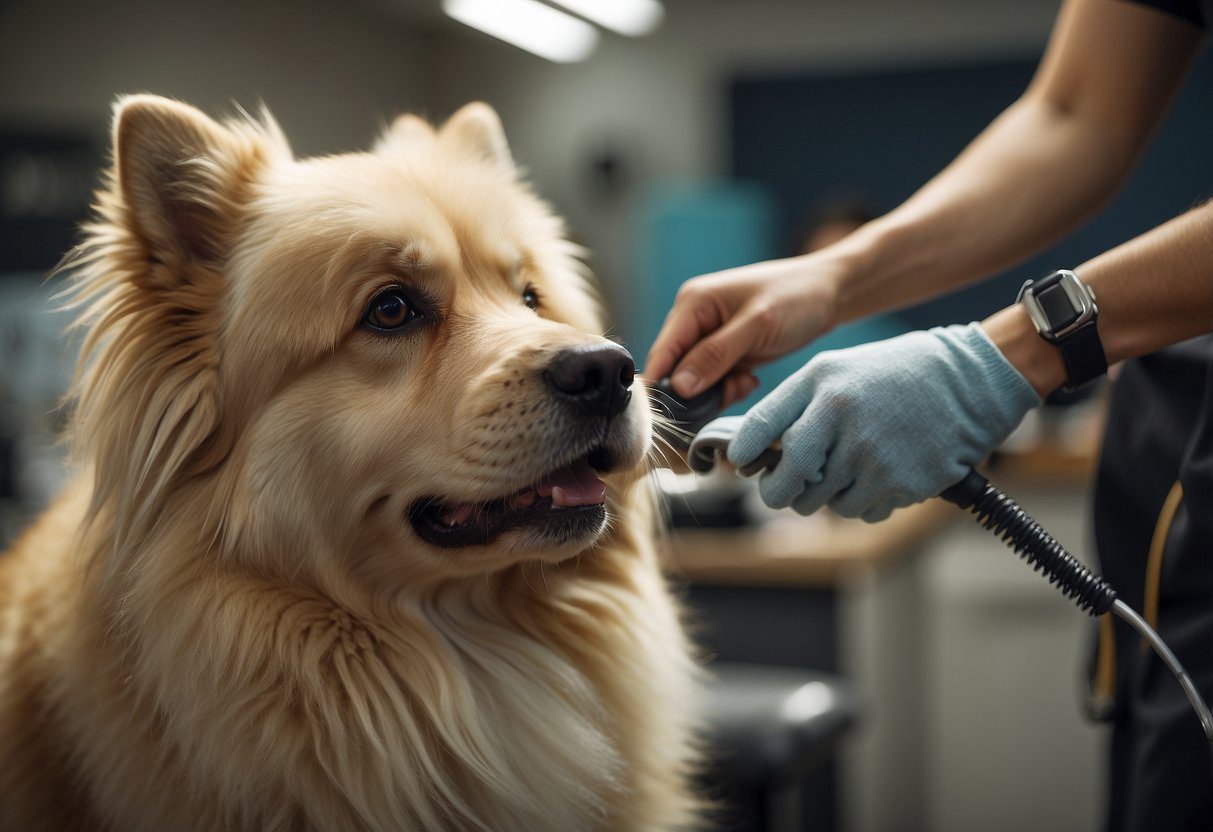
Taking care of your fluffy dog’s coat is crucial for their health. Regular grooming, proper bathing, and dealing with tangles and mats help maintain a beautiful and healthy coat.
Here are the key points to keep your fluffy dog’s coat in top shape.
The Basics of Grooming
Grooming matters for every fluffy dog, and it starts with the right tools. A pin brush and a slicker brush are the basics for managing shedding and keeping the coat smooth.
Grooming should be something a dog enjoys. Treats and praise turn it into bonding time rather than a wrestling match.
Brushing is not just about looks. It removes loose hairs and keeps the coat free from dirt, debris, and external parasites.
Daily brushing distributes natural skin oils along the hair shaft. For long, silky or curly coats it is the main thing preventing matting.
Around the ears and joints, be gentle to avoid discomfort.
Dealing With Mats and Tangles
Matted fur is genuinely painful — it pulls at the skin constantly and traps moisture underneath. A coat can go from fine to badly matted in about a week of neglect, which is why daily is the standard rather than weekly.
Never pull hard at a tangle. Separate the hairs with your fingers first, working from the ends inward. A mat tight against the skin is a job for a groomer or vet, not scissors — cutting blind against the skin is a common cause of accidental wounds.
For stubborn mats, a detangler spray helps. Spritz a little on the mat and work it out slowly with a wide-toothed comb.
Sometimes you might need a professional groomer if the matting is severe. A groomer can safely remove mats without causing pain.
Bathing Techniques
Fluffy dogs need regular baths, but overbathing strips the coat of natural oils. Roughly monthly suits most, adjusted for how dirty the dog actually gets.
Brush out tangles and mats before a bath — water turns them into tight knots that are far harder to remove.
Use a gentle dog shampoo to keep the coat clean and the skin barrier intact.
Wet the coat thoroughly, lather, and rinse completely — leftover shampoo is a common cause of itching.
Residual shampoo can cause skin irritation, so rinsing thoroughly is important.
Bathing should be calm and unhurried. Dry a double coat thoroughly to the skin — damp undercoat is how hot spots start.
Towel-dry gently afterwards and finish with a dryer on a low setting to restore the coat.
Lifestyle and Environment

Creating a healthy environment for your fluffy dog involves setting up a suitable home and providing engaging activities. This helps keep them both happy and healthy.
Home Setup for Fluffy Breeds
Fluffy dogs need cool, comfortable spaces. A heavy coat makes overheating a real risk, so the living area matters more than for a short-coated breed.
Keep air moving and fresh water available. With a small breed such as a Pomeranian, also check for gaps where a small dog could get stuck.
Soft, washable bedding is key. Fluffy dogs shed more, so having easy-to-clean materials will save you a lot of hassle.
For puppies, create gated areas to protect them from common household dangers. A well-organized home is crucial for their safety and well-being, and it helps in keeping them engaged and happy.
Environmental Enrichment
Fluffy breeds do well with plenty to occupy them. A basket of toys covering chew toys, puzzle feeders and soft toys gives you something to rotate.
Walks are essential, but different activities like fetch or agility training can keep them both physically and mentally sharp.
Regular interaction is important for these breeds to avoid loneliness. Simple games like hide and seek with treats can be very enriching.
Behaviour generally improves with adequate mental stimulation. Rotating activities rather than leaving everything out at once prevents boredom.
Insights on Supplements and Vitamins
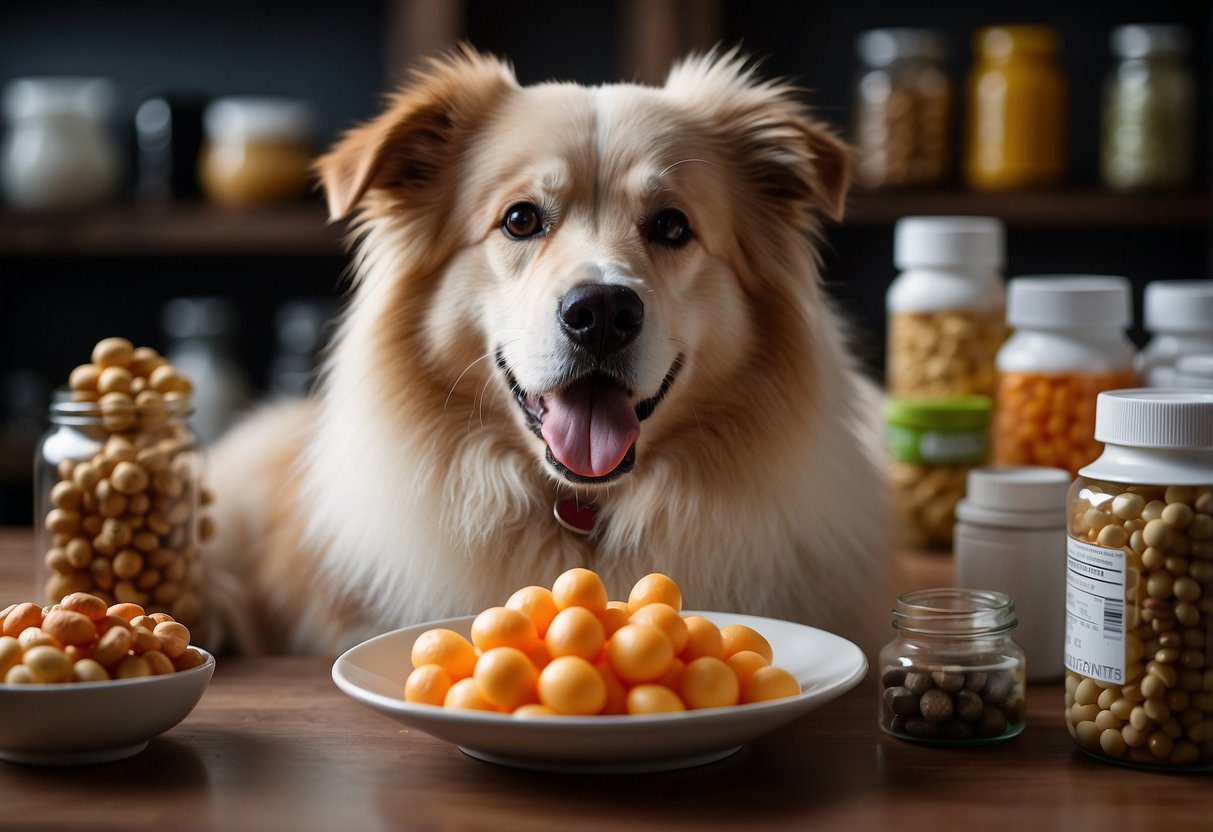
Supplements and vitamins can play a critical role in keeping your fluffy dog healthy, especially when they need extra support. Selecting the right options depends on their diet, age, and specific nutritional needs.
Let’s dive into when to consider supplements and which vitamins and minerals are essential.
When to Consider Supplements
Knowing when to add supplements to your dog’s diet can be tricky. Supplements are useful if your dog has specific health issues or dietary gaps.
For example, older dogs might need glucosamine for joint health while dogs with skin problems might benefit from omega-3 fatty acids.
Stiffness as a dog ages is worth a vet visit rather than a supplement bought on spec. Glucosamine is commonly recommended, though the evidence is mixed — and stiffness can equally be arthritis needing proper pain relief, which is a very different conversation.
Always check with your vet before starting any supplement to ensure it’s necessary and safe.
Signs that may indicate the need for supplements include a dull coat, joint issues, digestive problems, or allergy symptoms. Regular vet visits can help you determine if these signs are due to nutritional deficiencies or other health concerns.
Vital Vitamins and Minerals
Vitamins and minerals are vital for your dog’s overall health. Vitamin E is excellent for the skin, helping to prevent oxidative damage.
Omega-3 fatty acids from fish oil support skin and coat condition, with better evidence behind them than most supplements. Expect changes over a month or two, not a week.
Minerals like calcium and phosphorus are crucial for developing strong bones and teeth.
Ensuring your dog has these in the correct amounts is necessary for growth and maintenance.
Supplements such as multivitamins can help, but it’s best to get these nutrients from a balanced diet when possible.
Remember, not all supplements are created equal. Quality is key, so look for recommendations from trusted vets and pet nutritionists.
Consider products like Zesty Paws Multifunctional 8-in-1 Bites, which cover a wide range of health benefits for dogs of all ages.
FAQs

Feeding your fluffy dog right is important for their health. Let’s tackle common questions about the kind of food they need, signs of weight issues, and how to keep their meals balanced and nutritious.
What should a fluffy dog’s daily diet actually contain?
Fluffy dogs need balanced meals to stay healthy. A mix of proteins, fats, and carbs provides the necessary energy.
For example, lean meats, fish, and some grains can be good choices. Don’t forget fresh water, which is essential for keeping them hydrated and happy.
How can I tell if my dog is overweight?
If your fluffy friend is getting tired quickly, it might be time to check their weight. Difficulty breathing, less interest in play, and visible fat are signs of obesity.
Consult with your vet to create a weight management plan that includes proper diet and exercise.
Which treats are actually healthy for dogs?
Healthy treats include carrots, apples (without seeds), and lean meats.
Avoid foods like chocolate, grapes, and onions, which can be toxic. Always read the labels on any store-bought treats to ensure they don’t contain harmful ingredients.
How do I make sure my dog’s diet is nutritionally complete?
Choose high-quality dog food suited to your dog’s age, size, and breed. Look for brands that list meat as the first ingredient and avoid fillers like corn and wheat.
Consulting with your veterinarian can help tailor a diet specific to your dog’s individual needs.
Are commercial complete dog foods nutritionally balanced?
Ready-to-eat meals should have balanced nutrients. Check for proteins, healthy fats, and essential vitamins and minerals.
Some reputable brands offer well-rounded options, making it easier to ensure your pup gets their dietary needs met.
What nutrients matter most in a dog’s food?
Good dog food does more than just taste good. It supports overall health. A diet rich in variety can sustain energy levels, support the immune system, and ensure a shiny coat. It’s always wise to rotate food types to keep mealtime exciting and nutritious.