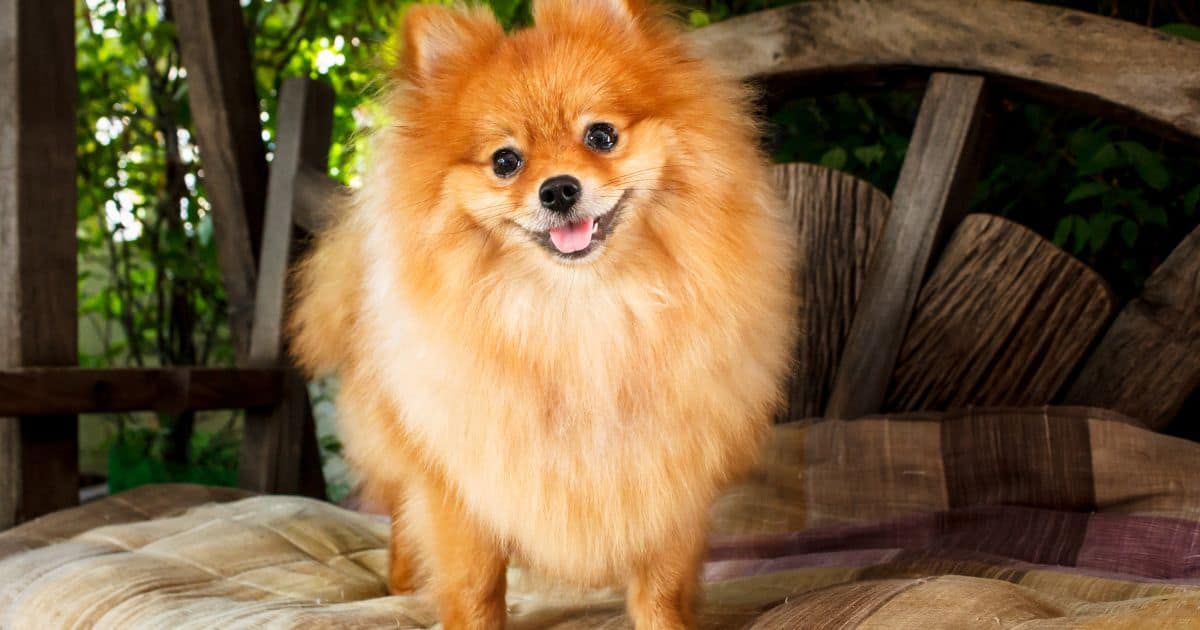
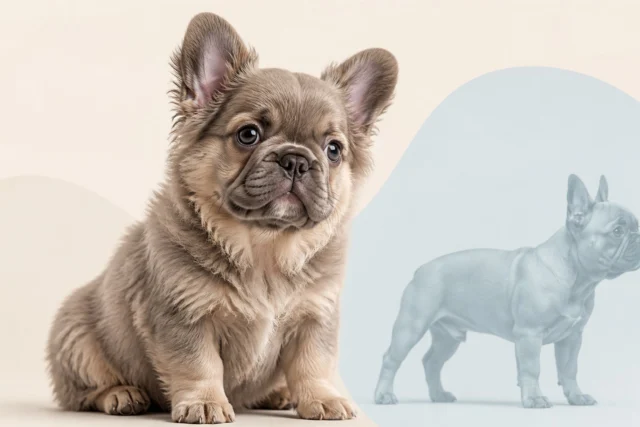
A Pomeranian mix with Yorkie, often called a Yorkie Pom or Porkie, is honestly one of the cutest small dog combos out there.
This crossbreed usually weighs 3-7 pounds. They mash up the Pomeranian’s fluffy coat with the Yorkshire Terrier’s bold personality, so you get a tiny dog with a big attitude—perfect for apartments.
Their playful energy and fierce loyalty just win people over everywhere.

What makes this mix so irresistible isn’t just their Instagram-worthy looks. These pups grab the best traits from both parents—the Pom’s friendliness and the Yorkie’s confidence.
But before you get swept up by those button eyes and teddy bear face, you should know what you’re really signing up for.
These tiny troublemakers might be the perfect addition to your family, but there are some challenges that come with their small size and big personalities.
Key Takeaways
- Pomeranian Yorkie mixes are tiny dogs (3-7 pounds) with fluffy coats and bold personalities—ideal for apartments.
- They can inherit health issues from both breeds, like luxating patella and eye problems, which are common in small dogs.
- Daily grooming and consistent training matter since they combine the Pom’s coat needs with the Yorkie’s stubborn streak.
Meet the Pomeranian Mix With Yorkie: Names, Origins, and What Makes Them Irresistible
This pomeranian mix with yorkie goes by a bunch of cute names.
They popped up thanks to the designer dog trend that’s totally taken over the hearts of pet lovers. These tiny companions mix two beloved toy breeds into one irresistible little package.
Different Names for the Mix: Yorkie Pom, Porkie, Yoranian and More
The most popular one is Yorkie Pom. It’s simple and tells you exactly what you’re getting.
Porkie is another favorite.
Yoranian sounds a bit more formal. Some breeders like this name because, well, it has a certain ring to it.
You might also see Yoranian Terrier out there, which tacks on the terrier bit from the Yorkie side.
- Yorkie Pom – Most popular and widely used
- Porkie – Short and sweet
- Yoranian – A little fancier
- Pomeranian Yorkie Mix – The full description
- Yorkshire Terrier Pomeranian – The whole breed combo
The name you pick often depends on which parent your pup looks more like. If they’ve got more Pom features, you might lean toward Yorkie Pom.
The Designer Dog Phenomenon: How and Why This Mix Was Created
Ever wonder why designer dogs blew up so much?
The yorkshire terrier and pomeranian cross showed up during the designer dog boom of the ‘90s and 2000s. Breeders wanted the best of both worlds.
Why This Mix Works So Well:
- Both parents are toy breeds and about the same size
- Pomeranians bring that fluffy coat and bold attitude
- Yorkies add silky fur and a confident streak
- Both breeds are naturally small and fit for apartments
The goal? Create a companion dog small enough for any living space. Breeders hoped for the Pomeranian’s alert guarding instincts and the Yorkie’s brave attitude all in one.
This designer breed also appeals to folks who want something a little different. Why pick just one toy breed when you can get both in a single adorable dog?
Recognition by Designer Dog Registries
Here’s the kicker — this pomeranian mix with yorkie isn’t recognized by big kennel clubs like the AKC. But designer dog registries? They’re all in.
Major Designer Dog Organizations That Recognize This Mix:
- American Canine Hybrid Club (ACHC) – Registers Yorkie Poms as official hybrids
- Designer Dogs Kennel Club (DDKC) – Keeps breeding standards for the mix
- International Designer Canine Registry (IDCR) – Offers registration papers and pedigrees
The Designer Breed Registry tracks first-generation crosses and wants proof that both parents are purebred before they’ll register your yoranian.
What Registration Means for You:
Registration doesn’t guarantee you’re getting a perfect dog, but it does give you documentation of your pup’s background. Some registries even offer basic health tracking.
Think of it like a certificate that says, “Yep, this really is a pomeranian yorkie mix.” It’s mostly for people who want some official proof of their designer dog’s heritage.
Recognition from these organizations has helped set breeding standards and given the mix more legitimacy in the designer dog world.
Appearance and Personality: Small Pup, Big Vibes
Related reading: Small & Tiny Fluffy Dog Breeds.
These yoranian puppies blend the fluffy charm of Pomeranians with the spunk of Yorkies. They weigh 3-7 pounds but act like they own the block.
Size, Colors, and Coat Types: What to Expect
We’re talking 6-10 inches tall and lighter than most housecats.
The coat? That’s where it gets interesting.
Common Color Combinations:
- Black and tan (classic Yorkie look)
- Orange and cream (Pomeranian genes shining through)
- Sable mixes
- Solid colors (rare, but wow when you see one)
Some yorkshire terrier pomeranian mixes get silky, straight hair like their Yorkie parent. Others end up with that fluffy, double-layered Pom coat that makes them look like little cotton balls.
The texture usually lands somewhere in between—not as coarse as a Pom, but fluffier than a pure Yorkie.
Grooming Reality Check:
- Daily brushing keeps mats away
- Professional grooming every 6-8 weeks
- Shedding can be all over the place—every dog’s different
Personality and Temperament: Bouncy, Loyal, and Sometimes Sassy
You know that friend who’s five feet tall but acts six-foot-five? That’s your pomeranian yorkie mix.
These toy breeds have huge personalities.
The Good Stuff:
- Super loyal — they’ll follow you everywhere
- Smart — they pick up tricks fast
- Alert watchdogs — nothing gets past them
The Challenging Parts:
- Can get yappy (especially when excited)
- Sometimes nippy if you don’t socialize them early
- Stubborn streaks that’ll test your patience
They’re small, so bad habits seem “cute” until suddenly they’re not.
The heart of a lion thing is real with these pups.
Puppy to Adult: Surprises in Looks and Traits
If you want to see magic, watch yorkie pomeranian mix puppies grow up. The changes are wild.
Puppy Stage (8-16 weeks):
- Look like fluffy teddy bears
- Colors usually darker than their adult coat
- Ears might flop (they’ll perk up later)
Adolescent Changes (4-8 months):
- Coat texture can shift a lot
- True colors start to show
- Personality quirks get obvious
Adult Surprise Factor:
That adorable black puppy might turn steel blue and tan. The quiet baby could become a chatty adult who “talks” back.
Sometimes it feels like you’ve got a whole new dog.
Adult Traits That Emerge:
- Territorial instincts kick in
- True energy level shows (spoiler: it’s usually HIGH)
- They pick a favorite person and become their shadow
The biggest surprise? These dogs often pick one favorite person and stick to them like glue.
Don’t take it personally if your yoranian chooses your spouse over you—it’s just how they are.
Living With a Pomeranian Yorkie Mix: Care, Training, and Common Challenges
Living with a Pomeranian Yorkie mix means you get a tiny companion with a big personality. These little designer dogs crave daily exercise, regular grooming, and consistent training.
They might look dainty, but don’t let size fool you. Yoranians have energy for days.
Exercise Needs and Playtime
Your Yoranian might be small, but wow, they can run circles around bigger dogs.
Daily exercise requirements:
- 20-30 minutes of activity, best split into short bursts
- Indoor play totally counts for these little guys
- Mental stimulation is just as important as physical stuff
Give your pomeranian yorkie mix some variety. One day it’s a fast walk, the next it’s fetch in the hallway or a puzzle toy challenge.
Perfect activities include:
- Puzzle toys that make them think
- Short walks (those tiny legs tire out quickly)
- Fetch with small, safe toys
- Supervised play with other small dogs
Honestly, these dogs get bored faster than you’d expect. Boredom turns into chewing, barking, or other trouble. Switch up their toys and games to keep things fresh.
Weather plays a bigger role than you’d guess. Yoranians get chilly fast and overheat easily, so indoor games are a must when it’s too hot or cold outside.
Grooming: Keeping That Fluff on Point
Ever look at a Pomeranian Yorkie mix puppy and think, “living teddy bear”? That adorable coat takes real effort.
Daily grooming routine:
- Brush them out to avoid mats
- Check their ears for gunk or moisture
- Wipe their eyes to stop tear stains
- Quick brush of the teeth (yes, even for small dogs!)
Their fluffy coat needs regular brushing. Skip it, and you’ll end up at the groomer’s for painful mat removal. Start the habit young if you can.
Professional grooming schedule:
- Full grooming every 6-8 weeks
- Nail trims every 2-3 weeks
- Dental cleanings as your vet recommends
The common health problems in toy breeds make routine grooming even more important. Brushing lets you catch any skin issues or lumps early on.
Seasonal considerations:
- Summer: Shorter cuts help them stay cool
- Winter: Keep the coat longer for warmth
- All year: Shield them from sunburn and cold snaps
Training, Socialization, and Family Life
Your pomeranian yorkie mix puppy might look like an angel, but don’t be fooled—they’ve got plenty of attitude. Early training helps you avoid a bossy little dog running your house.
House training basics:
- Take them out every two hours at first
- Puppy pads are handy for backup
- Reward them immediately when they go outside
- Stick to a routine for best results
Start socializing your Yoranian puppy right away. Without exposure to new people, sounds, and places, these pups can get nervous or snappy.
Essential socialization checklist:
- Introduce them to people of different ages and looks
- Let them hear all sorts of sounds—vacuums, doorbells, traffic
- Meet other animals (stick to small, gentle ones)
- Try different surfaces and environments
Family dynamics:
Small kids and tiny dogs need close supervision. Yoranians aren’t built for rough play—they need gentle hands.
Training challenges you’ll face:
- Lots of barking (they think they’re giant watchdogs)
- Guarding toys or food
- Separation anxiety if you leave them alone
- Stubborn attitudes during training
Keep training sessions short and positive. Yoranians learn fast but lose interest just as quickly. Five minutes is usually enough.
Health and Lifespan: Risks, Genetics, and Staying Happy

Thinking about a pomeranian mix with yorkie? These adorable pups inherit health risks from both parents. Your yorkie pomeranian mix puppy could face joint issues like patellar luxation, hip dysplasia, and some eye problems.
Common Health Concerns: Patellar Luxation, Hip Dysplasia, and More
Your Yorkie-Pom mix looks cute, but those little legs can cause big headaches.
When a kneecap slips out, your dog might suddenly lift a back leg and skip for a few steps. Hip dysplasia isn’t just for big breeds, either. Yoranians can limp or avoid jumping when their hips ache.
- Limping that comes and goes
- Skipping steps on a run
- Struggling to get up after resting
- Not wanting to play as much
Legg-Calvé-Perthes disease can strike, too. This painful hip issue usually needs surgery, but most dogs bounce back within months.
Tracheal collapse is another concern. That honking cough? It’s a sign their windpipe’s getting weak.
Eye and Dental Issues: What Owners Should Watch Out For
Those big Yorkie-Pom eyes are adorable, but they’re magnets for trouble.
Progressive retinal atrophy affects up to 4% of Yorkies. Night blindness is usually the first sign—your dog might bump into things in low light.
Dry eye can make your pup miserable. Watch for:
- Thick, sticky discharge
- Squinting or pawing at their eyes
- Red or irritated eyes
Dental problems are huge for small breeds. Their tiny mouths crowd teeth fast. Daily brushing and regular cleanings help a ton.
Sometimes, puppies are born without proper tear glands (congenital alacrima). It’s painful and, if drops don’t help, might even mean losing an eye.
Honestly, catching these early makes all the difference. Regular vet visits can spot issues before they turn into bigger problems.
How Long They Live and Tips for a Thriving Pet
Most Yorkie-Pom mixes stick around for 12-16 years. That’s a good run for a little dog.
Genetics really matter here. Find a breeder who health tests both parents—ask about hips, eyes, and hearts.
- Feed high-quality small-breed kibble
- Brush teeth every day (really!)
- Keep up with grooming
- Offer puzzle toys for mental exercise
Don’t overdo walks. Yoranians love exercise, but hot pavement can burn their paws fast.
Keep them slim. Just one extra pound on a tiny dog makes a big difference.
Make their world safe. Use ramps for furniture, avoid big-dog parks, and watch the weather.
Frequently Asked Questions

Cost, shedding, size, and where to find one top the list.
Thinking of adding a tiny furry buddy to your life? Ever wondered what the expected lifespan of a Yorkie Pomeranian mix is?
That’s pretty great for a small breed!
Both Yorkies and Pomeranians are known for long lives—Yorkies often reach 13-16 years, Poms about 12-16.
Lifespan depends on genetics and care. Responsible breeding and regular vet visits make a big difference.
Yorkshire Terriers can face health issues like luxating patella and eye problems. Keep your Yorkie Pomeranian mix at a healthy weight to protect their joints.
Let’s face it, those little furballs are adorable, but do Yoranian puppies tend to shed a lot?
Yes, Yorkie Pomeranian mixes shed moderately to heavily. Sorry, but your vacuum will get a workout!
Pomeranians shed all year, with extra during seasonal changes. Their double coat loves to float around the house.
Yorkies shed less, but you’ll still find hair here and there. Their coat feels more like human hair than fur.
Your mix might get either coat type, or something right in the middle—softer than a Yorkie, not as thick as a Pom.
Daily brushing helps a lot. Just don’t expect a low-shed dog with this mix.
Got your eye on a Yoranian pup? What’s the going rate for one of these adorable Yorkie Pomeranian mix puppies?
If you’re after a well-bred puppy, expect to pay around $1,200 to $1,800.
Several things can bump up the price:
Champion bloodlines
Health testing of parents
Breeder’s reputation
Your location
Don’t just focus on the sticker price. Vet bills, food, grooming, and supplies add up fast.
If you see a puppy that’s way cheaper than the rest, be careful. Those pups often come from puppy mills and can have health or behavioral issues.
Considering a Yorkie Pomeranian mix as your new fur baby? What’s their temperament like – are they as snuggly as they look?
Don’t let their small size fool you—they act like they’re big-time guard dogs.
Most Yorkie Pomeranian mixes really love cuddling. They’re classic lap dogs and want to be close to their humans as much as possible.
But yeah, they can be a little noisy. Both Yorkies and Poms like to bark, so you’ll probably get a chatty pup.
Early socialization helps a ton. If you skip it, they can get nippy or too protective.
These dogs bond hard with their people. If you want a devoted little companion, they’re a great pick.
You’ve seen them full-grown and they’re the cutest, but how much bigger do Yoranian puppies get when they reach adulthood?
Adult Yorkie Pomeranian mixes usually weigh 4 to 12 pounds and stand about 6 to 9 inches tall. Most end up in the 6 to 8 pound range, honestly.
Your puppy should double their 8-week weight by around 4 months. They’re typically full-grown by 12 to 18 months.
Size can depend on which parent they take after. Expect 4 to 7 pounds. They might hit 8 to 12 pounds.
If you can, check out both parents. That’s your best bet for guessing your pup’s adult size.
These dogs stay tiny forever. You’ll need to keep your place puppy-proofed for a small dog, pretty much always.
Their small size makes them awesome for apartment living. Just remember, they’re fragile and need gentle handling.
Looking for a Yoranian puppy nearby can be tough. Where’s the best place to find a Yorkie Pomeranian mix for sale in your area?
Start with reputable breeders who health test their dogs. They often sell sick puppies from rough breeding situations, and honestly, it’s just not worth the risk.
Rescue organizations are worth a look too. Lots of designer mixes end up in shelters when folks realize they can’t keep up with their needs.
If you can, always meet the puppy’s parents. Ask to see health clearances and actually visit the breeding facility—don’t just take someone’s word for it.
A good breeder will probably interview you as well. They care where their puppies end up, so expect a few questions.