Many parents wonder if bulldogs make safe companions for their families. Bulldogs are generally excellent with children due to their calm, patient temperament and natural protective instincts.
I’ve seen families thrive with these gentle giants who somehow know little humans need extra care. Bulldogs seem to just get it, don’t they?
What makes bulldogs special around kids isn’t only their laid-back personality. Research shows that bulldogs are considered good companion dogs and suitable for households with children.
Many owners praise their patient nature. These dogs usually handle the chaos of family life with surprising grace.
But here’s what most people don’t realize—success with bulldogs and kids depends heavily on proper introductions and training. You also need to understand your dog’s unique needs.
Let’s walk through how to create the safest, happiest setup for both your bulldog and your kids. Hopefully, this helps you figure out if this breed truly fits your family’s vibe.
Key Takeaways
- Bulldogs have naturally calm and patient temperaments that make them excellent family companions for children
- Early socialization and proper training are essential for building strong, safe relationships between bulldogs and kids
- Understanding a bulldog’s specific needs and limitations helps families create the best environment for both pets and children
Are Bulldogs Good With Children? The Real Story

Bulldogs are generally excellent with children thanks to their calm, patient temperament and protective instincts. They make wonderful family pets.
Typical Bulldog Temperament With Kids
I’ve watched bulldogs interact with children, and their gentle giant personality always amazes me. These dogs seem to know they need to be extra gentle around little ones.
Bulldogs have what I call the “nanny dog” instinct. They’re incredibly patient when toddlers pull their ears or try to climb on them.
Most bulldogs will just walk away if they’ve had enough, rather than snap or growl. It’s a relief for parents who worry about accidents.
Key temperament traits with children:
- Protective without aggression – They watch over kids like guardians
- High tolerance for noise and chaos – Perfect for busy households
- Calm energy levels – Won’t knock over small children during play
The breed’s history as companion dogs rather than working dogs shaped their desire to please families. They’re naturally inclined to form strong bonds with every family member, especially children.
Common Bulldog and Family Dynamics
In my experience, bulldogs quickly become the family’s unofficial babysitter. They position themselves between children and potential dangers, like stairs or busy roads.
Typical daily interactions include:
- Following kids from room to room
- Lying beside children during nap time or homework
- Acting as a “soft pillow” during TV time
- Alerting parents when children are in different areas
Bulldogs and kids often develop unbreakable bonds. I’ve seen bulldogs refuse to eat when their favorite child is away at school.
They seem to pick up on children’s emotions and offer comfort during tough moments. It’s honestly pretty heartwarming.
The breed’s low exercise needs fit well with family life. While energetic dogs might overwhelm small children, bulldogs are happy with gentle play and lots of cuddles.
Most bulldogs adjust their energy to match the household. Active families see more play, while calm families get a relaxed companion.
Potential Challenges and How to Navigate Them
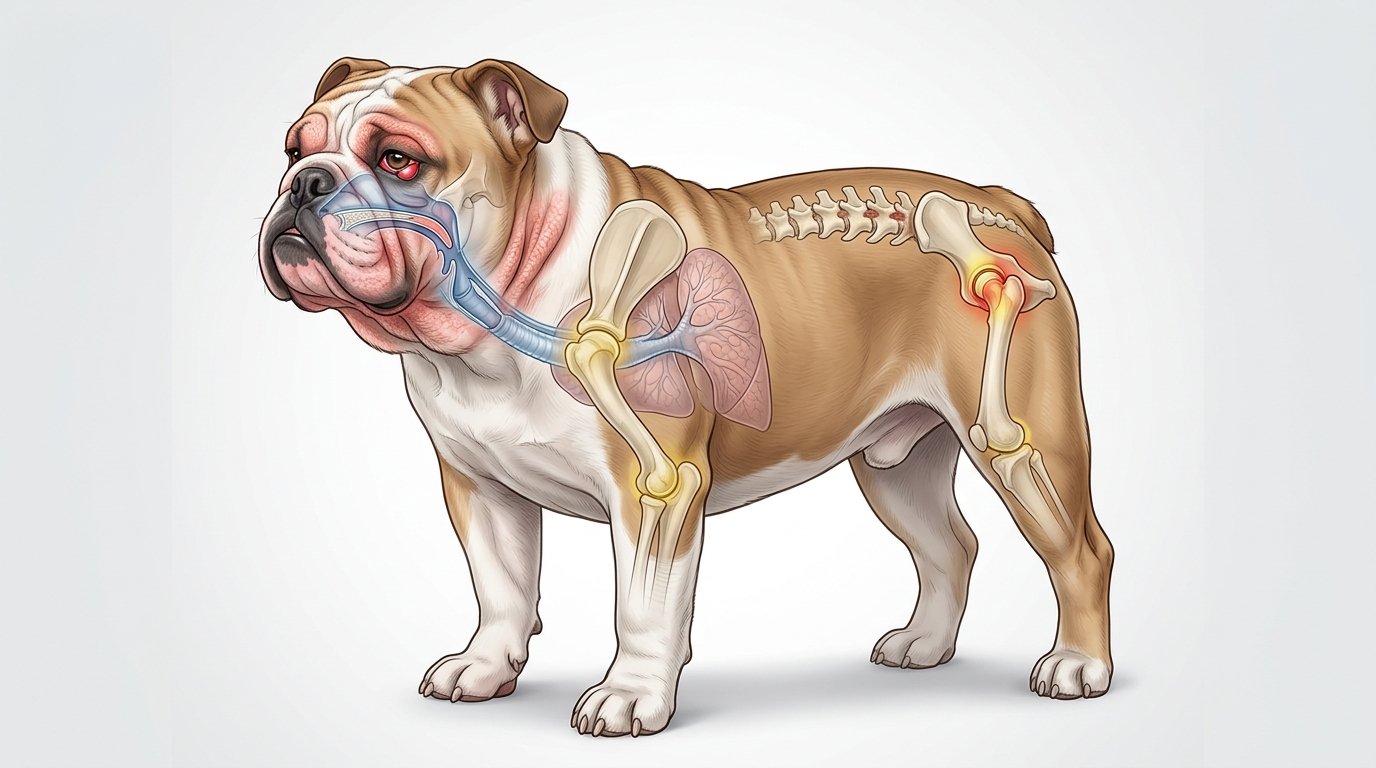
Let’s be real—bulldogs aren’t perfect family dogs without some thought. Their breathing issues mean they can overheat quickly during active play with kids.
Main challenges I’ve observed:
| Challenge | Solution |
|---|---|
| Overheating during play | Limit outdoor activities in hot weather, provide cooling mats |
| Drooling on children | Keep towels handy, teach kids it’s normal |
| Stubbornness during training | Use positive reinforcement, involve children in training |
Bulldogs sometimes get food possessive around curious toddlers. I always tell families to feed dogs in a separate area and teach kids to leave them alone during meals.
Their size can cause problems with very small children. A 50-pound bulldog doesn’t realize their own weight when they lean against a 3-year-old.
Supervised interactions help prevent accidental knockdowns. It’s just safer that way.
Health considerations matter for families. Bulldogs with chronic health issues can create stress and extra vet bills for everyone.
Teaching children proper dog handling early prevents a lot of problems. Show kids how to pet gently, avoid the dog’s face, and recognize when the dog needs space.
How Early Socialization Shapes Bulldog-Child Relationships
Early socialization during a bulldog’s first months shapes how they’ll interact with children for life. Bulldogs who meet kids early develop better tolerance and patience.
Those who miss this window often struggle with child interactions later. It’s a little like learning a second language—easier when you’re young.
Why Early Socialization Really Matters
I’ve seen bulldogs go from nervous around kids to becoming their best friends—all because of proper early exposure.
The critical socialization period happens between 3-14 weeks old. During this time, bulldogs learn what’s normal and safe in their world.
Research shows that puppies exposed to children during this window develop better emotional regulation. They’re less likely to react with fear, like snapping or hiding.
Without early socialization, bulldogs often:
- React poorly to sudden movements kids make
- Get overwhelmed by children’s high energy
- Show defensive behaviors around small humans
Think of it like learning a language. Bulldogs who “speak kid” from puppyhood handle everything from toy-throwing to excited squealing much better.
I always tell new bulldog parents: every positive interaction counts. Even brief, supervised meetings with calm children build confidence.
The payoff is huge. Well-socialized bulldogs become those gentle giants who let toddlers use them as pillows and patiently endure dress-up games.
Tips for Introducing Bulldogs to Children
Start small and keep it positive—that’s my golden rule for bulldog-child introductions.
Begin with calm, older children (ages 8+) before introducing younger kids. They follow instructions better and move less erratically.
Here’s my step-by-step approach:
- Keep initial meetings short – 5-10 minutes max
- Stay on the puppy’s level – have kids sit on the floor
- Bring high-value treats – let children offer them
- Control the environment – quiet space, minimal distractions
Let the bulldog approach first. Never force interactions or push a hesitant puppy toward children.
I like using the “treat and retreat” method. Kids toss treats near the puppy, then step back. This builds positive associations without pressure.
Watch your bulldog’s body language closely. Relaxed ears and a wiggly body mean you’re on the right track.
Gradually increase exposure time and energy levels. Start with quiet activities like gentle petting, then work up to more active play.
Make every interaction end on a high note. Stop while the bulldog still seems happy and engaged.
Red Flags: What to Watch for in Early Interactions
Not all bulldog-child interactions go smoothly. I’ve learned to spot trouble signs early.
Immediate red flags include:
- Freezing or going rigid when children approach
- Lip licking or yawning excessively during interactions
- Trying to hide behind you or under furniture
- Growling or showing teeth – even small warnings matter
Pay attention to subtle stress signals too. Heavy panting when it’s not hot or whale eyes (showing whites) tell you the bulldog feels overwhelmed.
Children’s behavior matters just as much. Watch for kids who ignore boundaries, grab at the puppy, or get too loud and excitable.
I always intervene when children:
- Chase the bulldog when it walks away
- Try to pick up or restrain the puppy
- Tease with toys or food
Recovery time is crucial. If your bulldog shows stress signals, give them space immediately. Pushing through rarely helps.
Some bulldogs need slower introductions than others. Don’t rush the process if your pup seems especially sensitive.
Trust your instincts. If something feels off during early interactions, take a step back and talk to a professional trainer who understands bulldogs and children.
Parenting Tips for Safer, Happier Bulldog-Kid Bonds
Creating strong boundaries and teaching proper interaction really helps bulldogs and kids form lasting friendships. Supervision, clear rules, and showing children how to respect their four-legged family member make all the difference.
Setting Boundaries for Kids and Dogs
I’ve found that clear boundaries matter a ton when you bring bulldogs and kids together. You need designated spaces where both can retreat for alone time.
Set up a quiet corner for your bulldog with their bed and toys. This becomes their safe zone, and kids learn not to bother them there.
Teach children that when the dog heads to this spot, playtime is over. Simple rules work best for everyone:
- No pulling ears, tail, or fur
- No disturbing the dog while eating
- No climbing on or riding the dog
- Gentle voices only around pets
Family pets respond better when household rules stay consistent. I make sure every adult enforces the same boundaries—otherwise, the dog gets mixed signals.
Post a chart with pictures showing “yes” and “no” behaviors. Kids pick things up faster when they can see what’s expected.
Safe Play and Supervision Strategies
Never leave young children alone with any dog, even a gentle bulldog. I always put myself where I can watch both the child and the dog’s body language.
Watch for warning signs that your bulldog needs a break:
- Heavy panting when it’s not hot
- Trying to move away from the child
- Stiff body posture
- Yawning over and over
Structured activities work best for supervised play. Try gentle brushing sessions—kids help groom the dog, and it keeps things calm.
I switch up toys to avoid resource guarding. If the dog has a special chew toy, that’s solo time, not sharing time.
Offer separate toys for interactive play between bulldogs and kids. Set time limits for play sessions—honestly, even patient bulldogs can get overwhelmed after 15-20 minutes with energetic kids.
Teaching Kids Kindness and Respect
Children need to learn that bulldogs have feelings just like people. I tell them dogs can’t talk, so we have to watch their body language to figure out what they need.
Start with proper petting techniques. Show kids how to stroke gently from head to tail, and avoid sensitive areas like paws and belly until the dog trusts them.
Practice “asking permission” before approaching the dog. Even though the bulldog can’t answer, this habit helps kids pause and check the situation first.
Are bulldogs good with children? In my experience, yes—but it really depends on how well kids learn to interact with respect.
I like to role-play different scenarios with children so they can practice what to do. Reward positive interactions right away—when I catch gentle behavior, I praise both the child and the dog.
This builds good habits and positive associations. Teach kids to spot when their bulldog is happy—look for tail wagging, relaxed ears, and playful behavior.
Once children understand these signals, they become much better companions for their pets.
Is a Bulldog The Right Family Pet For You?

Choosing a bulldog as your family dog depends on understanding their gentle nature with kids—and honestly, weighing the practical challenges of owning this breed. Let me walk you through the real pros and cons, plus questions I think every family should ask before bringing home a bulldog.
Pros and Cons of Raising Bulldogs With Kids
The Good News About Bulldogs and Children
Research shows that bulldogs are good with children and enjoy family walks. I’ve seen their calm temperament make them natural companions for kids.
Bulldogs are pretty mellow dogs, even more so than many other breeds. They rarely show aggression toward children and often become protective family members.
The Reality Check
Bullldogs face serious health challenges that affect daily life with kids. Here’s what I wish more families knew upfront.
Health Issues to Consider:
- Breathing problems that limit playtime
- Overheating in warm weather
- High vet bills throughout their lives
- Shorter lifespan than many breeds
Cost Factor: Studies mention that bulldogs are expensive to buy and this attracts the wrong people. Some families really struggle with ongoing medical expenses.
Household Readiness Questions to Ask Yourself
Can I Handle the Medical Needs?
Be honest: Are you ready for multiple vet visits? Bulldogs need more medical care than most breeds.
Do I have emergency savings for health issues? Breathing problems and joint issues aren’t rare—they’re expected.
Is My Home Bulldog-Safe?
Temperature control matters more for bulldogs than for other dogs. Can you keep your home cool all year?
Stairs can be tough for bulldogs. Do you have a single-level living space or ramps?
Family Energy Match
Think about your kids’ activity levels. Are they looking for a hiking buddy, or do they want a gentle companion?
Bulldogs can’t keep up with high-energy kids who want to run and play for hours.
Time Commitment Reality
Expect daily face cleaning, regular grooming, and careful exercise monitoring. Are you up for this hands-on care?
Family Stories: Real Bulldog-Kid Experiences
The Perfect Match Stories
One owner described their bulldog as “the perfect loving dog” who was “very good with the children and loves” family time.
Many families love how bulldogs perform tricks to entertain children and guests. They often become the center of family gatherings.
The Challenging Reality
Some families discover that after the child tires of the dog, they face ongoing responsibilities they didn’t expect.
What Families Wish They’d Known:
- Summer activities become limited
- Vet bills can strain budgets
- Exercise needs careful monitoring
- Grooming requires daily attention
The Sweet Spot Families
I’ve noticed the happiest bulldog families have a few things in common. They keep realistic expectations about activity levels and medical needs.
These families often have younger children who like quieter play. They’re ready for the financial commitment and see their bulldog as a true family member, not just a pet.
Frequently Asked Questions
Parents worry about how bulldogs interact with their kids, and I get it—you want to know if your flat-faced friend will be patient, gentle, and safe around your little ones. Most bulldogs are considered good with children, but let me break down the real questions I hear from parents.
You’ve got a tot toddling around and a bulldog giving the side-eye, so how do they really get along?
u003cstrongu003eBulldogs typically get along great with toddlers once they’re properly introduced.u003c/strongu003e I’ve seen this breed show remarkable patience with wobbly little humans who grab ears and pull tails.u003cbru003eThe key is supervision during those first interactions. Your bulldog might look confused by your toddler’s unpredictable moves at first, but they usually figure it out.u003cbru003eWhat I love about bulldogs is their calmness. They’re more likely to walk away than snap when overwhelmed.
Let’s be real, first-time dog parents are curious; can bulldogs chip in on the childcare?
u003cstrongu003eDon’t expect your bulldog to change diapers, but they do make excellent child companions.u003c/strongu003e Research shows that u003ca href=u0022https://journals.plos.org/plosone/article?id=10.1371/journal.pone.0219918u0022u003eowners choose brachycephalic breeds partly because they’re perceived as good with childrenu003c/au003e.u003cbru003eI’ve watched bulldogs become gentle guardians who follow kids from room to room. They’re not high-energy babysitters, but they’re steady, reliable presences.u003cbru003eYour bulldog won’t teach your kid to walk, but they’ll be there for cuddles when naptime rolls around. That’s worth something, right?
What’s the scoop on bulldogs and their patience? You’ve seen them with your nephews, right?
u003cstrongu003eBulldogs have impressive patience levels, especially compared to energetic breeds.u003c/strongu003e Their low-key nature means they don’t get easily frustrated by children’s antics.u003cbru003eI’ve noticed they have this amazing ability to just… wait. Kid climbing on them? They’ll sit still. Toddler using them as a pillow? No problem.u003cbru003eOf course, every dog has limits. Watch for signs like panting, getting up to leave, or turning their head away—these are your bulldog’s polite ways of saying u0022I need a break.u0022
Ever wonder if that bulldog might mistake your toddler’s hug for a wrestling match?
u003cstrongu003eBulldogs are surprisingly good at reading the difference between play and affection.u003c/strongu003e Their u003ca href=u0022https://www.dogfluffy.com/gentle-giant-dog-breedsu0022u003egentle natureu003c/au003e means they’re less likely to misinterpret a child’s hug as roughhousing.u003cbru003eI’ve seen bulldogs go completely still when a child wraps their arms around them. It’s like they instinctively know this is love time, not play time.u003cbru003eThis breed’s natural tolerance for physical contact works in their favor here. They’re used to being handled and touched more than many other breeds.
Imagine a playdate but with fur and four legs; do bulldogs play nice in the sandbox with your kids?
u003cstrongu003eBulldogs make excellent playmates, though they lean toward gentle games instead of high-energy chaos.u003c/strongu003e They can’t run around for hours because of their breathing issues, but they’re perfect for quieter play.u003cbru003eThink tea parties, not wild chase games. Your bulldog will sit through dress-up sessions or listen patiently to your child’s stories.u003cbru003eI love watching bulldogs during kids’ outdoor play. They’ll supervise from the shade and sometimes wander over to check on everyone.u003cbru003eThey’re basically the cool uncle of the dog world, honestly.
You’ve seen those sweet bulldog videos, but the real question is, do they keep that chill vibe around loud little humans?
u003cstrongu003eMost bulldogs keep their u003ca href=u0022https://www.dogfluffy.com/dog-house-for-bulldog/u0022u003ecalm demeanoru003c/au003e even when kids get noisy.u003c/strongu003e Their laid-back personality doesn’t usually crack, even with a bunch of excited children running around.u003cbru003eI’ve noticed they’ll sometimes wander off to a quieter spot if things get way too chaotic. But honestly, they almost never show stress or aggression. Smart dogs, really.u003cbru003eBullies seem to handle commotion better than a lot of other breeds. While some dogs might get anxious during birthday parties or wild playdates, bulldogs often just plop down somewhere comfy and watch the madness unfold.