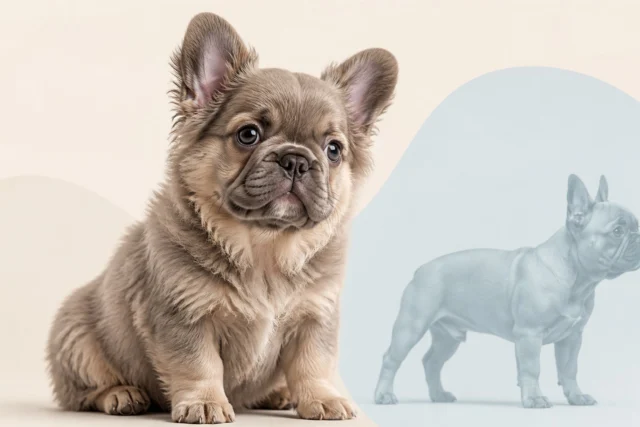
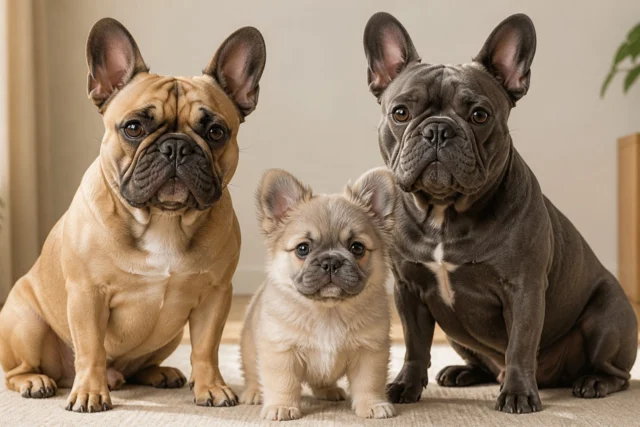
Fluffy dog breeds bring a special kind of joy and warmth to family life. If you’re searching for a furry companion that’s gentle with kids, easy to love, and soft enough to hug all day, you’re in the right place.
The best fluffy dog breeds for families include Golden Retrievers, Bernese Mountain Dogs, Samoyeds, and Collies. They’re known for friendly natures, patience with children, and loyal personalities.

There is something magical about watching a fluffy pup bond with a family.
These breeds aren’t just adorable—they’re good with children and fit right into home life. But not every fluffy breed is the same.
Choosing the right dog breed means thinking about your family’s lifestyle, activity level, and space.
You’re about to learn which fluffy breeds make the best family dogs — the top fluffy breeds that families adore, and how to welcome one into your home with confidence.
Key Takeaways
- Golden Retrievers, Bernese Mountain Dogs, Samoyeds, and Collies are top fluffy breeds for families and children.
- Choosing a fluffy dog means considering grooming needs, activity levels, and how the breed fits your family’s routine.
- Living with a fluffy dog requires regular brushing, proper training, and a welcoming space for your new furry family member.
Why Families Love Fluffy Dog Breeds
Fluffy dog breeds offer families more than just adorable looks. They bring emotional comfort and adapt to different household rhythms.
These soft-coated companions become trusted family members. They provide both active play and cozy cuddle time.
Emotional Benefits of Fluffy Dogs
Families tend to light up around fluffy dogs. There’s something about burying your fingers in that soft coat that just melts stress away.
Fluffy dogs create natural stress relief. Studies show that petting a dog lowers cortisol levels in both adults and kids.
The extra-soft fur of breeds like Golden Retrievers and Samoyeds makes this tactile experience even more comforting. Kids especially benefit from growing up with a fluffy companion.
They learn responsibility through grooming routines and develop empathy by caring for another living being. Shy children in particular often grow more confident with a loyal, fluffy friend by their side.
Here’s what families gain emotionally:
- Reduced anxiety during stressful times
- Built-in cuddle therapy after tough days
- Stronger family bonds through shared pet care
- Teaching moments about kindness and responsibility
Popular fluffy dog breeds often have gentle temperaments that match their soft appearance. This mix of physical comfort and emotional support is a big reason why families choose certain dog breeds that fit their emotional needs.
Fluffy Dogs as Family Companions
A fluffy companion really becomes part of your family story. A Bernese Mountain Dog that turns up at every backyard barbecue and birthday party stops being invited and starts being expected.
Fluffy dogs for families work because they’re naturally social. Breeds like Collies, Newfoundlands, and Keeshonds were developed to work alongside people.
They want to be where you are—whether that’s the living room or the backyard. These dogs usually show patience with children.
Their thick coats handle gentle tugging better than short-haired breeds, though you should always teach kids proper pet handling. Many fluffy breeds also have calm demeanors that make them excellent family dogs who love children.
What makes fluffy breeds ideal family members:
- Size variety – From Pomeranians to Great Pyrenees, there are options for any living space.
- Loyal nature – They bond deeply with all family members, not just one person.
- Protective instincts – Many fluffy breeds naturally watch over children.
- Social flexibility – They generally welcome guests and adapt to family gatherings.
How Fluffy Breeds Fit Active and Relaxed Lifestyles
Your lifestyle matters when choosing a fluffy dog breed. Not all fluffy dogs need the same activity level.
Active families love breeds like Australian Shepherds and Border Collies. These fluffy dogs thrive on hiking, running, and outdoor adventures.
Their coats protect them in various weather conditions, making them perfect trail companions. But here’s what surprises people—many fluffy breeds are perfectly content with moderate exercise.
Shih Tzus, Bichon Frises, and Havanese are happy with daily walks and indoor play. They’ll match your energy whether you’re having a movie marathon or a park day.
Matching fluffy dog breeds to your lifestyle:
| Your Family Style | Best Fluffy Matches | Exercise Needs |
|---|---|---|
| Highly active | Aussie Shepherds, Samoyeds | 60+ minutes daily |
| Moderately active | Golden Retrievers, Collies | 45-60 minutes daily |
| Relaxed/Indoor-focused | Bichons, Pomeranians | 30 minutes daily |
The grooming commitment stays pretty steady across activity levels. All fluffy dogs need regular brushing to prevent matting—usually 3-4 times weekly at minimum.
The best thing about these dogs is how adaptable they are. A well-exercised fluffy breed will happily curl up on the couch after playtime.
They read your family’s mood and adjust accordingly. It’s honestly why they fit so naturally into different household rhythms.
Choosing the Right Fluffy Dog for Your Family
Picking the best fluffy dog breeds means thinking about your family’s daily life, living space, and how much time you can give to grooming and exercise. Plenty of families fall in love with a fluffy pup’s adorable face, only to realize later they weren’t prepared for the care that coat requires.
Matching Temperament with Family Dynamics
If you’ve got young kids running around, you need a fluffy breed that’s patient and gentle. The Bichon Frise is one of the best picks for families, because these dogs are naturally playful without being too rough.
They love being part of family activities and rarely show aggression. Got teenagers who want a jogging buddy? A Samoyed might be your match.
If your household is quieter with older adults, consider the Coton de Tulear. These dogs are calm, affectionate, and happy to lounge on the couch with you.
Poodles (Standard, Miniature, or Toy) adapt well to different family types. They’re smart and eager to please, which makes them great for first-time dog owners.
The Havanese is another winner for families because they’re social, gentle with kids, and don’t have that stubborn streak some breeds carry. Think about your family’s energy too.
Are you homebodies or always on the go? The fluffiest dog breeds need families who match their social needs. Some fluffy pups get anxious when left alone too long.
Size Considerations: Small, Medium, or Large?
Your living space matters more than most folks realize — a big fluffy breed squeezed into a tiny apartment is a common and avoidable mistake.
Small fluffy options (10-15 pounds):
- Maltese — perfect for apartments, minimal shedding
- Bichon Frise — compact but sturdy for gentle play
- Havanese — adaptable to small spaces
Medium fluffy breeds (20-40 pounds):
- Coton de Tulear — fits well in townhomes
- Miniature Poodle — smart and apartment-friendly
Large fluffy dogs (50+ pounds):
- Samoyed — needs a yard and lots of space
- Old English Sheepdog — requires room to move
Large fluffy breeds look like living teddy bears. They really need space to stretch out.
Trying to keep a Samoyed in a studio? That’s just asking for headaches for both you and your dog.
Small breeds work better if you travel a lot or have trouble lifting. They’re easier to bathe, carry, and get to the vet.
Assessing Energy Levels and Exercise Needs
Let’s be honest—some fluffy dogs will run you ragged, while others are content with a quick stroll. The wrong match here is a leading cause of rehoming.
Samoyeds and Old English Sheepdogs have endless energy. They need at least an hour of exercise every day, sometimes more.
If you’re not an active person, you’ll end up with a bored, mischievous dog. That’s not fun for anyone.
Lower energy fluffy breeds:
- Maltese (20-30 minutes daily)
- Havanese (30 minutes daily)
- Bichon Frise (30-40 minutes daily)
Moderate to high energy:
- Poodle (45-60 minutes, varies by size)
- Coton de Tulear (30-45 minutes)
Mental stimulation matters too. Poodles, for example, are whip-smart and crave puzzles and training games.
If you only tire out their bodies but not their minds, they’ll still find ways to keep themselves busy—and not always in ways you’ll love.
Watch how a breed plays. Some fluffy dogs are happy playing fetch indoors, while others need room to run off-leash.
Allergy-Friendly and Hypoallergenic Fluffy Dogs
No dog is truly 100% hypoallergenic, but some fluffy breeds shed fewer allergens. Families with allergies should always meet the breed before deciding.
Best hypoallergenic fluffy options:
- Poodle — produces minimal dander, doesn’t shed much
- Bichon Frise — low-shedding coat traps dander
- Maltese — single-coat breed with less allergen spread
- Coton de Tulear — hair instead of fur reduces reactions
These breeds have hair that grows continuously, not fur that sheds with the seasons. Regular grooming every couple of months is a must.
Dog saliva and dander cause most allergic reactions, not the fur. Bathing your dog every few weeks helps keep allergens down.
A practical test: spend at least 30 minutes in a closed room with the dog. If you’re not sneezing or itching, you might be in the clear.
Keep your fluffy dog out of bedrooms and get a good air purifier. Little things like this can make a big difference for allergy sufferers who still want a fuzzy friend.
Top Fluffy Dog Breeds Families Adore
From tiny lap dogs with cloud-like coats to giant gentle protectors, fluffy breeds bring warmth and joy to family life. Families fall for Pomeranians that fit in a tote and Newfoundlands that sprawl across the couch—each one has its own unique charm.
Small-Sized Fluffy Favorites
Bichon Frise tops the list for families who want a compact bundle of joy. This breed rarely sheds and absolutely loves being the center of attention.
Bichons tend to win over even the most skeptical kids with their playful antics and cotton-ball looks.
The Pomeranian crams a huge personality into a tiny body. These little fluffballs weigh just a few pounds but act like they run the place.
They’re loyal and surprisingly alert for their size.
Shih Tzu dogs were actually bred to be companions, and wow, do they deliver. Their flowing coats take some upkeep, but their gentle nature with kids makes it all worthwhile.
Worth knowing: these dogs crave human company.
Don’t ignore the Coton de Tulear—Madagascar’s little clown. This breed’s goofy side keeps families laughing, and they’re pretty adaptable to different homes.
The Bolognese is similar but a bit calmer, perfect for anyone wanting a devoted lap dog.
Japanese Spitz dogs bring bright white fluff and a bit of independence. They’re great family pets and form strong bonds with their people.
Medium Marvels for Family Life
The American Eskimo Dog comes in three sizes, but the medium one hits the sweet spot for most families. These smart pups love learning tricks and showing off.
Their white double coat looks amazing but definitely needs regular brushing.
Keeshond dogs are known for those “spectacles”—dark fur around their eyes that makes them look so expressive. They’re super social and hate being alone, so they fit best in homes where someone’s usually around.
Shetland Sheepdogs bring herding instincts and loyalty in a smaller package. Shelties will gently “herd” little kids away from trouble—it’s kind of adorable.
Their long coat takes work, but that classic collie look is hard to beat.
Standard Poodles prove brains and beauty can go together. They’re athletic, need both mental and physical exercise, and their hypoallergenic coats are a big win for families with allergies.
The Border Collie isn’t for everyone. These dogs need jobs or tons of activity, but for outdoorsy families, they’re unmatched companions.
The Bearded Collie brings similar energy with a goofier personality.
Barbet and Irish Water Spaniel breeds have water-loving personalities, perfect if you live near a lake or beach.
Gentle Giants: Large, Lovable Fluffy Breeds
Golden Retrievers are the classic family dog for a reason. It is hard to find one that doesn’t greet a visitor with pure joy.
Their patience with kids and eagerness to please make training feel almost effortless.
Bernese Mountain Dogs have stunning tri-color coats and calm, affectionate personalities. These Swiss farm dogs can weigh over 100 pounds but still try to sit in your lap.
They’re especially gentle with kids, though their shorter lifespan (7-10 years) is something families should weigh.
The Samoyed’s famous “smile” matches their happy personality. Originally bred to herd reindeer, these white fluffballs love cold weather and family activities.
That gorgeous coat sheds like crazy—owners call it “Samoyed glitter” because it gets into everything.
Old English Sheepdogs waddle in with their shaggy charm and playful spirit. They need lots of grooming and space, but their loyalty is second to none.
Newfoundlands are the definition of gentle giants. These sweethearts can weigh 150 pounds but move so carefully around little kids.
They’re natural swimmers and have rescued people from water—those protective instincts run deep.
The Great Pyrenees guards livestock by day and loves family time by night. They’re independent thinkers, so training can take patience, but their calm energy brings peace to a home.
Alaskan Malamutes and Siberian Huskies have that wolf-like beauty and love being with families. Both breeds need lots of exercise and clear boundaries.
Huskies are more energetic, while Malamutes have a quieter dignity.
Tibetan Mastiffs are for families who want a true guardian. These massive dogs bond deeply but stay aloof with strangers.
The Chow Chow brings similar protectiveness in a smaller package, but their independence means they’re not for first-timers.
Akitas and Leonbergers round out the gentle giant group—Akitas are loyal and reserved, Leonbergers look like lions but act like gentle souls.
Living with a Fluffy Dog: What to Expect
Bringing a fluffy dog home means getting ready for regular grooming sessions and dealing with fur everywhere. You’ll also need to learn how to train breeds that often have strong personalities.
Setting routines early and knowing what you’re up against makes all the difference with these lovable, high-maintenance companions.
Grooming Routines and Tips
Daily brushing is just part of life with a fluffy dog. Budget 10-15 minutes each day with a slicker brush to keep mats and tangles away.
Some breeds really need extra care. Working breeds like Old English Sheepdogs or Bernese Mountain Dogs have thick double coats that mat up fast without regular attention.
Here’s what a workable weekly routine looks like:
- Daily: Quick brush-through with a slicker brush
- Weekly brushing: 30-45 minutes using a few different tools
- Check paws, ears, and belly for sneaky mats
- Trim hair between paw pads
Professional grooming every 6-8 weeks keeps a fluffy dog looking sharp. Groomers handle the tricky work like sanitary trims and nail grinding, which is genuinely hard to do well at home.
The cost can sting a bit. Professional sessions usually run between $60-$120, depending on your dog’s size and coat.
Buy good tools early: a slicker brush, metal comb, and undercoat rake. Those three cover almost all at-home grooming between professional visits.
Dealing with Shedding and Allergies
To be blunt—fluffy dogs shed all the time, and some seasons are just wild.
During spring and fall, expect to vacuum every other day once a dog starts blowing coat. Fur tumbleweeds show up within hours, no matter how much you clean.
Managing shedding:
- Use a solid vacuum with pet attachments
- Wash dog bedding weekly in hot water
- Keep lint rollers handy in every room
- Brush outside if you can
Allergies can be a real struggle with fluffy breeds. All that fur traps dander, and it ends up everywhere.
HEPA air purifiers in the main rooms help catch floating dander before it settles on the couch.
Bathing every 4-6 weeks cuts down on allergens, but washing too often dries out the coat — flaky, irritated skin is the usual result.
Some folks with mild allergies manage fine if they stick to a cleaning routine. But if your allergies are severe, you might want to look at lower-shedding breeds instead.
Training Fluffy Breeds for Households
Fluffy dogs often come from working breeds, so they’re smart and need things to do. Start training the first day the puppy comes home.
These dogs love positive reinforcement. Treats, praise, and play work far better than corrections.
Key training priorities:
- “Off” command — stops jumping with muddy paws
- “Stay” during grooming — makes brushing easier
- Recall training — important when fur covers their eyes
- Crate training — gives them a safe spot during grooming
Train for 10-15 minutes, twice a day. Short, focused sessions beat long, boring ones every time.
Socialization is huge. Take a fluffy dog to new places, meet different people, and try new situations early on. That is what prevents them turning into overprotective “fluffy guard dogs.”
Consistency is key. If everyone in your house uses the same commands and rules, your smart dog won’t find loopholes—well, not as many, anyway.
Tips For Welcoming a Fluffy Dog Into Your Family

Bringing home a fluffy dog means you get all the cuddles—and all the fur. It really comes down to prepping your space, building trust with the right activities, and not falling into the traps that trip up new fluffy dog parents.
Preparing Your Home for Fluffy Dog Hair
Let’s be honest—fluffy dogs shed. A lot.
Before your new friend arrives, get a vacuum made for pet hair. Look for one with HEPA filters and strong suction. You’ll use it all the time, so don’t cheap out here.
Set up fur-free zones in your house. A bedroom and one living room chair kept off-limits is usually enough to give you a break from fur cleanup.
Here’s a must-have list for day one:
- Lint rollers (seriously, buy a bunch)
- Washable furniture covers
- Slicker brush and metal comb
- Pet-safe floor cleaner
- Grooming table or non-slip mat
Put waterproof mats under food and water bowls. Fluffy dogs drag water and kibble into their coats, so this keeps the mess contained.
Set up a grooming station by the door. Keep a towel, brush, and paw wiper near the back door. A quick brush before the dog comes inside cuts tracked-in fur by half, at least.
Bonding Activities and Socialization
The first few weeks set the tone for your whole relationship.
Start every morning with a 10-minute grooming session. It’s not just about the coat—it’s time spent building trust and getting a dog used to handling. Check ears, paws, and skin while giving treats and gentle praise.
Let your dog meet new people slowly. When welcoming your new dog to your family, let them approach on their terms. Visitors toss treats from a distance before trying to pet the dog.
Try these bonding activities:
- Hide-and-seek with treats around the house
- Puzzle toys that drop kibble
- Short training sessions (5 minutes, 3 times a day)
- Chill petting time while you watch TV
Socialization isn’t just meeting other dogs. Let a fluffy pup explore different surfaces, sounds, and places: walk on grass, gravel, and pavement, and play recordings of thunderstorms at low volume.
Puppy classes are great, even for older dogs. The structure teaches good play and helps build confidence around strangers.
Common Mistakes to Avoid with Fluffy Breeds
Most new owners make every mistake possible with a first fluffy dog. Here’s what is worth knowing sooner.
Don’t skip daily brushing. Twice a week sounds fine until a groomer has to shave out the mats. Fluffy coats tangle fast, especially behind the ears and under the legs. Five minutes a day saves hours of painful dematting later.
Over-bathing dries out their coat, and a double coat can go brittle after too many baths. Only bathe when they’re truly dirty—usually every 6-8 weeks for most fluffy breeds.
Never use human scissors on their fur. It is an easy way to cut skin while trying to remove a mat. Get proper grooming shears or let the pros handle it.
Here’s what catches most new owners:
- Thinking brushing the top layer is enough (you have to brush down to the skin)
- Using the wrong brush for their coat
- Skipping nail trims because you can’t see the nails under all that fur
- Feeding cheap food that makes shedding worse
Don’t assume fluffy means lazy. A Keeshond needs around 45 minutes of activity every day, or boredom turns destructive. Mental exercise matters just as much as physical.
Try not to compare your dog to others. Every fluffy dog has their own quirks and pace.
Frequently Asked Questions

Picking the right fluffy dog breed means thinking about size, space, budget, and personality. Some medium-sized breeds thrive in busy homes, while little fluffballs do great in apartments, and gentle giants offer bear-like hugs if you’ve got the room.
Which medium-sized fluffy dogs fit the hustle and bustle of a lively household?
If your home is always buzzing, you’ll want a medium-sized fluffy breed that can keep up. Australian Shepherds are the standout pick—they’re smart, energetic, and love a little chaos.
Keeshonds are another solid choice. They’re playful but not overwhelming, and they love being part of the action.
Border Collies bring a ton of energy and brains. They handle everything from toddler games to backyard agility without missing a beat.
Cocker Spaniels have that mix of fluff and friendliness. They adapt well to busy homes and enjoy meeting new people.
Got a cozy apartment? What are the top small fluffy breeds that’ll love your family and your space?
Not everyone has a yard, and that’s totally fine for some fluffy breeds. Bichon Frises are the go-to for apartment living—they’re small, happy, and don’t need tons of space.
Pomeranians pack a lot of personality into a tiny body. They’re alert and playful, so they fit right in with smaller spaces.
Havanese are social and easygoing. They thrive in condos and apartments with daily walks and some playtime.
Maltese dogs are gentle, loving, and surprisingly happy in small homes. They bond closely with families and don’t need hours of exercise to stay content.
Ever marvel at those gentle giants? Which large fluffy breeds have hearts as big as their fluffy coats for families?
There’s just something magical about big fluffy dogs—they radiate warmth like nothing else. Bernese Mountain Dogs are absolute sweethearts. They are known for being patient and loving with every family member.
Newfoundlands have a gentle nature and strong protective instincts. They’re incredibly tolerant and make fantastic guardians for kids.
Great Pyrenees bring calm confidence into family life. They’re watchful, not aggressive, and their fluffy coats just beg for cuddles.
Samoyeds mix size with cheerfulness. That famous “Sammy smile” isn’t just for show—it really reflects their genuinely friendly temperament, which fits beautifully in a family setting.
Pondering the pooch price tag? What should you budget for when adopting a fluffy family companion?
Bringing home a fluffy dog means more than just the adoption or purchase price. Initial costs usually fall between $500 and $3,000, depending on the breed and the breeder’s reputation.
You’ll need to set aside money for grooming. Expect to pay $50 to $100 per session every 6-8 weeks. Fluffy breeds really need regular professional grooming to avoid matting and keep their coats healthy.
Veterinary care can add up fast. Plan for $500 to $1,000 each year for checkups, vaccinations, and preventive meds.
Food costs depend on your dog’s size. Small fluffy breeds might cost $30-50 per month, while big ones can easily reach $80-100. Dog breed selection really affects your long-term budget.
Looking for a family dog that’s a real-life teddy bear? Which big breeds are known for that bear-like, cuddly fluff?
If you want a dog that could be mistaken for a stuffed animal, these are the ones to look at. Chow Chows have that unmistakable teddy bear look with their dense, fluffy coats and compact faces.
Tibetan Mastiffs are massive fluffballs that look almost bear-like. They’re protective but gentle with their families, and make excellent companions if you’ve got the space.
Bouvier des Flandres dogs have thick, shaggy coats that give them a super cuddly vibe. They’re loyal and calm, which nicely balances their impressive size.
Old English Sheepdogs pretty much define the teddy bear look with those shaggy gray-and-white coats. They’re playful and affectionate, especially with kids they consider part of their pack.
Juggling kids and pets can be a circus. What fluffy dog breeds are known for their patience and playfulness with children?
Finding a fluffy breed that actually enjoys spending time with kids takes some thought. Golden Retrievers are almost always at the top of the list for families—their patience feels endless, and they genuinely love playing with children of all ages.
Collies have this natural instinct to protect and stay gentle. They will quietly keep an eye on young children during playtime, making sure everyone’s safe without hovering too much.
Bearded Collies bring a kind of enthusiastic energy that just clicks with kids. They’re sturdy enough for rough play, but somehow they know when to take it easy.
Understanding dog breeds and their behavior sheds light on why some breeds just seem to “get” children. Cavalier King Charles Spaniels offer a smaller-sized patience—they’re sweet and loving, not too excitable, which makes them great for families with younger kids who are still figuring out how to be gentle.