As an Amazon Associate I earn from qualifying purchases.
You know that sinking feeling when you walk into your living room and find another messy surprise from your bulldog? Diarrhea in bulldogs isn’t just an inconvenience — it can signal serious health issues that need immediate attention.
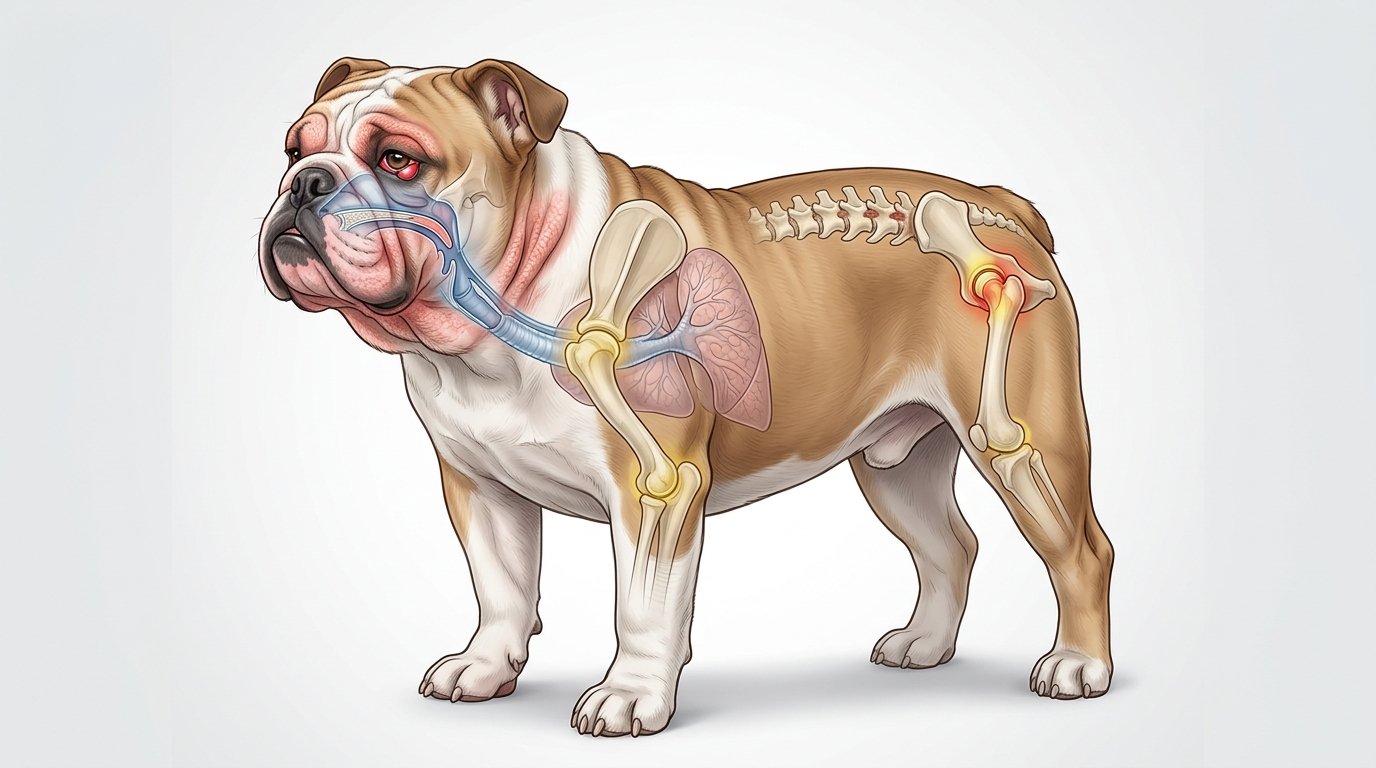
Bulldogs are particularly prone to digestive problems because of their unique anatomy, dietary sensitivities, and genetic predispositions. They’re simply more likely to experience frequent loose stools than other breeds.

What makes bulldog diarrhea even trickier is that it often comes without warning. One day your pup seems perfectly fine, and the next they’re having accidents around the house.
It’s a tough call, honestly.
Key Takeaways
- French Bulldogs and English Bulldogs have genetic predispositions that make them more susceptible to chronic digestive issues and diarrhea than other breeds
- Quick identification of diarrhea type and immediate dietary adjustments can prevent dehydration and more serious complications in bulldogs
- Long-term prevention through proper diet management and regular veterinary screenings is essential for bulldogs prone to recurring digestive problems
How to Spot Bulldog Diarrhea Fast
Spotting bulldog diarrhea quickly means knowing what healthy stool looks like versus loose, watery, or bloody bowel movements.
Common Symptoms and What They Look Like
Normal dog poop should hold its shape when you pick it up.
With diarrhea, it turns mushy, liquid, or just falls apart. Color changes tell a big story.
Yellow or green diarrhea often means food moved through too fast. Black, tarry stool suggests bleeding higher up in the digestive tract.
Frequency matters too. If your bulldog normally goes twice daily but suddenly needs to go every hour, that’s dog diarrhea developing.
- Mucus or slime coating – looks like clear jelly
- Blood streaks – bright red means lower intestinal bleeding
- Undigested food pieces – suggests rapid transit
- Strong, foul odor – worse than normal dog poop smell
Straining without producing much is another key sign. Your bulldog might squat repeatedly but only pass small amounts of liquid.
Emergency Red Flags You Should Never Ignore
Blood in diarrhea always needs immediate vet attention. Bright red blood or dark, coffee-ground appearance both signal serious problems that can’t wait.
Signs of dehydration develop fast in bulldogs.
Slow return means dehydration. Watch for these urgent symptoms:
- Vomiting combined with diarrhea – dangerous fluid loss
- Lethargy or weakness – your normally active bulldog seems drained
- Pale gums – should be pink, not white or gray
- Difficulty breathing – especially concerning in flat-faced breeds
Repeated attempts to defecate with little success could mean blockage. This can become life-threatening quickly.
If your bulldog shows persistent diarrhea despite fasting, that’s a red flag for secretory diarrhea requiring professional help.
Puppies and senior dogs need faster intervention. They dehydrate more quickly and have less reserve to fight illness.
When to Take Action or Wait It Out
Single episode of soft stool without other symptoms?
Take action immediately if:
- Diarrhea lasts more than 24 hours
- Blood appears at any point
- Your bulldog becomes lethargic or won’t drink water
- Vomiting starts alongside loose stool
Safe to wait and monitor when:
- Just one loose bowel movement
- Dog remains alert and drinking normally
- No blood, mucus, or severe straining
- Recent diet change might explain it
- Provide fresh water constantly
- Fast for 12-24 hours (adult dogs only)
- Introduce bland food slowly after fasting
Bulldogs hide discomfort well.
Top Reasons Bulldogs Get Diarrhea

Bulldogs face unique digestive challenges that make them more prone to diarrhea than other breeds. From their sensitive stomachs reacting to dietary changes to breed-specific health conditions and stress triggers, understanding these causes helps you prevent and manage those messy accidents.
Diet Mishaps and Sensitive Stomachs
Let’s be real — bulldogs have finicky stomachs that seem to revolt at the smallest dietary slip-up.
Bulldogs commonly react to chicken, beef, wheat, and dairy.
Their immune systems overreact to these proteins, triggering inflammation in the gut. Sudden diet changes wreak havoc too.
Switch foods too quickly? Your bulldog’s digestive system can’t keep up. Always transition over 7-10 days, mixing old and new food gradually.
- Table scraps (especially fatty or spicy foods)
- Low-quality kibble with fillers and artificial ingredients
- Overfeeding or eating too fast
- Contaminated water or spoiled food
- New treats without proper introduction
Pro tip: Keep a food diary when introducing anything new. You’ll spot patterns faster and identify problem ingredients before they cause major digestive upset.
Health Conditions Behind the Mess
Bulldogs carry genetic baggage that makes them sitting ducks for certain health issues. Research shows that bulldogs have significantly higher infection rates for intestinal parasites compared to other breeds.
Inflammatory bowel disease (IBD) hits bulldogs hard. Their immune systems attack their own intestinal lining, causing chronic inflammation and persistent diarrhea.
It’s frustrating because symptoms come and go unpredictably. Granulomatous colitis specifically targets French bulldogs.
Studies reveal that this condition is increasingly diagnosed in French bulldogs, likely due to their rising popularity and genetic predisposition.
Parasites love bulldog bellies:
- Giardia causes watery, foul-smelling stools
- Roundworms and hookworms from contaminated soil
- Coccidia in puppies and immunocompromised dogs
Bacterial infections from E. coli or Salmonella also strike frequently. French bulldogs with chronic large-bowel diarrhea often test positive for invasive bacteria that requires antibiotic treatment.
Stress, Environment, and Unexpected Triggers
Ever notice your bulldog’s stomach acting up during thunderstorms or when you rearrange furniture? These sensitive souls absorb stress like sponges, and their guts pay the price.
Environmental stressors that trigger dog diarrhea include:
- Moving to a new home
- New family members (human or pet)
- Loud noises or construction
- Changes in routine or schedule
- Boarding or vet visits
Weather changes hit bulldogs particularly hard. Their compromised breathing from flat faces makes temperature swings extra stressful.
Heat stress especially overwhelms their systems. Medication side effects catch many owners off guard.
Antibiotics destroy good gut bacteria along with the bad. NSAIDs for joint pain can irritate the intestinal lining.
- Probiotics during stressful periods
- Consistent routines for meals and walks
- Safe spaces during loud events
- Gradual introductions to new situations
The key is recognizing your bulldog’s stress signals early. Panting, pacing, or hiding often precede digestive upset by hours or days.
Immediate Steps for Relief and Recovery
When your bulldog has diarrhea, quick action can prevent dehydration and speed up recovery.
Hydration: Keeping Your Bulldog Safe
Check your dog’s hydration by gently pinching the skin on their neck. If it snaps back quickly, you’re good. If it takes more than two seconds, your dog may be dehydrated.
Offer small amounts of water often. Don’t let your bulldog gulp a whole bowl at once. That can just trigger more vomiting and make things worse.
Try these hydration boosters:
- Bone broth (low sodium, no onions or garlic)
- Pedialyte mixed with water (1:1 ratio)
- Ice cubes for slow, steady fluid intake
It replaces lost electrolytes that plain water can’t bring back.
Watch for these danger signs:
- Sticky, dry gums
- Sunken eyes
- Lethargy or weakness
- Loss of skin elasticity
If you spot any of these, don’t wait—get to your vet right away.
Home Remedies and Soothing Options
The 12-24 hour fast is your first move. Give your bulldog’s digestive system a break. Keep water available, but hold off on food for a bit.
After the fast, start with the BRAT diet:
- Boiled white rice (plain, no seasoning)
- Boiled chicken breast (skinless, boneless)
- Plain pumpkin (not pie filling – just pure pumpkin)
Mix these in small portions.
Probiotics can work wonders. Look for dog-specific formulas with multiple strains. Some bulldogs do fine with plain Greek yogurt (live cultures only), but skip it if dairy upsets your pup.
Slippery elm bark creates a soothing coating in the digestive tract. Mix 1/4 teaspoon powder with warm water until it turns into a gel.
Some veterinary sources say NSAIDs should be stopped right away if your dog develops vomiting or diarrhea while on those meds.
Avoid these common mistakes:
- Don’t give human anti-diarrheal medications
- Skip dairy products (except small amounts of plain yogurt)
- No fatty or spicy foods
What To Have In The Cupboard
None of this treats diarrhoea, and none of it replaces a vet — a bulldog that is lethargic, vomiting, or passing blood needs seeing today, not a shopping list. But if your vet has told you to rest the gut and reintroduce food gently, these are the things that make that easier at 9pm on a Sunday.
Some links below are Amazon affiliate links. If you buy through them, Dog Fluffy earns a small commission at no extra cost to you. We only list things we would use on our own dogs.
| For | Product | Why |
|---|---|---|
| Gut support Most useful | Purina Pro Plan FortiFlora | The probiotic most commonly handed out by vets. Ask yours whether it suits your dog before starting it. |
| A ready bland diet | Dave’s bland diet, chicken and rice | Saves boiling rice at midnight, and the ratio is consistent every time rather than guessed. |
| Long shelf life | Under the Weather freeze-dried bland diet | Keeps in a cupboard for months. This is the one to buy before you need it rather than during. |
If the diarrhoea lasts beyond a day, or any of the red flags above appear, stop reading and call your vet.
How Vets Diagnose and Treat
Sometimes, home remedies just aren’t enough. That’s when you need a vet’s help for proper dog diarrhea treatment.
Call your vet immediately if you see:
- Blood in the stool
- Black, tarry stools
- Severe dehydration symptoms
- Vomiting that won’t stop
- Signs of pain or distress
Your vet will probably do a physical exam and check a fecal sample. Blood work might be needed to look for infections or parasites.
Common veterinary treatments include:
- IV fluids for severe dehydration
- Prescription meds like metronidazole for bacterial infections
- Specialized diets for digestive recovery
- Anti-nausea meds if vomiting keeps happening
Research shows that the first step in diarrhea diagnostics is figuring out if it’s acute or chronic.
Vets often prescribe bland diets like Hill’s i/d or Royal Canin Digestive Care. These are made for sensitive stomachs.
Your vet might schedule a follow-up to check your bulldog’s progress. Don’t skip those—they help make sure your pup fully recovers.
Some bulldogs need longer treatment if there’s an underlying issue like inflammatory bowel disease. Trust your vet’s advice and stick with the plan.
Simple Prevention and Long-Term Care Tips

Preventing bulldog diarrhea comes down to two things: smart feeding choices and steady daily habits.
Diet Tweaks and Feeding Habits
Honestly, your bulldog’s bowl is the first line of defense against diarrhea.
Switch foods slowly. Seriously, don’t rush this. When changing your bulldog’s food, start with 25% new mixed with 75% old for three days. Then go half and half for another three days.
Your bulldog’s stomach needs time to adjust. Rushing is just asking for trouble.
Avoid all-meat diets. Research shows all-meat diets cause diarrhea in dogs. Bulldogs need balanced nutrition, not just protein.
Feed smaller, more frequent meals. Two or three small meals are better than one big one. This helps your bulldog’s digestion work smoothly.
Create a “safe foods” list. Write down foods that never upset your bulldog. Stick to these during stress or travel.
Daily Routines That Make a Difference
Your bulldog does best with predictable routines that support digestion.
Set consistent meal times. Feed your bulldog at the same times every day. Their gut likes a schedule.
Puppies need three meals, so add lunch at noon.
Provide fresh water always. Dehydration makes diarrhea worse. Clean the water bowl daily and refill it twice.
Monitor stress levels. Bulldogs are sensitive. Moving furniture, loud noises, or schedule changes can set off digestive issues.
Watch for early stress signs like panting, pacing, or hiding. Tackle stress before it hits their stomach.
Keep a simple health log. Jot down what your bulldog ate, when they pooped, and what it looked like. It helps you spot patterns fast.
Schedule regular vet checkups. Preventive medicine gives your bulldog the best shot at long-term health.
Exercise gently after meals. Wait 30 minutes after eating, then go for a slow 10-minute walk. It helps with digestion and keeps stress low.
Frequently Asked Questions

Bulldog diarrhea can leave you feeling helpless and worried about your furry friend.
What’s the scoop on home fixes for a bulldog with a rumbly tummy?
When your bulldog’s stomach acts up, you want fast relief. It’s easy to digest and usually firms up loose stools.
Make sure your pup stays hydrated. Offer small sips of water often instead of letting them gulp a whole bowl.
Pumpkin puree (not pie filling) is a lifesaver sometimes. Mix in a tablespoon or two with their food for extra fiber.
Skip the dairy and fatty treats during recovery. Your bulldog’s sensitive stomach needs a break from rich foods.
Ever wonder if it’s just a tummy bug when your dog’s spirits are up but their stomach seems down?
You know that weird moment when your bulldog is wagging but leaving messy surprises everywhere? It’s tough to know what’s normal.
If your bulldog is eating, drinking, and playing even with loose stools, it may just be a mild upset. Mild digestive issues often clear up in a day or two.
Those usually mean it’s nothing serious.
Still, don’t ignore diarrhea that sticks around. Research shows mild vomiting and diarrhea are common in dogs, but you need to keep an eye on it.
Track how often it happens and what it looks like. If it keeps going for more than two days, call your vet.
Got a pup with the runs? Know when to hit the vet’s panic button!
Some symptoms mean you need a vet, no matter how tough your bulldog looks.
Blood in stool is always a red flag. Don’t wait if you see bright red or black, tarry poop.
If your bulldog gets lethargic, stops eating, or shows signs of dehydration, it’s time for the vet. Bulldogs can dehydrate fast because of their build.
Vomiting plus diarrhea is a double whammy. This combo can cause dangerous fluid loss in just a few hours.
Watch for pale gums or heavy drooling. Those mean your bulldog needs professional care right away.
When in doubt, call the vet.
Your furry friend left a stinky puddle again? Let’s chat about what that means.
That awful smell isn’t just gross. It’s actually telling you something important about your bulldog’s health.
Watery, foul-smelling diarrhea often points to bacterial overgrowth or infection. Harmful bacteria in the intestines produce gases, which cause that intense odor.
Greasy, yellow stools might mean your bulldog isn’t digesting fat properly. Bulldogs really do struggle with rich foods more than other breeds.
If you spot mucus or a slimy coating, that usually means the intestines are irritated. The colon makes extra mucus to protect itself when something’s bothering it.
Frequency matters too. If your dog has multiple loose stools a day, that’s a clear sign something’s off.
Write down what you see and smell. Your vet will definitely appreciate those details when you call.
Need the 411 on soothing your English bulldog’s upset stomach?
English bulldogs have sensitive digestive systems. They really need extra care when their stomachs act up.
Try fasting for 12-24 hours, but always leave water out. This gives their intestines a chance to rest and maybe recover a bit.
When you start feeding again, take it slow. English bulldogs are emotional eaters, and anxiety doesn’t do their digestion any favors.
Gentle belly rubs might help, but let your bulldog decide. Some dogs just want to be left alone when they’re not feeling their best.
What are the top tricks for getting your bulldog’s belly back on track?
Getting your bulldog’s digestion back to normal takes patience. Mix increasing amounts of regular food with bland food over 5-7 days—don’t rush it.
Add digestive enzymes to meals for a little while. These supplements help your pup break down food more efficiently during recovery.
Consider switching to a limited ingredient diet if episodes keep popping up. Studies show that diet-responsive diarrhea is common in dogs with chronic digestive issues.
Exercise helps too, but keep it gentle. Short walks encourage healthy digestion and won’t overtax a recovering system.
Monitor treats carefully. Even tiny amounts of rich or unfamiliar foods can set off another episode in sensitive bulldogs.