Fast breathing in a puppy is often harmless, because it follows play, heat, excitement or sleep. It can also be an early sign of something serious, so it helps to know how to count it and what else to look for.
This page covers how to count your puppy’s breathing, the everyday reasons it speeds up, and the signs that mean you should call a vet. The figures come from VCA Animal Hospitals, which gives a normal resting or sleeping rate of 15 to 30 breaths per minute for dogs. Ask your vet what is normal for your puppy. This page is general information, not veterinary advice.
If you are worried right now, count the breaths (see below) and phone your vet. For a wider look at the topic, see our page on why a puppy may be breathing hard.
How To Count Your Puppy’s Breathing
VCA Animal Hospitals advise counting while your puppy is resting quietly or asleep. Watch the chest: one breath is one movement in and out. Time 30 seconds on your phone, count the breaths, and multiply by 2 to get breaths per minute.
The same source says a resting or sleeping rate of 15 to 30 breaths per minute is normal, and rates are much higher when a dog is hot, stressed or active. A rate that is consistently above 30 at rest is considered abnormal. Count a few times over the next couple of hours to check it is consistent, and if it is, contact your vet as soon as possible.
Reasons Why Puppies Breathe Fast
They Are Hot
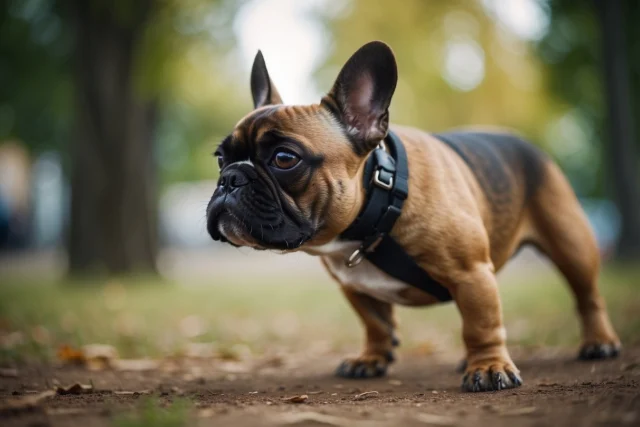
Dogs cool down mainly by panting. The AKC says dogs have only a few ways to lose heat: panting, widening blood vessels and, to a lesser extent, sweating through the paw pads. A puppy that is panting after play or on a warm day may simply be cooling down. Give shade and fresh water, and keep the puppy somewhere cool.
They Have Been Playing
Breathing speeds up with activity, as the VCA page notes. If your puppy has been running around, let them rest and count again once they have settled.
They Are Stressed Or Excited
The VCA page also lists stress among the reasons a dog’s rate rises above the resting range. If the breathing slows when the puppy has calmed down in a quiet place, that is a good sign. If it does not slow, count the resting rate and talk to your vet.
When To Worry About Your Puppy’s Breathing
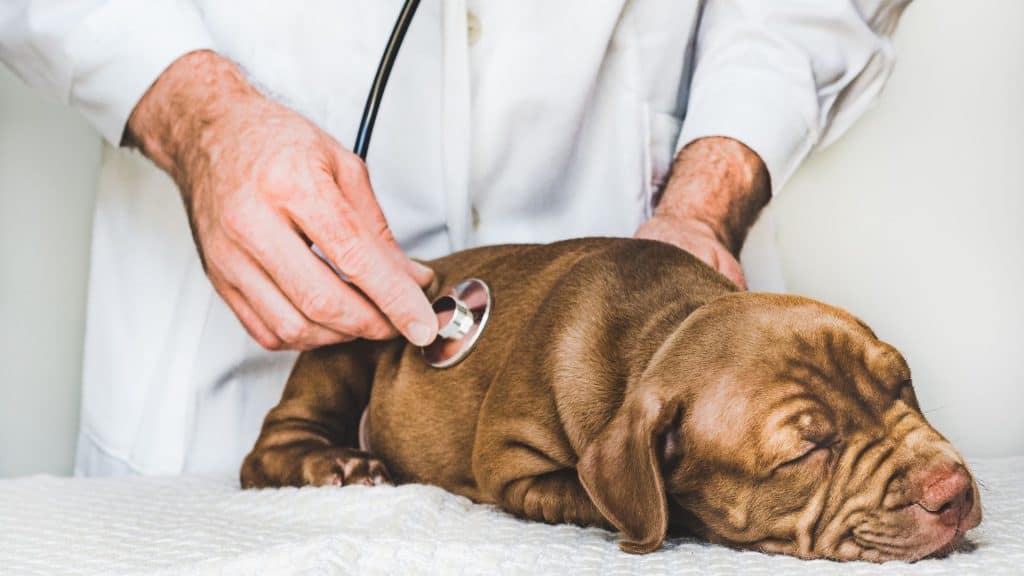
Call your vet if your puppy’s resting or sleeping rate stays above 30 breaths per minute, or if the breathing looks like hard work. The VCA page lists these signs, which can go with heart disease, as reasons to get your dog seen:
- fast breathing when resting or sleeping (more than 30 breaths per minute)
- increased effort to breathe (labored breathing)
- restlessness and difficulty finding a comfortable position to sleep
- coughing or gagging
- weakness, collapse or fainting, and a reduced ability to exercise
If these signs appear together, VCA says the situation may be an emergency, and out of hours you may need an emergency vet.
Heatstroke
Heatstroke is an emergency. The AKC lists heavy panting, rapid breathing, excessive drooling, and bright red gums and tongue as early signs, and pale or bluish gums, collapse and coma as the condition worsens. It says puppies are among the dogs at higher risk. The PDSA gives the same warning and says to start cooling the dog at once with cool water and call a vet. Even if your puppy seems to recover, a vet visit is essential, because heatstroke can cause internal damage that cannot be seen.
Keeping Your Puppy Cool And Calm
Walk and play in the cool part of the day, never leave a puppy in a parked car, and always have fresh water out. Our page on how much water to give a puppy covers hydration.
The Bottom Line
A puppy breathing fast after play or in the heat is usually fine. Count the breaths at rest, and call your vet if the resting rate is consistently above 30 a minute, the breathing looks laboured, or any of the signs above appear. When in doubt, call.