As an Amazon Associate I earn from qualifying purchases.
| Factor | Clinical Assessment & Protocol |
|---|---|
| Primary Vulnerability | Brachycephalic Upper Airway Impairment: Stenotic nares and elongated soft palate reduce nasal turbinate surface area, crippling the primary evaporative heat exchange mechanism (panting). |
| Normal Body Temperature | 101.0°F to 102.5°F (38.3°C to 39.2°C) |
| Heat Exhaustion Range | 103.0°F to 103.9°F (39.4°C to 39.9°C) — Restlessness, heavy panting, thick ropy saliva, dark pink tongue. |
| Heat Stroke Emergency Threshold | ≥104.0°F (≥40.0°C) — Critical hyperthermia requiring active cooling and immediate emergency veterinary admission. |
| Cellular Damage & DIC Threshold | ≥106.0°F (≥41.1°C) — Thermal cellular denaturing, systemic inflammatory response syndrome (SIRS), disseminated intravascular coagulation (DIC), cerebral edema, and acute renal collapse. |
| Critical Humidity Warning | Heat Index Danger: Ambient temperatures as low as 75°F (24°C) become life-threatening when relative humidity exceeds 60%, because saturated air prevents saliva from evaporating off the tongue. |
| Active Cooling Rule | Tepid to cool water (15°C–20°C / 59°F–68°F) ONLY. Never use ice or ice-water baths, which trigger peripheral vasoconstriction and shivering, trapping core metabolic heat. Stop cooling at 103.0°F (39.4°C) to prevent hypothermic overshoot. |
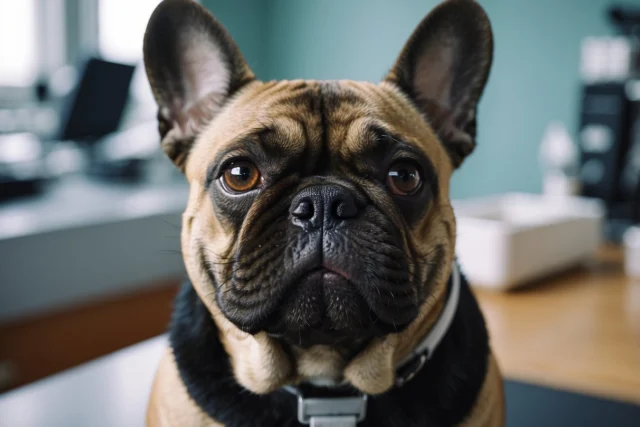
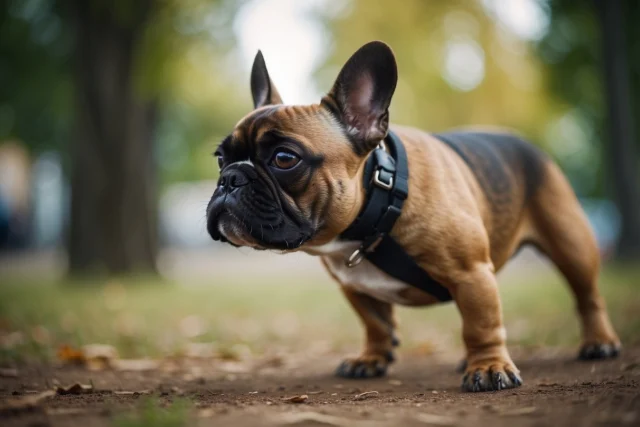
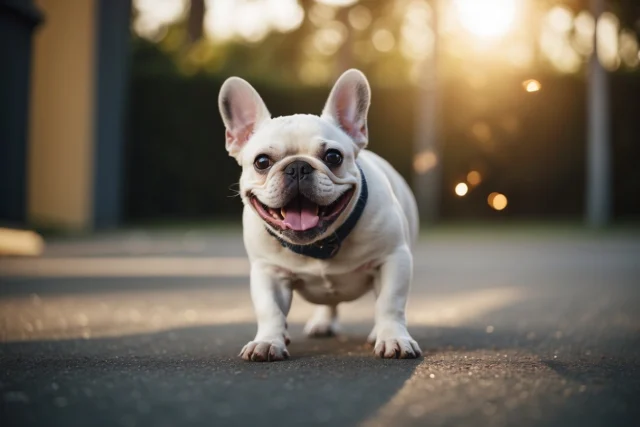
French Bulldogs are among the canine breeds most susceptible to fatal heat stroke. Unlike humans, dogs cannot dissipate excess thermal energy through dermal perspiration; they rely almost exclusively on evaporative cooling across the mucosal surfaces of their tongue, palate, and nasal turbinates via panting. In a brachycephalic breed with compressed facial anatomy, this biological radiator is structurally compromised. Even mild physical exertion or moderate environmental warmth can spiral into life-threatening hyperthermia within 15 to 20 minutes.
Why Do French Bulldogs Overheat So Quickly?
The anatomical features that give French Bulldogs their characteristic appearance directly undermine their thermoregulatory capacity:
- Compressed Nasal Turbinates: The internal nasal architecture is crowded into a skull space roughly one-third the length of a standard mesocephalic dog. This drastically diminishes the mucosal surface area available for evaporative heat loss.
- Elongated Soft Palate: The soft palate frequently extends past the epiglottis, obstructing the entrance of the trachea. As the dog pants harder to dump heat, negative airway pressure increases, sucking the palate further into the larynx.
- The Airway Edema Feedback Loop: Strenuous panting causes turbulent airflow, which traumatizes the delicate laryngeal tissues. This trauma induces rapid swelling (laryngeal edema), progressively narrowing the airway. The dog must exert more muscular effort to breathe, which generates substantial internal metabolic heat, causing core body temperature to rise exponentially faster.
- Heavy Musculoskeletal Mass: French Bulldogs possess dense muscle mass and compact ribcages, generating significant metabolic heat during locomotion while having a relatively low body surface-area-to-volume ratio.
Heat Exhaustion vs. Heat Stroke in Frenchies: Temperature & Clinical Stages
Hyperthermia in dogs progresses through two distinct clinical phases:
“
[ Normal: 101.0°F–102.5°F (38.3°C–39.2°C) ]
│
▼
[ Heat Exhaustion: 103.0°F–103.9°F (39.4°C–39.9°C) ]
• Heavy panting, tongue hanging wide
• Excessive thick, foamy or ropy saliva
• Lethargy, stumbling, reluctance to walk
│
▼ (Without immediate intervention)
[ Heat Stroke: ≥104.0°F (≥40.0°C) — VETERINARY EMERGENCY ]
• Brick-red, purplish, or cyanotic (blue) gums
• Stridor (harsh high-pitched rasping breath)
• Vomiting, bloody diarrhea, collapse
│
▼
[ Critical Multi-Organ Failure: ≥106.0°F (≥41.1°C) ]
• Brain edema, seizures, stupor/coma
• Disseminated Intravascular Coagulation (uncontrolled bleeding)
• Irreversible acute renal and hepatic necrosis
“
Early Warning Signs (Heat Exhaustion):
- Rapid, heavy, labored panting with wide tongue expansion (spatulate tongue).
- Hyperemic (bright red) or flushed mucous membranes.
- Production of thick, viscous, ropy saliva that clings to the jowls.
- Lagging behind on walks, refusing forward movement, or seeking cool surfaces.
- Tachycardia (elevated heart rate >140–160 bpm at rest).
Critical Emergency Signs (Heat Stroke):
- Stridor: Loud, harsh, whistling or rasping sounds during inhalation as the airway collapses.
- Cyanosis: Gums, tongue, or inner ear flaps turning dusky blue, purple, or slate grey.
- Ataxia & Weakness: Loss of balance, wobbly hindquarters, sudden physical collapse.
- Gastrointestinal Hemorrhage: Spontaneous vomiting or loose diarrhea, frequently containing dark blood or sloughed mucosal tissue.
- Neurological Deterioration: Glazed eyes, unresponsiveness to owner commands, tremors, tonic spasms, or coma.
Temperature and Humidity: The Deadly Heat Index
Ambient temperature alone does not determine heat risk. Relative humidity is equally decisive.
When humidity climbs above 60%, moisture cannot evaporate efficiently into the surrounding atmosphere. Because canine evaporative panting depends entirely on ambient air absorbing moisture from the tongue and lungs, high humidity renders panting thermodynamically useless.
| Ambient Air Temp | Relative Humidity | Calculated Heat Index | French Bulldog Risk Level |
|---|---|---|---|
| 72°F (22.2°C) | 85% | 74°F (23.3°C) | Moderate Caution: Limit walks to 15 min; avoid sunny pavement. |
| 78°F (25.6°C) | 70% | 80°F (26.7°C) | High Risk: Restrict walks to 5–10 min potty breaks early morning/late night. |
| 82°F (27.8°C) | 75% | 88°F (31.1°C) | Severe Danger: Keep dog strictly indoors in air-conditioned space (<72°F / 22°C). |
| 88°F (31.1°C) | 60% | 95°F (35.0°C) | Extreme Danger / Lethal: Severe heat stroke possible in under 10 minutes outdoors. |
Clinical Rule: If the sum of the ambient temperature in Fahrenheit and the relative humidity percentage exceeds 140, brachycephalic dogs must remain in climate-controlled indoor environments.
Immediate Emergency First-Aid Protocol (What to Do Right Now)
If your French Bulldog displays signs of hyperthermia, begin cooling immediately while initiating transport to the nearest veterinary hospital. Do not wait for a vet appointment; minutes determine survival.
- Cease All Movement Immediately: Pick up the dog; do not permit them to walk, as muscular contraction generates additional thermal energy.
- Move to a Shaded or Air-Conditioned Space: Place the dog directly in front of an air-conditioning vent or electric fan.
- Apply Tepid Water: Pour room-temperature or lukewarm water (15°C–20°C / 59°F–68°F) continuously over the dog’s neck, groin, armpits, and paws where major vascular structures run close to the surface.
- NEVER Use Ice or Ice Water: Applying ice or freezing water triggers dramatic peripheral vasoconstriction (clamping of surface blood vessels), which shunts boiling blood back into the vital core organs and induces shivering, driving the internal core temperature even higher.
- Monitor Core Temperature with a Rectal Thermometer: Check temperature every 3 to 5 minutes.
- STOP Active Cooling at 103.0°F (39.4°C): Discontinue water application once rectal temperature reaches 103.0°F (39.4°C). The dog’s temperature will continue to drop naturally. Failing to stop cooling causes dangerous rebound hypothermia.
- Transport Immediately to Emergency Veterinary Care: Keep vehicle air conditioning on maximum. Even dogs that appear to recover need immediate veterinary screening for delayed complications: microvascular thrombosis, acute tubular necrosis of the kidneys, and cerebral swelling can develop 24 to 72 hours following a heat stroke event.
Recommended Brachycephalic Cooling Gear & Heat-Stress Prevention
Some links below are Amazon affiliate links. If you buy through them, Dog Fluffy earns a small commission at no extra cost to you.
| Category | Recommended Product | Clinical Target | Key Feature |
|---|---|---|---|
| Evaporative Cooling Vest Our pick | Ruffwear Swamp Cooler Evaporative Dog Cooling Vest | Disperses core body heat via natural evaporative exchange across the chest | Three-layer cooling construction designed specifically for barrel-chested builds |
| Hydro-Cooling Mat | K&H Pet Products Cool Bed III Cooling Dog Pad | Wicks heat away from the abdomen and paws without toxic chemical gel | Water-core cooling technology stays 15–20°F cooler than ambient room temperature |
| Aerated Hydration Station | PetSafe Drinkwell 2-Gallon Stainless Steel Pet Fountain | Encourages constant fluid intake with hygienic, bacterial-resistant steel | Elevated falling stream minimizes neck flexion and panting strain during drinking |
Frequently Asked Questions
<!– wp:rank-math/faq-block {"questions":[{"id":"faq-question-1","title":"At what outdoor temperature is it too hot to walk a French Bulldog?","content":"As a general veterinary guideline, French Bulldogs should not be exercised outdoors when ambient temperatures exceed 75\u00b0F (24\u00b0C), particularly if direct sunlight or high humidity (>50%) is present. If the temperature hits 80\u00b0F (26.7\u00b0C), restrict outdoor time to brief 3-to-5-minute bathroom breaks on shaded grass.
“,”visible”:true},{“id”:”faq-question-2″,”title”:”How do I know if my Frenchie is just tired or overheating?”,”content”:”A tired dog will lie down, breathe with moderate rhythm, and drink water calmly. An overheating French Bulldog displays frantically wide, spatulate tongue panting, thick white foamy saliva around the lips, loud rattling or rasping airway sounds (stridor), unfocused eyes, and brick-red or bluish mucous membranes. If your dog refuses to move, assume overheating first.
“,”visible”:true},{“id”:”faq-question-3″,”title”:”Can I put wet towels over my dog to cool them down?”,”content”:”No. Never drape wet towels over an overheating dog and leave them there. Wet towels rapidly absorb heat from the dog’s body, trap the moisture against the skin, and act as a thermal insulator, preventing convective heat dissipation. If using towels, gently wipe the paws, groin, and neck, leaving the coat open to ambient airflow from a fan.
“,”visible”:true},{“id”:”faq-question-4″,”title”:”Why do vets advise against using ice cubes or ice baths for heat stroke?”,”content”:”Ice baths cause immediate peripheral vasoconstriction, meaning the small blood vessels near the skin constrict violently. This traps boiling blood inside the internal organs and prevents convective cooling. Furthermore, intense cold induces shivering, which forces the muscles to generate significant additional metabolic heat, accelerating core thermal damage.
“,”visible”:true}]} –>At what outdoor temperature is it too hot to walk a French Bulldog?
As a general veterinary guideline, French Bulldogs should not be exercised outdoors when ambient temperatures exceed 75°F (24°C), particularly if direct sunlight or high humidity (>50%) is present. If the temperature hits 80°F (26.7°C), restrict outdoor time to brief 3-to-5-minute bathroom breaks on shaded grass.
How do I know if my Frenchie is just tired or overheating?
A tired dog will lie down, breathe with moderate rhythm, and drink water calmly. An overheating French Bulldog displays frantically wide, spatulate tongue panting, thick white foamy saliva around the lips, loud rattling or rasping airway sounds (stridor), unfocused eyes, and brick-red or bluish mucous membranes. If your dog refuses to move, assume overheating first.
Can I put wet towels over my dog to cool them down?
No. Never drape wet towels over an overheating dog and leave them there. Wet towels rapidly absorb heat from the dog’s body, trap the moisture against the skin, and act as a thermal insulator, preventing convective heat dissipation. If using towels, gently wipe the paws, groin, and neck, leaving the coat open to ambient airflow from a fan.
Why do vets advise against using ice cubes or ice baths for heat stroke?
Ice baths cause immediate peripheral vasoconstriction, meaning the small blood vessels near the skin constrict violently. This traps boiling blood inside the internal organs and prevents convective cooling. Furthermore, intense cold induces shivering, which forces the muscles to generate significant additional metabolic heat, accelerating core thermal damage.