| Factor | Detail / Assessment |
|---|---|
| Underlying Etiologies | 1. Canine Atopic Dermatitis (CAD): Environmental aeroallergens (dust mites, grasses, weed pollens, mold spores). 2. Cutaneous Adverse Food Reactions (CAFR): Immune response to intact dietary proteins (predominantly chicken, beef, dairy). 3. Flea Allergy Dermatitis (FAD): Hypersensitivity to salivary antigens. |
| Fluffy Frenchie Specific Factor | Long silky coat (homozygous recessive FGF5 mutation) combined with brachycephalic skin redundancy creates a microclimate of high humidity and heat, promoting rapid epidermal colonization by opportunistic microbes. |
| Secondary Infections | Yeast Dermatitis (Malassezia pachydermatis — sweet/musty corn-chip odor, red-brown saliva staining, hyperpigmentation) and Bacterial Pyoderma (Staphylococcus pseudintermedius — circular crusts, epidermal collarettes, pustules). |
| High-Risk Anatomical Sites | Facial nasal folds, screw-tail pocket (intertrigo), interdigital webbings (paw pododermatitis), concave pinnae (ear canals), and axillary/groin folds. |
| Diagnostic Gold Standard | In-clinic tape strip and impression smear cytology; strict 8-to-12-week hydrolyzed protein diet trial (blood IgE panels are clinically unreliable for food allergy diagnosis). |
| Primary Medical Therapeutics | Lokivetmab (Cytopoint) (IL-31 neutralizing monoclonal antibody injection every 4–8 weeks), Oclacitinib (Apoquel) (oral JAK-1 pathway inhibitor), and topical 3–4% Chlorhexidine + 2% Ketoconazole. |
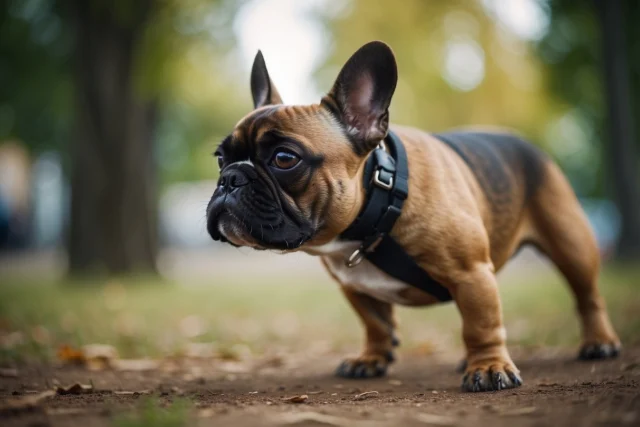
Dermatological disease is the single most common reason French Bulldogs require veterinary care. For Fluffy French Bulldogs—who carry two copies of the recessive FGF5 gene variant that produces a longer, softer haircoat—skin management requires heightened diligence. The combination of dense fur, redundant facial wrinkles, tight screw-tail pockets, and a genetic predisposition toward defective epidermal lipid barriers makes these dogs uniquely vulnerable to painful cycles of chronic pruritus (itching), secondary yeast overgrowth, and deep fold infections.
The 3 Core Types of Allergic Skin Disease in Frenchies
Effective treatment begins by distinguishing between the three distinct clinical forms of allergy:
“
┌────────────────────────────────────────────────────────────────────────┐
│               CANINE DERMATOLOGICAL ALLERGY PATHWAYS                  │
└───────────────────────────────────┬────────────────────────────────────┘
│
┌──────────────────────────┼──────────────────────────┐
▼                          ▼                          ▼
1. ENVIRONMENTAL (CAD)     2. FOOD REACTION (CAFR)    3. FLEA ALLERGY (FAD)
• Inhaled / absorbed       • Intact protein reaction  • Single flea bite
• Seasonal flares          • Year-round itching       • Tail-base & groin
• Dust mites, pollens      • Chicken, beef, dairy     • Extreme pruritus
• Paws, face, ears         • Often GI signs (soft     • Preventative drops
• Managed, not cured         stool, 3+ poops/day)       resolve quickly
“
1. Canine Atopic Dermatitis (CAD – Environmental Allergies)
- Mechanism: A genetically determined defect in the skin barrier that allows microscopic environmental antigens (dust mites, tree pollens, ragweed, fungal mold spores) to penetrate the epidermis and trigger an intense allergic immune response.
- Timing: Often begins seasonally (spring/summer) between 1 and 3 years of age, before transitioning into a year-round condition.
- Target Areas: Paws (intense chewing/licking), ear canals, periocular skin, muzzle, and ventral abdomen.
2. Cutaneous Adverse Food Reactions (CAFR – Food Allergies)
- Mechanism: An immune-mediated hypersensitivity reaction to a protein or carbohydrate molecule in the diet. The most common allergens are beef, chicken, dairy, and wheat.
- Timing: Completely non-seasonal; affects the dog consistently year-round regardless of climate.
- Key Indicators: Concurrent mild gastrointestinal signs—frequent bowel movements (>3 per day), recurrent soft stools, flatulence, and persistent perianal itching (“scooting”).
3. Flea Allergy Dermatitis (FAD)
- Mechanism: A hypersensitivity reaction to flea salivary antigens. A single flea bite can trigger severe generalized pruritus lasting 2 to 3 weeks.
- Distribution: Classic “flea triangle” distribution across the dorsal lumbosacral region (lower back at the base of the tail), thighs, and caudal abdomen.
Secondary Infections: Malassezia Yeast & Bacterial Pyoderma
Healthy canine skin harbors small colonies of normal flora. When allergic inflammation disrupts the epidermal lipid barrier and the dog scratches, opportunistic organisms multiply exponentially:
Malassezia Yeast Dermatitis (Malassezia pachydermatis)
- Clinical Appearance: Greasy, oily skin; rust-brown or mahogany staining on fur from saliva and fungal pigments; thick, elephant-like hyperpigmented skin (lichenification).
- Tell-tale Sign: A distinct, pungent, sweet-musty or “stale corn chips” odor.
- Common Locations: Interdigital webbing, ear canals, and skin folds.
Bacterial Pyoderma (Staphylococcus pseudintermedius)
- Clinical Appearance: Small red pimples (pustules), circular peeling rings of crust with red margins (epidermal collarettes), and localized hair loss (alopecia) giving the coat a “moth-eaten” look.
Managing the Fluffy Coat Microclimate: Fold Intertrigo
In smooth-coated French Bulldogs, wrinkles are already prone to moisture accumulation. In Fluffy Frenchies, the long hair surrounding the deep facial creases and tail pocket acts as a sponge, trapping:
- Ocular tear drainage (epiphora)
- Drinking water
- Natural sebum and shed skin squames
This creates a warm, dark, anaerobic microclimate—the ideal incubator for fold intertrigo (intertrigo pyoderma). Left unchecked, skin folds develop macerated, raw, ulcerated fissures that cause significant discomfort.
“
WRINKLE & SKIN CARE MAINTENANCE PROTOCOL
┌────────────────────────────────────────────────────────┐
│ 1. INSPECT: Part the hair completely to inspect fold   │
│    bases daily. Check for redness, moisture, or odor.  │
├────────────────────────────────────────────────────────┤
│ 2. CLEANSE: Wipe with 2–4% Chlorhexidine + Ketoconazole│
│    medicated pads to destroy bacteria and yeast.       │
├────────────────────────────────────────────────────────┤
│ 3. DRY THOROUGHLY: Pat completely dry with a soft      │
│    gauze pad. Never leave lingering moisture inside!   │
├────────────────────────────────────────────────────────┤
│ 4. PROTECT: Apply a thin barrier balm or zinc-free     │
│    drying powder if recommended by your dermatologist. │
└────────────────────────────────────────────────────────┘
“
Modern Veterinary Medical Therapeutics (Apoquel vs. Cytopoint)
Veterinary dermatology has evolved beyond broad immunosuppressive steroids (prednisone), which cause debilitating side effects such as excessive urination, thirst, muscle wasting, and hepatic stress. Today, targeted molecular therapies offer precise itch control:
| Medication | Mechanism of Action | Administration | Duration of Action | Best Used For |
|---|---|---|---|---|
| Cytopoint (Lokivetmab) | Canine monoclonal antibody that binds and neutralizes Interleukin-31 (IL-31), the primary neuro-itch cytokine. | Subcutaneous injection at veterinary clinic. | 4 to 8 weeks per injection. | Atopic dermatitis, environmental flares; safe for puppies and dogs with existing systemic illness. |
| Apoquel (Oclacitinib) | Selective Janus Kinase (JAK-1) enzyme inhibitor that blocks inflammatory cytokine signaling pathways. | Daily oral tablet (twice daily loading, then once daily). | 12 to 24 hours (rapid onset within 4 hours). | Acute flare-ups, short-term relief during elimination diet trials, environmental allergies in dogs ≥12 months. |
| Medicated Topicals (4% Chlorhexidine + 2% Ketoconazole) | Dual antiseptic and antifungal that disrupts bacterial and yeast cell walls without systemic absorption. | Shampoo soak (10-minute contact time) or daily medicated wipes. | Applied 2–3 times weekly during active flare. | Direct eradication of secondary surface pyoderma and Malassezia overgrowth. |
Frequently Asked Questions
<!– wp:rank-math/faq-block {"questions":[{"id":"faq-question-1","title":"How do I know if my Frenchie\u2019s allergy is food or environmental?","content":"The most reliable differentiator is seasonality and response to diet. Environmental allergies (CAD) frequently worsen during specific seasons (pollen blooms, autumn leaf mold) and respond rapidly to Cytopoint. Food allergies (CAFR) persist year-round at constant intensity and often include gastrointestinal signs (frequent bowel movements, soft stools, chronic gas). A strict 8-to-12-week veterinary hydrolyzed elimination diet trial is the only accurate way to confirm food allergy.
“,”visible”:true},{“id”:”faq-question-2″,”title”:”Can I do a blood or saliva test to find my French Bulldog’s food allergies?”,”content”:”No. Peer-reviewed veterinary dermatological consensus studies demonstrate that commercial blood (serum IgE) and saliva tests for food allergies produce excessively high rates of both false-positive and false-negative results. They are clinically unreliable for diagnosing food allergies. Only an elimination diet trial using a veterinary-prescribed hydrolyzed protein or novel single-source protein diet is diagnostic.
“,”visible”:true},{“id”:”faq-question-3″,”title”:”How often should a Fluffy French Bulldog with allergies be bathed?”,”content”:”During an active skin flare with secondary yeast or bacterial infection, your veterinarian may recommend bathing twice weekly with a 4% chlorhexidine medicated shampoo. The shampoo must remain in contact with the wet skin for a full 10 minutes before rinsing. For maintenance, a gentle oatmeal or ceramide-based bath every 2 to 3 weeks is generally sufficient.
“,”visible”:true},{“id”:”faq-question-4″,”title”:”Why do my Frenchie’s paws smell like corn chips?”,”content”:”The \”corn chip\” or \”popcorn\” smell on a dog\u2019s paws is caused by the natural metabolic byproducts of Proteus bacteria or Malassezia yeast that colonize warm, moist skin. While a faint scent is normal, an intense odor accompanied by paw licking, pink staining of the hair, or red skin between the toes indicates a clinical fungal or bacterial pododermatitis that requires medicated treatment.
“,”visible”:true}]} –>How do I know if my Frenchie’s allergy is food or environmental?
The most reliable differentiator is seasonality and response to diet. Environmental allergies (CAD) frequently worsen during specific seasons (pollen blooms, autumn leaf mold) and respond rapidly to Cytopoint. Food allergies (CAFR) persist year-round at constant intensity and often include gastrointestinal signs (frequent bowel movements, soft stools, chronic gas). A strict 8-to-12-week veterinary hydrolyzed elimination diet trial is the only accurate way to confirm food allergy.
Can I do a blood or saliva test to find my French Bulldog’s food allergies?
No. Peer-reviewed veterinary dermatological consensus studies demonstrate that commercial blood (serum IgE) and saliva tests for food allergies produce excessively high rates of both false-positive and false-negative results. They are clinically unreliable for diagnosing food allergies. Only an elimination diet trial using a veterinary-prescribed hydrolyzed protein or novel single-source protein diet is diagnostic.
How often should a Fluffy French Bulldog with allergies be bathed?
During an active skin flare with secondary yeast or bacterial infection, your veterinarian may recommend bathing twice weekly with a 4% chlorhexidine medicated shampoo. The shampoo must remain in contact with the wet skin for a full 10 minutes before rinsing. For maintenance, a gentle oatmeal or ceramide-based bath every 2 to 3 weeks is generally sufficient.
Why do my Frenchie’s paws smell like corn chips?
The “corn chip” or “popcorn” smell on a dog’s paws is caused by the natural metabolic byproducts of Proteus bacteria or Malassezia yeast that colonize warm, moist skin. While a faint scent is normal, an intense odor accompanied by paw licking, pink staining of the hair, or red skin between the toes indicates a clinical fungal or bacterial pododermatitis that requires medicated treatment.