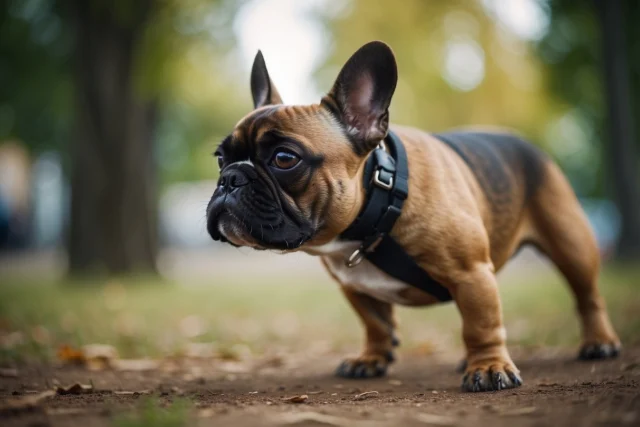
Did you know that your fluffy Frenchie can be prone to hip dysplasia? This painful condition can dramatically impact their quality of life. Preventing hip dysplasia starts with maintaining a healthy weight and providing regular, low-impact exercise.
Let’s dive into some essential tips to keep your Frenchie’s hips in top shape.  It surprises most owners to learn that a Frenchie’s diet can influence their hip health. Feeding your dog a balanced diet ensures strong bones and joints.
Also, avoid over-exercising while they’re still puppies to protect those developing hips. Regular vet checkups can help catch early signs of hip dysplasia. Activities like swimming, which is gentle on the joints, can be a great way to keep your dog active without putting strain on their hips.
Keeping an eye on their behavior and seeking veterinary advice when needed is crucial for managing their well-being.
Key Takeaways
- Maintain a healthy weight and provide regular exercise
- Avoid over-exercising puppies to protect their developing hips
- Regular vet checkups are essential for early detection and management
Understanding Hip Dysplasia in French Bulldogs
 Hip dysplasia is a common issue in French Bulldogs that can lead to pain and mobility problems. Let’s look at what causes this condition and how to recognize its symptoms.
Defining Hip Dysplasia and Its Causes
Hip dysplasia in French Bulldogs occurs when the hip joint doesn’t fit properly into the socket. This misalignment can cause the hip joint to move abnormally, leading to wear and tear over time.
Genetics plays a significant role, meaning some dogs are born with a predisposition for this condition. Dogs with parents that suffer from hip dysplasia have a higher chance of developing it themselves. Other factors can include rapid growth, too much exercise at a young age, or being overweight.
Keeping your Frenchie at a healthy weight and ensuring they do not over-exercise as puppies are critical steps to prevent hip dysplasia. Feeding them a high-quality diet can also help ensure their bones grow healthily.
Recognizing Symptoms and Diagnosis
Spotting hip dysplasia early can make a big difference in managing the condition. Common symptoms include lameness in the hind legs, difficulty standing up, climbing stairs, and decreased activity. You might notice your Frenchie hopping like a bunny or hear a clicking sound when they walk.
If you suspect hip dysplasia, it’s essential to take your dog to the vet. The vet will likely perform a physical exam and may recommend an X-ray to get a clear picture of the hip joints. Early diagnosis can lead to better management options, potentially reducing pain and improving your dog’s quality of life.
Lifestyle and Diet for Preventing Hip Dysplasia
 Taking care of your fluffy Frenchie’s hips starts with a healthy lifestyle. This means focusing on a balanced diet and appropriate exercise to keep the hip joints strong and functioning well.
Importance of Maintaining a Healthy Diet
A good diet is super important for your Frenchie’s bone health. French Bulldogs should have a high-quality diet rich in nutrients to keep their bones and joints strong. Always recommend feeding them food that includes glucosamine and chondroitin, which are great for joint health.
It’s crucial to avoid obesity. Extra weight puts a lot of stress on the ball and socket joint of the hips.
Make sure to measure your Frenchie’s food portions and avoid giving too many treats. Instead, opt for healthy snacks like carrots or apples. You also need to keep the dog’s weight in check by regularly visiting the vet.
These checkups help ensure that your Frenchie is not gaining too much weight and that the diet is working well. It’s also a good time to ask about specialized diets if hip dysplasia runs in your dog’s family.
The Role of Exercise and Activity
Regular exercise is key to preventing hip dysplasia. Make sure your Frenchie gets exercise that is safe and beneficial.
Swimming is an excellent activity for French Bulldogs. It’s low-impact and helps strengthen the muscles around the hip joints without placing stress on them. Over-exercising, especially when puppies, can cause rapid growth that may worsen hip health.
Prefer light, consistent activities like short walks and gentle playtime. Avoid letting your dog jump from high places or run too hard, as this can strain their hips.
Consistency is key. Daily activities help maintain mobility and muscle strength. Remember, gentle and regular exercise is better than intense but sporadic workouts.
Always monitor your dog’s activity and make adjustments as needed to ensure their long-term health.
Treatment and Management of Hip Dysplasia
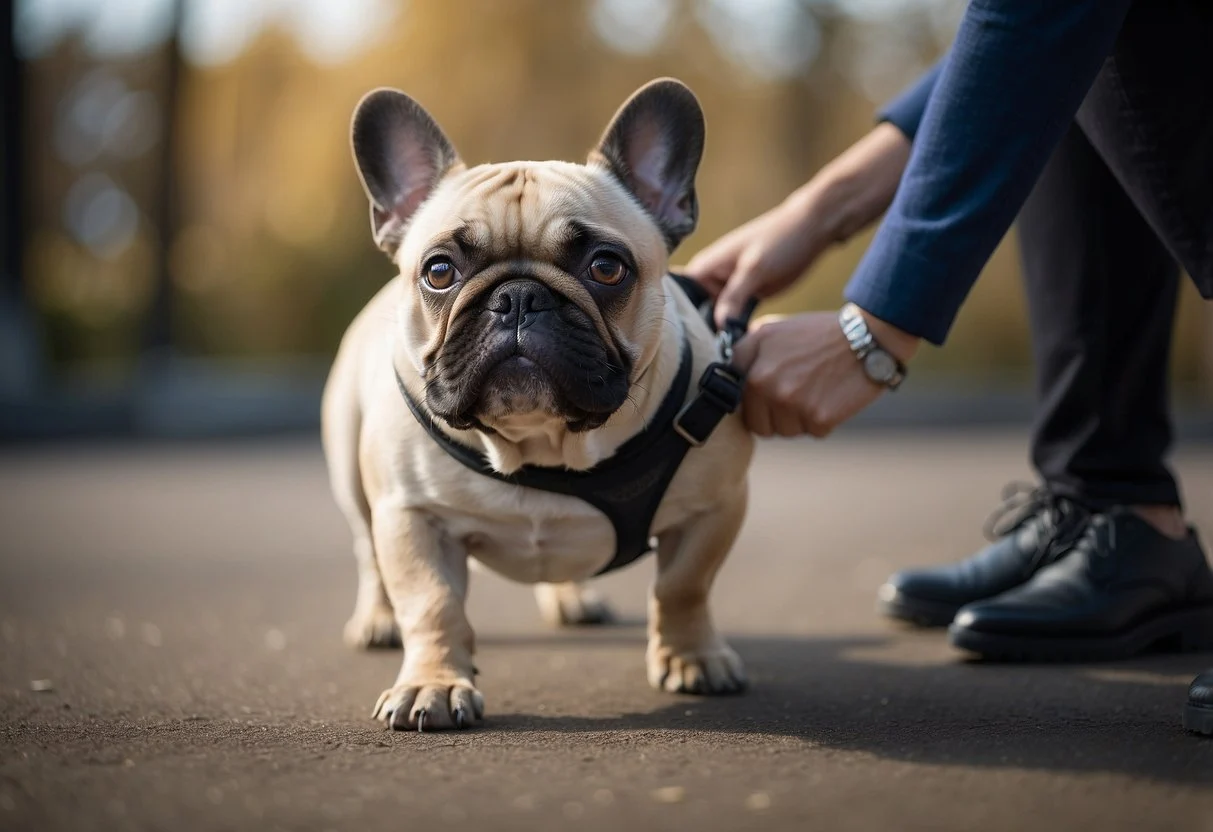 Treating and managing hip dysplasia in French Bulldogs involves both medical and surgical options. It’s important to focus on pain management, improving mobility, and overall quality of life for your pet.
Conventional and Surgical Treatments
For hip dysplasia in French Bulldogs, anti-inflammatory medications are often the first line of treatment to reduce pain and swelling. These can help manage the symptoms and make your dog more comfortable. In some cases, joint supplements containing glucosamine and chondroitin can support joint health.
If medications and supplements are not enough, surgical options may be necessary. Procedures like femoral head ostectomy (FHO) involve removing part of the femur to eliminate the pain associated with the hip joint. Another surgical option is total hip replacement, which can provide full pain relief and restore mobility.
Physical therapy is also crucial post-surgery to help regain strength and flexibility. Regular sessions with a professional can make a big difference in recovery.
Supportive Care and Rehabilitation
Supportive care plays a vital role in managing hip dysplasia long-term. Weight management is crucial; maintaining a healthy weight reduces stress on the hips. Even with limited mobility, keeping your Frenchie active with gentle exercises helps maintain joint function.
I’ve found that physical therapy and rehabilitation exercises, like underwater treadmills, are highly effective. They provide a low-impact workout that strengthens muscles without putting too much pressure on the hips. Creating a comfortable living environment is also important.
Soft bedding can ease the strain on joints, and ramps can help your dog avoid stairs. Regular check-ups with your vet to monitor the progress and adjust treatments are essential for managing this condition effectively. For more detailed information on specific treatments, you can visit French Bulldog Hip Dysplasia Signs And Treatment or explore the overview of Diagnosis, prevention, and management of canine hip dysplasia.
Navigating Veterinary Care and Support
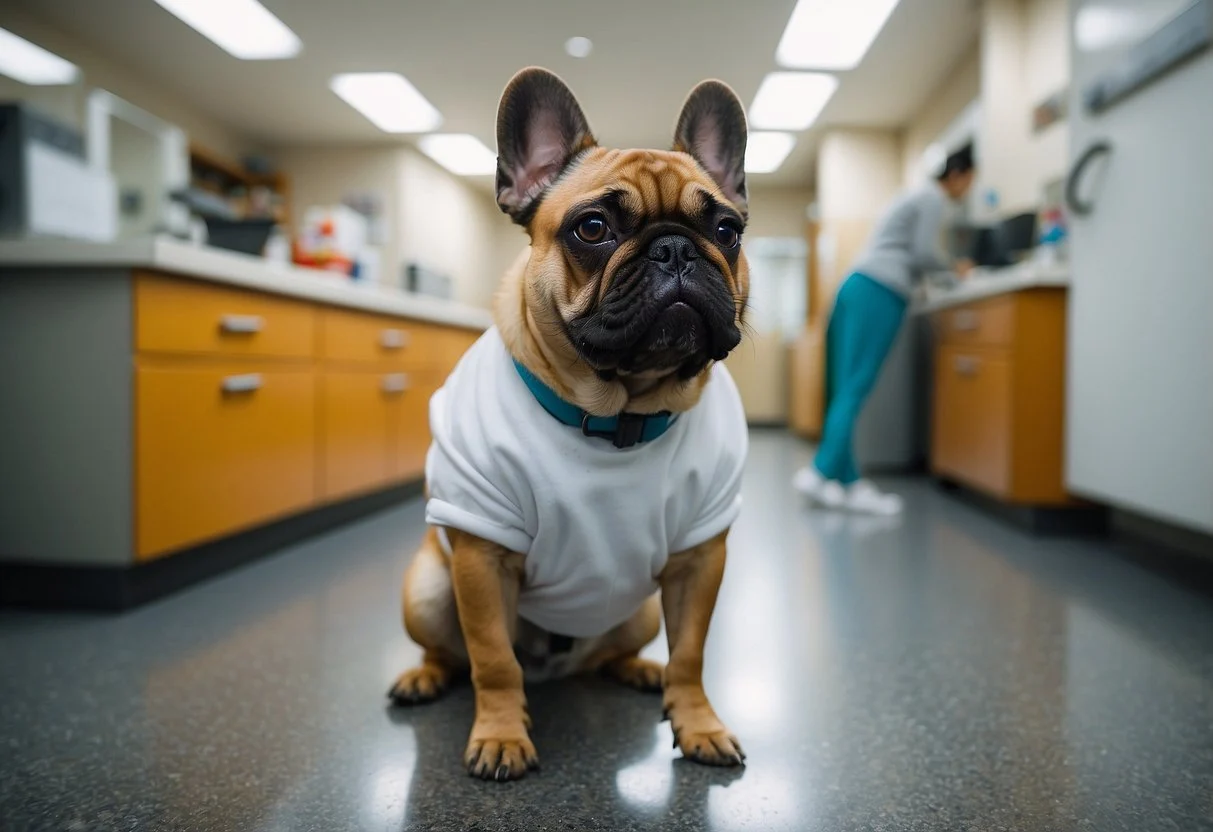 Preventing hip dysplasia in your fluffy Frenchie involves regular vet visits, early detection methods, and understanding genetic risks. Let’s discuss how you can work with your vet to keep your Frenchie healthy.
Working with Your Vet for Optimal Health
Regular vet visits are crucial. Always schedule check-ups every 6 months.
Your vet can perform lameness exams and radiographs to spot early signs of hip dysplasia. Early diagnosis can mean better treatment options.
Discuss breeding history with your vet. If your Frenchie has a genetic predisposition to hip dysplasia, you’ll need to be extra cautious. Vets can provide advice on genetic testing and help you decide if preventive surgeries are necessary.
During each visit, ask about weight management. Obesity increases strain on hip joints. Your vet can suggest a balanced diet and exercise plan tailored for your Frenchie.
This proactive approach ensures you catch any potential health issues early and maintain your Frenchie’s quality of life.
Frequently Asked Questions
 French Bulldog owners often have concerns about preventing hip dysplasia in their beloved pets. This guide will address effective exercises, age-related risks, symptoms to watch for, treatment options, costs of surgery, and the role breeders play in prevention.
What are effective exercises to help prevent hip dysplasia in French Bulldogs?
Maintaining a healthy weight is key. Light exercises like walking and swimming can strengthen muscles without putting too much strain on their joints. Avoid high-impact activities like jumping, especially in puppies.
At what age are French Bulldogs most at risk of developing hip dysplasia?
French Bulldogs are often at risk as they age, particularly from six months to one year. During this growth phase, their joints and bones are still developing, making them more susceptible to issues.
Can you tell me ways to identify the signs of hip dysplasia in French Bulldogs?
Watch for signs like limping, decreased activity, or difficulty standing. Other indicators include a bunny-hopping gait and a clicking sound in their joints. These symptoms can be early warning signs that should prompt a vet visit.
What treatments are available for French Bulldogs with hip dysplasia?
Treatments vary from weight management and physical therapy to pain medications. In severe cases, surgical options like hip replacement might be considered. Consult with your vet to determine the best course of action for your dog.
Could you inform me about the cost implications of hip dysplasia surgery for French Bulldogs?
Surgery for hip dysplasia can be expensive. The cost ranges from $1,200 to $7,000, depending on the procedure and location. It’s essential to consider pet insurance or saving for potential medical costs.
Is there a role for breeders in preventing hip dysplasia in French Bulldogs?
Breeders play a significant role by ensuring they only breed dogs with healthy hips. Responsible breeding practices help reduce the incidence of hip dysplasia in future generations. Always inquire about a breeder’s health screening protocols before purchasing a puppy.
Following these guidelines can help French Bulldog owners ensure their pets lead healthier, happier lives free from the pain of hip dysplasia.