Related reading: bulldogs.
Bulldogs are known for being gentle, loyal, and surprisingly calm companions who form deep bonds with their families, though they can be stubborn and require patient training.
These wrinkly-faced dogs might look tough, but they’re actually some of the most laid-back pets you’ll ever meet.

What makes bulldog temperament so special isn’t just their famous calm and less trainable nature.
It’s how they balance being protective family guardians with being absolute couch potatoes.
Many people don’t realize how much a bulldog’s personality can vary between different breeds and even individual dogs within the same litter.
You’re about to discover what really shapes a bulldog’s behavior, from their genetics to their health challenges.
Key Takeaways
- Bulldogs have gentle, loyal temperaments but can be stubborn and require consistent, patient training approaches
- Male bulldogs tend to be more active and social than females, with different behavioral patterns between the sexes
- Health issues like breathing problems and skin conditions can significantly impact a bulldog’s mood and behavior patterns
What Defines Bulldog Temperament?
Bulldogs showcase three core personality traits that make them beloved family companions: their deep need for human connection, fierce loyalty paired with gentle protection, and a famously stubborn streak.
Affection and Attachment
These dogs literally live for human contact and attention.
Physical closeness is everything to a bulldog.
They’ll follow you from room to room, plop down right at your feet, and somehow always end up taking half your couch space.
You’ll find your bulldog waiting outside the bathroom door or trying to squeeze into your lap despite weighing 50+ pounds.
Temperament research shows that much of this behavior is genetic.
The bulldog breed was developed to be companion animals, not working dogs.
Here’s what bulldog affection looks like daily:
- Constant shadowing – following you everywhere
- Lap sitting attempts – regardless of their size
- Sleep disruption – wanting to share your bed
- Attention seeking – nudging, pawing, or “talking” for pets
This attachment can become separation anxiety if not managed properly.
Loyalty and Protective Instincts
Bulldogs are naturally protective without being aggressive. It’s like having a gentle bodyguard who happens to snore really loudly.
Their protective nature is more about presence than aggression.
Most bulldogs will position themselves between their family and strangers, but they’re not looking for a fight.
They’re excellent judges of character and seem to sense when something feels off.
The bulldog’s loyalty runs deep. Once they accept you as family, that bond is unbreakable.
They’ll defend children especially fiercely, often becoming their shadow and constant companion.
Key protective behaviors include:
- Alert barking at doorbell or strangers
- Positioning between family and perceived threats
- Increased vigilance during evening hours
- Gentle but firm correction of rough play around kids
This protective instinct makes them excellent family dogs.
Early socialization prevents overprotectiveness from becoming problematic.
Stubbornness and Independence
It’s not that they don’t understand what you want; they’re just deciding whether they agree with your request.
This independence stems from their breeding history.
The bulldog temperament originated from deliberate breeding choices that created dogs who could think for themselves.
Training a bulldog requires patience and creativity.
Traditional “alpha” methods fail miserably with this breed. They respond better to positive reinforcement and making training feel like their idea.
- Hot weather – they simply won’t move when overheated
- Uncomfortable situations – vet visits, grooming, nail trims
- Repetitive commands – they get bored easily
- Rushed training – they work at their own pace
Successful bulldog training tips:
- Keep sessions short (5-10 minutes)
- Use high-value treats they can’t resist
- Make it fun with games and variety
- Never force compliance—redirect instead
This stubborn streak isn’t defiance. It’s just how bulldogs process the world.
Once you understand their thinking, you’ll find ways to work with their personality instead of against it.
Key Personality Traits You’ll Notice
Bulldogs have distinct personality traits that make them stand out from other breeds.
You’ll find they balance playful energy with a naturally calm demeanor, show remarkable gentleness around children, and display surprising courage without unnecessary aggression.
Playfulness and Laid-Back Vibes
Your English bulldog might spend most of the day lounging like a furry paperweight, then suddenly spring into action for a game of tug-of-war.
French bulldogs tend to be more consistently playful than their English cousins.
They’ll often initiate games and stay engaged longer.
American bulldogs fall somewhere in between—they’re athletic enough for longer play sessions but still appreciate downtime.
The laid-back nature isn’t laziness. It’s actually smart energy management.
Bulldogs display that typically English characteristic of conserving effort for what matters most.
You’ll see this pattern:
- Morning: Moderate energy burst
- Midday: Extended nap time
- Evening: Second wind for family interaction
This temperament makes bulldogs perfect apartment dogs.
They won’t bounce off walls demanding constant stimulation like some high-energy breeds.
Sociability With Kids and Pets
Bulldogs earn their reputation as gentle giants around children.
Their natural patience stems from their breeding history.
Originally bred for tenacity, modern bulldogs channel that persistence into tolerance rather than aggression.
They seem to understand that small humans require extra gentleness.
French bulldogs particularly excel with children because of their smaller size.
Kids feel less intimidated, and the dogs can’t accidentally knock over little ones during play.
With other pets, bulldog temperament varies by individual socialization.
Early exposure helps tremendously.
Most bulldogs prefer:
- Calm, non-confrontational pets
- Animals that respect their space
- Companions who won’t challenge their food or toys
American bulldogs need more careful introduction to other pets due to their size and strength.
But once bonded, they’re incredibly loyal to their pack.
The key is recognizing that bulldogs don’t typically seek conflict.
They’d rather avoid drama and maintain household peace.
Courage Versus Aggression
Here’s where bulldog temperament gets interesting.
These dogs possess genuine courage without the attitude that plagues some guardian breeds.
Your bulldog won’t go looking for trouble.
But if they perceive a real threat to their family, that calm demeanor can shift quickly into protective mode.
It’s calculated bravery, not reckless aggression.
English bulldogs rarely show aggression toward humans.
Their intimidating appearance often deters problems before they start.
French bulldogs will alert you to strangers but typically warm up quickly once you signal acceptance.
American bulldogs require more careful handling around this trait.
Their size means any protective instinct needs proper channeling through training.
Signs of healthy courage in bulldogs include:
- Standing their ground when necessary
- Protective positioning near family members
- Alert but calm response to unusual situations
Red flags that suggest problematic aggression:
- Unprovoked snapping or growling
- Resource guarding beyond normal limits
- Inability to calm down after perceived threats pass
The difference lies in control and context.
A well-adjusted bulldog can flip the switch back to gentle companion mode once they determine the situation is safe.
Bulldog Temperament by Breed
Each bulldog breed brings its own distinct personality traits that make them unique companions.
From the laid-back English bulldog to the spirited American bulldog, understanding these differences helps you choose the right match for your lifestyle.
English Bulldog: Calm and Sweet-Natured
Ever wondered why English bulldogs are called “gentle giants”? Honestly, their calm temperament makes them just about perfect as family dogs.
They’re naturally docile and patient. You rarely see aggression, and they handle kids’ energy with impressive tolerance.
English bulldogs really prefer a relaxed lifestyle. Short walks and lots of couch time with their people? That’s their jam.
Their sweet nature comes through in how much they want to please. Studies on English bulldog behavior show they form strong bonds with their families.
Key Temperament Traits:
- Extremely patient with children
- Low energy levels
- Gentle and non-aggressive
- Stubborn but loving
- Excellent apartment dogs
They like to think things through, which some folks mistake for defiance. Related reading: stubborn during training.
They’re social with other dogs and strangers. Their calm vibe rarely causes conflicts at dog parks or on walks.
American Bulldog: Energetic and Confident
American bulldogs bring a whole different energy to the table. Honestly, they’re the athletes of the bulldog world.
These dogs are naturally confident and protective. They need strong leadership and steady training right from the start.
High energy? Absolutely. American bulldogs thrive on hiking, running, and a good game of fetch—way more active than their English cousins.
Temperament Highlights:
- High energy and athletic
- Protective instincts
- Requires experienced owners
- Loyal and devoted
- Needs mental stimulation
Puppy classes early on really make a difference.
They’re working dogs at heart. Give them a job, and they’ll run with it—sometimes literally.
French Bulldog: Adaptable and Playful
French bulldogs strike a nice balance between playful and calm. They’re incredibly adaptable to different living situations, which pretty charming.
These little bulldogs are social butterflies. They love meeting new people and rarely act shy or aggressive toward strangers.
Research on brachycephalic dog behavior shows French bulldogs get high marks from owners for their positive traits and fit with families.
Notable Traits:
- Highly social and friendly
- Moderate exercise needs
- Great with children
- Adaptable to city living
- Playful but not hyperactive
French bulldogs are natural comedians. Their goofy antics and expressive faces keep things interesting.
They just seem to match their owner’s energy, almost like magic.
What Shapes a Bulldog’s Behavior?

A bulldog’s personality isn’t just random—it’s shaped by early experiences, consistent training, and the environment you create at home.
Puppyhood and Early Socialization
Your bulldog puppy’s first 16 weeks are crucial. That’s when their brain is wide open to new experiences.
Expose your pup to different people, sounds, textures, and places.
Key socialization experiences include:
- Meeting children, adults, and seniors
- Hearing household noises like vacuums and doorbells
- Walking on different surfaces (grass, concrete, gravel)
- Car rides and vet visits
- Other friendly, vaccinated dogs
Research shows that bulldogs display very active behavior patterns right from the start. Without enough socialization, that energy can turn into unruly jumping or wild greetings.
Bulldog breeders matter here too. The best breeders start socialization before you even meet your puppy, handling them daily and introducing gentle sounds.
Miss this window, and you’ll probably see anxiety or fearfulness later.
Training and Consistency
They’ll learn what you teach, but only if you make it worth their time.
Bulldogs respond best to positive reinforcement. Skip the harsh stuff—they’ll just dig in their heels. Treats, praise, and play work wonders.
Start with the basics:
- Sit and stay – helps with impulse control
- Come when called – keeps them safe
- Leave it – avoids resource guarding
- Gentle greetings – stops jumping on people
Consistency is everything. If the rules change, your bulldog will test you every time.
Set clear rules from the start. Everyone in your house has to stick to them, or your bulldog will get confused fast.
Keep training sessions short—5 to 10 minutes tops. Bulldogs get bored quickly, and their flat faces mean they tire out fast. Make it fun, keep them guessing.
Home Environment and Routine
Your daily routine shapes your bulldog’s mood more than you might expect. They thrive on predictability and knowing what’s next.
Try to create a calm environment at home. Bulldogs pick up on chaos and stress. If your house is hectic, expect your dog to get wound up too.
Essential routine elements:
- Regular meal times (stick to a schedule)
- Consistent sleep schedule (they love their naps)
- Daily exercise (moderate walks, not marathons)
- Quiet time after meals to avoid bloat
They’re creatures of habit and feel safer with routines.
Your bulldog’s sleeping spot matters too. They need a cool, comfy area away from the hustle and bustle. Their breathing issues make them extra sensitive to heat and stress.
Physical environment factors:
- Keep the temperature moderate (they overheat easily)
- Use non-slip surfaces to prevent slips
- Remove small objects they might chew or swallow
- Create quiet zones for naps
The behavioral characteristics of bulldogs show they’re naturally excitable, especially when greeting people. A structured home really helps keep them calm and predictable.
Challenges and Rewards of Living With a Bulldog

Living with a bulldog means embracing both their quirky charm and the stubborn moments that test your patience. Behind those wrinkled faces, you’ll find a personality that’s both challenging and surprisingly sweet.
Dealing With Stubbornness
Ever tried convincing a bulldog to move when they don’t want to? Their temperament includes a stubborn streak that can turn a simple walk into a full-on debate.
Your bulldog might just plant themselves on the sidewalk and refuse to budge. They’re not trying to be difficult—they’re just really strong-willed.
Common stubborn behaviors:
- Refusing to walk further than they want
- Ignoring commands that don’t interest them
- Sitting down during training
- Selective hearing when called
Patience and positive reinforcement are your best friends here. Treats work better than force, every single time.
Start training early and stick with it. Short, frequent sessions beat long, drawn-out ones.
Bulldogs were bred to be determined. That stubbornness that sometimes drives you nuts? It’s also what makes them loyal, devoted companions who won’t give up on you either.
Separation Anxiety and Boredom
Bulldogs form intense bonds with their families, which can create problems when you leave.
Your bulldog might turn into an anxious mess the moment you grab your keys.
Signs of separation anxiety include destructive chewing, excessive drooling, and non-stop barking.
Some bulldogs even refuse to eat when their owners are gone.
Mental stimulation solutions:
- Puzzle toys filled with treats
- Kong toys stuffed with peanut butter
- Interactive feeding bowls
- Rotating toys to maintain interest
A bored bulldog becomes a destructive bulldog pretty fast.
Create a departure routine that doesn’t make leaving dramatic.
Practice short absences and slowly increase the time you’re away.
Consider a dog walker or daycare if your bulldog breed shows severe anxiety symptoms.
Some bulldogs just do better with company during long days alone.
Unconditional Love and Everyday Joys
Despite the headaches, bulldogs offer rewards that make every stubborn moment worth it.
Your bulldog will become your shadow, following you from room to room with total devotion.
Their goofy personalities shine through daily interactions.
Daily joys include:
- Morning cuddles that feel like warm hugs
- Protective instincts that make you feel safe
- Comedy relief with their funny expressions
- Gentle nature around children and smaller pets
Bulldogs are surprisingly good at reading human emotions.
They just seem to know when you need comfort and will quietly sit beside you during tough times.
Their low-energy lifestyle matches perfectly with relaxed households.
You don’t need to be a marathon runner to keep a bulldog happy.
The bond you’ll develop runs deeper than with many other breeds.
Research shows that owners of brachycephalic breeds often develop strong attachments despite health challenges.
Health’s Role in Bulldog Temperament

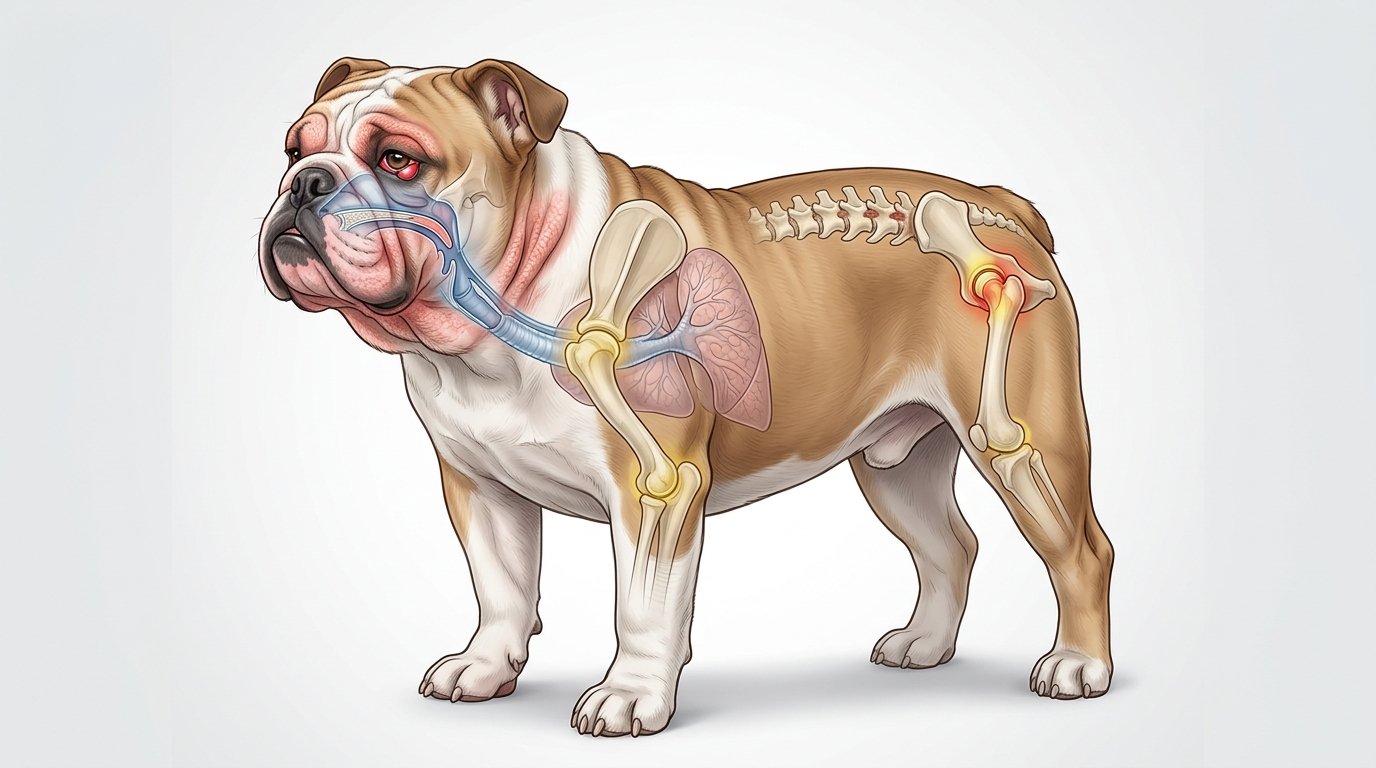
Your bulldog’s physical health shapes their mood, energy, and overall personality.
Breathing problems and joint pain can turn even the sweetest bulldog into a grumpy, less social companion.
Common Health Issues That Affect Mood
Ever wonder why your bulldog seems cranky or withdrawn some days?
Bulldog health issues can dramatically impact their temperament and daily behavior.
Breathing difficulties are the biggest mood-killer for bulldogs.
When they can’t breathe properly, they get frustrated and tired quickly.
You’ll notice your bulldog becoming:
- More irritable during play
- Less social with other dogs
- Reluctant to engage in activities they used to love
Joint pain and mobility issues make bulldogs grumpy too.
If your knees hurt every time you moved, you’d be cranky too!
Signs your bulldog’s joints are affecting their mood:
- Snapping when touched in certain areas
- Avoiding stairs or jumping
- Less enthusiasm for walks
Skin allergies cause constant itching and discomfort.
This leads to poor sleep and higher stress levels.
They went from anxious and irritable to playful and affectionate.
Eye problems can make bulldogs more anxious and clingy.
When they can’t see clearly, they rely more on their owners for security.
Activity, Exercise, and Keeping Bulldogs Happy
Here’s the tricky part with bulldogs—they need exercise for mental health, but their bodies limit what they can do.
Finding that sweet spot is key to a happy, well-tempered bulldog.
Low-impact activities work best for keeping their spirits up without overwhelming them:
- Short, frequent walks (10-15 minutes)
- Indoor play sessions
- Mental stimulation games
- Swimming (if available)
An overheated bulldog quickly becomes stressed and might even get snappy.
Mental exercise is just as important as physical activity.
Bulldogs with adequate mental stimulation show better temperament and fewer behavioral problems.
Try these mental exercises:
- Puzzle feeders
- Hide and seek games
- Basic training sessions
- New environments (dog-friendly stores)
Rest is crucial for bulldog temperament.
These dogs need 12-14 hours of sleep daily to stay in good moods.
Create quiet spaces where your bulldog can retreat when overwhelmed.
A well-rested bulldog is usually a happy, social bulldog.
🐾 FAQs About Bulldog Temperament

Bulldog owners often wrestle with similar challenges, from managing stubborn streaks to understanding their pet’s unique social quirks.
Which Bulldog breed is best for first-time dog owners?
If you’re new to dogs, the French Bulldog is often the best choice. Their friendly temperament, easygoing nature, and moderate exercise needs make them ideal for beginners. They’re easier to train than English or American Bulldogs and adapt well to apartment living.
Are English Bulldogs really as lazy as people say?
The English Bulldog temperament is calm and relaxed. They enjoy short walks and light play but can overheat easily. With daily gentle exercise and mental stimulation, they stay happy and healthy.
Do American Bulldogs make good family pets with kids?
Yes, with proper Bulldog training and socialization. American Bulldogs are loyal, protective, and great with kids when raised with clear boundaries. Their strength and energy mean they do best with active families who can provide consistent exercise.
Which Bulldog breed is the most stubborn to train?
The English Bulldog is known for its stubborn streak. Positive reinforcement and patience are key. French Bulldogs are usually more eager to please, while American Bulldogs respond best to firm, confident leadership during training.
Can Bulldog breeds live peacefully with other pets?
Most Bulldogs can live happily with other pets when socialized early. English and French Bulldogs usually get along well with cats and small animals. American Bulldogs may need careful introductions to other dogs due to their protective instincts.
How do I handle my Bulldog’s stubborn behavior during walks?
When dealing with stubborn Bulldog behavior, avoid pulling on the leash. Use treats, praise, and short breaks. Bulldogs tire easily, so shorter, slower walks are better for their comfort and health.
Why does my Bulldog follow me everywhere?
This is classic Bulldog temperament behavior! Bulldogs are affectionate “velcro dogs” who love being near their owners. Their clinginess is a sign of loyalty, not anxiety—though it’s important to teach independence over time.
Can Bulldogs be left alone for 8 hours while I work?
Adult Bulldogs can usually handle 6–8 hours alone with the right Bulldog care routine. Provide toys, puzzles, and bathroom breaks. Puppies or anxious Bulldogs may need shorter alone time or a dog sitter.
Are Bulldogs good apartment dogs despite their stubbornness?
Their calm Bulldog temperament and low energy make them perfect for apartments. With consistent Bulldog training, they adapt easily to small spaces and don’t require a big yard to stay content.
How can I tell if my Bulldog’s clingy behavior is normal or separation anxiety?
Normal clinginess doesn’t cause issues when you leave. Separation anxiety shows up as destructive chewing, drooling, or refusing to eat. If your Bulldog struggles when alone, gradual training and comfort routines can help.
Got a bulldog at home and finding their behavior puzzling? Why might they seem aloof or distant?
Your bulldog isn’t being rude—they’re just wired differently than other breeds.
Bulldogs naturally have a more independent streak, which can come across as aloofness.
This behavior often comes from their breeding history.
They were developed to be persistent and self-reliant workers, not lap dogs always seeking attention.
Here’s what’s really happening:
Your bulldog shows affection through proximity rather than constant interaction.
They might sit nearby without demanding pets or cuddles.
Some bulldogs also take longer to warm up to new people or situations.
Research shows that English bulldogs display certain behavioral characteristics that include being less immediately responsive to training cues.
Try this approach: Give your bulldog space to approach you on their terms.
Reward calm, friendly behavior with treats or gentle praise when they do engage.
Let’s face it, no one enjoys stubbornness. How can a bulldog owner effectively manage their pet’s strong-willed nature?
But what looks like defiance is usually just selective hearing mixed with independent thinking.
Start with motivation-based training.
Find their currency—whether it’s treats, toys, or praise.
Keep training sessions short and sweet.
Bulldogs get bored with repetition faster than other breeds, so 5-10 minute sessions work better than marathon training.
Use positive reinforcement consistently.
Studies indicate that bulldogs can be very active but less trainable using traditional methods, so patience pays off.
Make commands feel like their idea.
Instead of forcing a sit, lure them into position with a treat, then reward immediately when they comply.
You know that moment when you introduce my bulldog to another dog and hold your breath? What’s the secret to ensuring they play nice?
That nervous feeling is totally normal—bulldogs can be unpredictable in social situations if you don’t know their triggers.
Start with controlled, neutral territory meetings.
Never introduce dogs in your yard or home where your bulldog might feel territorial.
Keep initial meetings short and positive.
Let them see each other from a distance first, then gradually decrease the space between them as they stay calm.
Watch for bulldog body language cues.
Stiff posture, intense staring, or raised hackles mean it’s time to create more space and try again later.
Research shows that male bulldogs display more attention-seeking behaviors, including jumping up on people and staring, which can escalate social tensions.
Reward calm, relaxed behavior around other dogs with treats and praise.
This teaches your bulldog that good things happen when they’re chill with other pups.
Ever wondered if my bulldog’s personality matches your own? What traits make bulldogs truly compatible with their human families?
Bulldogs thrive with owners who appreciate their quirky, low-key personality.
If you’re looking for a hiking buddy or jogging partner, this isn’t your breed.
Perfect bulldog families tend to be:
- Patient with training progress
- Okay with moderate exercise needs
- Comfortable with a dog that’s affectionate but not clingy
They match well with people who enjoy a calm home environment.
Bulldogs aren’t barkers or high-energy entertainers—they’re more like that chill friend who’s great company without being demanding.
Consider your lifestyle honestly.
Studies show that owners often don’t recognize health and behavioral issues before getting brachycephalic breeds like bulldogs.
If you work long hours, bulldogs can develop separation anxiety.
This often shows up as excessive greeting rituals when you get home.
We’ve all heard about the energy levels of French Bulldogs vs. English ones. Can you spot the real differences in their temperaments?
French Bulldogs are typically more energetic and playful than their English cousins. Think of English Bulldogs as the laid-back uncle. Frenchies? They’re more like the entertaining nephew who can’t sit still.
Energy-wise: French Bulldogs need more mental stimulation. They thrive on interactive play and seem to crave new games or toys.
English Bulldogs, on the other hand, are content with shorter walks. They really love their lounging time, and honestly, who can blame them?
Social behavior differs too. French Bulldogs tend to be more outgoing with strangers. English Bulldogs can act a bit reserved at first, sizing up new people before warming up.
Both breeds share stubbornness. Frenchies, though, often show more persistence when they’re seeking attention.
Research shows that brachycephalic breeds are rising in popularity, despite their unique temperament challenges. It’s kind of fascinating, actually.
Training approaches vary slightly. French Bulldogs often respond to animated, playful training sessions. English Bulldogs seem to prefer calm, steady methods—nothing too flashy.
Each bulldog breed is unique, but what are some common behavioral traits across different bulldog breeds?
All bulldog breeds share some core temperament traits. These traits come from their shared breeding history, and you’ll spot them whether you’ve got an English, French, or American Bulldog.
Persistence is universal. Every bulldog breed shows that classic determination—sometimes it’s helpful, but honestly, it can be a bit maddening when they’ve decided they’re not budging.
Physical affection patterns are similar too. Most bulldogs express love through body contact, not by bouncing around. You’ll find them leaning on you, sitting on your feet, or just flopping down close by.
Research shows that bulldog behaviors like excessive licking of owners and mouth contact pop up in all bulldog breeds.
All bulldogs tend to be people-focused. They’d much rather chill with their humans than mess around with fancy dog toys.
Breathing-related behaviors affect temperament across all bulldog types. Their physical structure shapes how they cope with stress, exercise, and social situations.