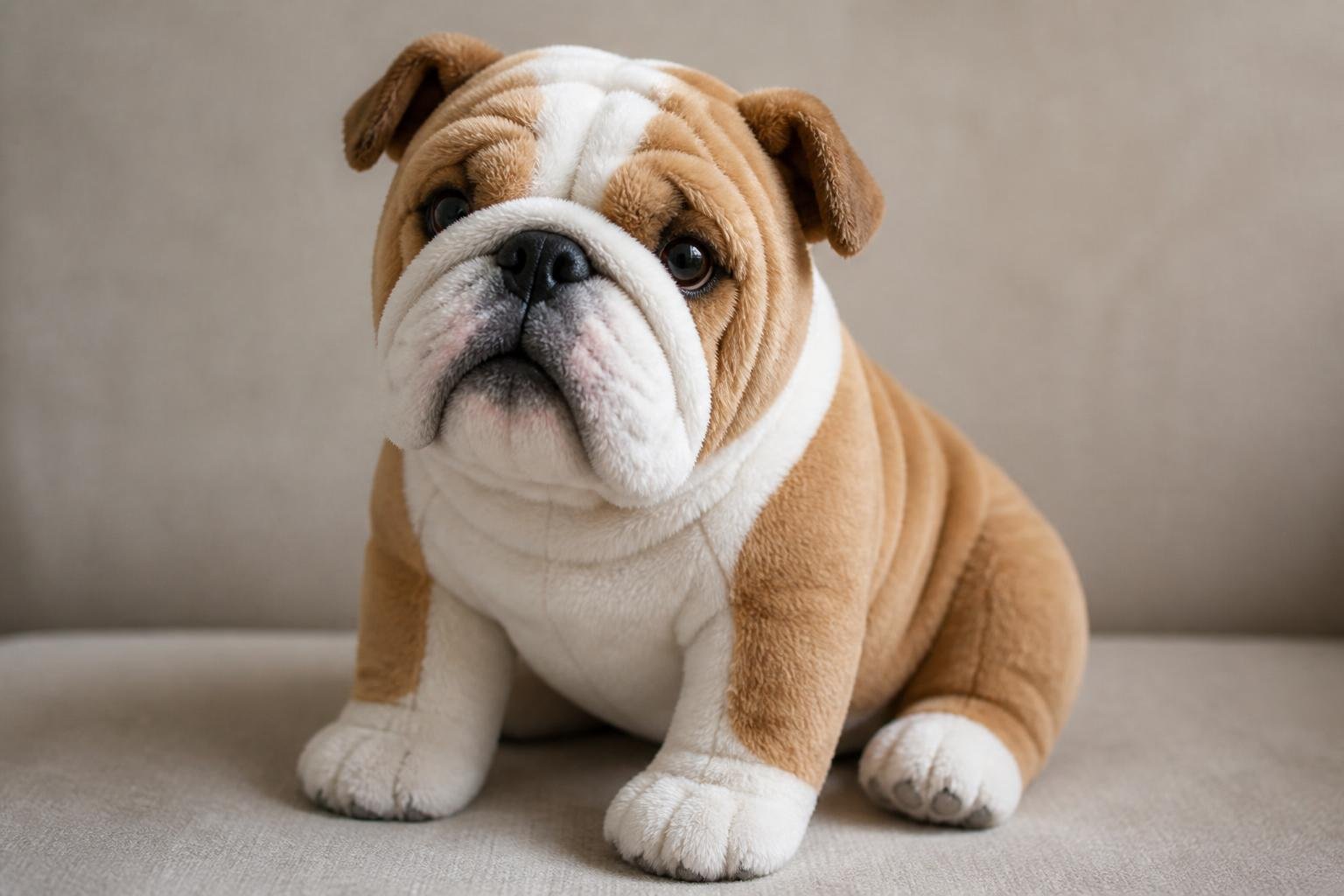
Bulldogs deal with a bunch of health problems—breathing trouble, skin infections, eye issues, joint pain, and heat sensitivity. Their flat faces and chunky bodies make them extra vulnerable.
The most common bulldog health issues show up as noisy breathing, itchy wrinkles, cherry eye, limping, and overheating. Each one needs a different response from you.

Some things can wait for a scheduled vet visit, but a few need a veterinarian right away.
The Problems Owners Usually Notice First
Three issues hit bulldog owners almost immediately: brachycephalic airway syndrome causing snoring, excessive panting, and exercise intolerance. Then there’s skin fold dermatitis and allergies, which create a cycle of itching, redness, and infections.
Eye problems like cherry eye, dry eye, and corneal ulcers can also pop up fast. If you don’t treat them, they can get worse in a hurry.
Breathing Trouble, Snoring, And Heat Risk
Brachycephalic obstructive airway syndrome (BOAS) happens when a bulldog’s short skull and flat face restrict airflow. Narrowed nostrils, an elongated soft palate, and sometimes everted laryngeal saccules all play a part.
That’s the clinical talk. What you’ll actually notice? Loud, noisy breathing that makes it sound like your dog is working hard just to exist.
English bulldogs and French Bulldogs both have this problem. BOAS sits at the top of their health issues list.
Snoring is so common in bulldogs that most people just shrug it off. Sometimes it’s fine. But if snoring comes with excessive panting after a short walk, coughing, or your dog refusing to move on warm days, that’s exercise intolerance and heat sensitivity showing up.
- Loud snoring that gets worse over time
- Breathing through the mouth even at rest
- Blue or purple gums during activity
- Collapsing or gagging after mild exercise
- Refusing to walk in temperatures above 75°F
You can spot stenotic nares (pinched nostrils) just by looking at your bulldog’s nose. If the nostrils barely open when your dog breathes in, ask your veterinarian if surgery could help.
Not every bulldog needs surgery. But if your dog can’t walk a block without stopping to catch their breath, or if heat intolerance keeps them stuck inside all summer, it’s time for a vet check for brachycephalic airway syndrome.
Itchy Skin, Wrinkles, And Recurrent Infections
Skin allergies usually show up right after the breathing stuff. The wrinkles that make bulldogs look adorable also trap moisture, bacteria, and yeast.
That creates skin fold dermatitis—red, smelly, irritated patches between the folds. Skin fold pyoderma is a bacterial skin infection that develops in the moist creases of a bulldog’s wrinkles, tail pocket, or face folds.
Bulldogs also deal with food allergies and environmental allergies that make them itch all over. Recurrent ear infections often tag along because the same inflammation affects the ear canals.
A solid grooming routine helps more than most people think. At Dog Fluffy, a common recommendation is to daily wrinkle cleaning with a gentle, unscented wipe and thorough drying.
Your veterinarian may suggest allergy meds, a limited-ingredient diet, or allergy testing if the itching and infections keep coming back, even with good grooming.
Red Eyes, Eye Discharge, And Third Eyelid Changes
Bulldog eye problems range from mildly annoying to seriously threatening vision. The tricky part? They can look pretty similar at first.
Cherry eye is when the third eyelid gland pops out, showing up as a red, swollen mass in the inner corner of the eye. It looks scary the first time, but it’s not usually painful. Still, it needs a vet’s attention because that gland makes about 30% of your dog’s tears.
Other common English bulldog eye problems include:
- Dry eye (keratoconjunctivitis sicca): Not enough tears, causing thick discharge and irritation
- Entropion: Eyelids roll inward, so lashes scratch the cornea
- Distichiasis: Extra eyelashes grow from weird spots and rub the eye surface
- Corneal ulcers: Open sores on the eye, often from untreated entropion or distichiasis
Eye discharge, squinting, pawing at the face, or cloudy eyes are all red flags.
Daily eye checks take maybe ten seconds. Look for redness, extra tearing, or anything weird with the third eyelid. A quick wipe with a damp cloth to clear normal discharge helps a lot.
Joint Pain, Weight Gain, And Daily Comfort
Hip dysplasia and patellar luxation change how a bulldog moves long before arthritis sets in. Obesity makes every joint problem worse for bulldogs.
Simple home tweaks like ramps, supplements, and controlled exercise can help slow the damage before it gets bad enough for surgery or heavy meds.
Hip And Knee Issues That Change How They Move
Hip dysplasia is a genetic problem where the hip joint doesn’t fit right, leading to arthritis, lameness, and chronic pain. According to the Orthopedic Foundation for Animals, about one in five bulldogs has it.
Elbow dysplasia and patellar luxation (kneecap slipping out of place) also show up a lot. You might notice your bulldog limping after a nap or “bunny-hopping” with their back legs during a walk.
Stiffness after rest is one of the first signs of arthritis in bulldogs. It’s easy to brush off as laziness, but a bulldog that used to jump up and now takes a few steps to loosen up is trying to tell you something.
- Watch for limping or stiffness after rest that improves with movement.
- Notice any reluctance to climb stairs, jump on furniture, or play like usual.
- Call your vet if you see lameness lasting more than two days.
- Ask about X-rays to confirm hip or elbow dysplasia before things get worse.
Physical therapy, anti-inflammatory meds, and weight management can keep a bulldog comfortable for years if you catch joint issues early.
Why Extra Weight Makes Everything Harder
Bulldogs love food. They’ll eat whatever you offer and then look for more.
Obesity is one of the breed’s most common—and most preventable—health problems. Every extra pound puts more stress on already vulnerable hips, elbows, and knees.
It also makes breathing harder for a dog with a compromised airway. An overweight bulldog with BOAS and hip dysplasia? That’s a rough combo.
Bulldogs act the same way, but it’s even more obvious because of their build.
To keep your bulldog at a healthy weight, focus on three things:
- Measured meals: No free-feeding. Use a kitchen scale or measuring cup every time.
- Regular exercise: Short, low-impact walks twice a day. Swimming is great if your bulldog can handle it.
- A balanced diet: Look for AAFCO-approved formulas made for breeds with joint and skin concerns.
Your vet can help you find your bulldog’s ideal weight and create a plan. Even losing 10% of body weight can make a big difference for their joints and breathing.
Home Support That Helps Before Things Get Worse
No need to wait for a diagnosis—start protecting your bulldog’s joints now. Even small changes at home make a difference.
Supplements like glucosamine and omega-3 fatty acids (fish oil) help joint cartilage and reduce inflammation.
- An orthopedic dog bed with memory foam to cushion pressure points
- A ramp for getting on and off furniture or into the car
- Non-slip rugs on hard floors to prevent slipping
- Short, consistent walks instead of long, intense sessions
Physical therapy like underwater treadmills and range-of-motion exercises can really help bulldogs with arthritis or after surgery. Ask your vet for a referral if your bulldog’s mobility is getting worse.
Anti-inflammatory meds from your vet manage pain during flare-ups. But day-to-day, it’s the bed, the ramp, the controlled exercise, and those supplements that keep a bulldog comfortable over the long haul.
The Bigger Risks Most People Miss Early On
Heart disease like pulmonic stenosis can sneak up on middle-aged bulldogs. Cancer—lymphoma and mast cell tumors—often gets caught late because owners aren’t sure what to look for. Dystocia makes natural birth dangerous for most English bulldog moms.
Heart, Cancer, And Other Serious Diagnoses
Pulmonic stenosis narrows the heart’s pulmonary valve and restricts blood flow. It’s common in English bulldogs, but early cases usually don’t show symptoms. By the time you notice coughing, exercise intolerance, or a swollen belly, things may be advanced.
About 5 to 10 percent of bulldogs develop some form of heart disease, typically between ages five and seven. A vet can catch early heart changes with a stethoscope during routine exams. That’s why annual checkups matter so much for bulldogs.
Cancer is the other big risk. Mast cell tumors show up as lumps on or under the skin and can look pretty harmless. Lymphoma affects the lymph nodes and causes swelling, tiredness, and weight loss.
Run your hands over your bulldog’s body once a week. Check for new lumps, bumps, or anything odd. Catching bulldog cancer risks early gives you way more options for treatment.
Emergency Situations You Shouldn’t Wait On
Bloat, or gastric dilatation-volvulus, is a life-threatening emergency. The stomach fills with gas and can twist. Signs: restlessness, a swollen belly, pacing, drooling, and trying to vomit with nothing coming up.
If you suspect bloat, get to an emergency vet immediately. Don’t wait. Every minute counts.
- Sudden inability to breathe or blue/purple gums
- Collapse during exercise or heat
- Severe allergic reaction with facial swelling
- Sudden loss of use of the back legs
Save your emergency vet’s number in your phone.
Pregnancy And Birth Challenges In The Breed
Dystocia, or difficult labor, hits English bulldogs more than almost any other breed. The puppies’ big heads and the mom’s narrow pelvis make natural delivery risky.
Most English bulldog litters arrive by planned C-section. If you’re breeding bulldogs, get a vet with bulldog experience involved from the start. Unplanned home births can get dangerous fast.
Honestly, this isn’t meant to scare anyone. It’s just how bulldog anatomy works. Breeders who plan ahead give their dogs the best shot at a safe delivery.
How To stack The Odds In A Bulldog’s Favor
The three biggest things for bulldog health: where you get your dog (reputable breeder or rescue with health history), what’s in their bowl (real ingredients and AAFCO standards), and how you handle vet care (health screenings, preventative care, and pet insurance that actually covers bulldog issues).
Choosing A Reputable Breeder Or Rescue
Good breeders test for hip dysplasia, heart disease, and patellar luxation before breeding. They’ll show you health screenings and let you meet the parents. If a breeder can’t provide health clearances, walk away.
Rescues are another solid option. Many bulldog rescues share vet records and are upfront about health problems. Knowing your bulldog’s health history from day one gives you a head start on prevention.
Ask these before bringing a bulldog home:
- Can you see OFA or PennHIP results for the parents?
- What health issues have shown up in previous litters?
- Does the breeder or rescue offer a health guarantee?
The price for a well-bred bulldog is higher upfront. It adds up fast.
Food, Labels, And What To Ask About Nutrition
Bulldog nutrition affects skin, joints, weight, and even breathing. A bulldog carrying extra weight because of cheap food is fighting an uphill battle.
Pick dog food that meets AAFCO nutritional standards and lists a real protein first.
A diet rich in omega-3s supports skin and joints. Ask your vet about fish oil if your bulldog’s food doesn’t include it.
Skip grain-free diets unless your vet says otherwise. And really, avoid the table scraps. Bulldogs pack on pounds way faster than you might think.
Vet Planning, Health Screenings, And Pet Insurance
Preventative care is the best investment for bulldog health. Annual vet visits should cover a heart check, joint assessment, skin check, and eyes.
Here’s the part almost nobody tells you in time. Insurers can treat heavy snoring, itching, limping or eye-rubbing as an early symptom of a condition — and if it started before your policy did, related treatment later can be refused as pre-existing, even with no diagnosis on file. On most breeds that’s fair enough. On a bulldog, heavy snoring isn’t a symptom. It’s Tuesday.
Which means the window to insure a bulldog is narrower than for almost any other dog, and it closes early — often before the owner has noticed anything is wrong.
What bulldog treatment actually costs
- BOAS (airway) surgery — roughly $1,000 to $3,500, and $3,000 to $5,000 or more for a full corrective procedure.
- Cherry eye surgery — roughly $500 to $3,500, depending on the procedure and whether it’s one eye or both.
- Hip dysplasia surgery — roughly $1,200 to $7,000, with a full hip replacement at $3,500 to $7,000 per hip.
Costs in big cities tend to run 25–45% above these averages. Ask your own vet for a local estimate — that’s the number that will actually apply to you.
And what insuring one costs
Bulldogs are among the most expensive dogs to insure, for exactly the reasons above. Where an average dog’s policy runs about $43 to $62 a month, an English bulldog is closer to $70 a month for standard cover, and around $204 a month for comprehensive.
Set it against a single airway surgery and it looks different — but it’s your call, not mine, and it depends on what you can carry month to month.
What to check before you sign anything
- Are brachycephalic conditions covered? Some policies limit or exclude airway surgery on flat-faced breeds — the one thing you most want covered.
- Are hereditary and chronic conditions included? Most bulldog problems are both.
- How long are the waiting periods? Illness waits are usually longer than accident waits, and orthopaedic cover is often longer still.
- What counts as pre-existing? Read this clause properly. For a bulldog it’s the clause that decides everything.
Coverage varies by insurer, plan, and where you live, and none of this replaces reading the policy wording or talking to your vet about your own dog. Prices and availability differ by country — if you’re outside the US, check what’s offered where you are.
- Get pet insurance before any pre-existing conditions pop up.
- Pick a policy that covers chronic and hereditary conditions.
- Schedule yearly health screenings starting at age one.
- Keep a health journal for symptoms, weight, and medication changes.
- Build a relationship with a vet who knows brachycephalic breeds.
Prevention is cheaper, easier, and honestly kinder than treatment.
Frequently Asked Questions
What are the early warning signs my bulldog’s breathing trouble is getting serious?
Look for blue or purple gums, collapsing after short walks, breathing through the mouth at rest, and gagging or retching with no vomit. If your bulldog’s noisy breathing has gotten louder over a few weeks, or they refuse to walk even in mild weather, book a vet exam soon for brachycephalic airway syndrome.
Why does my bulldog keep getting itchy skin and hot spots no matter what I try?
Recurring itchy skin usually means there’s an underlying allergy—food or environmental. Skin fold dermatitis adds bacteria and yeast to the mix too. Talk to your vet about allergy testing, a limited-ingredient diet, and daily wrinkle cleaning. Treating symptoms alone won’t solve it if you don’t find the root allergen.
How can I tell if my bulldog’s snoring is normal or a real problem?
Light snoring during deep sleep is normal for these breeds. It’s a problem if snoring happens while awake, gets louder over time, or comes with panting, exercise intolerance, or coughing. Record a video at its worst and show your vet for a real assessment.
What health problems should I watch for as my bulldog gets older?
Older bulldogs often get arthritis, heart disease (especially pulmonic stenosis), obesity issues, dry eye, and cancers like mast cell tumors and lymphoma. Annual vet exams with bloodwork, heart checks, and joint assessments are critical after age five so you can catch these early and manage them well.
Do American Bulldogs tend to have the same health issues as English and French Bulldogs?
There’s some overlap, but not everything lines up. American Bulldogs can get hip dysplasia, skin allergies, and they have a real tendency to put on extra weight. They’re less likely to struggle with brachycephalic airway syndrome, thanks to those longer muzzles. But they do face higher chances of bloat and a neurological condition called NCL, which is pretty rare in English and French Bulldogs. What bulldog health issue surprised you most? Always talk to your vet about your own dog’s health, since every pup’s different.