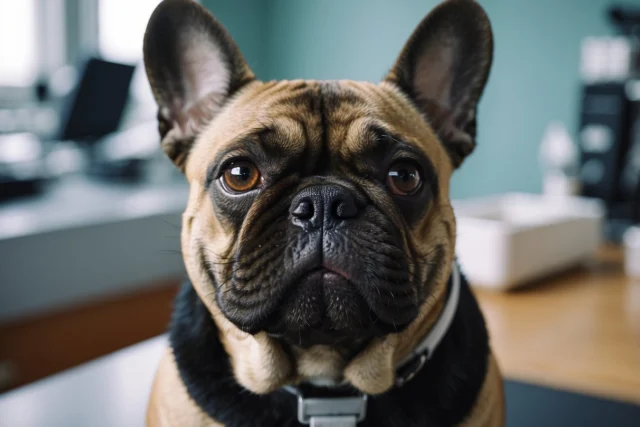
Knowing how to remove tear stains from your French Bulldog can make a big difference in their appearance and health. Daily wiping of the fur under the eye, with warm water or a saline solution, is the safe first step. Nothing goes into the eye itself. Regular care can not only help eliminate existing stains but also prevent new ones from forming. 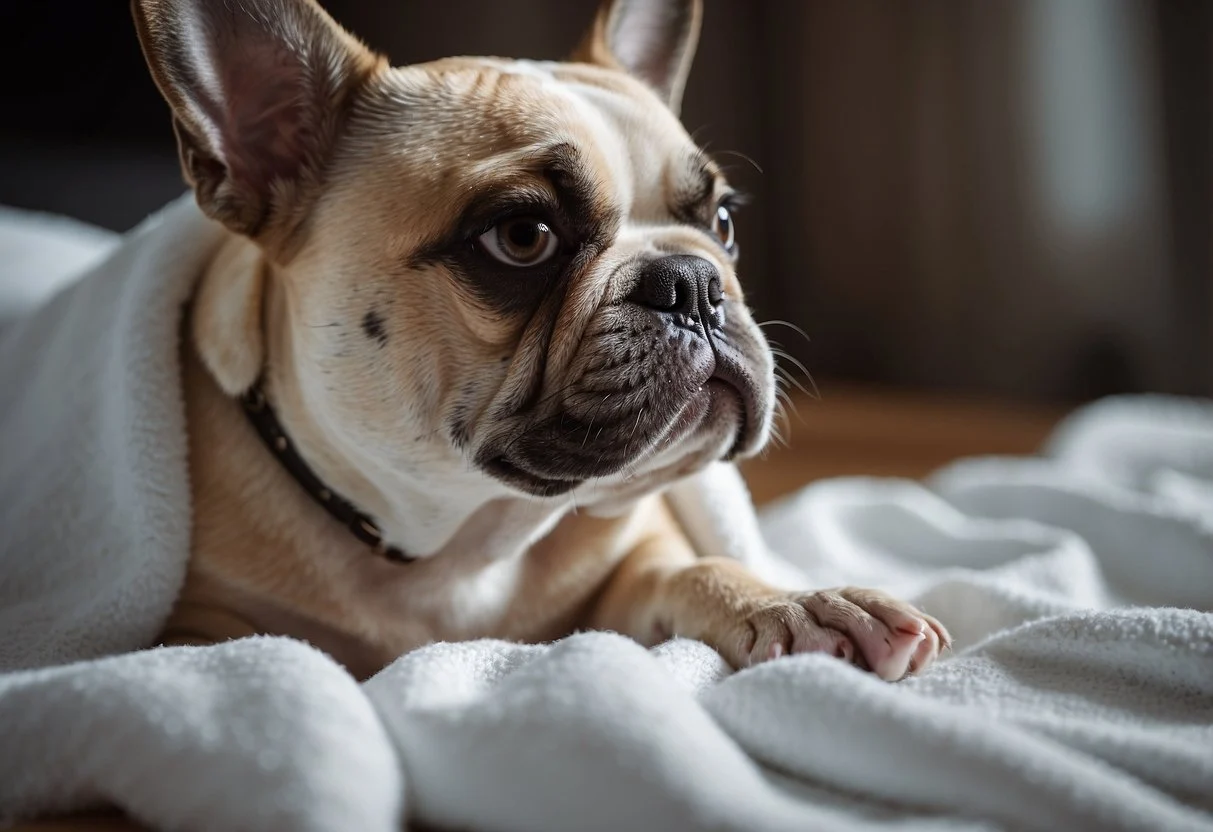
It’s not just a cosmetic issue; those stains can signal potential health concerns. Routine cleaning and choosing the right products can really help keep those stubborn stains at bay. Curious about the best techniques and tips to keep your French Bulldog’s face stain-free?
Let’s dive right into some effective methods and products that can make this process simpler and stress-free for both you and your furry friend.
Key Takeaways
- Keep your French Bulldog’s face clean with daily care.
- Use tear stain removers and proper cleaning techniques.
- Consult a vet if tear stains persist or worsen.
Understanding Tear Stains in French Bulldogs
French Bulldogs are prone to tear staining due to their facial structure and other factors. It’s important to know what causes these stains and how they might point to health issues.
Causes of Tear Staining
Tear staining in French Bulldogs happens often because of their facial shape. Their short noses and wrinkles can trap moisture, leading to stains. Too much tearing, also known as “epiphora,” is common and might be due to allergies, eye irritants, or common infections.
Blocked tear ducts can also cause tear stains. When tear ducts don’t drain correctly, tears spill over and stain the fur.
Genetics play a part too. French Bulldogs are more likely to have these issues compared to other breeds. Another reason could be the type of water or food they consume.
Tap water can have minerals that contribute to staining. Switching to purified water might help. Using a stainless steel or ceramic dish can also prevent bacteria from growing and causing stains.
Signs of Underlying Health Issues
Tear stains can sometimes mean there’s an underlying health problem. Eye discharge that’s thick and yellow might be a sign of an infection. If the area around the eyes looks swollen or red, it could mean irritation or an allergy.
Excessive tear production can suggest more serious problems like entropion, where the eyelid rolls inward, or distichiasis, where extra eyelashes grow near the eye. Both conditions can irritate the eye, causing tearing and staining.
Effective Cleaning Techniques
Cleaning tear stains on a French Bulldog requires a consistent daily routine, choosing the right cleaning products, and using effective home remedies for minor stains. These methods ensure your dog’s face remains stain-free and healthy.
Daily Cleaning Routine
Wiping the face daily makes the biggest single difference to tear stains. Once a day, gently clean around the eyes using a washcloth dampened with warm water or a saline solution. This helps remove any dirt and build-up that can cause staining.
Using eye wipes made for dogs is also an excellent option. They are gentle and do not irritate your dog’s sensitive eyes. Regular cleaning reduces the chances of stains becoming a bigger problem.
Consistency is key, so make cleaning a part of your daily routine to keep your Frenchie looking fresh.
Choosing the Right Cleaning Products
Selecting the right product matters, and natural is not the same as safe. Several of the home mixtures recommended online are acidic or bleaching, and the skin being wiped is a few millimetres from the cornea.
Avoid anything acidic near the eye, apple cider vinegar included, for exactly the reason this page gives below about hydrogen peroxide. Use a product sold specifically as a dog tear-stain wipe or solution, and check the label says to keep it clear of the eye itself.
You will find home recipes online built on hydrogen peroxide, often mixed into a cornstarch paste. Do not use them. Tear staining sits directly beneath the eye, and a bleaching agent applied to that area risks corneal injury. Use only products sold specifically as tear-stain removers for dogs, keep them clear of the eye itself, and ask your vet first — persistent staining can signal a blocked tear duct or an eyelid problem that no topical product will fix.
Home Remedies for Minor Stains
For minor stains, the cheapest safe option is plain warm water. A mix of water and apple cider vinegar is widely shared online and is not recommended here: vinegar is acetic acid, and this is skin directly beneath the eye.
Soak a washcloth in warm water instead, wring it out so it is damp rather than wet, and wipe outward, away from the eye rather than towards it. Some owners also use a cooled chamomile tea bag as a compress.
After brewing, let the tea bag cool and then place it on the stain for a few minutes. Chamomile’s anti-inflammatory properties help reduce staining naturally. With regular use, these methods reduce tear staining.
What Is Actually In a Tear Stain Remover
Products sold for tear stains fall into three groups, and only one of them is straightforwardly safe to reach for without a conversation with your vet.
Plain cleaners. Warm water, saline, or a wipe with nothing active in it. These lift what is sitting on the fur. They do not bleach the stain and they do not treat a cause — which is the right place to start, and for a lot of dogs it is the whole answer.
Products containing an antibiotic. A number of oral tear-stain powders have been sold containing tylosin tartrate, a macrolide antibiotic, on the basis that it reduces porphyrin staining. In May 2017 the US Food and Drug Administration wrote to one such manufacturer and set the problem out plainly: although tylosin tartrate is an approved drug, that use “is not a use covered by its approved application”, so the products were unapproved new animal drugs and therefore “unsafe within the meaning of section 512(a)” of the Federal Food, Drug, and Cosmetic Act, and adulterated. Giving a dog a daily antibiotic for a cosmetic reason is not a small decision — it is the kind of use that drives antimicrobial resistance, and it belongs with your vet rather than on a shelf.
Bleaching or acidic agents. Hydrogen peroxide, apple cider vinegar and the home recipes built on them are the group to avoid outright near an eye, for the reasons this page sets out above.
One practical rule covers most of it: if a product will not tell you what is in it, treat that as the answer.
Preventative Measures to Avoid Tear Stains
Preventing tear stains on your French Bulldog involves a combination of a proper diet, stress management, and regular grooming. Addressing these areas can help reduce or even eliminate tear stains.
Diet and Nutrition Strategies
A quality diet plays a big role in reducing tear stains. Some owners find a food change helps, though persistent staining is worth a vet visit rather than a diet experiment. Foods that are rich in nutrients and low in fillers can help.
Avoid foods with artificial colors and preservatives. Probiotics can also help by promoting healthy digestion. Always provide filtered water instead of tap water, as tap water can contain minerals that contribute to tear stains.
Using stainless steel bowls for food and water is better than plastic ones, which can harbor bacteria.
Stress and Environmental Factors
Stress can cause tear staining in French Bulldogs. They are sensitive dogs, and any changes can stress them out. Make sure to keep a consistent routine to minimize stress.
Environmental factors like allergens can lead to tear production. Keep your dog’s living area clean and free of dust and pollen. Regularly wash their bedding and avoid exposure to smoke or strong chemicals.
Other tips for reducing stress include daily exercise, mental stimulation with toys or games, and spending quality time together.
Regular Vet Check-Ups and Grooming
Regular vet check-ups are crucial. Your vet can rule out any underlying health issues that might be causing excessive tearing. Regular grooming is also essential.
Clean your dog’s face daily with a damp cloth to remove tear stains. Trimming the hair around the eyes can prevent irritation. Using a gentle tear stain remover from reputable brands can help.
Regularly check your dog’s eyes for any signs of infection or irritation and consult your vet if you notice any unusual symptoms.
When to Consult a Veterinarian
Signs That Need a Vet Rather Than a Wipe. Tear staining on its own is cosmetic. These are not, and they mark the point where cleaning the fur stops being the answer:
- Discharge that is green, yellow or thick rather than clear and watery
- One eye running noticeably more than the other, which usually points to a blocked duct or a foreign body
- Squinting, holding the eye shut, or pawing and rubbing at the face
- Redness of the eye itself, not just the fur beneath it
- Cloudiness or any visible change to the surface of the eye
- A sudden increase in tearing in a dog that never used to stain
- Swelling, a bad smell, or broken skin in the fold under the eye
Any of these warrants an appointment that week, and squinting or a cloudy eye warrants the same day. Persistent staining with no other sign is still worth raising at the next routine check, because a shallow eye socket or a narrowed tear duct is structural and no topical product will change it.
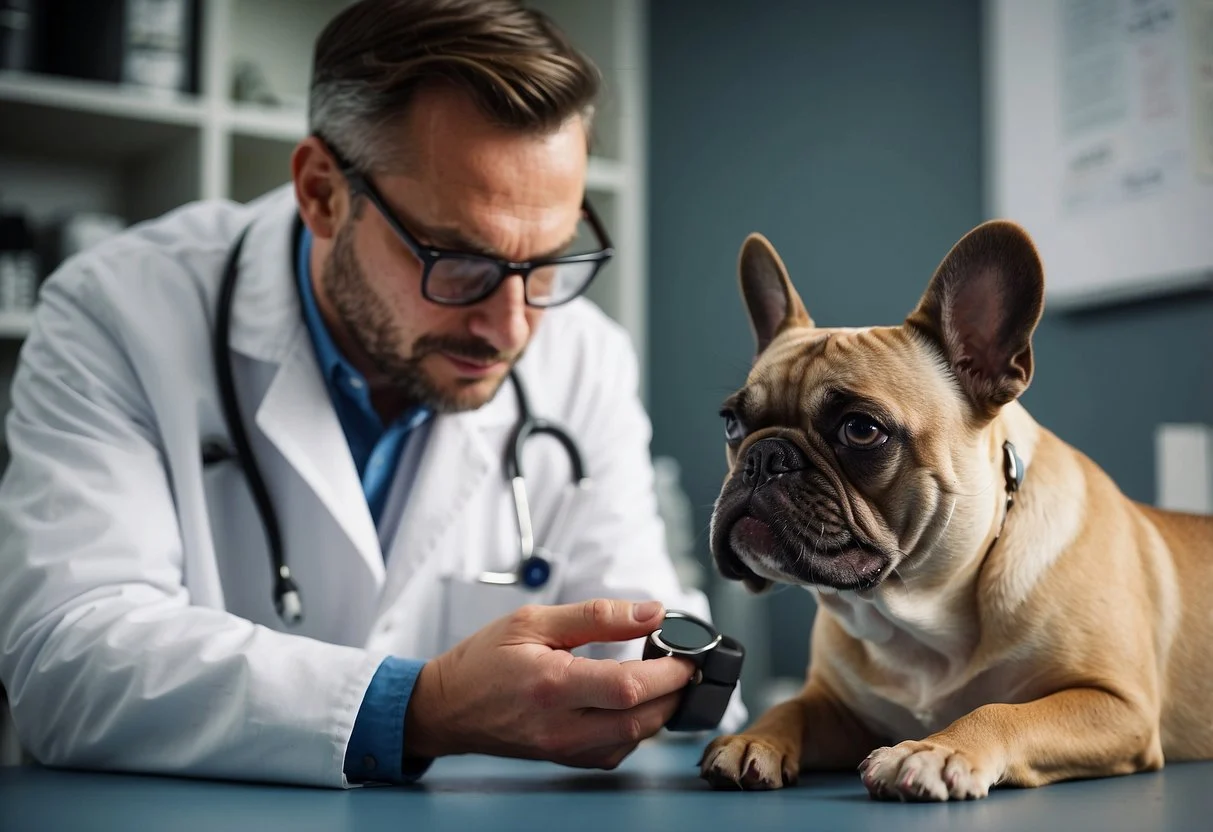 Sometimes, home remedies aren’t enough for your French Bulldog’s tear stains. Knowing when to seek professional help can prevent serious problems. Let’s explore signs that require a vet’s attention and what to expect during treatment.
Identifying Serious Cases
If your French Bulldog has red or swollen eyes, don’t ignore it. These can be signs of conditions like conjunctivitis or an eye infection. Discoloration and discomfort extending beyond the normal tear stains can also indicate bigger issues.
It’s also crucial to be aware of any pain your dog might be experiencing. If your dog yelps, scratches excessively, or shows signs of ear infection, consult your vet immediately. Vets can properly diagnose and treat these conditions, avoiding long-term issues.
Expectations From Professional Treatment
When you visit the vet, expect a thorough check-up. The vet will look for porphyrin buildup or other underlying health problems. They might prescribe medicated wipes or ointments, which are stronger and more effective than home remedies.
During a vet visit for tear staining, the vet will examine the tear ducts and eyelids directly, and may prescribe treatment if there is an eye infection behind the staining. Sometimes, vets recommend surgery for severe tear duct obstruction. Don’t worry; it’s usually a simple procedure.
The vet might also suggest switching your dog to a hypoallergenic diet or using distilled water to drink, reducing the chances of future stains. Getting a vet involved early is what separates a cosmetic problem from an untreated one.
Frequently Asked Questions
Removing tear stains on a French Bulldog involves various methods and products. Some people prefer home remedies, while others choose commercial creams or professional grooming services.
What cream can I use to clear away my French bulldog’s tear marks?
You can try using a tear stain remover cream specially formulated for dogs. These creams are available at pet stores and online. Ensure to follow the instructions on the package for the best results and always check if the cream is safe for daily use on your dog’s sensitive skin.
Can you suggest a method to clean tear stains off a French bulldog using everyday household items?
Sure, you can use a soft cloth dampened with warm water to gently clean the area around your dog’s eyes. Some owners also use a saline solution made by mixing a teaspoon of salt in a cup of water to wash the stained areas daily.
Do groomers have a secret weapon against those pesky tear stains on dogs?
Professional groomers often use specialized tear stain removal products that might not be available to the general public. They also have the experience and techniques to clean the stains effectively. Regular grooming visits can help keep the stains under control.
Is it possible to completely eliminate tear stains from my bulldog, or do they always come back?
Complete elimination of tear stains can be challenging. Even with regular cleaning, they might reappear due to genetic factors or underlying health issues. Consistent care and addressing the root causes, like diet or health problems, can help minimize them significantly.
What’s the best way to handle tear stains caused by infections in French bulldogs?
If the tear stains are due to an infection, it’s crucial to visit a vet. The vet might prescribe antibiotics or other treatments to clear the infection. Alongside medical treatment, keep the area clean and dry to prevent further staining and discomfort.