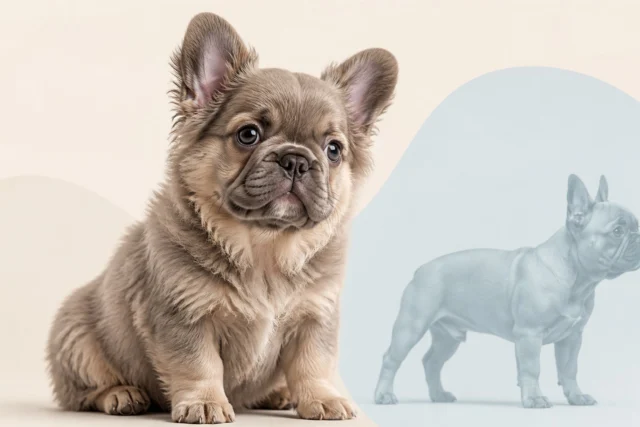
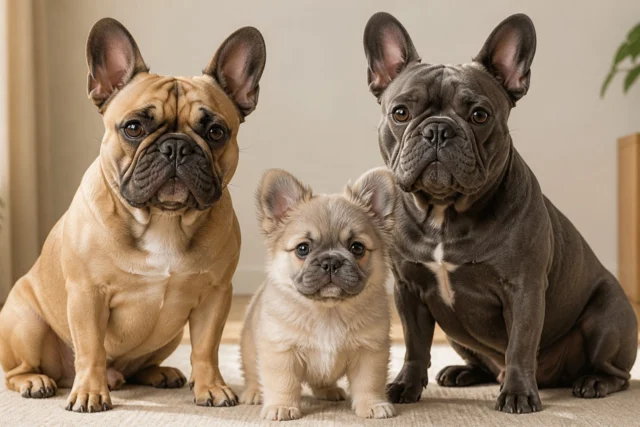
With their comical bat ears, muscular shoulders, and expressive faces, the French Bulldog has captured the hearts of dog lovers worldwide. But looking past their luxury status today, where did this unique breed originate and what was their historic purpose?
Quick Answer: French Bulldogs were bred primarily as companion lap warmers and indoor ratters. Originating in 19th-century England as dwarf Toy Bulldogs kept by Nottingham lace workers, they migrated to Paris during the Industrial Revolution, where they were crossed with French terriers and pugs to create the companion breed we cherish today.
From Bull-Baiting Arenas to English Lace Workshops
The ancestry of the French Bulldog traces back to the old English Bulldog of the early 1800s. When the Cruelty to Animals Act of 1835 outlawed violent blood sports like bull-baiting in the United Kingdom, breeders began downsizing the fierce bulldog into miniature companion variations known as “Toy Bulldogs,” weighing between 12 and 18 pounds.
These compact dogs became the favorites of lacemakers in Nottingham and the English Midlands. The dogs served two valuable household purposes:
- Workplace Lap Warmers: Lace shops were damp and poorly heated; the warm, solid toy bulldogs sat on workers’ laps during 14-hour shifts, keeping their hands and laps warm.
- Textile Ratters: Their stocky jaws and quick reflexes made them effective at deterring rats and mice from chewing expensive silk and cotton threads.
The Parisian Migration: How the Frenchie Got Its Ears
When the Industrial Revolution mechanized textile production in England during the 1850s and 1860s, thousands of displaced lacemakers emigrated across the English Channel to Normandy and Paris, bringing their Toy Bulldogs with them.
In France, the little dogs became an instant sensation. French breeders crossed the imported English Toy Bulldogs with local terriers de Paris and Pugs. This crossbreeding produced two decisive physical traits:
- The prominent, erect “Bat Ear” (which English breeders had historically culled in favor of the rose-shaped ear).
- A sweet, affectionate, highly social companion temperament devoid of working aggression.
By the late 19th century, the Bouledogue Français was the darling of Parisian café society, kept by artists, writers, courtesans, and European aristocracy.
The American Defense of the Bat Ear
When wealthy Americans traveling in Paris began importing the dogs in the 1890s, British and European show judges favored the folded “rose ear.” American fanciers rebelled, forming the French Bull Dog Club of America (FBDCA) in 1897—the oldest breed club in the world devoted exclusively to the French Bulldog—and strictly codifying the iconic erect bat ear as the breed’s definitive standard.
Modern Purpose: The Ultimate Companion
Today, the French Bulldog fulfills the exact purpose it was bred for over 150 years ago: devoted indoor companionship. Because they possess minimal prey drive, do not require intense outdoor exercise, and rarely bark without cause, they are exceptionally suited for modern urban apartment living.
Tracking Age Milestones
Understanding your companion’s developmental timeline ensures proper exercise moderation across their life stages. Consult our French Bulldog age in human years calculator to determine when your companion enters mature and senior years.
Veterinary Disclaimer: Breed history and conformational standards conform to American Kennel Club (AKC) data. Because centuries of selective breeding for shortened muzzles compressed their respiratory tracts, French Bulldogs are prone to brachycephalic airway syndrome. If your dog exhibits exercise intolerance, blue gums, or heat exhaustion, seek immediate evaluation from a veterinarian certified by the American College of Veterinary Internal Medicine (ACVIM).
Frequently Asked Questions
Were French Bulldogs ever fighting dogs?
No. While their distant ancestors were ancient mastiffs and bull-baiting bulldogs, the French Bulldog was developed decades after the 1835 blood sports ban specifically as a non-aggressive companion lapdog and family pet.
Why are French Bulldogs called “French” if they originated in England?
They are named French Bulldogs because French breeders standardized the breed, established the iconic bat ear through crossbreeding with French ratters, and popularized the dog internationally as the Bouledogue Français.
Can French Bulldogs swim?
No. French Bulldogs are biologically incapable of swimming safely. Their massive head and chest, dense bone structure, and dwarf limbs make them front-heavy “anchors” that sink rapidly. Always equip your Frenchie with a fitted canine life jacket near pools or open water.