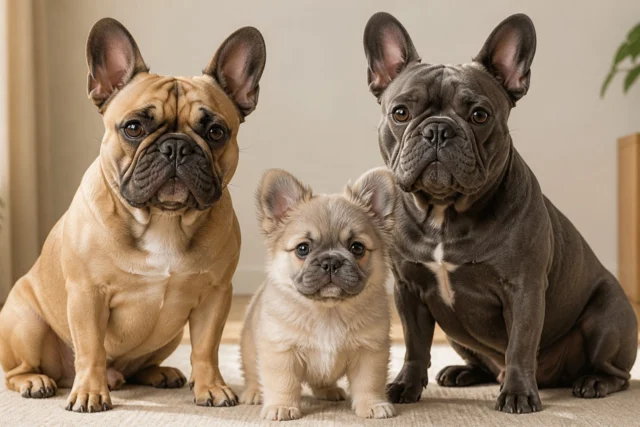
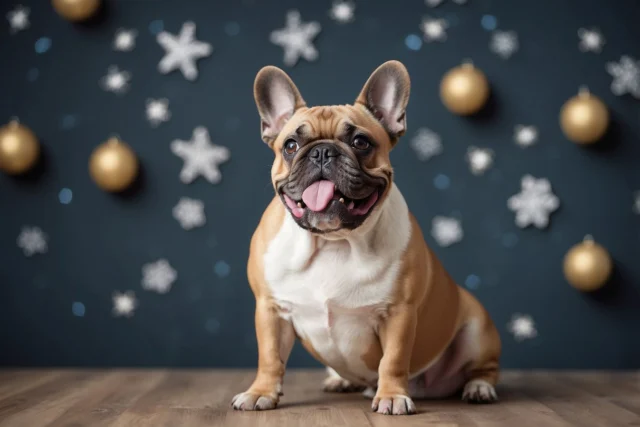
A fluffy French Bulldog puppy grows longer, softer hair around the ears, neck, chest, legs, and tail. A standard Frenchie stays short and velvety all over.
The fluff usually pops up between 6 and 12 weeks. Only a DNA test for the FGF5 long-coat variant can actually confirm it, though.
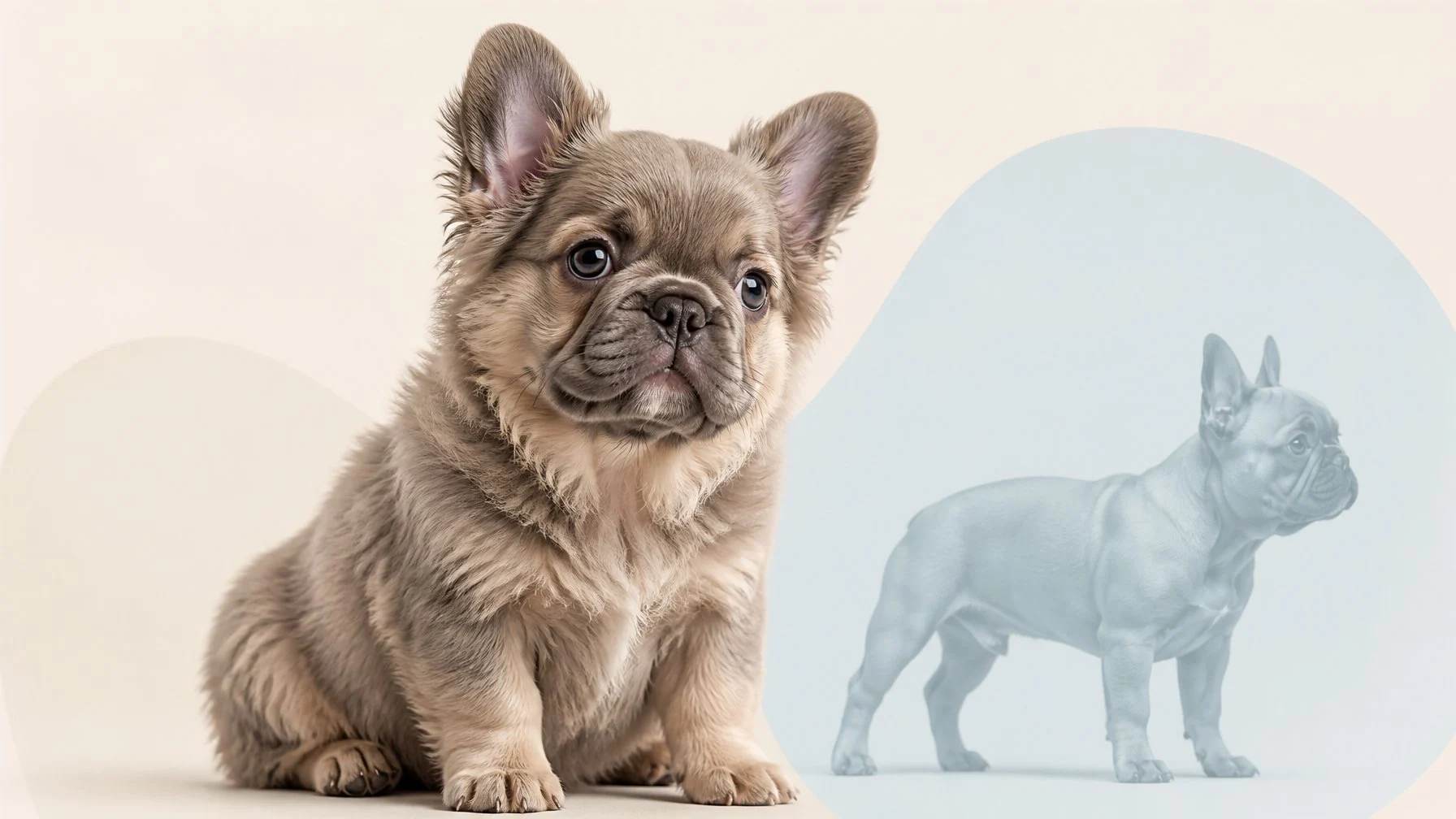
Here’s the tricky part: plenty of standard puppies look fuzzy at eight weeks and slick by six months. Eyeballing a litter can fool even people who think they’ve got an eye for it.
Coat clues, DNA results, grooming reality, and breeder red flags all matter before anyone hands over a deposit. Dog Fluffy’s spent years writing about fluffy breeds and their grooming quirks, and the same rule applies here: look closely, then verify.
The Early Signs in a Fluffy Frenchie Puppy
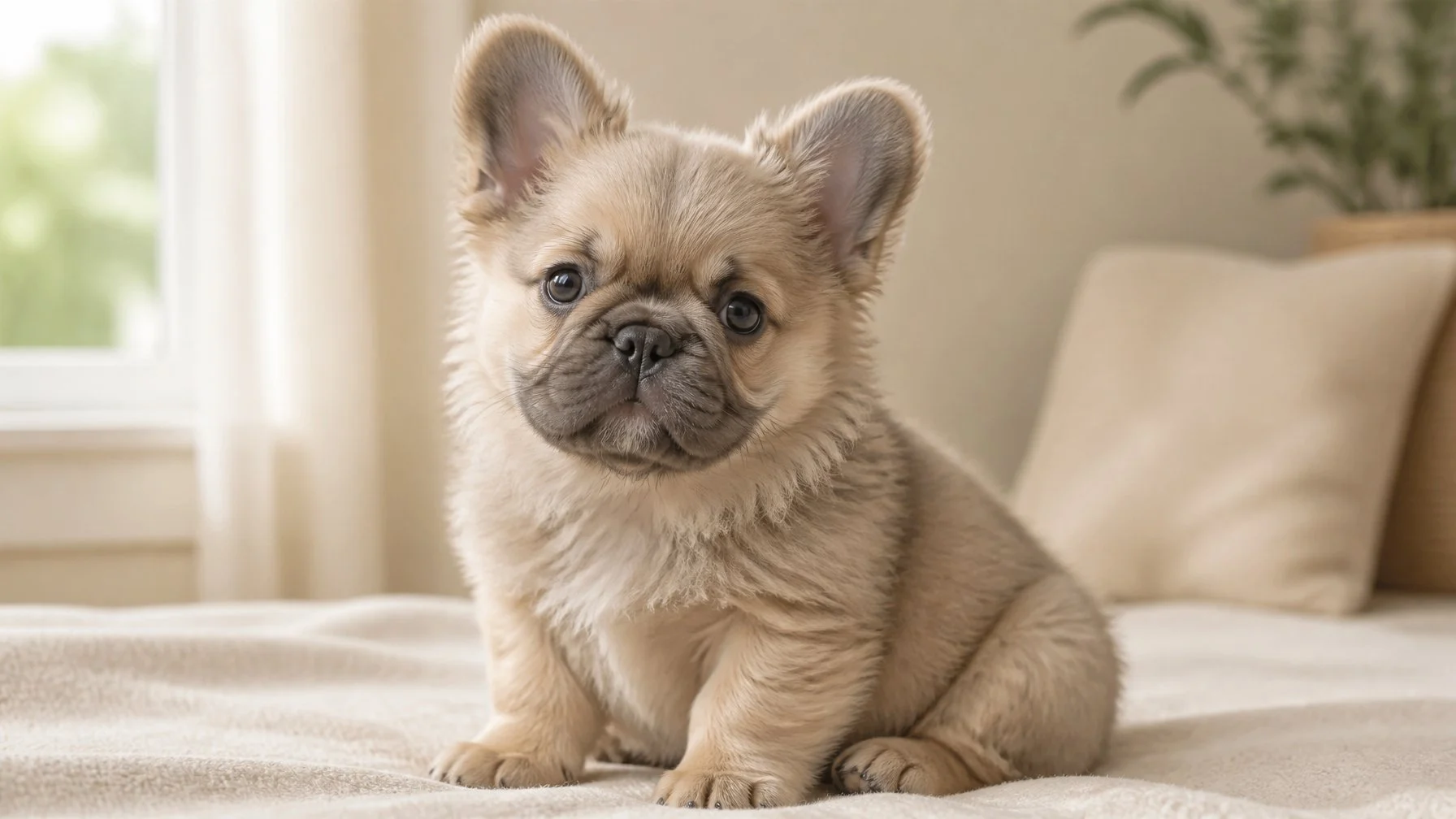
Longer hair on fluffy Frenchies shows up first at the edges. Look for a fringe on the bat ears, a soft ruff at the neck, feathering behind the legs, and a plumed tail.
Standard French Bulldogs stay smooth in all those spots. Puppy fuzz on a standard coat thins out instead of getting longer.
Where the Longer Coat Shows First
The ears give it away earliest. Fluffy French bulldogs grow a soft fringe along the outer edge of the bat ears, often visible by 6 to 8 weeks.
Standard Frenchies keep a crisp, bare outline. Next comes the neck, where a fluffy puppy builds a small ruff that catches the light differently from the rest of the body.
The hair there can reach 2 to 4 cm (about 1 to 1.5 inches) by four months. The tail area matters too, since even a screw tail on a long-haired Frenchie tends to carry finer, wispier hair around the base.
An Ordered Check for Ears, Chest, Legs, and Tail
Try this quick check in good natural light, with the puppy calm and standing:
- Ears: Look along the outer rim for a soft fringe, not a clean, smooth edge.
- Chest and neck: Feel for a raised ruff where the fur sits longer than the shoulders.
- Back of the front legs: Check for feathering, little tufts that hang slightly.
- Hind legs and rear: Look for a fluffier “pantaloon” texture behind the thighs.
- Tail base: Run a finger over it; longer, finer hair is a strong long coat clue.
- Body comparison: Compare the puppy against a littermate. Side by side beats guessing.
What a Standard Puppy Coat Looks Like
A standard French Bulldog puppy coat is short, dense, and velvet-smooth, with no fringe, no ruff, and no feathering anywhere on the body. It can look a little fuzzy in the first weeks, especially on the shoulders and rear.
That soft baby fuzz sheds out as the adult coat arrives. Try stroking the coat backwards—a standard puppy’s hair springs flat again right away, while a fluffy’s lifts and holds a little.
Why Some Puppies Look Fluffier as They Grow
Coats change. Hair growth cycles shift as puppies mature.
A Frenchie’s adult coat usually settles between 6 and 12 months, with the full picture clearer closer to 1 to 2 years, according to a breed coat guide.
So a lightly fuzzy 8-week-old can end up perfectly smooth, and a mildly fringed puppy can bloom into a proper long coat by six months.
Seasonal shedding muddies things further, since a heavy shed can make a fluffy puppy look temporarily patchy. That’s why appearance alone never settles the question.
Why DNA Is the Only Way to Confirm the Coat
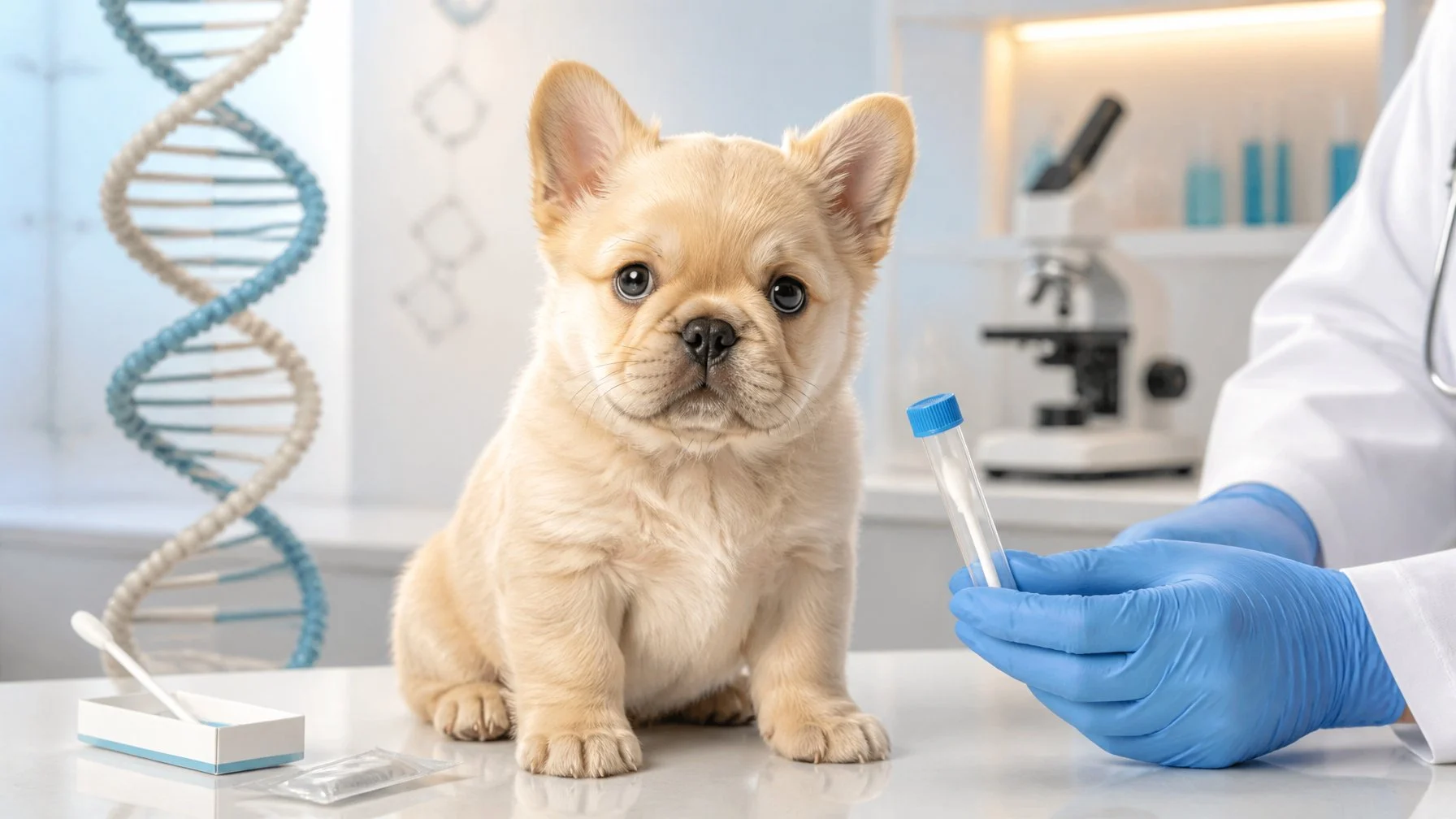
The long coat comes from one recessive change in the FGF5 gene. A lab test gives you three outcomes: clear, carrier, or visual fluffy.
Purebred status and AKC registration are separate from whether the coat fits the breed standard.
The FGF5 Long-Hair Gene in Plain English
A fluffy French Bulldog is a purebred French Bulldog with two copies of a recessive long-hair variant in the FGF5 gene, also called the LH gene.
FGF5 stands for fibroblast growth factor 5. The protein it makes acts like a stop signal for hair growth.
When the gene’s altered, that signal weakens, so hair keeps growing longer before it sheds. The long hair gene is recessive, so a puppy needs one copy from each parent.
Two smooth-coated parents can absolutely produce a fluffy litter if both are carriers, as explained in a breed genetics guide.
Carrier, Clear, and Visual Fluffy Results
Test panels report the L locus in three ways:
| Result | What it means | Coat |
|---|---|---|
| L/L (clear) | No copies of the recessive long-hair gene | Short, standard |
| L/l (carrier) | One copy, can pass it to puppies | Short, standard |
| l/l (visual) | Two copies | Long, fluffy |
A carrier looks exactly like any other short-coated Frenchie, which is why breeders test rather than guess. Two carriers bred together statistically produce about 25% fluffy puppies per litter.
What L4 Results Can Tell You
Some breeds carry several different long-coat mutations. In French Bulldogs, the long coat mostly comes from one variant that breed-specific panels call L4, according to a genetics explainer on the L4 gene.
That matters when reading a report. A basic “coat length” test might only screen for the common variant found in other breeds and miss L4 entirely.
This can produce a confusing “clear” result on a visibly fluffy puppy. Buyers should ask which panel was run and request the full PDF report, not a screenshot.
Purebred Status, AKC Registration, and Breed Standards
Fluffy Frenchies are purebred dogs. They can be registered with the American Kennel Club and other kennel clubs, because AKC registration records parentage, not coat length.
But the breed standard calls for a short, smooth coat, so a long-haired Frenchie can’t compete in conformation shows.
Registration and show eligibility are two different things, and some sellers blur that line on purpose.
Preparing for Life With a Longer-Coated Frenchie
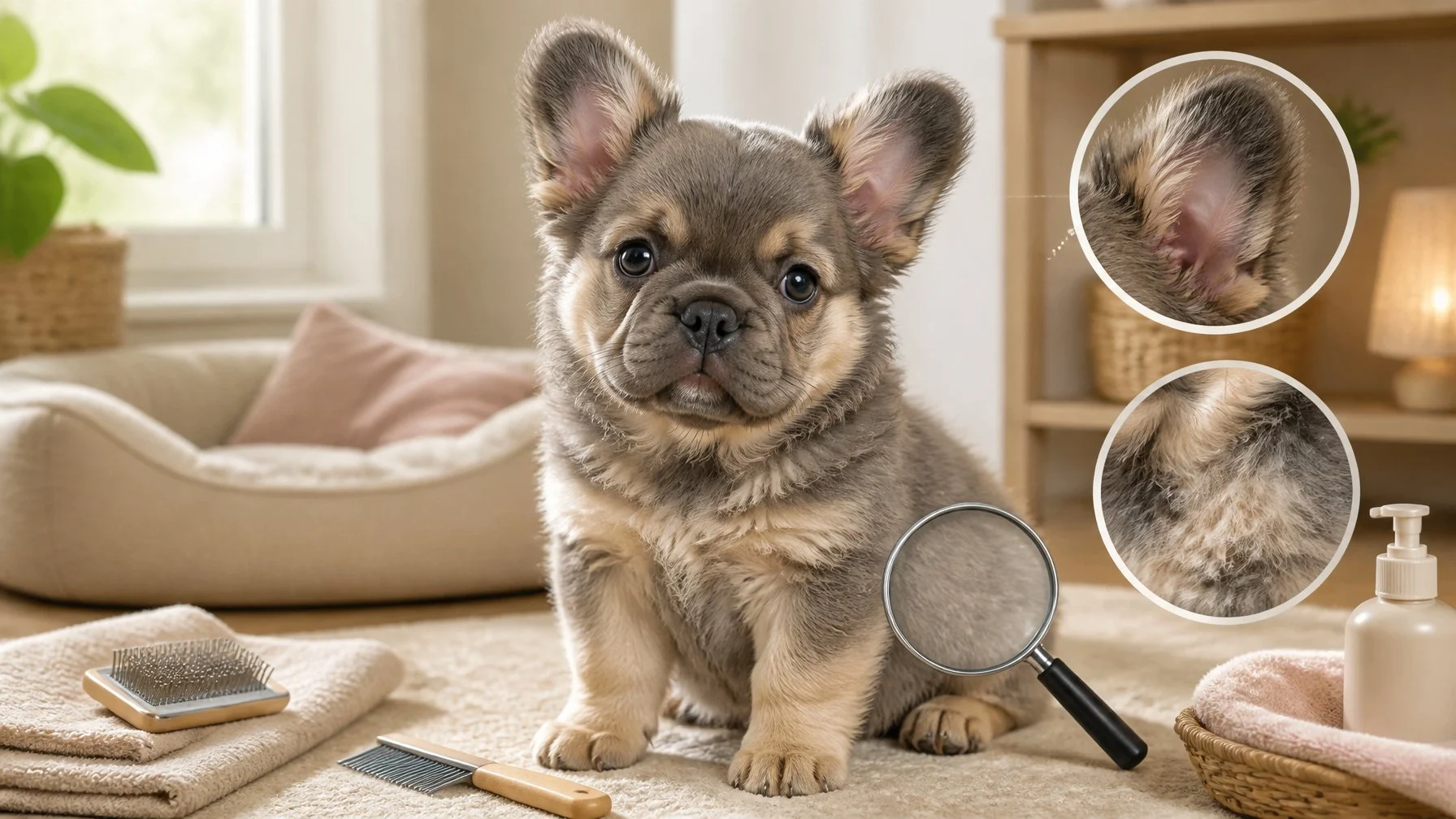
Longer hair means real brushing, faster mats behind the ears, and slower drying after baths. It doesn’t change the breathing, joint, skin, and eye risks every Frenchie carries, but it does push the price up sharply.
Brushing, Bathing, and Preventing Mats
Weekly brushing keeps most fluffy coats fine; three sessions a week keeps them genuinely good. Mats form fastest in friction zones: behind the ears, under the collar, in the armpits, and around the rear.
A simple routine works:
- A soft slicker brush for the body, twice a week minimum
- A metal comb to check behind the ears and under the legs
- A gentle dog shampoo, never human shampoo, roughly every 4 to 6 weeks
- Full drying afterwards, especially in skin folds
Damp fur plus a skin fold equals trouble. Dry the wrinkles properly every single time.
Shedding and Dog Allergies at Home
Fluffy Frenchies aren’t hypoallergenic. They still shed, and longer hair just makes the shed more visible on sofas and dark clothes.
People with dog allergies react to dander and saliva proteins, not hair length, so a plush coat offers no allergy advantage.
Regular brushing outdoors and washing bedding weekly cuts loose hair and dander around the house.
The Health Needs the Fluffy Coat Does Not Change
Every fluffy Frenchie is still a brachycephalic breed. The flat face means the same narrowed airway, and brachycephalic obstructive airway syndrome (BOAS) remains a real risk regardless of coat.
Common concerns across the breed include:
- Breathing difficulties and heat intolerance, especially above 22°C (72°F)
- Ear infections, made a bit worse by damp hair around the canal
- Cherry eye and other eye conditions
- Hip dysplasia and joint issues
- Intervertebral disc disease linked to their spine shape
A thicker coat can also trap heat, so summer walks belong in the early morning or late evening, with water always on hand. Dog Fluffy’s wellness and grooming guides cover flat-faced heat management in more detail.
Finding a Responsible Breeder and Planning Costs
Fluffy Frenchie price sits well above a standard Frenchie. That gap’s all about rarity, not health value.
One US breeder openly lists fluffy French Bulldogs starting at $7,500. Prices really bounce around depending on country, color, and breeder.
A reputable breeder should offer, without being pushed:
- Full DNA panel results for both parents, including coat length
- Health testing records and a written health guarantee
- Video or in-person viewing of the puppy with its mother
- Honest talk about BOAS risk and responsible breeding choices
- A contract, and a willingness to take the dog back at any point
If someone’s demanding deposits before showing paperwork, just walk away. You’ll want to budget for pet insurance early, too, since brachycephalic conditions often get excluded once diagnosed.
Quick Questions New Frenchie Parents Ask
Are fluffy Frenchies good family dogs? Yes. Their temperament’s just like the standard Frenchie—great with families and even better for apartment living since they don’t need tons of exercise.
Do they need more exercise? Nope. Just short, gentle walks split throughout the day, always keeping the heat in mind.
How long does grooming take? Usually about 10 minutes, two or three times a week. After baths, plan for a longer session.
From Fluffy’s Bowl
From Fluffy’s Bowl: the coat at eight weeks is a clue, not a verdict. Fluffy coats keep declaring themselves for months, and plenty of puppies that looked borderline at collection were obvious by four months. If a seller is charging a premium for “confirmed fluffy” at eight weeks, that is a price based on a guess.
Frequently Asked Questions
What does a fluffy French Bulldog puppy look like compared with a standard Frenchie?
A fluffy puppy’s got visibly longer, softer hair around the ears, neck, chest, legs, and tail—usually about 2 to 5 cm (1 to 2 inches). Standard Frenchies keep their fur short and smooth everywhere, so their ear outlines are crisp and there’s no feathering. Body shape, bat ears, and that classic flat face? Still the same for both.
At what age can someone tell whether a French Bulldog puppy will have a long coat?
Ear fringe and neck ruff usually show up between 6 and 8 weeks. The adult coat’s pretty obvious between 6 and 12 months, and it settles fully closer to 1 or 2 years. Early puppy fuzz can fool you, since standard puppies shed it out. Looks give strong hints, but you never get total certainty.
How can someone spot the long-hair gene in a French Bulldog puppy?
Only a DNA test catches it. You send a cheek swab or blood sample to a canine genetics lab, and they’ll tell you if the L locus is clear, carrier, or visual fluffy. Carriers look totally short-coated, so you can’t tell just by looking. Always ask for the parents’ full test reports, especially the breed-specific L4 variant.
Can a puppy with extra fluff still be a purebred French Bulldog?
Yes. The long-coat variant pops up naturally in French Bulldog lines, so a fluffy puppy from two registered Frenchie parents is purebred and can even get AKC registration. It can’t compete in conformation shows, though, since the breed standard calls for a short coat. Some fluffy dogs sold online are crossbreeds, so DNA verification really matters.
Do merle French Bulldog puppies often have fluffy coats?
Nope. Merle just changes coat color through a different gene, while fluffiness comes from FGF5. The two traits are inherited separately, so a merle puppy isn’t any more likely to be fluffy than any other color. Merle in French Bulldogs also brings its own health concerns and isn’t accepted by major kennel clubs.
Why do fluffy French Bulldog puppies usually cost more than short-haired ones?
Only about 25% of puppies in a litter turn out fluffy when both parents carry the gene. That keeps supply pretty low, yet social media hype keeps demand sky-high. Breeders often need to do DNA tests and health checks for these pups. Sometimes they even use artificial insemination or schedule caesarean deliveries, which bumps up the cost. The price tag mostly comes from rarity and the work breeders put in. Fluffy Frenchies still have the same brachycephalic health risks as their short-haired siblings—don’t let the fur fool you. Did the ears or the tail make a fluffy puppy stand out to you? Toss your thoughts in the comments—it might help someone else who’s on the fence. This is just general guidance. Always check with your vet about your own dog’s needs.