As an Amazon Associate I earn from qualifying purchases.
If your dog is overweight, the food bowl is only part of the answer, and the wrong food or a crash diet can do harm.
The VCA says dogs are overweight when they weigh 10% to 20% above their ideal weight, and obese when they weigh more than 20% above it.
Extra weight raises the risk of cancer, diabetes, heart disease, high blood pressure, osteoarthritis, bladder stones and problems with anaesthetics, and the VCA says obesity can shorten a dog’s life.
This page covers where to start, what a weight-loss plan involves, and what to avoid.
It is general information, not veterinary advice. Start with your vet.

Start With Your Vet
The AKC says healthy weight ranges differ by breed and age, and that if your dog is outside the range you should talk to your vet. The PDSA says weight-loss plans should be individual to your dog.
You can check your dog’s shape at home. The PDSA describes a 9-point body condition score: look for a waist from the side and from above, feel for fat at the base of the tail, and check that the tummy goes in rather than bulging out. Your vet can score your dog and set a target weight.
Do Not Just Feed Less Of The Same Food
The VCA says it is not appropriate to simply reduce the volume of your dog’s current food. The most efficient method is a restricted-calorie diet with a set portion and a set meal frequency, and the VCA says veterinary-formulated diets are designed for safe weight reduction.
If you want to cook the diet yourself, the VCA says to work with a veterinary nutritionist; see our page on homemade dog food for why. Change foods gradually: the AKC suggests at least a seven-day transition.
Measure Food And Limit Treats
The AKC says not to free-feed or eyeball portions: use a measuring device, and keep to the plan. The PDSA agrees that you should measure the amount of food carefully.
The VCA says treats should be no more than 10% of your dog’s daily calories, and the AKC suggests low-calorie, low-fat treats and cutting down on table scraps. If your dog begs, do not assume it is hungry, as the AKC notes.
Exercise
The AKC says regular walks and the chance to run and play in a safe place are good exercise, and the PDSA says dogs need enough exercise alongside a diet change. If your dog has joint problems, the VCA suggests asking your vet about a physical rehabilitation consultation as part of the plan.
Check Progress

Weigh your dog regularly: the VCA says monthly weigh-ins are important, and that you should check the weight is not coming off too fast or too slowly. The PDSA recommends weighing after your dog reaches its goal weight too. The VCA warns that portion control stays critical afterwards and that yo-yo weight loss and gain is no healthier for dogs than for people.
Storing Dry Food
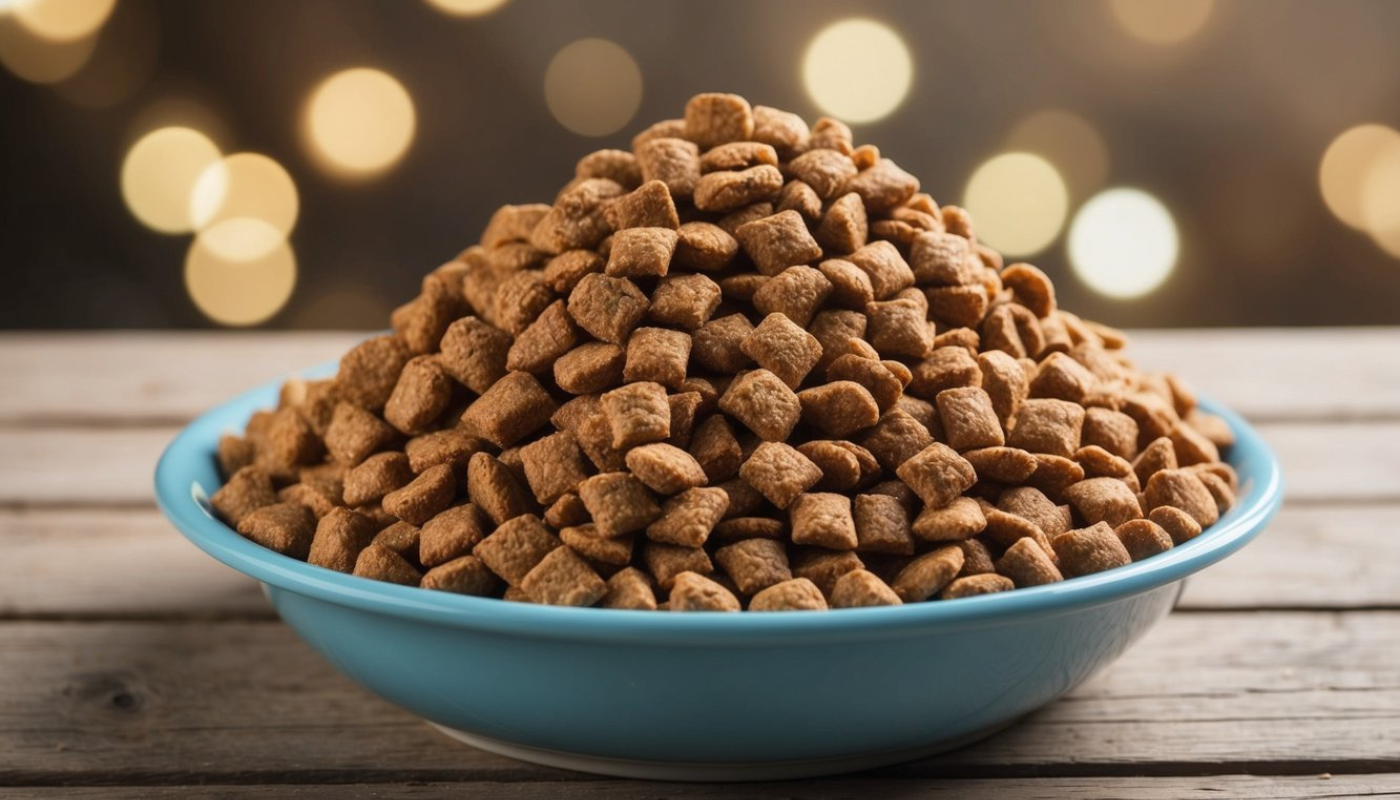
If you feed dry food, keep it sealed and keep the bag’s batch code in case of a recall.
The IRIS USA storage container listing describes an airtight container that holds up to 40 lb and has snap-lock lids and optional casters.
IRIS USA Dog Food Storage Container, Up to 40 lbAn airtight bin that holds up to 40 lb (about 18 kg) of kibble, with snap-lock lids and optional wheels. Handy for keeping kibble sealed and in one place.Check price on AmazonAffiliate link — Dog Fluffy may earn a commission, at no extra cost to you.Final Thoughts
The safest weight-loss plan is written with your vet: a target weight, a measured portion, limited treats, exercise and regular weigh-ins. Avoid crash diets and supplements your vet has not recommended.