As an Amazon Associate I earn from qualifying purchases.
Cooking for your dog can feel like the healthiest choice, and some owners enjoy doing it.
The hard part is making every meal complete and balanced, and that is why most vets and nutritionists urge caution.
The AKC reports UC Davis research that found 95% of 200 home-cooked dog food recipes lacked at least one essential nutrient, and says most recipes found online or in books do not provide complete and balanced nutrition.
This page explains what to ask before you start, the risks of raw food, and the foods to keep out of the bowl.
It is general information, not veterinary advice. Talk to your vet before changing your dog’s diet.
Talk To Your Vet First
The AKC says a safe homemade diet needs expert guidance. If your dog has a health condition, a board-certified veterinary nutritionist who understands both nutrition and the disease should prescribe the diet.
The AKC also says recipes can come from companies that employ full-time veterinary nutritionists, which is an alternative to writing your own. Ask your vet who they trust.
If You Follow A Recipe
Once you have a properly formulated recipe from your vet or a veterinary nutritionist, consistency matters. The AKC says to follow the exact ingredients, measurements, supplements and preparation methods, because even a balanced recipe can lead to malnutrition if you make seemingly small changes.
Do not add supplements on your own. The AKC says generic dog supplements are often insufficient and human multivitamins may contain ingredients that are toxic to dogs; ask your vet which veterinary-formulated supplements to use.
Home-cooked meals are moister and bigger than kibble, so measure portions rather than guessing.
Raw Food Carries Risks
Raw or undercooked ingredients, and food that is stored badly, raise the risk of foodborne germs. The AKC says Salmonella, E. coli and Listeria can infect both pets and the people in your household. The ASPCA also lists raw meat and raw eggs, and says bones can injure a dog or block its gut.
Wash your hands and bowls after handling raw food, and ask your vet before feeding it.
Foods To Keep Out Of The Bowl
The ASPCA lists these among foods to avoid feeding pets:
- Grapes and raisins (they can cause kidney damage in dogs)
- Onions, garlic and chives (they can damage red blood cells)
- Chocolate, coffee and caffeine
- Alcohol and raw yeast dough
- Macadamia nuts, and other nuts that are high in oils and fats (which can cause vomiting, diarrhoea and possibly pancreatitis)
- Xylitol, a sweetener that can cause low blood sugar and liver damage; check the label of every product, including peanut butter (AKC, ASPCA)
- Salt and very salty foods
- Bones, and fresh coconut flesh or coconut milk, which can upset the stomach; and milk and dairy, which can cause diarrhoea
If your dog eats any of these, call your vet or a poison service straight away (in the US, the ASPCA Animal Poison Control Center is (888) 426-4435).
Peanut Butter And Treats
Peanut butter is fine in moderation, according to the AKC, but check the label for xylitol first and choose unsalted. Treats of any kind should make up no more than 10% of your dog’s diet.
A Complete Food Is Another Option

If cooking a complete diet is too much, a complete and balanced commercial food is an option. Ask your vet which food suits your dog’s age, size and health.
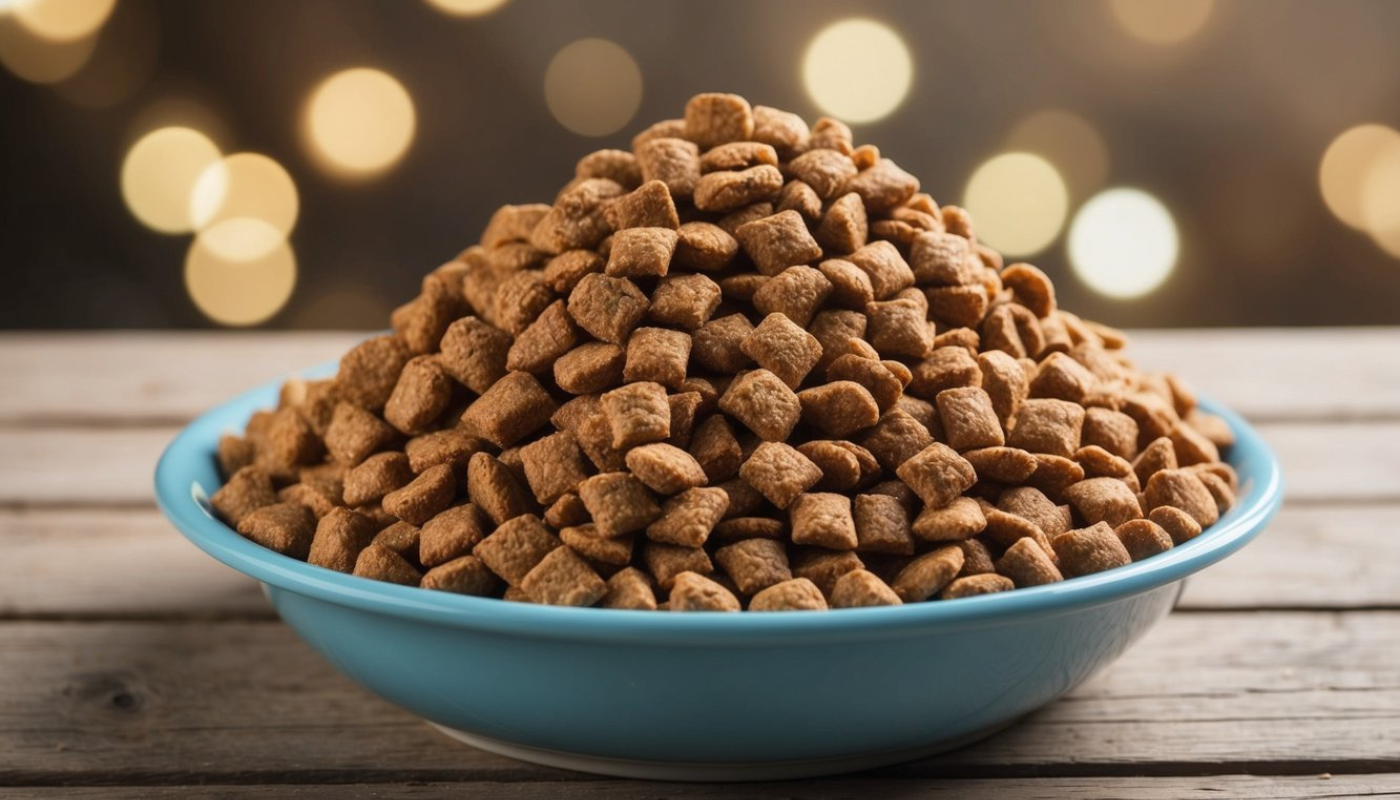
The Blue Buffalo Life Protection Fish & Brown Rice dry food listing says it provides balanced daily nutrition and starts with real fish. We list it as an example, not a recommendation.
Blue Buffalo Life Protection Formula Fish Adult Dry Dog Food, 30 lbA 30 lb (about 13.6 kg) bag of adult dry food with fish as the first ingredient. Shown as an example of a ready-made food, not a recommendation, so check the label and ask your vet which diet suits your dog.Check price on AmazonAffiliate link — Dog Fluffy may earn a commission, at no extra cost to you.Final Words
Homemade food can work if it is complete and balanced and written by someone qualified. Start by talking to your vet, follow the recipe exactly, and keep dangerous foods out of the bowl.