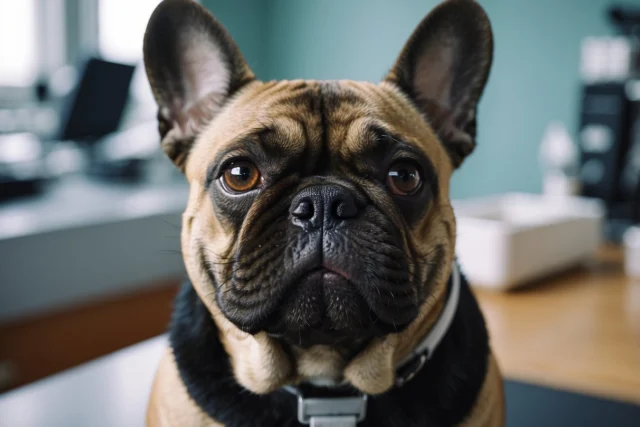
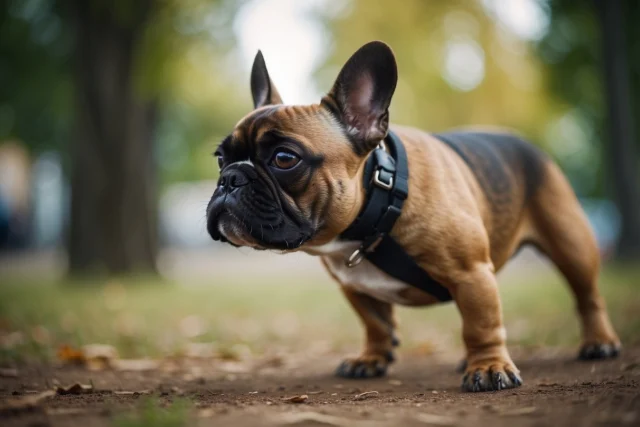
French Bulldogs are adorable pets, but their unique anatomy can lead to exercise intolerance. Signs of exercise intolerance in French Bulldogs include heavy panting, noisy breathing, and collapsing after short activities. Understanding these signs can help you keep your furry friend healthy and happy. 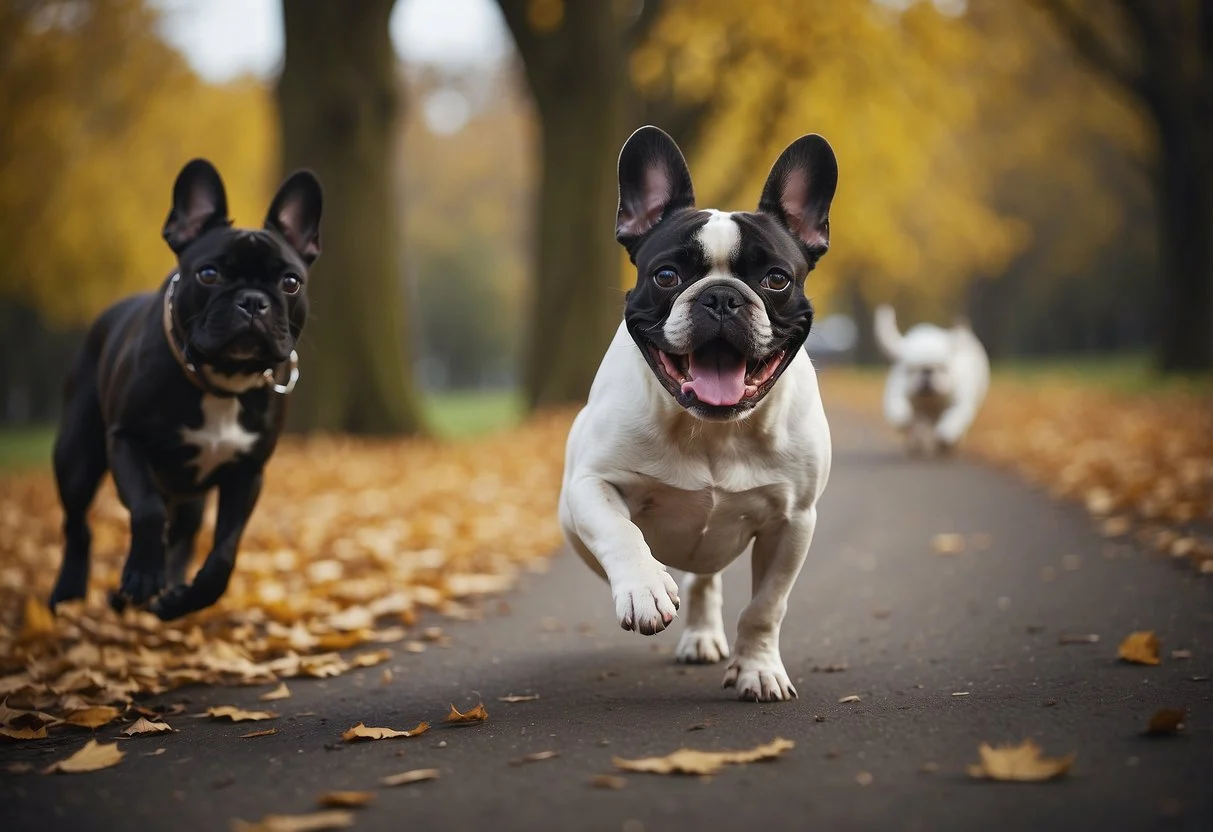
A Frenchie that starts struggling to keep up on short walks. His excessive snoring and frequent resting were clear indicators. Many other French Bulldog owners have shared similar experiences, making it essential to monitor their activity levels closely.
If you see sudden lethargy in your French Bulldog, it might be time to reassess their exercise routine. Staying informed about common health issues in French Bulldogs can help you provide the best care possible.
Key Takeaways
- French Bulldogs may show heavy panting and noisy breathing during exercise.
- Monitoring your dog’s activity levels is crucial for their health.
- Stay informed about common health issues affecting French Bulldogs.
Identifying Exercise Intolerance
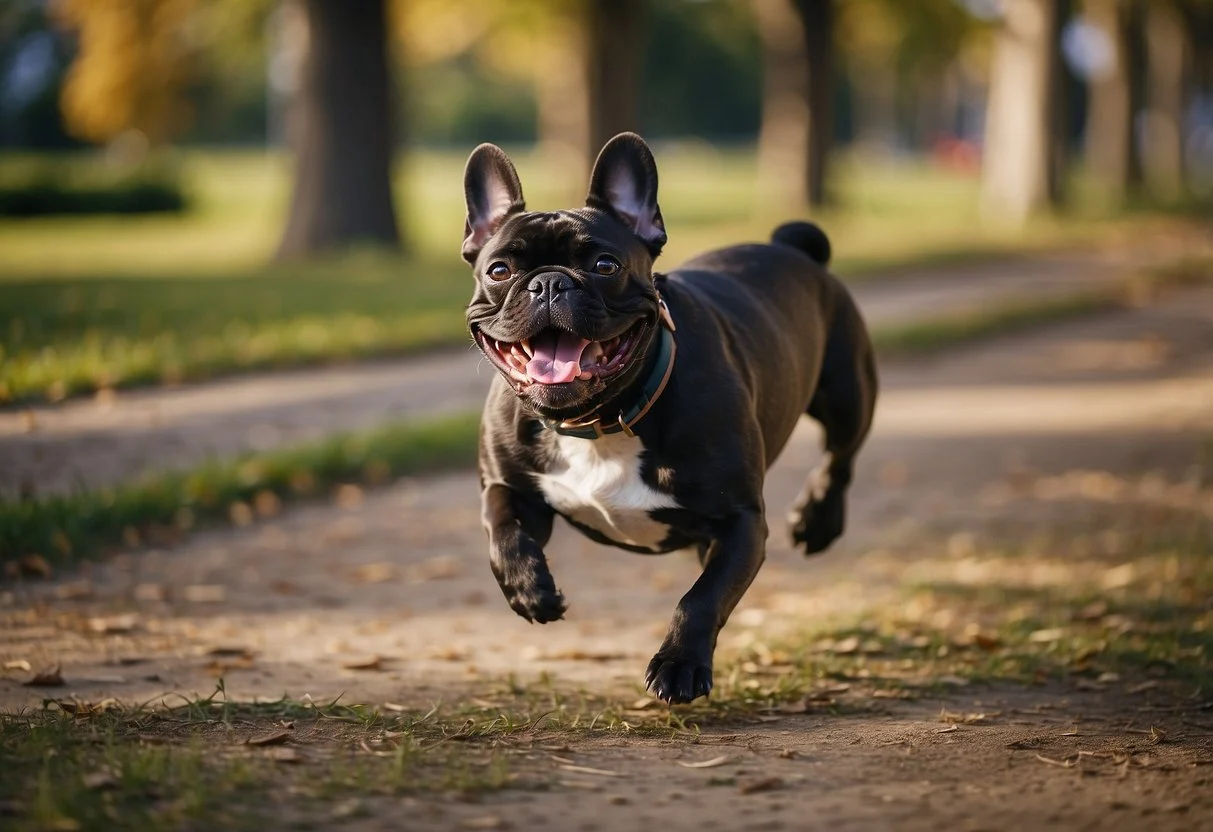 Exercise intolerance in French Bulldogs can be tricky to spot but is crucial for their well-being.
Recognizing the Symptoms
One of the most noticeable signs of exercise intolerance in French Bulldogs is difficulty breathing. They often have a flat face (brachycephalic), which can make breathing harder, especially during physical activity. You might see your French Bulldog showing symptoms like excessive panting, lethargy, and decreased activity.
They may tire quickly, which can be observed through their sudden need to rest after minimal exercise. Heat stroke is another risk since French Bulldogs are sensitive to high temperatures. Watch for signs like redness in the gums, excessive drooling, vomiting, and even collapsing.
Understanding the Causes
The unique physical structure of French Bulldogs is a major factor in their exercise intolerance. Their flat face can lead to obstructed airways and inflammation in the respiratory tract, making it hard for them to breathe properly during exertion. Weight management is crucial.
An overweight Frenchie will have more difficulty with activity and may show signs of intolerance more quickly. Keeping them at a healthy weight helps through better respiration and mobility.
Another cause is a condition known as Brachycephalic Obstructive Airway Syndrome (BOAS). This condition restricts airflow and can cause severe respiratory issues. Regular vet check-ups are crucial to monitor and manage this condition effectively.
Health Problems Affecting Exercise Tolerance
 French Bulldogs often face unique health challenges that impact their ability to exercise. From breathing troubles to joint issues, these conditions can significantly reduce their stamina and activity levels.
The Impact of Brachycephalic Syndrome
One of the biggest challenges for French Bulldogs is Brachycephalic Obstructive Airway Syndrome (BOAS). This condition makes it difficult for them to breathe, especially during exercise.
I’ve seen my own Frenchie struggle to catch his breath after just a short walk. The narrow nostrils and elongated soft palate characteristic of this syndrome lead to snorting, snoring, and even collapse if they exert too much. According to the Humane Society Veterinary Medical Association, up to 50% of French Bulldogs with clinically significant signs have BOAS.
Symptoms like exercise intolerance, excessive panting, and bluish gums need immediate attention. Regular vet check-ups are crucial to manage this situation. If you notice these signs, limit your pup’s activity and always provide a cool, shaded resting spot.
Joint and Bone Issues
Joint and bone problems such as hip dysplasia, arthritis, and patellar luxation can also hamper a French Bulldog’s ability to exercise. These conditions cause pain and stiffness, making movement difficult. Recall your dog limping and struggling to get up, which was heartbreaking.
Hip dysplasia, where the hip joint doesn’t fit properly, often becomes noticeable as they age. Arthritis and intervertebral disc disease further complicate movement. Regular, low-impact exercises like swimming can help.
Ensure your dog maintains a healthy weight to reduce the strain on their joints. Orthopedic beds and glucosamine supplements may also provide relief.
Skin and Allergy Concerns
French Bulldogs are prone to skin infections, allergies, and dermatitis, which can affect their comfort during exercise. Skin fold dermatitis is particularly common due to the breed’s many skin folds. My Bulldog had constant itching and redness around these areas, leading to discomfort and reluctance to move much.
Skin infections and allergies, often aggravated by environmental factors, require rigorous cleaning and sometimes medication. Regularly checking and cleaning these folds can prevent infections. If your dog is allergic to specific foods or substances, identifying and avoiding these allergens is key.
Always consult your vet for appropriate shampoos and treatments.
Management and Mitigation
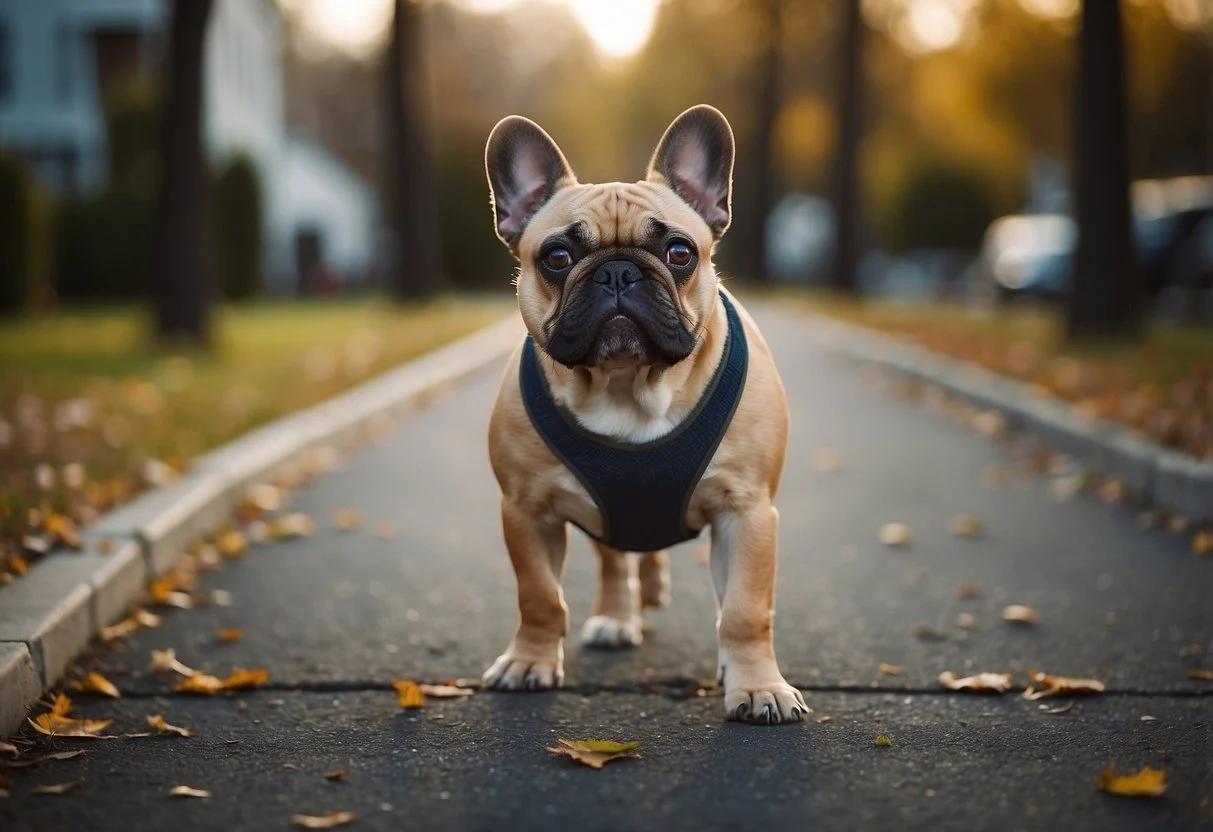 Managing your French Bulldog’s exercise intolerance involves adjusting their physical activities, providing medical care, and ensuring a healthy diet and weight. These steps will help your furry friend breathe easier and enjoy a better quality of life.
Exercise Modification and Training
When it comes to exercise, I’ve learned to keep sessions short and sweet. French Bulldogs can easily get tired due to their flat faces. Here’s a little tip: instead of long walks, try several short sessions throughout the day.
Indoor play can be just as good. Activities like fetch or gentle tug-of-war keep them moving without overheating. Always choose cooler parts of the day for outdoor activity, like early morning or late evening, to avoid the heat.
Heat can be really tough on them. Try to avoid exercising your bulldog in the heat to prevent overheating.
Watch out for signs like heavy panting or drooling. If they start showing these signs, give them a break and some water.
Medical Interventions
Medical interventions are necessary in severe cases. Remember the first time your vet recommended medication for your Frenchie.
Medications like corticosteroids can reduce inflammation in their airways. Sometimes antibiotics are prescribed if there are infections. In extreme cases, surgery might be the next step.
Procedures like widening the nostrils or removing excess tissue from the airways can really help. Always consult your vet before making decisions about surgery. And don’t forget: pet insurance can cover many of these costs.
Monitoring regular vet check-ups is crucial. It helps catch any issues early on. Keep an eye on any changes in your dog’s breathing or activity levels and report them to your vet promptly.
Your Frenchie’s health is a top priority.
Diet and Weight Management
Maintaining a healthy weight is vital for your Frenchie. Obesity puts extra strain on their breathing.
Switched to a balanced diet with high-quality dog food. Look for brands that list meat as the first ingredient and avoid fillers like corn. Treats are okay but keep them in moderation.
Overfeeding can lead to weight gain and worsen respiratory issues. Divide their meals into smaller portions throughout the day to help manage their weight and keep them from overheating post-meal. Exercise and diet go hand-in-hand.
Regular, moderate exercise combined with a healthy diet helps manage their weight. Noticed a big improvement in your Frenchie’s breathing after implementing these changes. Always consult your vet for dietary advice tailored to your pet’s needs.
Choosing and Raising a Healthy Bulldog
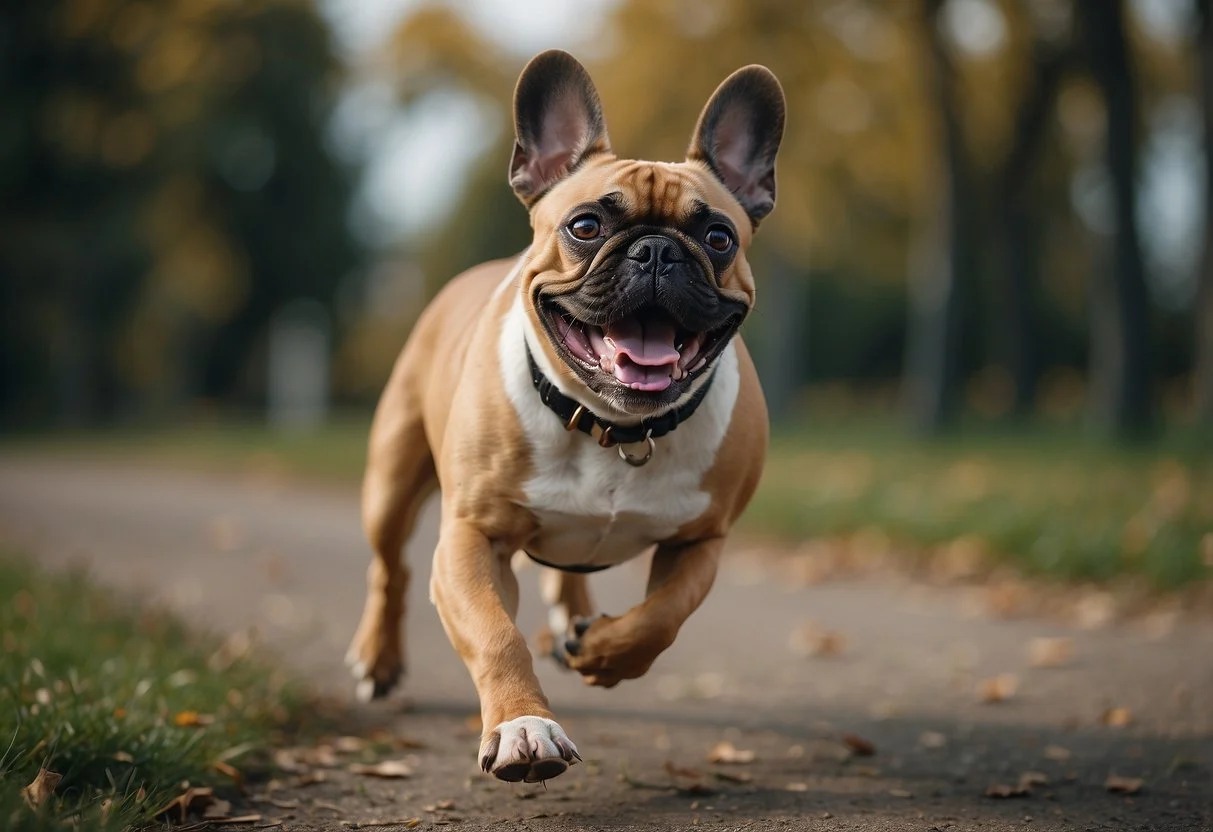 Selecting and nurturing a healthy French Bulldog involves finding a reputable breeder and maintaining regular preventive care.
Working with a Reputable Breeder
Choosing a reputable breeder is key to getting a healthy French Bulldog. Look for breeders who can provide health clearances for the puppy’s parents. This can help reduce the risk of genetic predispositions to common French Bulldog health problems, like brachycephalic airway syndrome or hip dysplasia.
A good breeder will show you the parents’ health records unprompted, confirming no major health conditions. If those records are not offered, ask — and treat reluctance as an answer in itself.
Always visit the breeder’s facility. It should be clean, and the dogs should look happy and healthy.
Ask lots of questions. How often are the puppies vet-checked? What are they fed?
Engaging with a breeder who is transparent about these details is critical. You can find breeders recommended by groups like the Royal Veterinary College, which often endorses responsible breeding practices.
Preventive Measures and Routine Care
Preventive measures are crucial in keeping your French Bulldog healthy. Start with a balanced diet. It’s vital to prevent obesity, a common issue that can lead to joint problems and heart disease.
Regular exercise is essential but tailored to their needs. Avoid strenuous activities, especially in hot weather. Routine care includes regular vet check-ups.
Take your Frenchie to the vet at least twice a year. Keep an eye out for ear infections, which are frequent in French Bulldogs due to their ear structure. Regular cleaning can help prevent this.
Also, dental care is important. Use dog-friendly toothpaste and brushes. Trim their nails periodically and check their skin for any allergic reactions or infections.
These simple steps can help manage and prevent many health issues. For more detailed guidance, check out this comprehensive list of common French Bulldog health issues.
Frequently Asked Questions
 French Bulldogs can have issues with exercise intolerance due to their physical traits. Here, you’ll find specific signs and steps to help your Frenchie stay healthy and safe.
What symptoms might a French Bulldog show if it’s not tolerating exercise well?
If your French Bulldog is struggling with exercise, you’ll notice heavy panting, difficulty breathing, or even collapsing. The Royal Veterinary College found over 72% of French Bulldogs have at least one health disorder, making it crucial to watch for signs.
How can you tell if a French Bulldog has been overexercised?
An overexercised French Bulldog may lag behind on walks, refuse to continue, or show visible exhaustion. Pay attention to their gait and breathing. If they’re slowing down or appearing distressed, it’s time to stop and rest.
What are common indicators of exercise-induced collapse in dogs?
Exercise-induced collapse can be seen as sudden weakness, collapse, or even cyanosis (bluish gums). French Bulldogs, with their brachycephalic obstructive airway syndrome, are especially prone to this. So, be extra cautious on hot days or during vigorous activity.
Are there specific signs that a dog, particularly a French Bulldog, is too tired from exercise?
Signs of extreme tiredness include excessive drooling, stumbling, or finding a cool place to lie down. French Bulldogs might also show signs like excessive respiratory noise or resistance to moving.
What steps should you take if your French Bulldog displays signs of exercise intolerance?
Immediately stop the activity and offer water. Then, move your Frenchie to a cooler, shaded area and monitor their breathing. If symptoms persist, seek veterinary care right away. Always have an emergency plan.
How often do French Bulldogs experience exercise-related health issues, and what symptoms should owners watch for?
Exercise-related issues are quite common in French Bulldogs, given their physical structure. Watch for signs like heat intolerance. Also, watch for symptoms like respiratory distress and gastrointestinal problems.
Regular check-ups with your vet are key to managing their health effectively.
Remember, French Bulldogs need shorter, less intense exercise sessions. It’s best to avoid extreme heat. By staying vigilant and responsive to their needs, you can help your Frenchie stay active and happy.