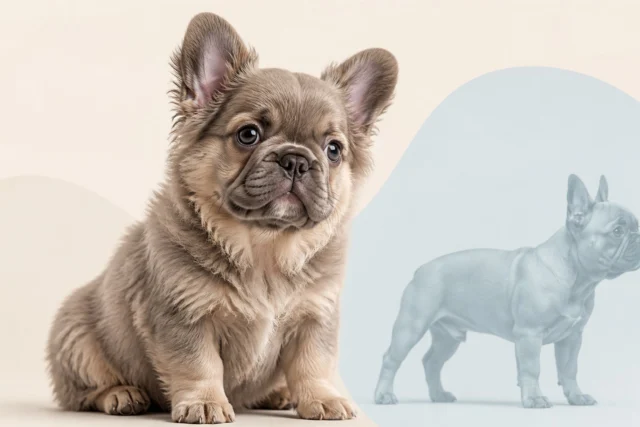
Does your fluffy Frenchie love splashing in the water but you’re worried about their safety? French Bulldogs have unique physical traits that can make swimming a challenge for them. With those adorable short snouts and compact bodies, it’s important to take extra precautions. 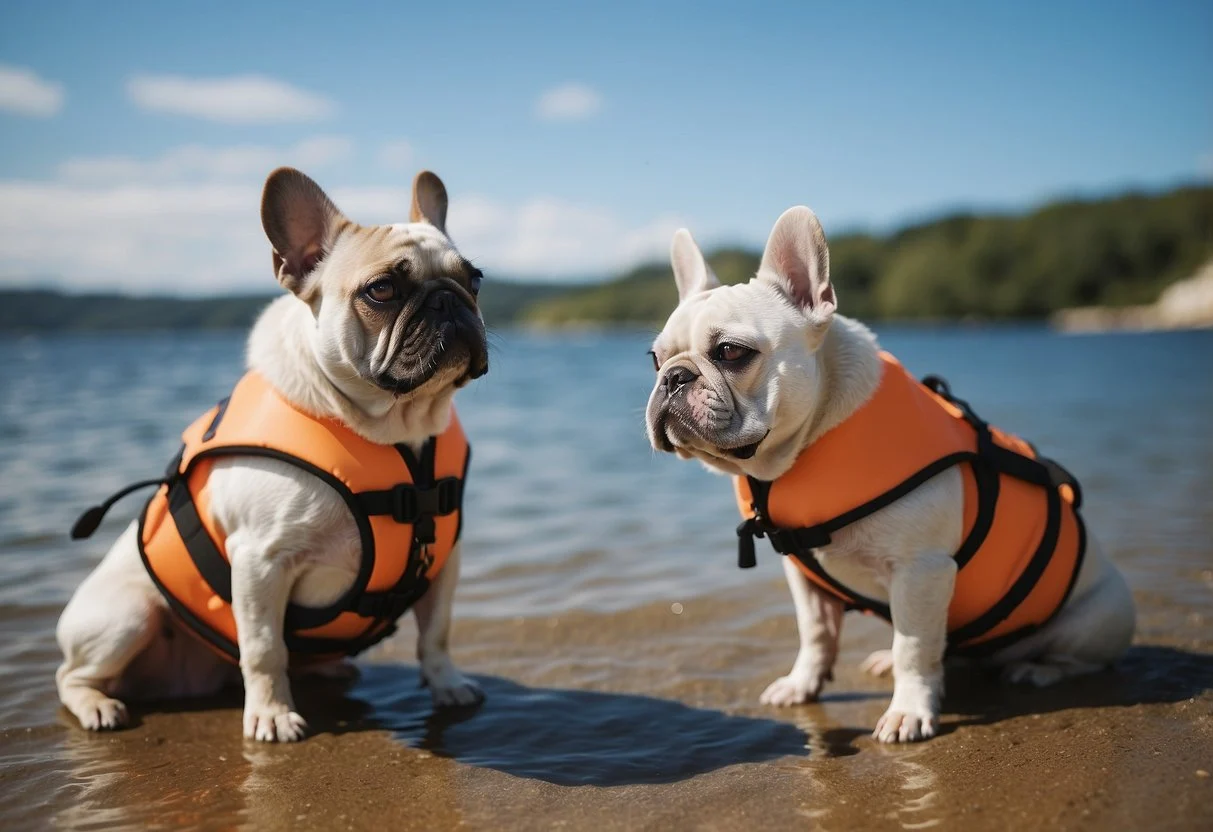
French Bulldogs have unique physical traits that make swimming a challenge. Their compact bodies and short legs don’t help their buoyancy. Here’s what you need to know about their anatomy, safety gear, and age-related issues.
Understanding French Bulldogs and Water
Take a Frenchie to the beach for the first time and the problem is obvious: plenty of enthusiasm, very little buoyancy. A well-fitting life jacket was a game-changer, providing buoyancy and confidence.
Introducing your French Bulldog to water should be a gradual process. Start in shallow waters where they can easily touch the ground and use toys or treats as positive reinforcement.
After your Frenchie has had some water fun, ensure you dry them off and give them lots of love and comfort. Supervision is key whenever they are near water to prevent accidents.
Key Takeaways
- French Bulldogs need special swimming safety measures.
- Gradually introduce your Frenchie to water with positive reinforcement.
- Always supervise them and ensure they wear a life jacket.
Understanding French Bulldogs and Water
French Bulldogs have unique physical traits that make swimming a challenge. Their compact bodies and short legs don’t help their buoyancy. Plus, French Bulldogs have heavy torsos, making them top-heavy and causing them to tire quickly. Thus, they are at a higher risk of drowning if not monitored closely.
Anatomy and Swimming Challenges
French Bulldogs are often called “brachycephalic” because of their short snouts. This makes breathing in water more difficult. Having such short legs means they don’t paddle well, making it hard to stay afloat.
Plus, French Bulldogs have heavy torsos. This makes them top-heavy, causing them to tire quickly. Thus, they are at a higher risk of drowning if not monitored closely.
Bulldog Buoyancy and Life Jackets
Life jackets are crucial for French Bulldogs. Their unique body structure needs extra help to stay buoyant. Investing in a good life jacket can prevent accidents and give peace of mind.
These life jackets should fit snugly. Look for ones with handles on top for easy retrieval. Remember, even with a life jacket, always supervise your French Bulldog closely.
Age and Physical Limitations
Young and elderly French Bulldogs face different challenges. Puppies have not yet developed the muscle strength needed for any prolonged activity. They tire faster and are more prone to accidents.
On the other hand, older French Bulldogs might have joint or health issues. These problems can make swimming a poor choice. Always consult your vet before involving your pet in any new physical activity.
Pre-Swim Preparations for Your Frenchie
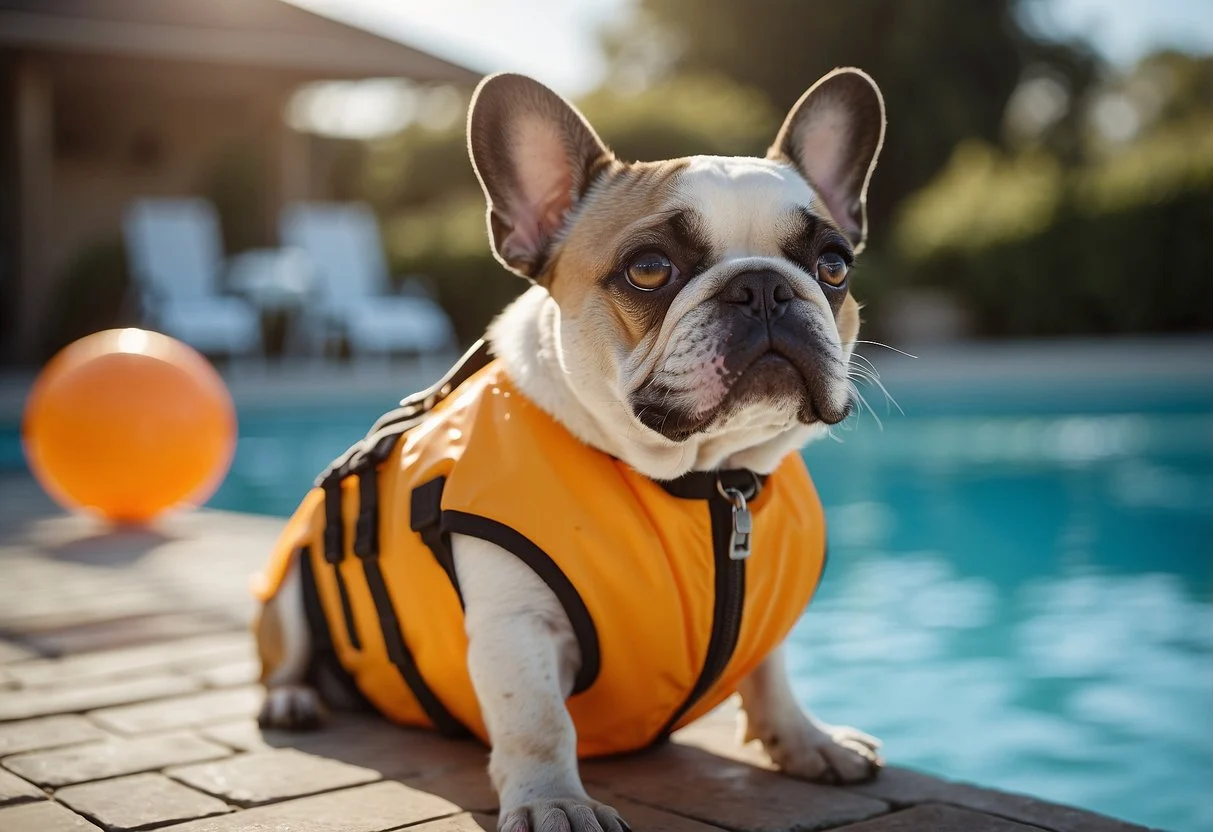 Before introducing your French Bulldog to swimming, it’s crucial to make the experience safe and enjoyable. Key steps include selecting the proper gear and fostering a positive, reassuring environment for your pet.
Choosing the Right Gear
Safety gear is essential for a fluffy Frenchie! Start with a dog life jacket designed for their body type. French Bulldogs have short snouts and are front-heavy, making swimming difficult for them.
Look for a life jacket that fits snugly but comfortably, with a handle on the back. This handle helps you lift your Frenchie out of the water quickly if needed. Always check that the buckles and straps are secure.
A kiddie pool or sprinklers can be great starting points. These allow your dog to get comfortable with water in a controlled setting. Plus, they’re more fun than a regular tub!
Also, don’t forget to bring toys and treats to create positive associations with water. Floating toys are particularly engaging. Rewards can reinforce good behavior and help build their confidence in the water.
Creating a Positive Environment
Creating a positive and safe environment is important when teaching your French Bulldog to swim. Start by choosing shallow, calm waters where your Frenchie can touch the ground.
Introduce water gradually. Walk into the water with them rather than forcing them to swim right away. Your presence will comfort them and reduce any anxiety they might feel.
Use positive reinforcement techniques. Praise and reward your Frenchie with treats when they show curiosity or take steps into the water. This will help them associate good feelings with being in the water.
Supervision is key. Never leave your Frenchie unsupervised in or near water. Always keep an eye on them to react promptly if they show signs of distress.
Swimming Lessons and Water Safety
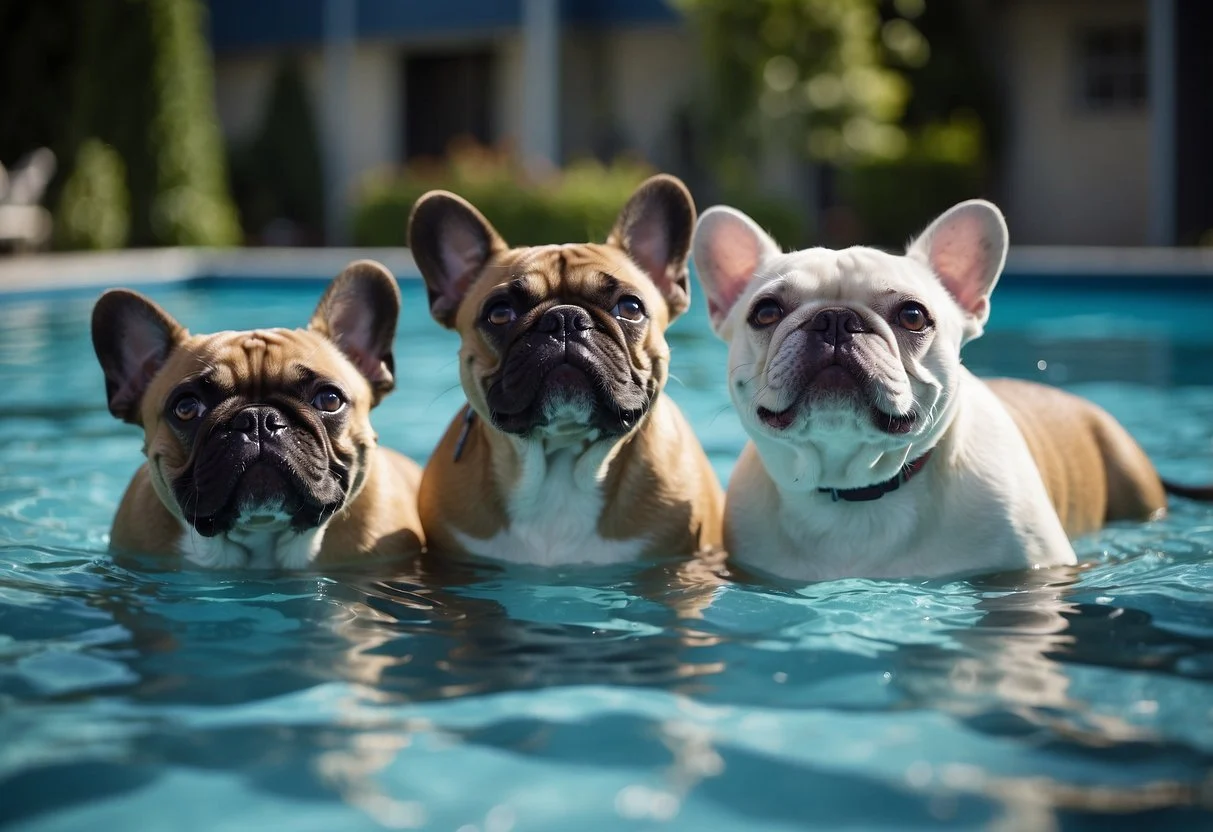 Teaching your Frenchie to swim safely requires careful preparation and constant supervision. Follow these steps to make their playtime in the water both fun and safe.
Getting Your Frenchie Accustomed to Water
First, start with shallow water to let your French Bulldog feel comfortable. Begin by letting them walk in the water while keeping their nose above water to prevent inhaling it. A kiddie pool is a good place to start, letting the dog splash around and get used to the sensation.
Gradually increase the depth as their confidence grows. Positive reinforcement like treats and toys can help make the experience enjoyable. Always keep their comfort and safety in mind. Never rush this process; take cues from their behavior. If they seem scared or hesitant, give them time to adjust.
Supervised Swim Time
Constant supervision is critical when your Frenchie is in the water. Their body structure makes swimming more challenging, and a properly fitted life jacket or life vest is essential. This gear keeps their head above water, reducing the risk of drowning.
Always stay close to your Frenchie when he’s swimming, ready to assist if needed. Whether you’re at a pool or beach, never leave them unsupervised. A Frenchie can tire quickly, so keep swim sessions short to prevent exhaustion. By closely monitoring them, you can catch early signs of distress and intervene promptly.
Recognizing Signs of Distress
Being able to identify distress signals in your Frenchie is crucial. Watch for rapid breathing, excessive splashing, or attempts to climb out of the water. These signs indicate discomfort or exhaustion. Once, a Frenchie that starts panicking in deeper water needs lifting straight out and settling before trying again.
Safety precautions like providing shaded areas or sunglasses can also prevent overheating. If your Frenchie seems distressed, remove them from the water and offer a break. Companionship and reassurance can help them feel safe and relaxed. Always prioritize their well-being during water activities to ensure they have a positive experience.
After the Swim: Care and Comfort
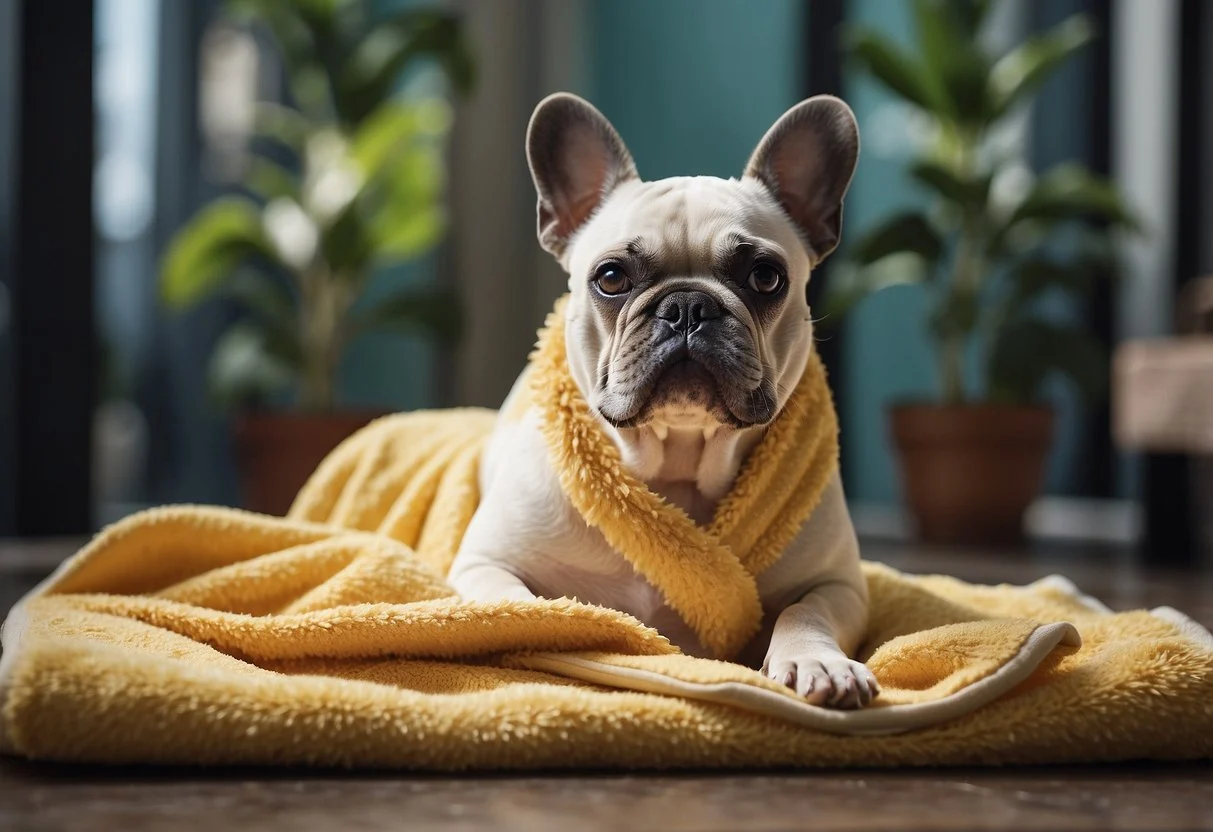 Taking care of your fluffy Frenchie after swimming is essential for their health and comfort. This includes drying them off and keeping them hydrated, as well as monitoring for any health issues that might arise.
Drying and Hydration
After a swim, it’s crucial to dry your Frenchie thoroughly. Their thick coat can trap moisture, leading to discomfort and potential skin issues. Recommend using a towel to pat them dry, paying extra attention to their chest, neck, and ears.
If your Frenchie is still damp, a low-heat blow dryer can help. Make sure to keep the dryer at a safe distance to avoid overheating.
Hydration is also key. Swimming can be vigorous exercise, so make sure your dog has plenty of fresh water to drink. This helps keep them hydrated and cools them down. Always keep a bowl of water nearby to encourage your Frenchie to drink after their swim.
Monitoring for Health Issues
After swimming, look out for any signs of health issues. Frenchies have a unique build that can lead to specific problems. Check their skin for irritation or hot spots, especially under their thick fur. Make sure to rinse off any saltwater or chlorine completely, as these can irritate their skin.
Also, observe their breathing. Their short snouts can make it hard for them to breathe if they are stressed or have inhaled water. If you notice any wheezing or coughing, consult your vet immediately.
Finally, be mindful of any changes in behavior. If your usually affectionate Frenchie becomes withdrawn or is reluctant to move, it could be a sign of discomfort or overheating. Keeping your pet in the shade after a swim can help prevent heat-related issues.
Frequently Asked Questions
These questions cover essential tips for keeping your fluffy Frenchie safe around water. From recommended life jackets to steps for introducing your dog to swimming, these answers aim to ensure a fun and secure experience.
How can I ensure my Frenchie stays safe while swimming?
Safety should be the top priority when your French Bulldog is near water. Always use a well-fitting life jacket. This provides buoyancy and support, helping them stay afloat. Supervise them at all times, never leaving them alone near any body of water. For more tips, check out the safety guide for French Bulldogs.
What are the best life jackets for French Bulldogs?
Life jackets are crucial for French Bulldogs due to their unique anatomy. Look for a life jacket that fits snugly but comfortably and has a handle on top for easy rescue. Brands like Ruffwear and Outward Hound make excellent options. For detailed assessments of products, the 10 vital safety tips provide more information.
Is it true that some bulldogs can swim safely, and how can I test this with my dog?
Some French Bulldogs can swim. However, it’s rare and depends on their build and condition. Testing this safely involves shallow water and supervision.
Gradually let your Frenchie get a feel for the water while using a life jacket. Always stay close to provide immediate assistance if needed. The complete guide offers insights on this topic.
What steps should I take to gradually introduce my Frenchie to water?
Introduce your Frenchie to water slowly and calmly. Start with shallow water, allowing them to get their paws wet. Encourage and praise them to build confidence.
Use treats and positive reinforcement. Never force them in, as it can create fear. The swimming guide gives more tips on gradual introduction.
How do I care for my fluffy French Bulldog after a swim?
After swimming, it is important to dry your Frenchie thoroughly. Wipe down their ears to prevent infections.
Brush their coat to remove any debris and check for any skin irritations. Make sure they stay warm and comfortable by towel-drying or using a pet dryer if necessary.
How long is it safe for a French Bulldog to be in the water?
French Bulldogs can overheat or tire quickly due to their short snouts and compact bodies. Limit swimming sessions to 10-15 minutes.
Always monitor them closely for signs of fatigue such as heavy panting or struggling to stay afloat. You can read about safety precautions in the complete guide.