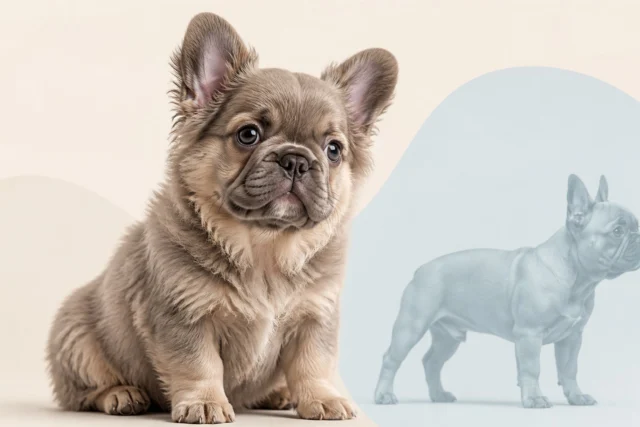
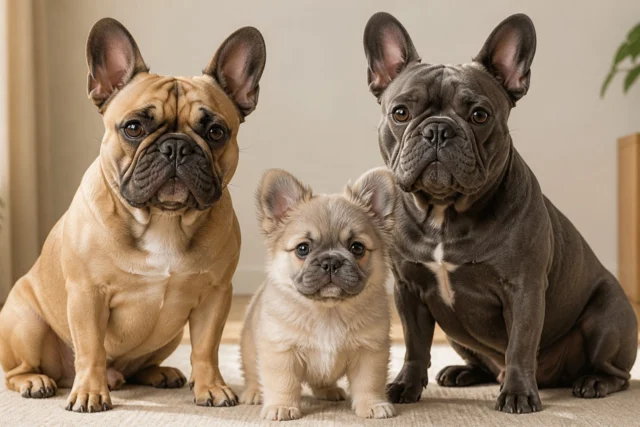
Are French Bulldogs hypoallergenic? No, French Bulldogs are not hypoallergenic. Despite their short coats, French Bulldogs can still cause problems for allergy sufferers. This might be a blow to some potential dog lovers, but it’s important to know the facts before making a decision.
 Plenty of people choose the breed hoping it will be easier on their allergies. The truth is that no breed is entirely hypoallergenic. While Frenchies have less fur than some breeds, they still shed and produce dander, which can trigger allergies.
Understanding these myths helps in making informed choices about pet ownership. So, you’re wondering if French Bulldogs are the right fit for you despite the allergy concerns. Well, stick around, and we’ll dive into common myths, explore how Frenchies might impact those with allergies, and discuss what lifestyle adjustments can help.
Whether you’re a seasoned dog lover or considering your first pet, there’s valuable information ahead.
Key Takeaways
- French Bulldogs are not hypoallergenic.
- They can still cause allergic reactions due to shedding and dander.
- Making lifestyle changes can help manage allergies with a French Bulldog.
What Does Hypoallergenic Really Mean?
 Many people wonder what hypoallergenic actually means, especially when it comes to dog breeds like French Bulldogs. Here, will explain the basics of allergens and why no dog is truly hypoallergenic.
Understanding Allergens and Reactions
Allergens are substances that cause allergic reactions in some people. In dogs, common allergens include dander, saliva, and urine.
When a dog sheds its skin flakes (dander), proteins in the dander can trigger allergies. These proteins are also found in a dog’s saliva and urine.
Even though French Bulldogs have short hair, they still produce these allergens. Short hair might help a bit, but it doesn’t remove the allergens altogether. So, if you are an allergy sufferer, you may still react to French Bulldog allergens, just like any other breed.
Regular grooming and cleaning can help reduce allergens, but won’t eliminate them completely.
Common Misconceptions About Hypoallergenic Dogs
The term “hypoallergenic” is often misunderstood. It doesn’t mean a dog won’t cause any allergic reactions. Instead, it means the dog is less likely to cause an allergic reaction. This is different from being completely allergy-free.
Many believe certain breeds like Poodles or Schnauzers are hypoallergenic, but they still produce dander, saliva, and urine. These allergens can still cause reactions.
All dogs produce some level of allergens, so “hypoallergenic” is a bit of a myth. It is more accurate to say some dogs may be less likely to trigger allergies.
If you have allergies and still want a dog, consider spending time with the breed before making a commitment. This can help you gauge your reaction.
The Truth About French Bulldogs and Allergies
French Bulldogs have a reputation for being affectionate and playful. However, many people wonder if they are suitable for allergy sufferers. Let’s uncover the truth about French Bulldogs and the allergens they may produce.
Assessing the French Bulldog’s Coat and Shedding
French Bulldogs, or Frenchies, have a short, smooth coat. This can be misleading for those who think short-haired dogs are less likely to cause allergies. They do shed, and the shedding can release allergens into the air.
While grooming can help manage this, it doesn’t eliminate allergens entirely. Have found that even with regular grooming, some dander still floats around my home.
Frenchies shed moderately, so you might notice hair on your furniture or clothes. Using a good vacuum and lint roller helps, but it’s not a complete solution. Remember, less hair doesn’t always mean fewer allergies.
Dander and Saliva: The True Culprits
The main culprits for allergies are not the length of the dog’s coat but the dander and saliva. Dander is tiny skin flakes that can easily become airborne and stick to surfaces. French Bulldogs, like all dogs, produce dander.
Saliva is another major allergen producer. When French Bulldogs lick themselves, lick you, or drool (which they do often), they spread saliva allergens. People who are sensitive to dog saliva might find themselves sneezing and itching more frequently around Frenchies. Grooming tips:
- Brush your Frenchie regularly to remove loose dander.
- Consider wiping their coat with a damp cloth daily.
- Have a dedicated space where your dog sleeps to limit exposure to dander and saliva.
Individual Reactions and Sensitivity
All individuals react differently to allergens. Some might find their symptoms manageable around French Bulldogs, while others might suffer more. It’s crucial to spend time with a French Bulldog before deciding to bring one home.
Once met a family who desperately wanted a dog despite their allergies. They spent time with a friend’s Frenchie to test their reactions. This hands-on approach helped them realize their sensitivity levels and make an informed decision. Tips for managing allergies:
- Use air purifiers to reduce airborne allergens.
- Wash your hands after petting or playing with your dog.
- Keep bedrooms pet-free to create an allergen-free zone.
Lifestyle Considerations for Allergy Sufferers
Living with a French Bulldog if you have allergies can be tricky, but it’s definitely doable. By managing allergens and carefully choosing the right breed, you can still enjoy your furry friend’s company.
Managing Allergies While Enjoying Companionship
If you are an allergy sufferer, frequent grooming is key. Brushing your Frenchie every second or third day helps release dander from their skin.
It’s best if someone without allergies can handle the grooming. Grooming your Frenchie and keeping your space clean is very important. Using air purifiers in your home can also go a long way in reducing allergens.
Don’t forget to wash your hands after petting your dog to avoid transferring allergens to your face. Some people find relief with over-the-counter allergy medications. Consult your doctor for the best options.
Choosing the Right Breed and Consider Alternatives
French Bulldogs are not hypoallergenic. They have short fur but shed a lot, and this can be challenging for some people with allergies. If you love Frenchies but struggle with allergies, consider other breeds that might be better suited for you.
Breeds like Poodles, Schnauzers, and Bichon Frises are often recommended for people with allergies. These dogs have hair that is more similar to human hair and generally produce fewer allergens. If you’re really set on a French Bulldog, allergy testing can help determine how your body reacts to them.
Frequently Asked Questions
 Here, we’ll dive into common concerns and questions about the hypoallergenic myths surrounding French Bulldogs, as well as practical tips for managing allergies.
Is there such a thing as a hypoallergenic French Bulldog mix that’s suitable for allergy sufferers?
No, French Bulldogs and their mixes are not hypoallergenic. Despite what some might hope, these charming dogs still produce dander, which can trigger allergies. From my experience with dog enthusiasts, even those mixed with supposedly hypoallergenic breeds generally don’t reduce allergens significantly.
Can the fur of Fluffy Frenchies reduce allergic reactions compared to other types of French Bulldogs?
Fluffy Frenchies’ fur does not reduce allergic reactions. Their dense, double coat can trap more allergens, making them just as problematic for allergy sufferers. Compared to short-haired Frenchies, fluffy ones might even shed more, leading to more dander around the home.
What are the best practices for managing allergies to French Bulldogs?
Managing allergies to French Bulldogs involves regular grooming and cleaning. Brush your dog often to minimize loose fur. Bathe them frequently, and clean your home with a HEPA vacuum.
Investing in air purifiers can also help reduce airborne allergens. Personally, I’ve found these steps crucial in keeping allergic reactions at bay.
Do certain diets for French Bulldogs help in reducing allergenic properties in these pups?
There is no specific diet that reduces allergenic properties in French Bulldogs. A healthy diet can enhance their coat and skin condition, potentially reducing dandruff. But it’s not a cure-all.
Ensuring your Frenchie gets a balanced diet can minimize skin issues, which could indirectly help allergy-prone owners.
How much dander is typically produced by French Bulldogs, and what impact does it have on allergies?
French Bulldogs produce a moderate amount of dander, which significantly impacts allergies. Their dander, combined with saliva proteins, triggers reactions. Regular grooming can lessen dander production, but it won’t eliminate allergens.
Are there any fully hypoallergenic dog breeds, and how do French Bulldogs compare?
No dog breed is fully hypoallergenic. Breeds like Poodles and Bichon Frises are better for people with allergies because they produce fewer allergens.
In comparison, French Bulldogs produce more dander and saliva proteins, making them less suitable for allergy sufferers. But their affectionate nature makes them beloved pets regardless.