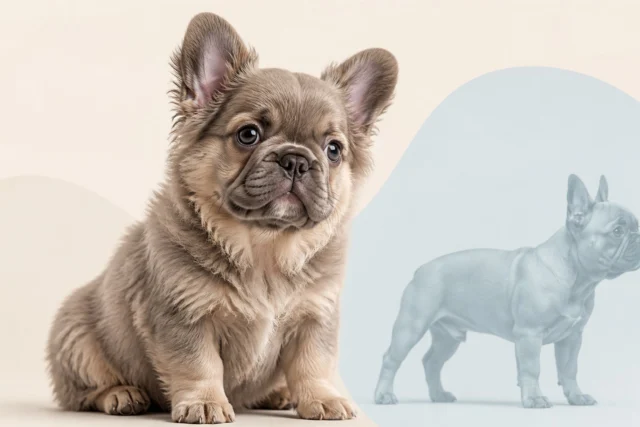
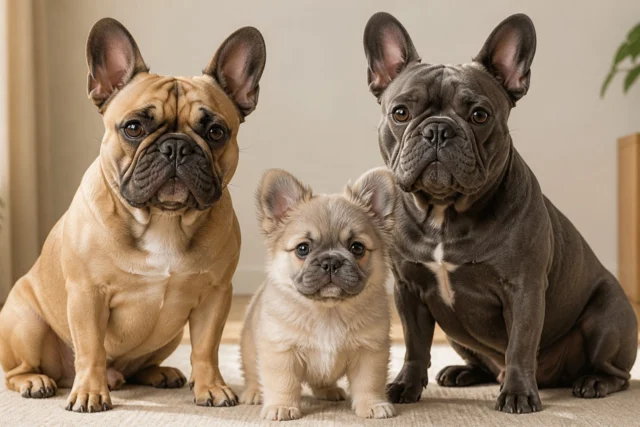
If you’ve been searching for a fluffy, cuddly dog that won’t trigger your allergies, I’ve got some surprising news. Research shows that so-called hypoallergenic dog breeds actually produce higher levels of the Can f 1 allergen than regular dogs, despite what breeders claim. But here’s the thing – some fluffy breeds still cause fewer reactions in many people, and I’m about to break down exactly why.
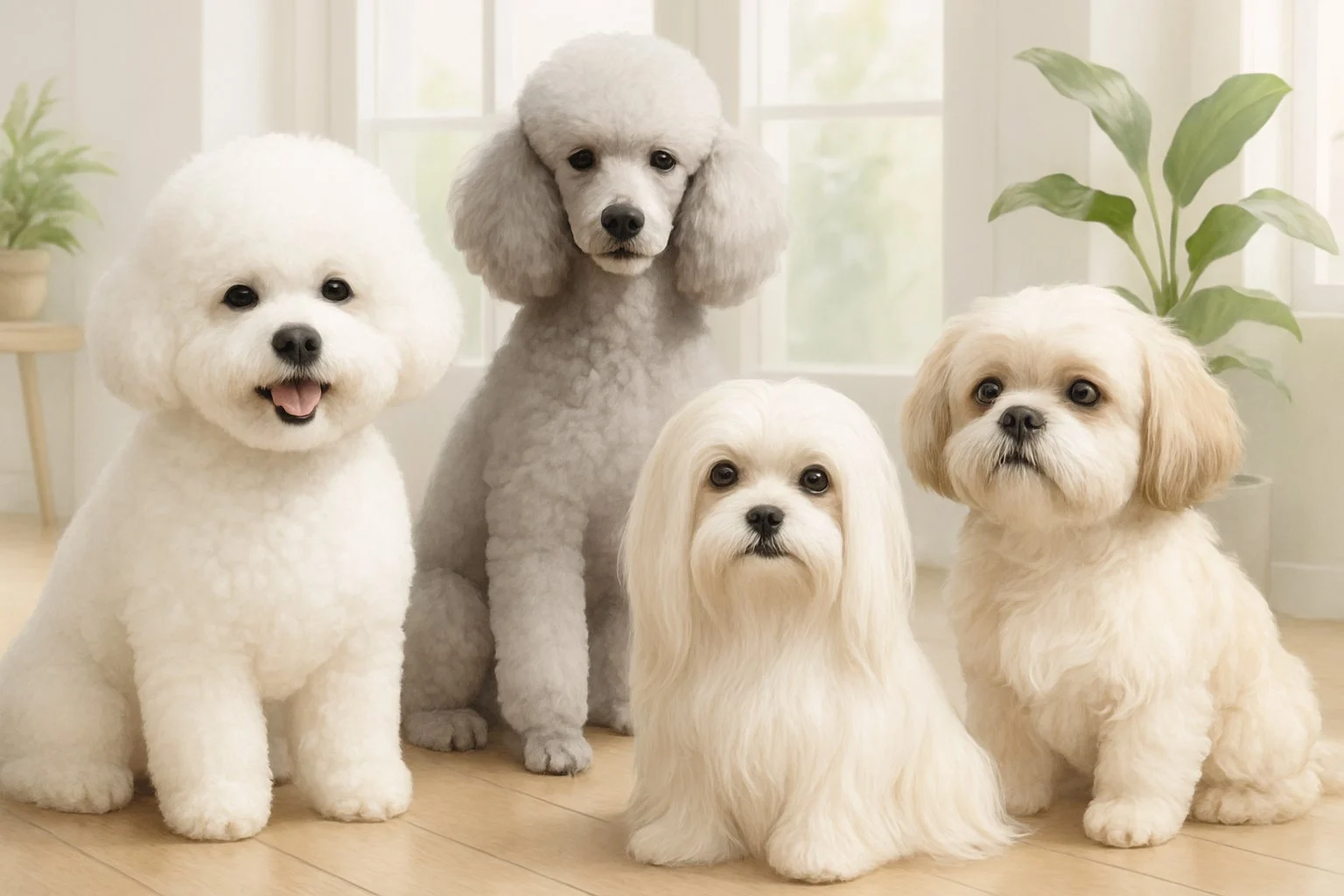
No dog is 100% hypoallergenic. What makes certain fluffy breeds better for allergy sufferers isn’t magic – it’s their coat type and how they shed.
Dogs with curly, dense coats like Poodles trap dander instead of releasing it into your air. That can make a huge difference in your daily comfort.
You’re about to discover which fluffy breeds work best for people with allergies. I’ll also share the care secrets that can turn almost any low-shedding fluffy breed into a better choice for your sensitive nose.
Key Takeaways
- No dog breed is truly 100% hypoallergenic, but some fluffy breeds trap allergens better in their coats
- Curly-coated dogs like Poodles and Goldendoodles shed less dander into your home’s air
- Regular grooming and proper care can significantly reduce allergen levels from any fluffy dog
What Makes a Dog Hypoallergenic and Fluffy?
Many people think fluffy dogs can’t be hypoallergenic. The truth about dog allergies might surprise you.
Understanding Dog Allergies
Let me be real with you — if you’re allergic to dogs, it’s not actually the fur making you sneeze. Dog allergies come from proteins found in a dog’s saliva, urine, and dead skin cells (called dander). The main troublemaker is a protein called Can f 1, which gets spread around when dogs lick themselves and shed.
When I learned this, everything clicked. That’s why some people react differently to various dogs, even within the same breed. Your immune system treats these proteins like invaders. It releases histamines, causing those familiar symptoms:
- Sneezing and runny nose
- Itchy, watery eyes
- Skin rashes or hives
- Difficulty breathing (in severe cases)
Research shows that dog allergen levels vary significantly between individual dogs, not just breeds. This explains why you might be fine with your friend’s golden retriever but react to another one.
The amount of allergens a dog produces depends on factors like age, sex, and individual genetics. Male dogs typically produce more allergens than females.
Hypoallergenic vs. Non-Shedding: What’s the Difference?
Here’s where things get interesting — and where most people get confused. Hypoallergenic means a dog produces fewer allergens, not that it doesn’t shed. Non-shedding means the dog keeps its hair instead of dropping it everywhere.
I’ve seen countless people assume these terms mean the same thing. They don’t.
A dog can shed very little but still produce tons of allergens through saliva and dander. Conversely, a dog might shed more but produce fewer allergy-causing proteins.
There’s no convincing evidence that certain breeds are less allergenic than others. Scientists have tested this theory multiple times. What “hypoallergenic” dogs actually offer:
- Less hair floating around your home
- Easier grooming and cleanup
- Reduced dander distribution (sometimes)
They still lick themselves. They still produce the proteins that trigger reactions. Even that adorable small dog with the “hypoallergenic” label can cause allergic reactions if you’re sensitive to dog allergens.
The Truth About Fluffy Coats and Allergies
Now for the plot twist — fluffy coats might actually help some allergy sufferers. Think about it: when a fluffy dog’s dander gets trapped in their thick coat, it’s not floating around your living room as much. The fluff acts like a natural filter.
Dogs with curly or wavy coats (like poodles) tend to trap more dander and loose hair. This doesn’t make them truly hypoallergenic, but it can reduce airborne allergens in your home. Fluffy coat benefits for allergic people:
- Dander stays trapped longer
- Less allergen distribution through air
- Easier to contain with regular grooming
The belief that certain dogs are hypoallergenic hasn’t been supported by evidence. Every dog produces allergens. Regular brushing, bathing, and professional grooming reduce allergen levels regardless of coat type.
If you’re allergic to dogs, spend time with the specific dog you’re considering. Individual dogs vary more than breeds do.
Some fluffy dogs produce fewer allergens naturally. Others might be allergen factories despite their “hypoallergenic” breeding. Your reaction to a specific fluffy, hypoallergenic dog depends on that individual pet’s protein production — not marketing claims about their breed.
Top Hypoallergenic Fluffy Dog Breeds
I’ve spent years helping families find the perfect fluffy companion that won’t trigger their allergies. While no dog breed can truly be called hypoallergenic, certain fluffy breeds produce fewer allergens and shed less dander than others.
Popular Fluffy Hypoallergenic Breeds
Let me tell you about the most beloved fluffy breeds that work well for allergy sufferers. I’ve seen countless families thrive with these dogs.
Poodles top my list every time. Standard, miniature, and toy poodles all have that gorgeous curly coat that traps dander instead of releasing it into your home. Their hair grows continuously rather than shedding seasonally.
The Bichon Frise is another winner. These cotton ball cuties have a double coat that’s surprisingly allergy-friendly when properly groomed. I love their cheerful personalities – they’re like living teddy bears.
Maltese dogs bring elegance with their silky white coats. Though they look high-maintenance, their single-layer coat produces less dander than double-coated breeds. Regular brushing keeps allergens at bay.
Don’t overlook the Havanese. Cuba’s national dog has a soft, flowing coat that’s naturally low-shedding. I’ve watched these little charmers win over families who thought they’d never own a dog due to allergies.
| Breed | Size | Grooming Needs | Best For |
|---|---|---|---|
| Standard Poodle | Large | High | Active families |
| Bichon Frise | Small-Medium | High | Apartment living |
| Maltese | Toy | Medium-High | Seniors, singles |
| Havanese | Small | Medium | First-time owners |
Unique and Rare Fluffy Allergy-Friendly Pets
Ready for something different? These lesser-known breeds might surprise you with their allergy-friendly qualities.
The Coton de Tulear feels like touching a cloud. This Madagascar breed has cotton-soft fur that barely sheds. I’ve placed several with families who couldn’t tolerate other breeds.
Löwchen translates to “little lion” – and they look the part with their fluffy mane-like coat. These rare companions are incredibly affectionate and produce minimal dander.
Lagotto Romagnolo brings Italian charm with their curly, woolly coat. Originally truffle hunters, they’re active dogs with naturally low-allergen fur that feels like sheep’s wool.
The Irish Water Spaniel is the clown of the spaniel family. Their tight, curly coat repels water and traps allergens effectively. These playful giants need active homes.
Portuguese Water Dogs gained fame in the White House, but their hypoallergenic qualities made them popular long before. Their wavy coat comes in two varieties – both excellent for allergy sufferers.
Choosing the Right Breed for Your Lifestyle
Here’s what I tell every family: the “best” hypoallergenic fluffy dog depends entirely on your situation.
Consider your space first. Giant Schnauzers and Afghan Hounds need room to roam. Yorkshire Terriers and Westies thrive in apartments.
I’ve seen too many mismatched situations end poorly.
Energy levels matter hugely. Soft Coated Wheaten Terriers will bounce off your walls without enough exercise. Shih Tzus prefer gentle walks and lap time.
Grooming commitment is real. These fluffy coats need regular professional grooming every 6-8 weeks. Budget $75-150 per visit.
Skipping grooming defeats the allergy benefits entirely.
Test your reactions first. Spend time with the specific breed before committing. Even “hypoallergenic” dogs affect people differently.
Puppy vs. adult considerations: Adult dogs from rescues let you see their full coat and temperament. Puppies are unknowns – their adult coat might surprise you.
The Miniature Schnauzer perfectly balances size, temperament, and grooming needs for most families. Bedlington Terriers offer unique lamb-like coats but need experienced handlers.
Remember: regular bathing, HEPA air filters, and consistent grooming make any of these breeds more allergy-friendly. Choose based on personality match first, then manage the allergens with proper care.
Small and Lap-Sized Hypoallergenic Fluffy Dogs
Small hypoallergenic dogs make perfect companions for cozy apartment living and cuddle sessions. These pint-sized pups pack big personalities while keeping allergens low and comfort levels high.
Best Breeds for Apartment Living
Living in a small space doesn’t mean you have to give up on a fluffy companion. Honestly, I’ve found that certain small hypoallergenic dogs thrive in apartments better than most big breeds ever could. Maltese dogs top my list for apartment dwellers.
They weigh just 4-7 pounds and need minimal exercise, and their silky white coats produce very little dander—perfect for allergy sufferers. Havanese dogs bring Cuban charm to cramped quarters. These 7-13 pound pups adapt well to small spaces, and their soft, wavy coats rarely trigger allergic reactions.
Bichon Frise dogs have a cheerful attitude that fits apartment life. They weigh 12-18 pounds and have powder-puff coats that trap allergens instead of letting them float around. Coton de Tulear breeds offer cotton-soft fur without the sneezing.
These 8-15 pound dogs were bred for companionship and are content with indoor play and short walks. Löwchen dogs, also called “little lions,” pack royal personality into 10-18 pound frames. Their long, flowing coats produce minimal allergens if you keep up with grooming.
Lap Dogs That Love to Cuddle
Nothing beats a warm, fluffy lap dog at the end of a long day. These breeds were basically designed for snuggling and human companionship. Yorkshire Terrier personalities shine brightest when they’re close to their humans.
Despite weighing just 4-7 pounds, these tiny dogs have huge hearts and their silky coats feel amazing during cuddle time. Maltese dogs turn lap sitting into an art form. I’ve noticed they always seem to know when you need comfort most, curling up perfectly in your lap for hours.
Havanese breeds earned the nickname “Velcro dogs” for good reason. They stick close to their favorite people and crave physical contact, making every snuggle session feel extra luxurious. Coton de Tulear dogs were bred specifically as companion animals for Madagascar royalty.
They naturally seek out warm laps and cozy spots next to their owners. Daily grooming keeps their coats soft and allergen-free, plus it doubles as bonding time.
Pint-Sized Watchdogs
Don’t let their small size fool you. These fluffy lap dogs take their guard duties seriously and will alert you to anything unusual. Miniature Schnauzer dogs pack serious watchdog instincts into 11-20 pound bodies.
Their wiry, hypoallergenic coats and bold personalities make them excellent small-space protectors. West Highland Terrier breeds, or Westies, bring Scottish toughness to apartment security. These 15-20 pound white fluffballs have keen hearing and aren’t afraid to use their voices.
Yorkshire Terrier dogs may be tiny, but they have terrier courage. They’ll challenge dogs ten times their size to protect their territory, and their alertness makes them surprisingly effective watchdogs. Löwchen dogs balance their gentle lap dog nature with natural protective instincts.
They’ll bark to warn you but won’t become nuisance barkers with proper training. The trick is teaching them when to bark and when to stay quiet. Start training early to channel their protective nature so it works for apartment living.
Not-So-Fluffy But Hypoallergenic: Hairless and Minimal Shedders
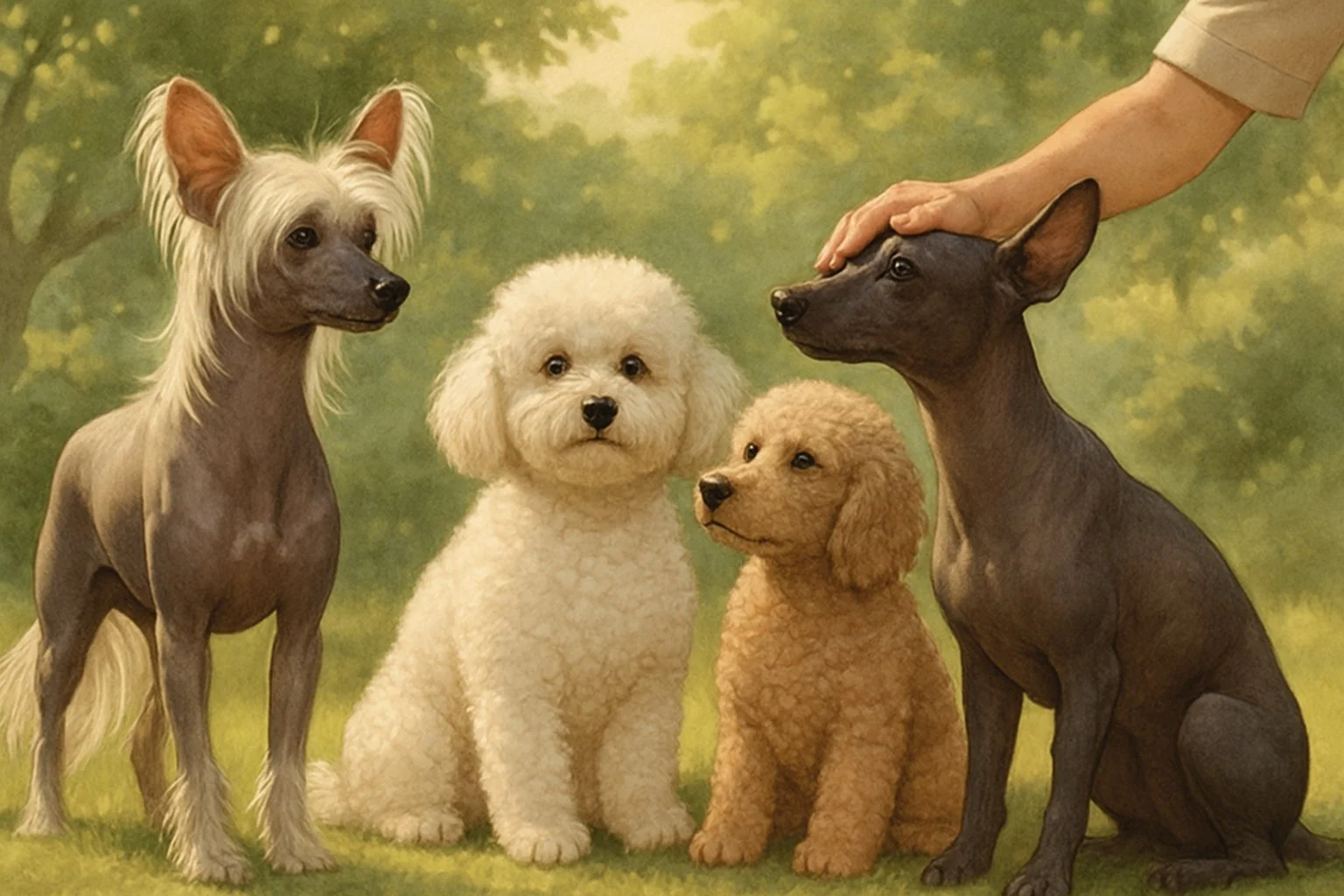
Hairless dogs eliminate most allergens since they barely shed. Low-shedding breeds like Greyhounds produce fewer allergens than typical fluffy dogs, but skin allergies from hairless breeds are often misunderstood.
The Appeal of Hairless Breeds
Let’s be real—when I first saw a Chinese Crested, I wasn’t sure what to think. But hairless dogs have become game-changers for allergy sufferers who still want a canine companion. The most popular hairless breeds include:
- Chinese Crested
- Xoloitzcuintli (Mexican Hairless Dog)
- Peruvian Inca Orchid
- American Hairless Terrier
These dogs solve the biggest problem for allergic families. No fur means no dander trapped in hair—that’s huge if you’re dealing with sneezing fits and watery eyes. Here’s the kicker—hairless dogs still need skincare.
Think of it like caring for a baby’s sensitive skin; you’ll need sunscreen for outdoor time and regular moisturizer. The Xoloitzcuintli, or “Xolo,” has been around for 3,000 years. These dogs were sacred to the Aztecs and now fit perfectly into modern allergy-prone families.
Chinese Cresteds come in two varieties. The hairless type has hair only on the head, feet, and tail, but some have a “powder puff” gene that creates a fully coated dog in the same litter.
Low-Shedding Dogs for Allergy Sufferers
Ever seen a Greyhound up close? Their short, tight coat barely sheds compared to a Golden Retriever, and minimal shedders work great for mild allergies. Top low-shedding breeds for allergies:
- Greyhounds — smooth, minimal coat
- Whippets — fine, short hair
- Basenji — short coat that self-cleans
Greyhounds might surprise you. These racing dogs have incredibly fine hair that stays put, so you rarely see fur tumbleweeds in Greyhound homes. Whippets are like mini Greyhounds with the same benefits.
Their coat feels smooth and silky, and you’ll only need to brush them once a week. The Basenji is special. This “barkless dog” grooms itself like a cat, so less saliva on the fur means fewer allergens spreading around your home.
That said, low-shedding doesn’t mean no allergens. These dogs still produce dander from their skin, but the amount is much lower than heavy shedders.
Myths About Hairless Dogs and Allergies
You know that look people give you when you mention hairless dogs? I’ve heard some wild myths that need clearing up. Myth #1: Hairless dogs are completely hypoallergenic Truth: They still produce skin dander and saliva allergens, but the amount is drastically reduced. Myth #2: Hairless dogs have more skin problems
Truth: Healthy hairless breeds have normal skin. Poor breeding creates issues, not the hairlessness itself. Myth #3: All hairless dogs feel cold and hot Truth: The Peruvian Inca Orchid actually regulates temperature well and has adapted to various climates for centuries. I’ve seen people avoid American Hairless Terriers, thinking they’re “unnatural.”
Actually, this breed developed from a natural mutation in the 1970s and they’re as healthy as any other terrier. The biggest misconception? That hairless means high-maintenance.
Most hairless dogs just need simple skincare routines—weekly baths and daily moisturizing keep them comfortable. Here’s what really matters: spend time with the specific dog first. Some people react to one hairless breed but not another, and individual dogs produce different allergen levels even within the same breed.
Living With Hypoallergenic Fluffy Dogs: Care, Grooming, and Tips
Living with a hypoallergenic fluffy dog means mastering daily brushing techniques that trap loose fur before it spreads allergens. It also means creating a low-allergen home environment and choosing the right nutrition to support healthy skin that produces fewer irritating proteins.
Daily Grooming Strategies
Ever notice how your fluffy hypoallergenic dog still makes you sneeze sometimes? That’s because regular grooming helps reduce allergens that get trapped in their coat. Brush twice daily using this routine: Morning Quick Brush (5 minutes):
- Use a slicker brush to catch overnight shedding
- Focus on areas that mat easily: behind ears, legs, chest
- Wipe down with a damp cloth to remove surface allergens
Evening Deep Groom (15 minutes):
- Start with a wide-tooth comb for detangling
- Follow with an undercoat rake for fluffy breeds
- Finish with a pin brush for smoothness
The key is consistency. Missing even one day lets allergens build up in that fluffy coat. Bathe your dog weekly using a hypoallergenic dog shampoo.
This removes the Can f 1 protein that causes most dog allergies. Between baths, I use grooming wipes daily on paws and face. These areas collect the most allergens from licking and outdoor exposure.
Reducing Allergens in Your Home
Your fluffy hypoallergenic dog is just part of the equation. I learned this the hard way when my sneezing continued, even with daily brushing. High-Impact Changes Worth Making:
- HEPA air purifiers in every room where the dog spends time
- Washable furniture covers washed in hot water every week
- Hard flooring instead of carpet wherever possible
- Weekly deep vacuuming with a pet-specific HEPA vacuum
Wash your dog’s bedding every three days in hot water. That knocks out a lot of allergens from normal shedding and dander.
Creating dog-free zones changed everything for me. My bedroom stays completely off-limits, so I get eight hours of allergen-free recovery every night.
Humidity makes a difference too. I keep indoor humidity between 30-50% to stop allergens from floating around. If the air gets too dry, everything just goes airborne. Weekly Deep Clean Routine:
- Vacuum upholstery and curtains
- Mop floors with allergen-reducing cleaners
- Replace HEPA filters monthly
- Wash throw pillows and blankets
Nutrition and Skin Health
What I feed my hypoallergenic fluffy dog really impacts how many allergens they put out. Healthy skin means less dander and fewer proteins in their saliva. Skin-Supporting Nutrients I Focus On:
| Nutrient | Benefit | Food Sources |
|---|---|---|
| Omega-3 fatty acids | Reduces skin inflammation | Fish oil, flaxseed |
| Zinc | Supports skin barrier | Beef, pumpkin seeds |
| Vitamin E | Antioxidant protection | Sunflower oil, spinach |
| Biotin | Healthy coat growth | Eggs, sweet potatoes |
I feed a high-quality hypoallergenic diet with limited ingredients. That helps prevent food allergies that could make skin problems worse. Daily Supplements to Discuss With Your Vet:
- Fish oil (1000mg EPA/DHA)
- Probiotics for gut health
- Biotin for coat strength
Hydration is huge. Adding bone broth to food twice a week can help keep skin from getting flaky. Skip foods with artificial colors, preservatives, and common allergens like chicken or beef if your dog seems sensitive.
Managing Allergies as a Dog Parent
Let’s be real—having a hypoallergenic fluffy dog doesn’t mean zero allergic reactions. The key is having strategies that actually help. My Personal Allergy Management:
I take antihistamines about 30 minutes before grooming. That usually keeps the sneezing and watery eyes at bay. During High-Allergen Activities:
- Wear a mask while brushing
- Change clothes right after grooming
- Wash hands and forearms thoroughly
- Use nasal saline rinses
I try to catch my early warning signs—like a throat tickle or itchy eyes—before they turn into a full-blown reaction. Emergency Kit I Keep Ready:
- Fast-acting antihistamines
- Nasal decongestant spray
- Eye drops for itching
- Inhaler (if prescribed)
Don’t let allergies keep you from bonding with your dog. My fluffy hypoallergenic buddy is an awesome watchdog and a loving family member.
I schedule regular check-ins with my allergist to adjust meds seasonally. Spring and fall always seem to need different plans when outdoor allergens mix with pet dander. Working with both your vet and your own allergist makes a real difference.
Which Fluffy Breed Sheds the Least?
Low-shedding and fluffy do overlap, but not in the way the marketing suggests. The breeds that shed least are the ones whose coat grows continuously instead of growing to length and releasing — which means the hair comes out in your brush rather than on your sofa, and the trade is a haircut every six to eight weeks.
Least shedding, highest grooming: Poodle, Bichon Frise, Maltese, Shih Tzu, Havanese, Portuguese Water Dog, Coton de Tulear. All single-coated, all continuously growing, all needing daily brushing and regular cutting. A Bichon that is not brushed does not shed on the floor — it mats to the skin instead.
Fluffy but heavy shedding: Samoyed, Pomeranian, Chow Chow, Sheltie, Husky. These carry a true double coat that blows out seasonally, and no amount of grooming stops it. Managing it means removing the undercoat before it lands, not preventing it.
Two honest caveats. No dog is hypoallergenic — reactions are to dander and saliva proteins, which every dog produces, so a low-shedding coat reduces how much allergen circulates rather than removing it. And doodle crosses are unpredictable: an F1 cross can inherit either parent’s coat, so “low-shedding” is a probability rather than a guarantee.
Frequently Asked Questions
People want straight answers about finding fluffy dogs that won’t trigger their allergies. No dog breed is 100% hypoallergenic, but some fluffy breeds do produce fewer allergens than others.
Ever been curious about which medium-sized dogs are safe for allergy sufferers and cuddly too?
I get this question a lot from folks looking for that sweet spot. Medium-sized fluffy dogs like Portuguese Water Dogs and Soft Coated Wheaten Terriers are usually your best bets.
These breeds have hair instead of fur, which traps dander better. Portuguese Water Dogs weigh 35-60 pounds and have curly, dense coats that really don’t shed much.
Soft Coated Wheaten Terriers are super fluffy but produce less of the Can f 1 protein that triggers allergies. They’re about 30-40 pounds—just the right size for a snuggle.
Barbet dogs are another fantastic option. They’re French water dogs with woolly coats that barely shed. Not many people know about them, but they’ve got great family dog vibes.
You know that pal who’s both allergic and dreaming of a big, snuggly dog? What breeds would you recommend?
I always bring up Standard Poodles first. They’re 45-70 pounds of fluff with tight curls that trap allergens pretty well.
Giant Schnauzers are another solid pick. Not quite as fluffy as Poodles, but their wiry coats give off fewer allergens than most big breeds.
I’ve seen folks with allergies do surprisingly well with Bouvier des Flandres. They’re massive, shaggy, and look like teddy bears. Their double coats need grooming, but they’re more allergy-friendly than you’d think.
The key? Meet the actual dog first. Research shows that individual dogs vary more in allergen production than breeds do.
Let’s be real, what pups can you get if you love dogs but dread the sneezing spells?
Honestly, every dog produces some allergens, but these breeds give you the best shot at fewer symptoms. Bichon Frises are like living cotton balls. Their powder-puff coats trap dander instead of letting it float around your house.
Havanese dogs are small but super fluffy. Their silky double coats barely shed if you keep up with grooming.
Coton de Tulear dogs actually feel like cotton. They’re a bit rare but are great for people with mild to moderate allergies.
Regular grooming is the trick. I usually recommend professional grooming every 6-8 weeks for these kinds of fluffy breeds.
Think it’s impossible to find a little furry friend that won’t make your eyes water? Guess again!
Small fluffy dogs can be a lifesaver for allergy sufferers. Maltese dogs are probably my top pick here. Their silky white coats barely shed, and since they’re tiny, there’s just less dander to worry about overall.
Yorkshire Terriers with their fine, hair-like coats are another good bet. Lots of people with allergies do fine with Yorkies.
Chinese Crested Powder Puff dogs are interesting because you can get them with or without hair. The powder puff variety has soft, fluffy coats but not much shedding.
I always say, spend time with the actual puppy before deciding. Some dogs just produce way fewer allergens than others, even within the same breed.
Looking for a furry companion that’s easy to care for and kind to your allergies?
This is where Poodle mixes really shine. Labradoodles and Goldendoodles are popular for a reason.
But here’s something weird: studies found that so-called hypoallergenic dogs actually had higher allergen levels in their hair. The real difference is in how much they shed.
Xoloitzcuintli dogs come in a coated variety that’s super low-maintenance. Their short, sparse coats need almost no grooming.
Kerry Blue Terriers have soft, wavy coats that barely shed. They do need regular grooming, but they’re easy to keep up with between visits.
Honestly, your best bet is picking a breed with hair instead of fur and sticking to regular brushing at home. It’s not rocket science, but it makes a world of difference.
Who else wants to know the top breeds that are equal parts fluffy, friendly, and easy on the allergies?
My top three fluffy, allergy-friendly personalities are Poodles, Portuguese Water Dogs, and Lagotto Romagnolos. Poodles come in three sizes. They’ve got amazing temperaments and seem to genuinely love people.
They’re smart and pretty easy to train. Plus, their curly coats trap allergens surprisingly well.
Portuguese Water Dogs are super social and full of energy. Fishermen once relied on them, so they’re loyal and fit right in with families.
Lagotto Romagnolos? They’re truffle-hunting dogs from Italy, medium-sized, and covered in tight, woolly curls. Most people haven’t heard of Lagottos, but honestly, they’re fantastic dogs with sweet personalities.
All three breeds need regular grooming every 6-8 weeks. In between, you’ll want to brush them 2-3 times a week to keep mats away and cut down on loose hair.