As an Amazon Associate I earn from qualifying purchases.
Most puppies can learn to walk on a lead, and reward-based training is the way to teach it.
The Dogs Trust and the PDSA both say never to jerk or pull the lead back, and the RSPCA recommends ethical, reward-based methods.
This page covers the equipment, the first steps indoors, and what to do when your puppy pulls.
Every puppy learns at its own pace, so be patient.
If you are struggling, ask a qualified trainer who uses reward-based methods. This page is general information.

Choose A Harness And Lead
The AKC recommends a harness for puppies because there is no pressure on the neck if they pull, and says it must fit so the puppy cannot slip out. For a large puppy that pulls, the AKC says a front-clip harness makes it easier to steer. The PDSA recommends a harness for dogs that pull, and the Dogs Trust says to use whatever equipment is most comfortable for your dog, such as a flat harness or collar.
Avoid choke collars and anything painful or restrictive (PDSA). The AKC also says to avoid retractable leads and use a lightweight 6-foot (about 1.8 m) lead.
The Harness Lead no-pull harness and leash set listing describes a one-piece set with a cushioned rope lead and a circular insert that lets the lead loosen quickly after it tightens.
Check price on AmazonAffiliate link — Dog Fluffy may earn a commission, at no extra cost to you.Get Used To The Harness And Lead
The AKC says to start by getting your puppy used to wearing the harness and having the lead attached. Do this at home, with treats, and keep it short and happy.
Teach A Marker Word And Reward
The AKC says to start in a quiet place with a click or a marker word such as “yes”, and to give a treat immediately every time. Only use the marker when you have a treat ready. Count the treats in your puppy’s daily food.
The Milk-Bone MaroSnacks listing describes small-dog treats in a 40 oz canister, crunchy outside with a meaty centre.
Check price on AmazonAffiliate link — Dog Fluffy may earn a commission, at no extra cost to you.The dog training clicker listing describes a clicker with a wrist strap and a key ring.
Check price on AmazonAffiliate link — Dog Fluffy may earn a commission, at no extra cost to you.Practise Indoors First
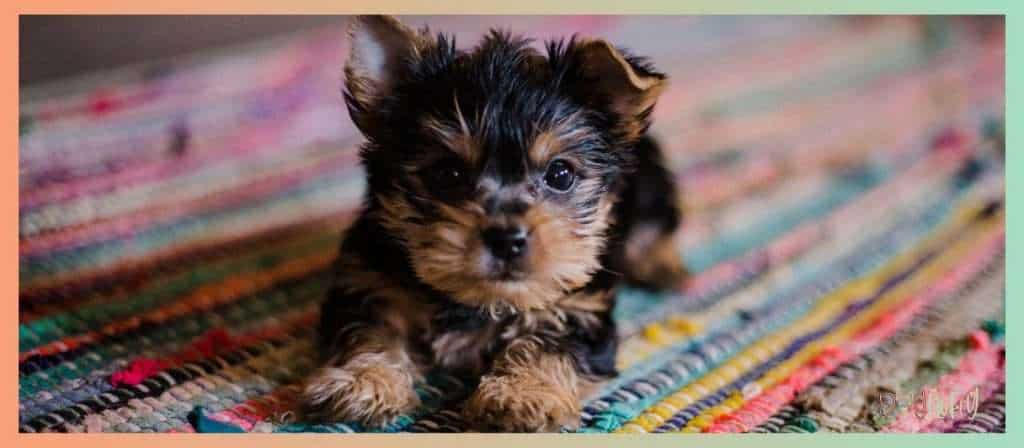
Practise loose-lead walking inside the house or in the garden first, and move outside only once your puppy understands it there (AKC). The Dogs Trust suggests rewarding your puppy for staying close to you. Practise in quiet places before busy ones (PDSA).
When The Lead Tightens
The Dogs Trust says the second the lead starts to tighten, stop walking and stay still and quiet until it is slack again. The PDSA says never to pull the lead back: wait for your dog to stop pulling, then reward the slack lead and carry on. Do not jerk the lead back or tell your puppy off (Dogs Trust).
The AKC suggests that when the puppy reaches the end of the lead, you say its name, mark when it looks back, reward it and start moving again.
Let Your Puppy Sniff And Choose
The AKC recommends regular “sniffy” walks where your puppy can explore and choose the direction. A puppy that gets to sniff is usually easier to walk.
If Your Puppy Chews The Lead
The AKC says to offer a treat to get its attention, say “drop”, and reward when the lead leaves its mouth.
Be Patient
The PDSA says teaching a dog not to pull can be a very long process. Fade treats gradually rather than stopping suddenly. Do not leave a young puppy alone for long (Dogs Trust). If you are stuck, ask your vet or a qualified, reward-based trainer for help.