Curious about the striking coats of French Bulldogs? You’re not alone.
The genetics behind French Bulldog coat colors are both fascinating and complex. They play a big role in their unique appearance. From classic fawn to rare colors like blue and lilac, Frenchies offer a rainbow of possibilities. 
It is natural to wonder how a Frenchie’s coat colour came to be. It turns out, specific genes and their combinations dictate not only the color but also patterns and shades. Understanding these genetic factors can help you appreciate your fur baby’s unique look even more.
Knowing the basics of coat color genetics is also crucial for choosing a healthy and ethically bred Frenchie. By delving into how genetics works, you can help ensure that your pup has the best possible life.
Key Takeaways
- French Bulldog coat colors are determined by specific genes.
- Various color combinations result in different patterns and shades.
- Knowing genetics can help in selecting healthy and ethically bred French Bulldogs.
Basic Genetics of French Bulldogs
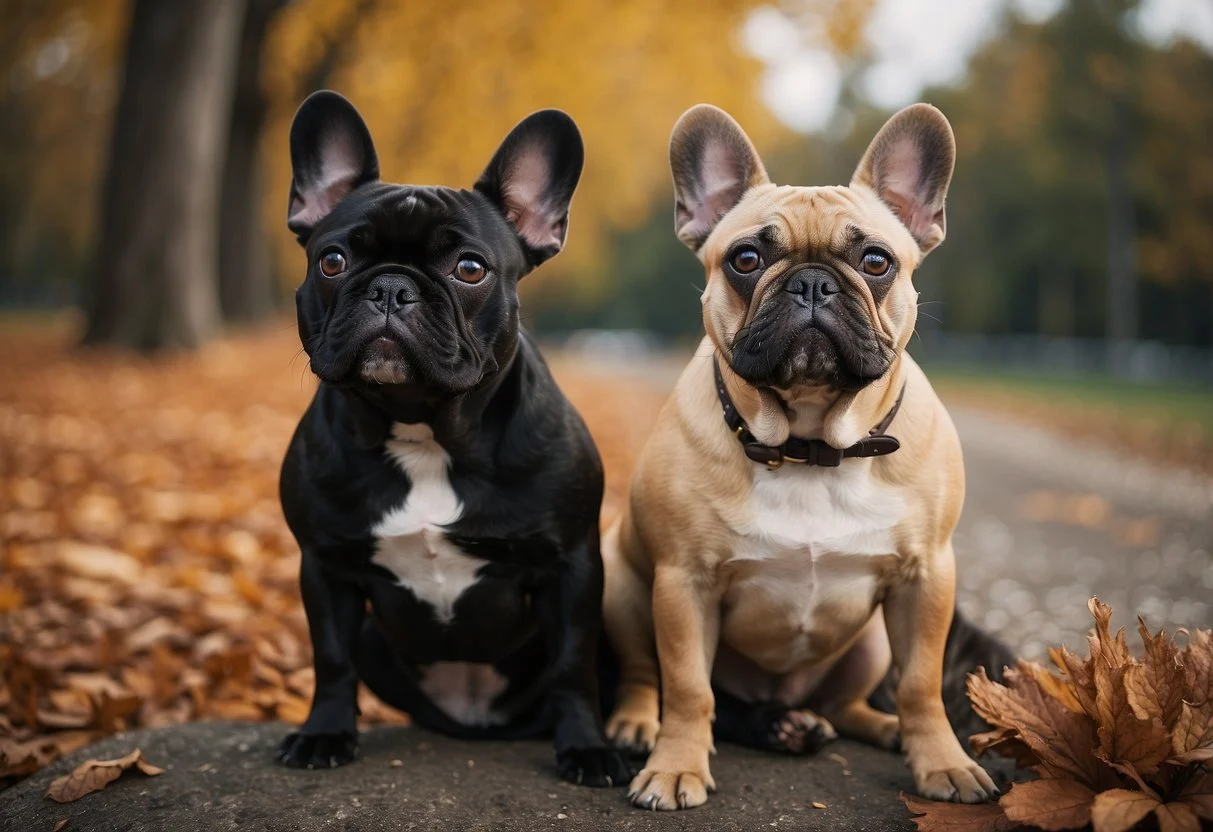 Understanding the genetics of French Bulldogs is crucial for breeders and enthusiasts. We’ll explore how DNA, genes, and the locus system work together to create the unique coat colors seen in this adorable breed.
The Role of DNA and Genes
DNA holds the genetic instructions for the development of a French Bulldog’s coat color. These instructions are stored in sequences called genes. Think of genes as blueprints; they decide the coat’s color and pattern.
Each gene has specific variations, or alleles. These alleles combine in different ways to produce various coat colors. Breeders often use a French Bulldog DNA Color Chart to predict potential coat colors in puppies.
Knowing how DNA and genes interact helps breeders make informed decisions about which dogs to mate.
Dominant and Recessive Genes
Genes can be dominant or recessive. Dominant genes always show their trait, while recessive genes need two copies to appear.
For example, the gene for the chocolate coat color is recessive. A French Bulldog needs two copies of this gene, or “b/b”, to display a chocolate coat. If there’s only one copy, the dog will carry the gene but not show the color. Here’s a simple overview:
- B/B or N/N: No chocolate gene present.
- B/b or b/N: One copy present, not shown.
- b/b: Two copies present, chocolate coat visible.
Understanding the Locus System
The locus system helps map out genes on a DNA strand. Each locus controls different aspects of coat color. For instance, the MC1R gene known as the E locus, influences colors like black, red, and cream.
The A locus, D locus, K locus, and S locus also play roles in determining coat colors. These loci can interact in complex ways, resulting in the diverse range of colors seen in French Bulldogs. Here’s a quick look at some key loci:
- E locus (MC1R): Controls pigment production, affects black and red.
- A locus: Influences fawn and sable colors.
- D locus: Dilution of colors, can lighten black to blue.
- K locus: Affects brindle patterns.
- S locus: Determines spotting or piebald patterns.
Color Variations and Patterns
French Bulldog coat color genetics is a topic that fascinates many owners. From common hues like fawn and cream to rare shades like lilac and Isabella, the variety is vast. Patterns such as brindle, pied, and merle add even more uniqueness.
Common Coat Colors
French Bulldogs often come in shades that are fairly common in the breed. Fawn is a prevalent color, ranging from light tan to a deep deer-like hue. Cream French Bulldogs are another common type, characterized by their uniform off-white color and black features, including their noses and paw pads.
Brindle is a unique mix where dark and light hairs blend together, creating a tiger-stripe effect that many find charming. Blue French Bulldogs have a striking, steel-gray coat that is quite distinctive. This color is caused by a recessive gene and gives the coat a bluish tinge that’s hard to miss.
Black French Bulldogs may also be common, especially if they have other markings.
Rare Colors and Rarity
Some coat colors in French Bulldogs are considered rare and often come with a higher price tag. Lilac and Isabella are among the rarest.
Lilac Bulldogs have a light, silvery hue that’s truly unique. A Chocolate French Bulldog has a deep, rich brown coat and requires two copies of a recessive gene. Champagne is another rare color, blending fawn and blue for a light, champagne-like appearance.
Rare colors often demand higher attention and care, which might make them more suited for experienced owners familiar with the breed’s needs and quirks.
Pattern Diversity
In addition to solid colors, French Bulldogs display a variety of patterns. Brindle is one of the most common patterns, marked by dark stripes over a lighter base color. Pied or piebald patterns feature large patches of two different colors, usually combined with large areas of white.
Merle is another striking pattern with patches of diluted color mixed with normal color, creating a marbled effect. Tan Points add another layer of variety, where certain areas like the cheeks, paws, and eyes have a tan color against a darker background.
Health Considerations
Choosing a French Bulldog for its beautiful coat color is exciting, but understanding the health implications is crucial. Let’s dive into how different colors can impact health and the importance of balancing health with aesthetic breeding.
Impact of Colors on Health
Certain coat colors in French Bulldogs can affect their health. For example, blue French Bulldogs, which are popular for their unique appearance, can be prone to skin conditions like color dilution alopecia. This condition leads to hair loss and skin infections.
Albino and merle French Bulldogs can have health concerns due to their genes. These dogs often suffer from hearing and vision issues.
Albino dogs may have light sensitivity and immune system problems. Merle dogs can experience deafness or even eye defects. Breeding for rare colors may sometimes compromise the dog’s overall health.
Once met a family who had a beautiful merle Frenchie, unfortunately, the pup struggled with chronic ear infections and partial blindness.
Breeding for Health vs. Aesthetics
Breeding French Bulldogs involves making choices between health and aesthetics. While attractive colors like blue, merle, and lilac are in high demand, prioritizing these colors can sometimes lead to health issues. Ethical breeders often adhere to guidelines from organizations like the American Kennel Club, which emphasizes standard colors and responsible breeding practices.
It’s important for breeders to test for genetic health conditions and avoid breeding dogs carrying harmful genes, even if it means foregoing certain popular colors. Quality of life should always come first.
Recommend talking to breeders about their practices. Ask about health tests and the steps they take to ensure a healthy bloodline. Also, consider the long-term happiness and well-being of your future pet above their coat color.
Ethical Breeding Practices
 Breeding French Bulldogs requires careful attention to their health and well-being. Breeders must adhere to ethical practices to ensure the dogs are happy and healthy.
The Significance of Ethical Breeding
Responsible breeding starts with selecting healthy parent dogs. Look for dogs with good genetics and no history of severe health issues. This helps reduce the risk of passing on genetic conditions to the puppies.
Another aspect is proper care during pregnancy. Provide a comfortable and stress-free environment for the pregnant dog, along with regular vet checkups. This ensures both the mom and the puppies are in the best possible health.
Once the puppies are born, socialization and early training are essential. Spend time with each puppy to help them get used to human interaction and other dogs. This helps them develop into well-adjusted, friendly pets.
Ethical breeders also focus on transparency. A responsible breeder shares the puppies’ lineage, health screenings, and any potential issues with prospective owners. This builds trust and ensures the new family is prepared for their new furry member.
Finally, considering ethical pricing is vital. Ensure my puppies are priced fairly, reflecting the care and resources invested in their breeding and upbringing without inflating costs.
Frequently Asked Questions
 Exploring French Bulldog coat color genetics can be fascinating. It’s important to understand how specific genetic combinations and variants influence the stunning array of shades found in this breed.
How do different genetic combinations influence the coat colors of French Bulldogs?
Genetic combinations determine the exact coat color and pattern. For instance, the combination of dilute genes can make a coat blue or lilac. When reading about common French Bulldog coat colors such as black, cream, and chocolate, you’ll see how different gene pairs interact.
Can you explain how the at/at gene variant affects French Bulldog coat colors?
The at/at gene variant results in tan points on the French Bulldog’s coat. This can give them a pattern similar to Dobermans or Rottweilers. These tan points will typically appear above the eyes, on the muzzle, chest, and legs.
What should potential breeders know about the heredity of white coat color in French Bulldogs?
White coat color in French Bulldogs can be tricky. It’s caused by a lack of pigmentation and can sometimes be linked to hearing issues. Breeders should perform thorough genetic testing to ensure the health of both the parents and the pups.
Are there any coat colors considered rare in French Bulldogs, and how are they inherited?
Yes, certain coat colors like lilac, Isabella, and merle are considered rare. These come from specific genetic combinations. For example, dilute genes play a significant role in creating these unique shades, making those Bulldogs stand out.
Which coat colors in French Bulldogs are dominant when breeding for specific shades?
Colors like fawn and brindle are typically dominant in French Bulldogs. If you’re aiming for these shades, breeding dogs that carry the fawn or brindle gene will increase the chances of getting puppies with these colors. This can simplify the breeding process significantly.
What are some potential health considerations when breeding French Bulldogs for certain colors?
Breeding for specific colors, particularly rare ones like merle, can raise health concerns. These can include genetic disorders that may affect hearing and vision. Make sure to work with a vet to understand the risks and ensure you’re breeding for the healthiest pups possible.