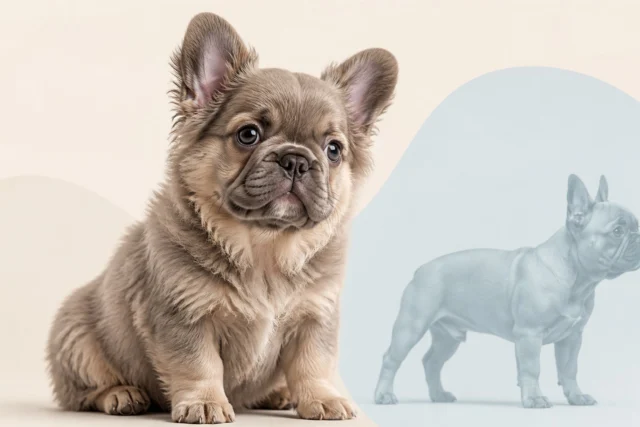
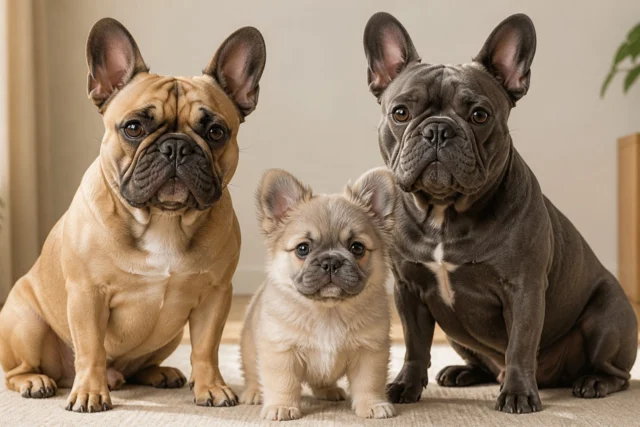
French Bulldogs have some of the most diverse and fascinating coat types you’ll find in any dog breed. Understanding these different coat types and colors can help you choose the perfect Frenchie for you and your family. This guide will walk you through everything from brindle to merle and beyond, so you know exactly what to expect when you bring home your new furry friend. 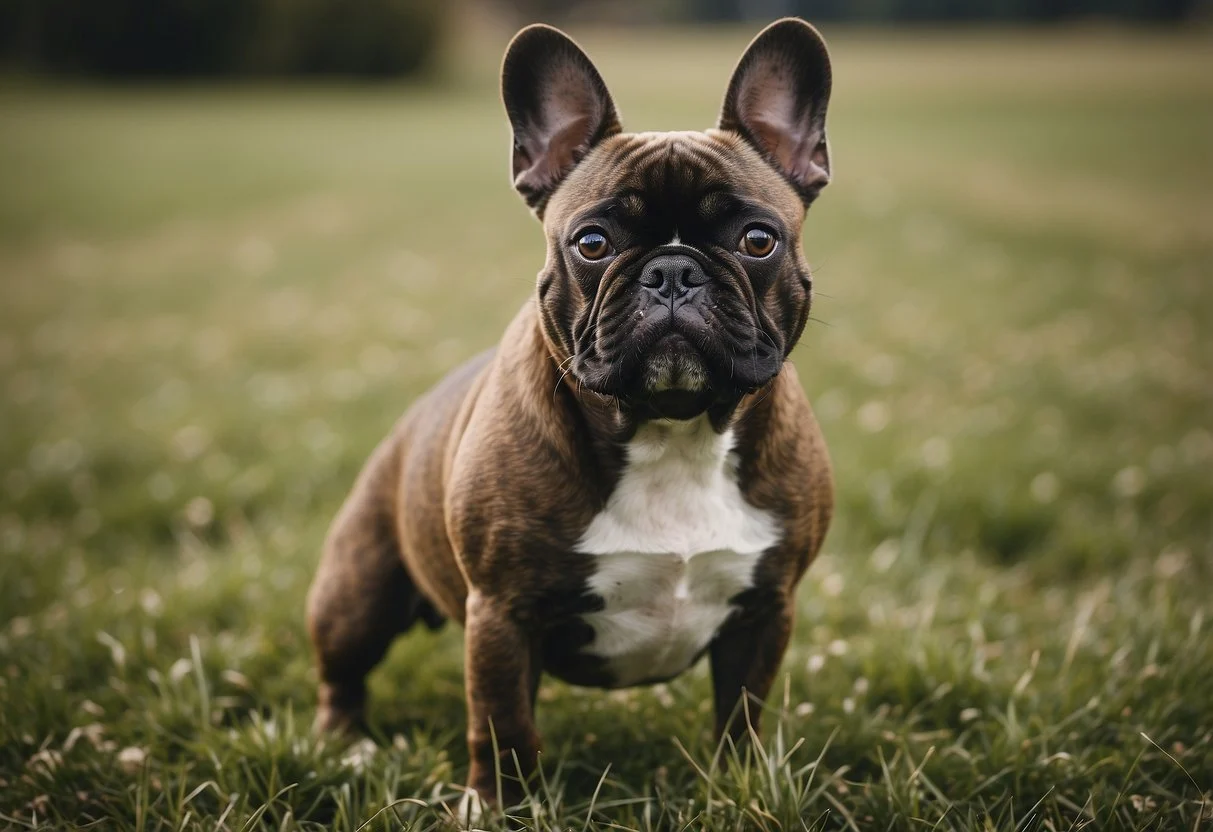
The variety of coat colours and patterns is the first thing that overwhelms most people looking at the breed — starting with the chocolate brindle Frenchie which is about as striking as the breed gets. The variety can be confusing, but it’s also part of what makes these dogs so special.
From smooth, standard coats to rare, eye-catching colors, each Frenchie has something unique to offer. Knowing about these options will not only help you make an informed decision but also ensure that your French Bulldog stays healthy and comfortable in its specific coat type.
Key Takeaways
- French Bulldog coats come in various colors and patterns.
- Each coat type has unique caring needs.
- Choose a Frenchie based on both appearance and care requirements.
Overview of French Bulldog Coat Types
 French Bulldogs come in a variety of coats and colors. It’s fascinating to see how their appearance can change so much based on their coat. Let’s break down the different types, from standard coat colors to the more unique and rare ones, as well as their patterns and markings.
Standard Coat Colors
Most French Bulldogs have coat colors that are considered standard by the American Kennel Club (AKC). These include brindle, fawn, and pied.
Brindle coats have a mix of colors with dark streaks on a lighter base. Fawn coats are a single color that ranges from light tan to dark reddish-brown. Pied is a lighter coat with darker patches. These colors are common and widely accepted in shows and competitions. Owning a Frenchie with one of these colors means you’re adhering to the breed standard.
Rare Coat Colors
Some French Bulldogs sport rare coat colors that aren’t as common as the standard ones. These include blue, chocolate, cream, and lilac.
The blue coat has a lovely grayish-blue hue, which is due to a recessive gene. Chocolate coats are a deep brown color, and cream coats are a pale, almost white color. Lilac is a mix of blue and chocolate, creating a unique look. These colors are not always recognized by the AKC, which means they might not be eligible for certain competitions, but they are very striking and sought after by many Frenchie lovers.
Patterns and Markings
Apart from their color, French Bulldogs also have various coat patterns and markings. Common patterns include brindle, pied, and merle.
Merle is particularly interesting as it causes a marbled effect with lighter and darker patches. Brindle can create a striped look, whereas pied results in patches of color on a white base. These patterns add extra character to a French Bulldog’s appearance. They might be rarer, and understanding the genetics behind them can be fascinating. For instance, merle patterns are the result of specific genetic combinations, which are not standard in the breed, leading to unique and varied appearances.
Significance of Coat Color Genetics
Understanding the role of coat color genetics in French Bulldogs is crucial. It helps us predict health issues, informs breeding decisions, and assists in identifying reputable breeders. Let’s break this down.
Understanding Genetic Influence
Genes play a big part in determining the coat color of French Bulldogs. For instance, the E and K genes, as described by Kingdom Frenchies, are critical. The E gene decides if a color shows up, while the K gene determines the pattern, like whether the dog will have a solid color or a pattern such as brindle.
Different combinations of these genes result in various colors and patterns. For example, a Frenchie with the dominant K gene will likely have a solid coat. This genetic play isn’t just academic; it influences what we see in our furry friends and how they are valued in the breeding world.
Effects on Health
The coat color of a French Bulldog might directly impact its health. This is because certain colors are linked to specific health concerns. For instance, Merle French Bulldogs, as noted by Frenchie FAQ, often suffer from hearing and vision problems due to the gene responsible for their unique coat.
It’s vital for owners and breeders to conduct genetic testing. Identifying potential health issues early creates a better action plan for care. Regular vet visits and specific health checks can help manage these concerns effectively. By understanding the health implications tied to coat colors, we can improve our dogs’ quality of life.
Breeding for Color
Breeding French Bulldogs for specific coat colors requires meticulous planning. Reputable breeders focus on both appearance and health.
They avoid breeding two dogs that carry genes for serious health conditions, even if the resulting color is popular. NW Frenchies emphasized that colors like blue and chocolate are trendy but can carry significant health risks.
By selectively breeding, breeders aim to produce healthy, vibrant puppies. They rely on genetic knowledge to pair dogs appropriately, ensuring that the color genes do not overshadow the need for robust health. Investing in puppies from these ethical breeders often means healthier pets and fewer vet visits in the long run.
Caring for Different Coats
Caring for a French Bulldog’s coat involves understanding its unique needs. Whether your Frenchie has a smooth coat or is fluffy, grooming and health maintenance are key to keeping them happy and healthy.
Grooming Requirements
Grooming a French Bulldog varies depending on their coat type. Smooth coats are easier to manage. Recommend brushing them once a week to remove dead hair and dirt. Use a soft-bristle brush to avoid irritating their skin.
For the fluffy variety, grooming can be a bit more demanding. They need brushing 2-3 times a week to prevent matting. A slicker brush works best for these longer coats. Always be gentle with the brush to avoid hurting them.
Shedding is another consideration. French Bulldogs tend to shed moderately regardless of coat type. Using grooming gloves during shedding season can help keep the hair under control.
Health and Maintenance
Health problems are also a concern for French Bulldogs. Regular vet check-ups are essential to watch out for issues like skin allergies and infections, which they are prone to. A healthy coat often reflects overall health, so keep an eye on any changes.
Preventative care, like using flea and tick treatments and maintaining a balanced diet, can help avoid severe issues. For fluffy Frenchies, extra care is needed to keep their skin beneath the dense hair free from irritation and infections. Remember, frequent grooming isn’t just for looks—it’s vital for spotting health issues early and keeping those vet bills from piling up.
Choosing the Right Frenchie for You
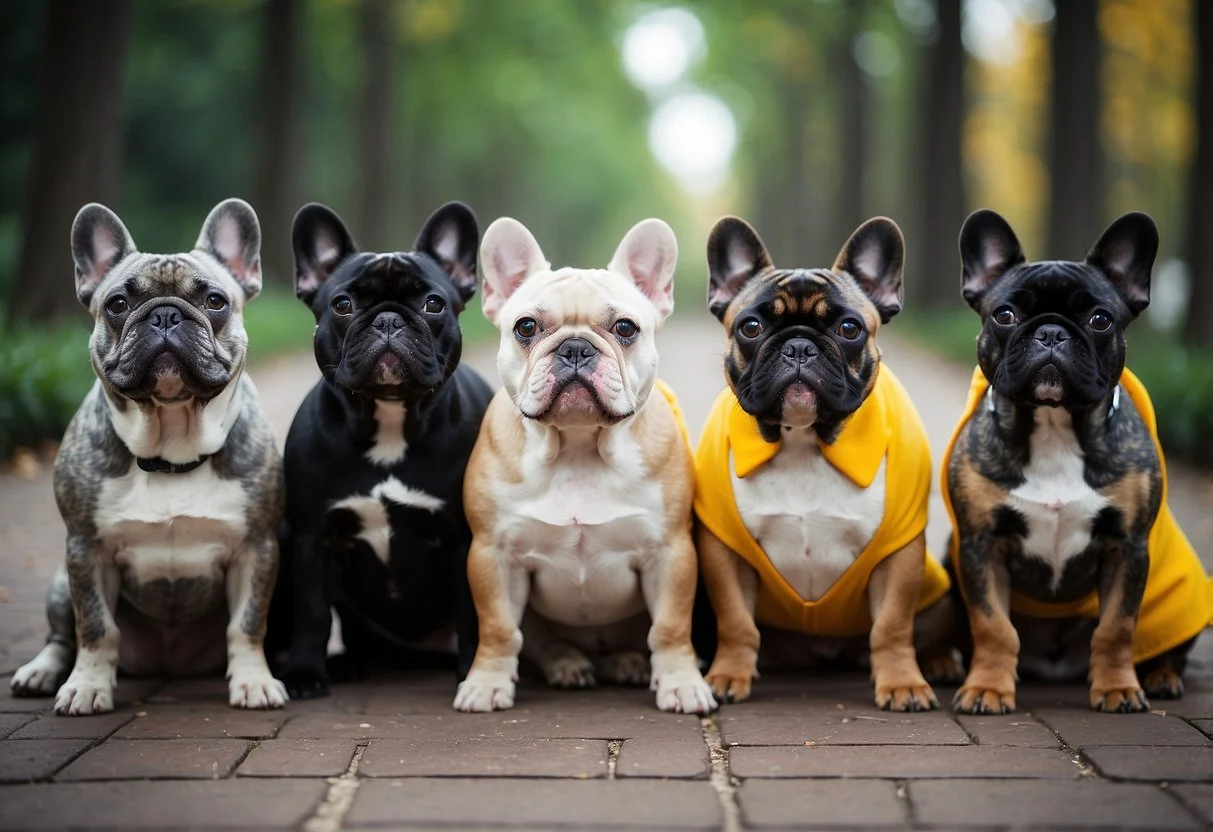 Picking the perfect French Bulldog is as much about personality as it is about looks. Understanding how coat color may influence temperament can help.
Personality Traits by Color
French Bulldogs can have different temperaments based on their coat color. While every dog is unique, patterns have emerged over time that may guide you.
For example, cream Frenchies often exhibit a calm and affectionate demeanor. They’re great if you want a cuddle buddy who enjoys quiet time.
Black Frenchies can be a bit more independent but tend to be very loyal. They might require a bit more patience during training but are devoted family members.
Blue Frenchies may have a more playful and energetic personality. They’re usually good with kids and other pets but make sure you can keep up with their active lifestyle. These are general tendencies across the breed, but always remember to meet individual puppies to see which one fits your lifestyle best.
Considerations for Potential Owners
When thinking about adopting a French Bulldog, consider your living situation. French Bulldogs are small, typically weighing between 16 to 28 pounds, making them suitable for apartment living.
Frenchies are popular because they’re generally good with kids and other pets, making them great family pets. Just be aware that their brachycephalic (short-nosed) nature can make them prone to respiratory issues, so consider health care costs.
If you live in an area with extreme temperatures, remember French Bulldogs can be sensitive to both heat and cold. You might need to invest in some clothing like a reflective coat for nighttime walks, which you can find on the Bulldog Resource website.
Adopting from a reputable breeder or a rescue organization is crucial. It ensures that you’re not supporting unethical breeding practices and are getting a healthy dog.
Ask yourself, can you provide the time, space, and care a French Bulldog needs? If so, you’re on the right track to becoming a proud Frenchie owner.
Frequently Asked Questions
French Bulldog coats come in many beautiful types and colors, each with its own unique charm and characteristics. Here are some common questions French Bulldog owners often ask about these fascinating coat variations.
What unique color patterns are commonly found in French Bulldogs?
French Bulldogs showcase a variety of color patterns. Common patterns include merle, which presents a marbled look with darker patches, and brindle, featuring subtle dark streaks. There are also piebald patterns, where large patches of color stand out against a white background.
How can I identify a brindle coat on a French Bulldog?
A brindle coat looks like a mix of darker stripes or streaks set against a lighter base color. It’s almost like a tiger stripe pattern, but more subtle. The stripes can be tan, brown, or even black, giving your Frenchie a distinct appearance that’s easily noticeable.
What are the characteristics of a lilac coat in French Bulldogs?
Lilac coats are truly unique. They exhibit a light grayish-brown color that almost shimmers in the light. These coats are rare and can be identified by their distinct lavender or lilac hue. They often have lighter eyes and noses to complement the coat color.
How do fawn French Bulldogs differ in appearance from other colors?
Fawn French Bulldogs have a warm, light beige or tan color that envelops their bodies. Their coats create a beautiful contrast with their facial features, often highlighting their adorable wrinkles and expressive eyes. This coloration gives them a soft and inviting appearance.
What should I know about the rare ‘blue’ coat variation in French Bulldogs?
Blue coats in French Bulldogs are quite rare and highly sought after. The coat appears as a smoky gray-blue color. It’s due to a recessive gene and is identified by its unique steel-gray hue. These Bulldogs often have stunning light gray or blue eyes that catch attention.
Can you explain the genetic markers like ‘dd’ that affect French Bulldog coat colors?
The ‘dd’ genetic marker in French Bulldogs affects the dilution of pigment in their coats. This gene is responsible for the blue and lilac colors. When a Bulldog has two copies of this gene (one from each parent), it dilutes the regular color to a lighter, often more exotic shade.