As an Amazon Associate I earn from qualifying purchases.
How these picks were chosen: by comparing published specifications, materials and design against what the breed actually needs. We have not physically tested these products on a dog, and nothing below is a report of hands-on use. Check current listings and sizing before buying, and ask your vet about anything health-related.
Dog Licking Paws
Is your dog constantly licking its paws? Understanding why dogs lick their paws and the potential health risks involved is crucial for every pet owner. This guide will help you uncover the reasons behind this behavior and how to address it effectively.
Dog Licking Paws can indicate various issues, from allergies and injuries to anxiety and boredom. While occasional licking is normal, excessive licking can lead to infections, inflammation, and other serious health problems.
Identifying the underlying cause and seeking veterinary advice is crucial for your dog’s well-being. Learn more about the surprising reasons and hidden dangers of this behavior to keep your furry friend healthy and happy.
Key Takeaways
- Paw licking can signal various issues from minor irritations to serious health problems
- Checking for physical causes and considering allergies are important first steps
- Professional veterinary advice is crucial for persistent paw licking behavior
Understanding Paw Licking
Common Reasons for Paw Licking
Dogs lick their paws for various reasons. Common causes include:
- Allergies: Environmental or food allergies can cause itchy paws.
- Injuries: Cuts, abrasions, or foreign objects can lead to licking.
- Anxiety: Stress or anxiety can manifest as excessive licking.
- Boredom: Lack of mental or physical stimulation can cause this behavior.
Hidden Dangers of Excessive Paw Licking
While occasional paw licking is normal, excessive licking can lead to severe health issues such as:
- Infections: Constant moisture can cause bacterial or fungal infections.
- Inflammation: Persistent licking can lead to irritated and inflamed skin.
- Chronic Pain: Ongoing issues can result in long-term pain and discomfort.
If the licking persists or seems obsessive, it’s time for a vet visit. They can check for underlying issues like allergies or anxiety.
Medical Reasons Behind Paw Licking
Allergies and Food Sensitivities
- Pollen
- Dust mites
- Certain foods
- Chicken
- Beef
- Dairy
Parasites and Skin Issues
Tiny pests can cause big paw problems. Fleas are a common culprit. Even a few bites can make a dog lick non-stop.
Skin infections also lead to licking. These can be:
- Bacterial
- Fungal (like yeast)
- Redness
- Swelling
- Discharge
- Odd smells
Pain and Discomfort
Other painful conditions include:
- Injuries (cuts, burns, splinters)
- Bone fractures
- Cysts or tumors
- Upset stomachs
- Tooth pain
- Anxiety
Behavioral Factors Contributing to Paw Licking
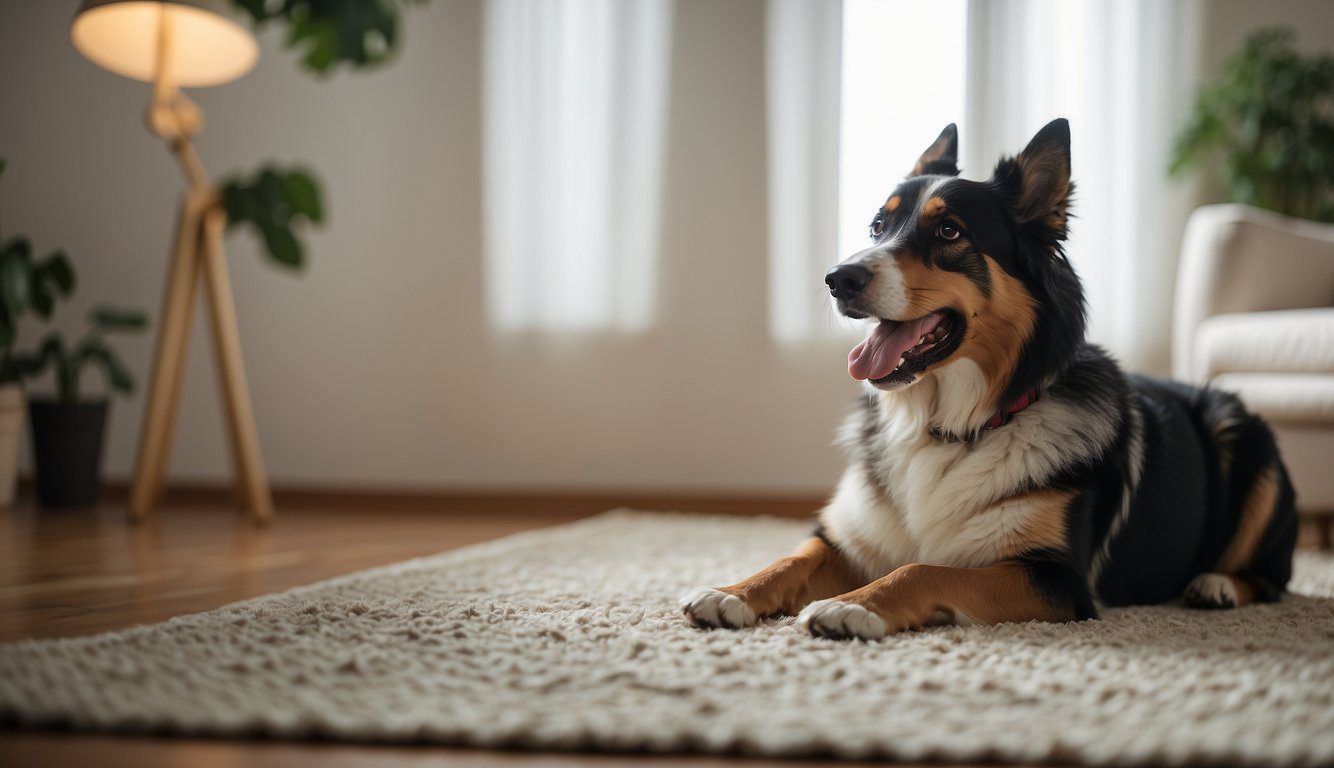
Identifying Obsessive Behaviors
- Constant licking, even when distracted
- Raw or irritated paw pads
- Whining while licking
Excessive self-grooming often points to an underlying issue. If you see these signs, try:
- Providing more mental stimulation
- Increasing exercise
- Using puzzle toys to keep them busy
Don’t scold your pup. Instead, gently redirect them to a fun activity when you catch them licking.
Addressing Anxiety and Stress
- Loud noises
- New environments
- Being left alone
For separation anxiety, start with short absences and gradually increase the time. Calming music or a white noise machine can also help.
Treatments and Remedies
Home Care Strategies
Medical Interventions
They can find underlying issues like allergies or infections that might be causing the licking.
Behavior Modification Techniques
Changing habits takes time, but it’s worth it.
Exercise and mental stimulation are key.
Prevention and Long-Term Management
Regular Paw Maintenance
Environmental Modification
Dietary Adjustments and Supplements
Preventive Measures and Solutions
To prevent excessive paw licking, consider the following measures:
- Medicated Shampoos and Wipes: Use products designed to soothe and heal.
- Balanced Diet: Ensure your dog’s diet is free from allergens.
- Regular Exercise: Provide ample physical and mental stimulation.
- Paw Protection: Use booties or paw balms to protect against irritants.
When to Seek Veterinary Advice
If your dog’s paw licking continues despite preventive measures, it’s essential to consult a veterinarian. A professional can diagnose underlying conditions such as:
- Allergies: Testing and treatment for specific allergens.
- Infections: Prescription medications for bacterial or fungal infections.
- Behavioral Issues: Guidance on managing anxiety or stress-related behaviors.
Conclusion
Understanding why your dog licks its paws and addressing the root cause is vital for their health and happiness. By taking preventive measures and seeking professional advice when necessary, you can ensure your furry friend remains comfortable and healthy.
FAQs
Dogs lick their paws for many reasons. Sometimes it’s normal, but other times it can mean a problem. Let’s look at some common questions about this doggy behavior.
What’s the deal when my furry friend keeps giving his paws a tongue bath at night?
Nighttime paw licking can be a sign of boredom or anxiety. Your dog used to do this when he was restless. Found that giving him a cozy bed and some quiet time before bed helped.
At what point should I start worrying about your pup’s paw-licking habit?
Start to worry when the licking becomes excessive or obsessive. If your dog can’t stop, even when distracted, that’s a red flag. Trust your gut – you know your dog best!
Are there any home remedies to discourage your pup from paw-licking shenanigans?
Bitter apple spray on the paws can deter licking. A puzzle toy can also redirect their attention. Sometimes, a good paw soak in warm water with a bit of Epsom salt can soothe irritated skin.
If your dog starts licking his paws non-stop, is it a sign he’s feeling anxious?
It could be! Anxiety is one possible cause of paw licking. To help, created a quiet space for him and used calming treats. If the behavior persists, it’s worth chatting with a vet or behaviorist.
Could my senior dog’s paw licking be a sign of something serious?
In older dogs, excessive paw licking might signal arthritis or other age-related issues. An older pup started licking more, and it turned out he had some joint pain. A vet check can rule out serious problems and provide relief options.
What steps can I take if your dog’s paws seem to be in a lick-locked loop, possibly indicating an infection?
First, take a close look at the paws. Any redness, swelling, or funky smell? Those could mean infection. Clean the paws with a gentle antiseptic solution. If it doesn’t improve quickly, a vet visit is best. They might prescribe antibiotics or antifungals if needed.