As an Amazon Associate I earn from qualifying purchases.
A good dog walk takes very little kit: five things cover almost every outing. This page lists them in the order you are likely to need them, with the reason for each. It is general information, not veterinary advice, so ask your vet about your own dog.
Walks matter because they give your dog exercise, new smells and a chance to meet people and other dogs, and they are time together for you both. How far and how fast depends on your dog’s age, size and health, so ask your vet if you are unsure.
Two products are described from their Amazon listings; we have not tested them.
Keep the kit light enough that you will actually take it. A small bag or a few pockets is plenty for a local walk, and you can add more for a hike or a day trip.
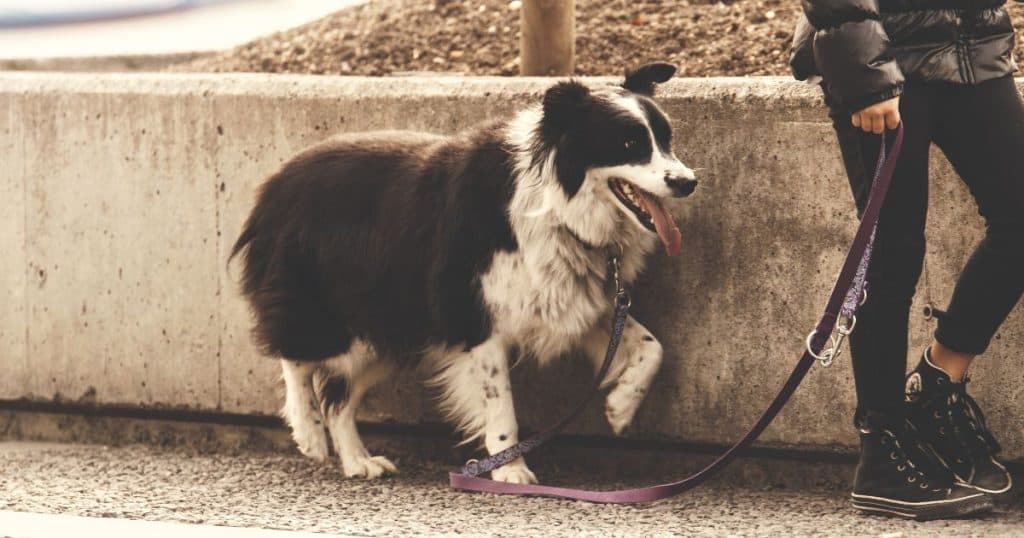
5 Things To Carry On A Walk With Your Dog
1. A Lead (Leash), Collar Or Harness And ID
A lead gives you control if your dog gets excited, meets another dog, or sees traffic. Humane World for Animals says every dog needs a collar for “leash and license, ID and rabies vaccination tags”, and that a flat collar should let you “slide two fingers comfortably underneath”. If your dog pulls, a harness is worth considering. Our dog walking gear page compares options.
2. Poo Bags
Carry more bags than you think you need, and take the full bag to a bin or home with you. Many places require owners to pick up after their dog, so check your local rules. Bags that clip to the lead are easy to find when you need them.
3. Water
The AKC says to give a dog “a constant supply of clean, clear water at all times, including when you take them outside”, and lists panting, lethargy, dry gums and a dry nose among the signs of dehydration. On warm days or long walks, carry water and a small bowl; an insulated steel dog water bottle is one option, described from its Amazon listing. See our guides to travel water bottles for dogs and how much water a puppy needs.
4. A First-Aid Kit
You may never need it, but a small kit is worth having. The AKC lists gauze, non-stick bandages, self-adhesive wrap, scissors, tweezers, a digital thermometer, a towel, a soft muzzle and a spare collar and lead, plus a copy of your dog’s medical records and your emergency phone numbers. The PDSA has a first-aid guide you can download and print.
Check price on AmazonAffiliate link — Dog Fluffy may earn a commission, at no extra cost to you.
One item to treat with care is hydrogen peroxide. PetMD says that inducing vomiting “should not be done in every situation” and that if you think your dog has swallowed something harmful you should contact your vet immediately, so do not make your dog vomit unless a vet tells you to. A vet will also say what to do about wounds, so keep the vet’s number in your phone.
5. Treats
Small treats help you reward good behaviour, such as coming back when called or walking nicely on the lead. Choose small, low-calorie pieces and count them as part of the day’s food, as extra treats can add up. Our dog treats guide has ideas.
Final Words
A lead, collar or harness with ID, poo bags, water, a first-aid kit and a few treats are enough for most walks. Check your dog’s collar fit and the weather before you set out, and see your vet if your dog limps, tires quickly or seems unwell after a walk.