As an Amazon Associate I earn from qualifying purchases.
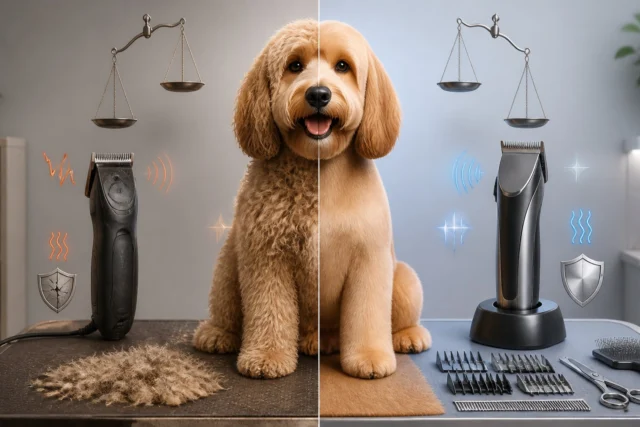
Cordless clippers really shine for quick touch-ups, awkward angles, and dogs who hate the noise and hassle of cords. Corded clippers come out ahead for long grooming sessions, dense double coats, and any job where the motor needs to power through thick fur without slowing down.
Coat type matters way more than the charger ever will.
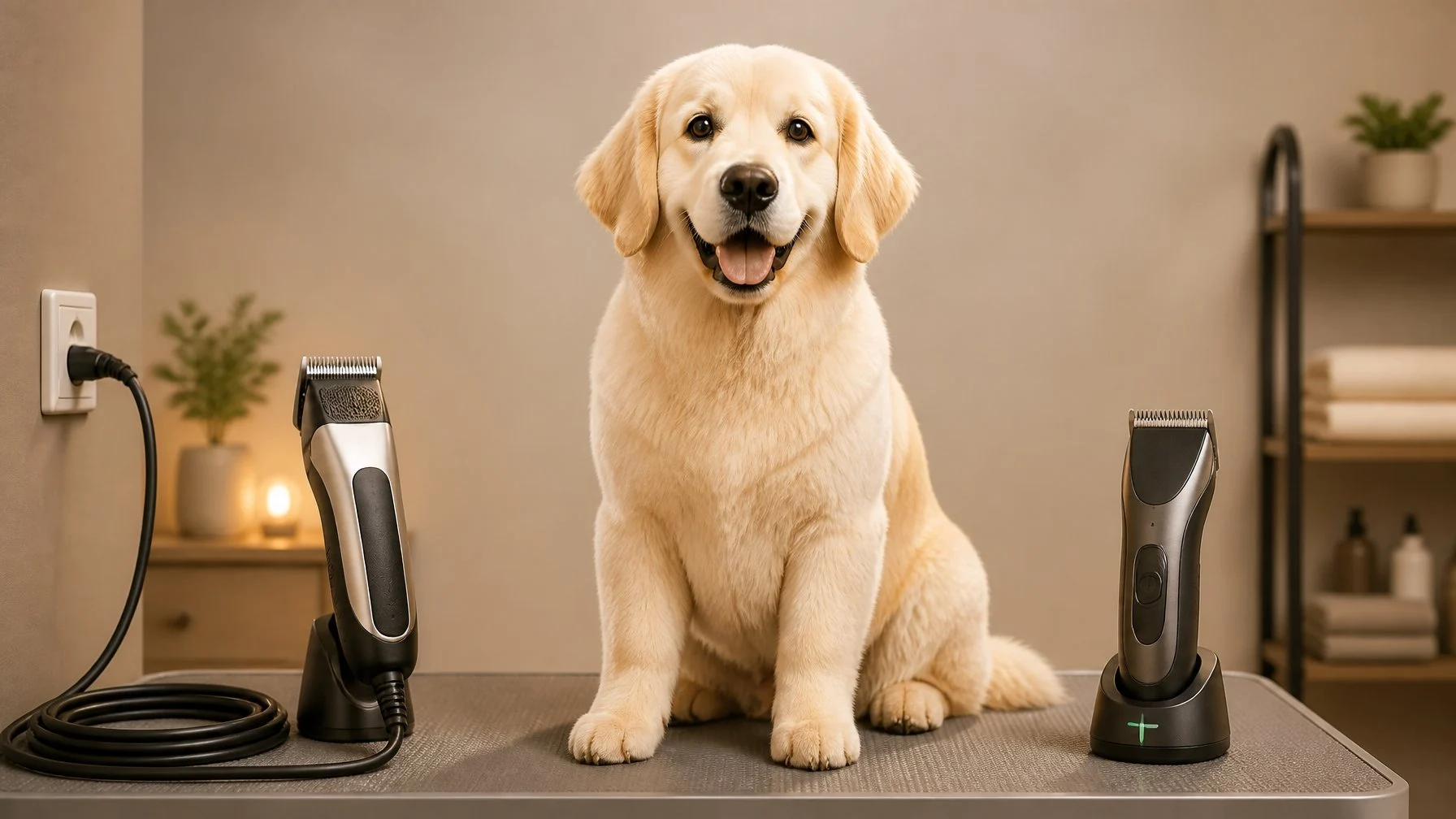
The real question isn’t “which clipper is better” but “what does this specific coat need on this specific day.” A French Bulldog’s short coat barely challenges the motor, while a Samoyed’s dense undercoat asks for everything a clipper can give.
Dog Fluffy’s advice always leans toward matching the tool to the dog, not just trusting the marketing.
Choose for the Coat, Not the Charger
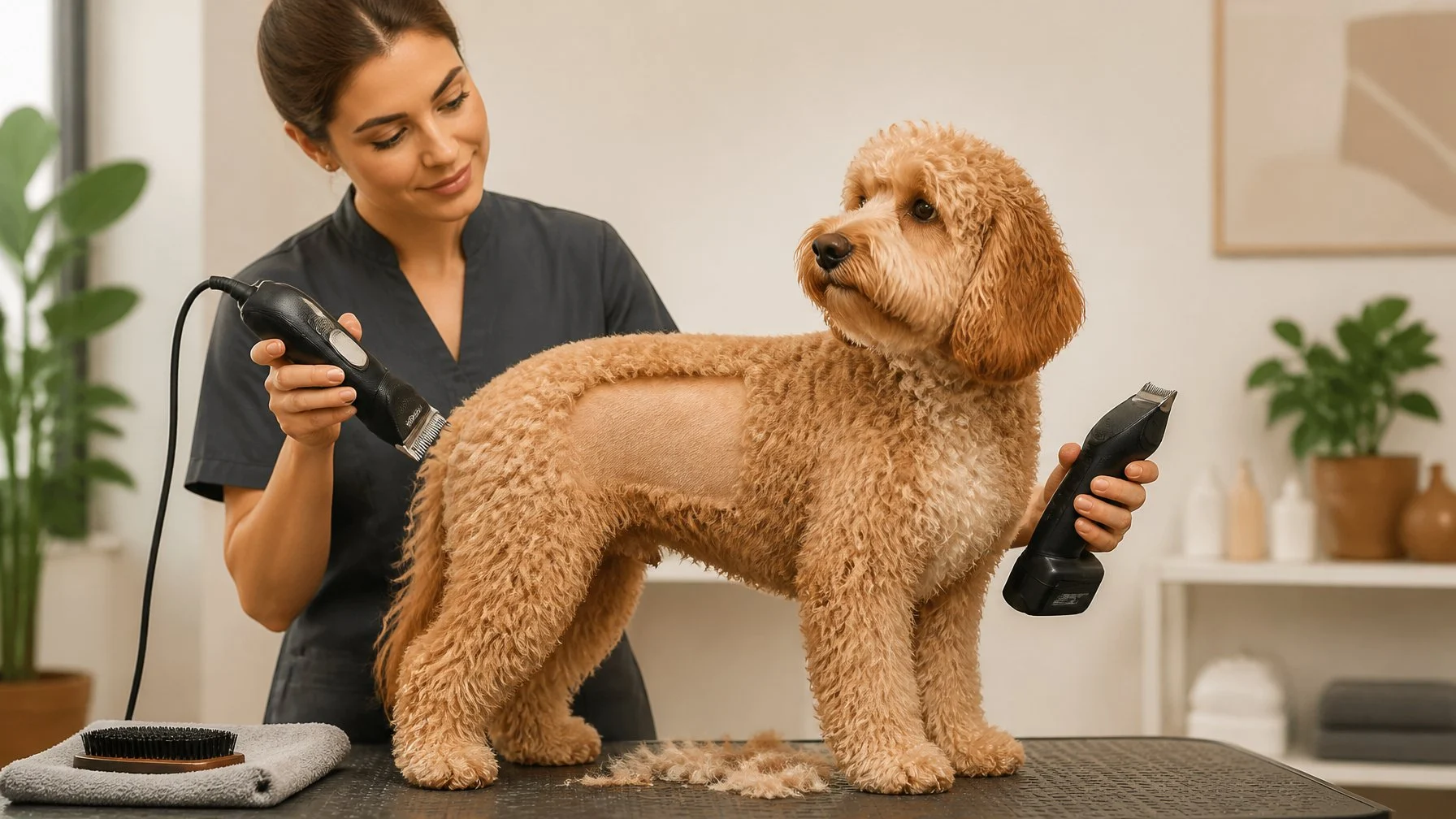
Short single coats, like on a French Bulldog, barely need body clipping, so a light cordless trimmer easily handles the rare tidy-up. Thick, dense, or double coats put a real load on the motor, and that’s where corded power stops being optional.
What a French Bulldog Actually Needs From Clippers
French Bulldogs have short, smooth, single-layer coats. There’s no undercoat to strip and no real length to shape, so full-body clipping is almost never needed.
Most Frenchie owners just grab clippers for small jobs—tidying the sanitary area, trimming stray hairs near the tail pocket, or neatening up before a bath.
For that kind of work, a small cordless trimmer beats a heavy corded clipper every time. Less weight, less vibration, and way easier to angle around wrinkles or a squirmy dog.
Flat-faced breeds overheat and stress out faster. Panting is how dogs cool off, but a short airway makes panting less effective, so long grooming sessions carry more risk for them.
Keep Frenchie grooming short. Three quick sessions are better than one long one.
Why Thick, Dense, and Double Coats Change the Choice
A double coat has two layers: a soft undercoat and a coarser topcoat. That combo traps air, which makes clipping much harder.
Samoyeds, Huskies, and Golden Retrievers all have this coat type. Shaving a double coat isn’t a go-to fix either—the topcoat helps regulate temperature and can grow back weirdly after a shave.
Dense curly coats are different again. Goldendoodle fur mats right up against the skin, so the clipper has to push through packed hair instead of fluff.
Here’s what the motor is up against:
- Fibre density slows blade speed
- Moisture or residue adds drag
- Matted fur grabs and stalls the blade
- Session length—big dogs take over an hour sometimes
A clipper that bogs down mid-stroke pulls hair. That’s how a calm dog learns to hate grooming, trust me.
Why Plug-In Clippers Still Handle Heavy Work Better
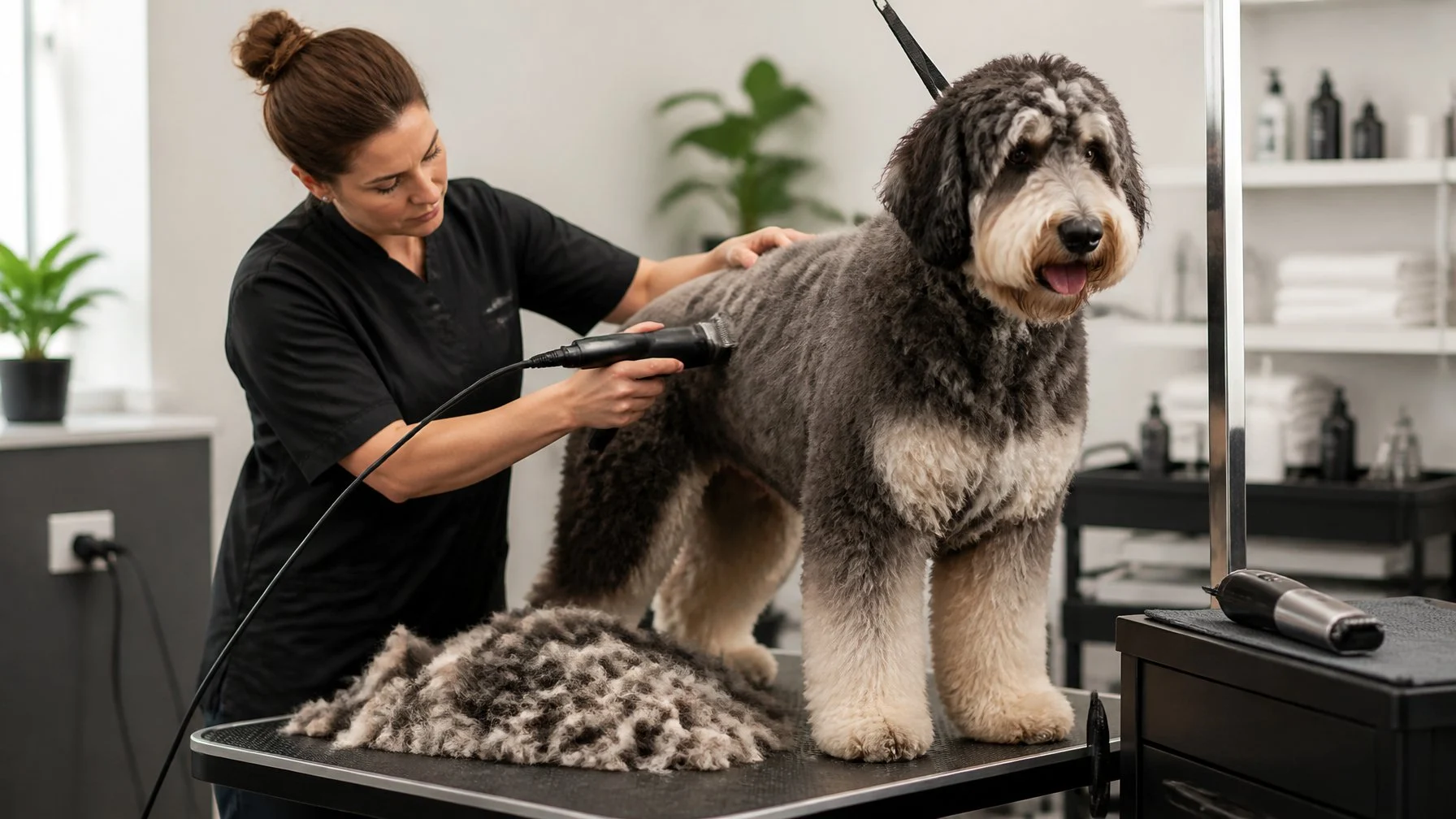
Corded clippers keep the same blade speed from start to finish because the power never dips. The downside? That cable. It limits where the dog stands and adds something else to wrangle around a nervous pup.
Constant Output for Full-Body Clips and Multiple Dogs
A corded clipper draws steady power from the wall, so blade speed stays up even when the coat fights back. No fade at minute forty. That’s the big draw.
As one grooming comparison says, corded clippers keep their speed under heavy coats and long sessions, while cordless ones trade a bit of that for more freedom of movement.
Corded still makes sense when:
- The dog is big and grooming takes more than 45 minutes.
- The coat is double-layered, curly, or really matted.
- You’re grooming more than one dog in an afternoon.
- There’s a rough clip before a bath through dirty fur.
- Budget is tight—corded units often cost less for the same power.
Salons stick with corded for good reason. Batteries can’t keep up with volume.
The Trade-Off: Outlet Access, Movement, and Cord Safety
The cord is the catch. It tangles under the dog, drags across wet fur, and pulls the clipper off balance when it snags on a table edge.
Cord management isn’t just fussiness—it’s safety. A cable around a leg can panic a dog mid-clip, and a startled dog near a moving blade is risky.
Here’s what actually helps:
- Run the cord over your shoulder to keep it off the table
- Use a grooming arm loop, never a tight tether
- Groom close to an outlet, not with an extension cord across the floor
- Keep the cord away from water
Corded clippers are usually heavier, which some people like for stability and others find tiring after a while. Barber-side comparisons mention the same thing: weight helps with control, but it can wear you out.
Where Battery-Powered Clippers Feel Easier
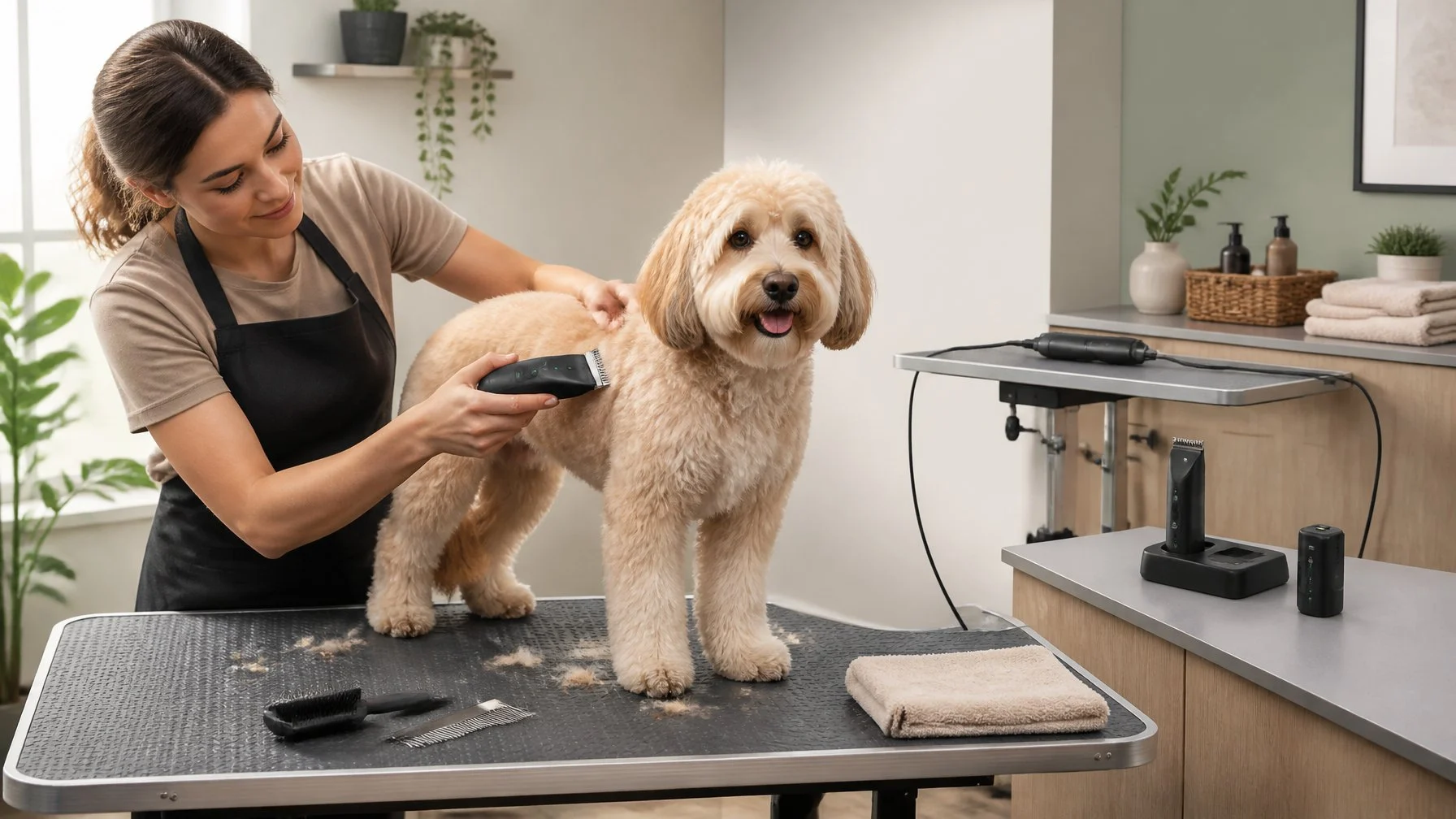
Cordless clippers are fantastic for short jobs, tricky spots, and dogs who freak out over cables—especially at home, where you’re not grooming eight dogs a day. The catch is battery runtime, charging habits, and the slow decline of battery life over the years.
Touch-Ups, Tricky Angles, and Home Grooming
Cordless clippers are rechargeable tools that run on a battery, so you get total freedom of movement and no cable to mess with. That freedom genuinely matters more than you’d expect.
Paws. Sanitary areas. Under the tail. Behind the ears. All of these spots need the clipper turned at weird angles, and a cable just gets in the way.
Noise-sensitive dogs usually do better too. Many cordless models are lighter and vibrate less, and home-grooming advice often suggests quiet, low-vibration clippers for keeping dogs comfortable.
Mobile groomers love them for obvious reasons—no outlet needed. Same goes for grooming on the patio, in the garage, or even on the floor with a nervous puppy.
Battery Runtime, Charging Habits, and Long-Term Wear
Most lithium-ion clipper batteries give you about 60 to 180 minutes per charge, depending on the model and how tough the coat is. Thick fur drains them faster than the box claims, honestly.
Runtime on paper is best-case scenario. A clipper rated for two hours on a light coat might only last half that on a dense one.
Batteries age, too. Every charge cycle chips away at capacity, so a three-year-old clipper just won’t last like it did when new. Some habits help slow that down:
- Don’t leave it charging all the time once it’s full
- Avoid running it down to zero every time
- Store at room temperature—not in a hot car or freezing shed
- Pick a model with a spare or swappable battery if you need longer sessions
Hybrid clippers that work corded while charging fix a lot of these issues. They cost more and have more parts to break, but honestly, the flexibility is worth it sometimes.
Compare the Specs That Matter During a Groom
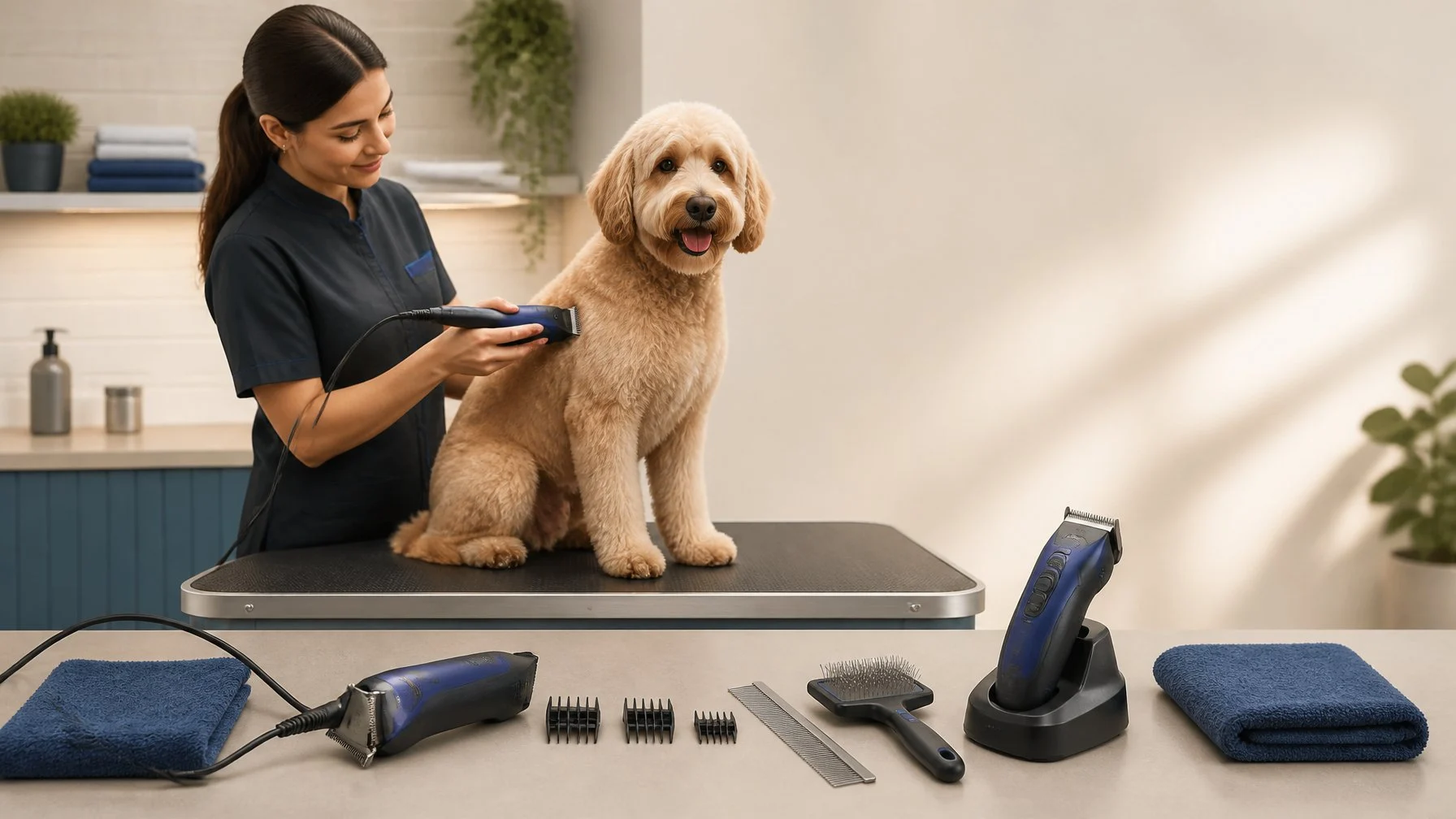
Motor type, torque, and hand weight decide whether a clipper glides or stalls. The numbers on the box only tell part of the story.
For French Bulldogs and fluffy breeds, a quick decision path usually works better than a spec sheet.
How Motor Design, Torque, and Weight Affect Control
Torque matters more than raw speed. A fast blade that stalls in thick fur is just frustrating, while a slower blade that keeps going is way more useful.
Brushless motors are now common in cordless clippers because they run cooler, waste less energy, and hold speed better under load. Plus, they last longer since there are no brushes to wear out.
| What to check | Why it matters |
|---|---|
| Strokes per minute (SPM) | Higher speed cuts faster but heats the blade up quicker |
| Motor type | Brushless holds speed under load and runs cooler |
| Weight | Around 250 to 350 g (9 to 12 oz) feels controllable for most hands |
| Blade system | Detachable blades let you change length without swapping guards |
| Speed settings | Two speeds beat one for switching between body and face |
Heavier clippers steady your hand for big body clips. Lighter ones are better for paws and faces, where wrist fatigue creeps in first.
A Quick Decision Path for French Bulldogs and Fluffy Breeds
Work through it in order and stop at the first match:
- Short single coat (French Bulldog, Bulldog): a small cordless trimmer handles every job needed. Skip full-size clippers.
- Silky or light coat (Shih Tzu, Pomeranian trims): cordless with two speeds is plenty for a 20 to 30 minute session.
- Dense curly coat (Goldendoodle): corded, or a high-torque cordless with a spare battery. Mats will stall a weak motor.
- Double coat (Samoyed, Husky, Golden Retriever): corded for any body work. Talk to a groomer before removing coat length at all.
- Multiple dogs in one session: corded primary, cordless for detail work.
Most fluffy-breed households want one of each. Honestly, that’s just practical, not a cop-out.
Prepare the Coat and Keep the Dog Comfortable
Clean, dry, mat-free fur makes any clipper’s job so much easier. Prep matters more than the tool itself, really.
Blade heat, skin folds, and early stress signals—watch for those once the clipper starts buzzing.
Brush, Bathe, Dry, and Check for Mats Before Clipping
Clipping a dirty coat dulls blades fast. Dirt acts like sandpaper, and oily fur just grabs the teeth.
The order that works:
- Brush thoroughly to lift loose hair and find mats before water hides them.
- Work out small mats with your fingers or a dematting tool, gently, close to the skin.
- Bathe and rinse fully. Leftover shampoo stiffens fur.
- Dry completely. Damp fur clogs blades and clips unevenly.
- Brush again, then clip.
Severe mats tight against the skin? That’s a groomer or vet job, not a home job. The skin underneath usually feels sore, and sliding a blade under a tight mat can easily nick it.
Frenchies need one extra step: check inside the tail pocket and nose rope for damp or irritated skin before anything electric goes near.
Watch Blade Heat, Skin Folds, and Stress Signals
Blades get hot—fast. If a blade feels warm on the back of your hand, it’s already too warm for a dog’s thin belly skin.
Touch the blade to your own wrist every few minutes. If it stings, swap blades or spray coolant and let it rest.
Skin folds hide loose skin that can get pulled into the blade. Stretch the fold flat with one hand before the clipper touches it. Go slowly around the tail area on Bulldogs and Frenchies.
Stop and take a break if your dog shows:
- Heavy panting before the work even starts
- Turning the head away or freezing up
- Lip licking, yawning, or that big “whale eye” look
- Trying to sit or lie down again and again
Three ten-minute sessions across a weekend beat one thirty-minute struggle. The dog learns grooming ends well, and honestly, that makes next time a whole lot easier.
Make the Clippers Last and Build a Practical Setup
Oiling the blade and brushing out hair after every groom does more for your clippers than any fancy feature. Battery storage habits decide how long a cordless stays useful. Whether one clipper is enough depends on how many coats you’re tackling.
Cleaning, Blade Oiling, and Battery Care
A few drops of clipper oil across the teeth after every session is the single best maintenance habit you can have. Dry blades run hot, cut poorly, and wear out early.
The routine’s quick:
- Brush hair out of the blade and housing
- Run the clipper briefly, oil the teeth, then run it again to spread the oil
- Wipe off the excess so it doesn’t collect fur
- Check for chipped or bent teeth before storing
Store the clipper somewhere cool and don’t leave it plugged in for weeks. Heat ages batteries faster than anything else.
Corded units are simpler, but check the cable for cracks near the base where it bends most.
When One Tool Is Enough and When a Backup Makes Sense
One clipper is enough for a single short or light-coated dog. A French Bulldog household really doesn’t need two.
A backup starts making sense if you’ve got:
- Two or more dogs groomed in the same session.
- A dense or double coat where a stalled motor mid-groom means an unfinished dog.
- Long grooms that outlast one battery charge.
- Detail work plus body work, where switching tools beats swapping blades over and over.
The common pro setup is a corded workhorse plus a small cordless for faces and paws. Barber and grooming guides call that the practical default for high-volume work.
For most home groomers, that’s overkill—until the first time a battery dies on a half-clipped dog.
From Fluffy’s Bowl: charge the night before, not the morning of. A cordless clipper that starts at 60% will die exactly once — halfway down a dog — and after that your dog knows what the sound means. If you own both, start the job on cord and keep the cordless for the fiddly bits.
One Of Each, So The Trade-Off Is Visible
Rather than name a winner, here is a clipper of each kind that takes the same blades — which makes the difference the article describes easy to feel for yourself.
Andis 24675 UltraEdge 2-Speed Clipper (corded)
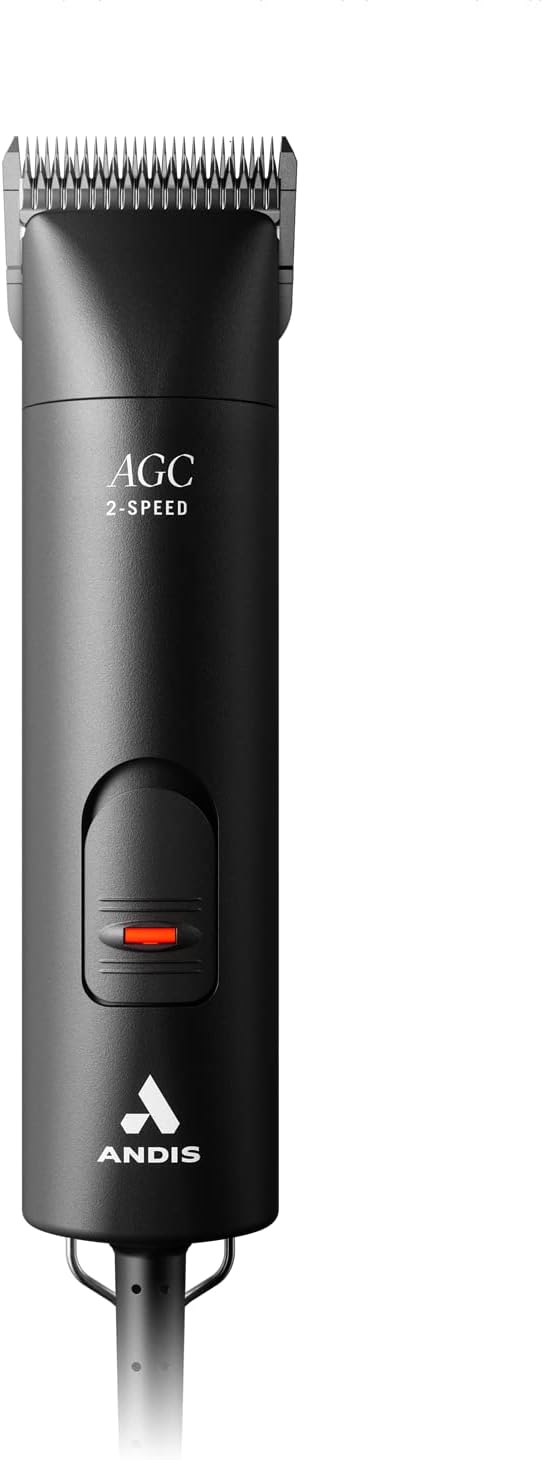
The plug-in case, made above: output that does not drop off. Check price on Amazon
| Things We Like | Things We Don’t Like |
|---|---|
| Constant power for full-body clips and multiple dogs | 120V — a local-voltage version is needed outside North America |
| Two speeds, rotary motor | Reach is limited to the cord and the nearest outlet |
| Nothing to charge, so it is always ready | The cord itself needs managing around a nervous dog |
| Takes detachable blades that swap in seconds |
Andis 560486 eMERGE Detachable-Blade Clipper (cord or cordless)
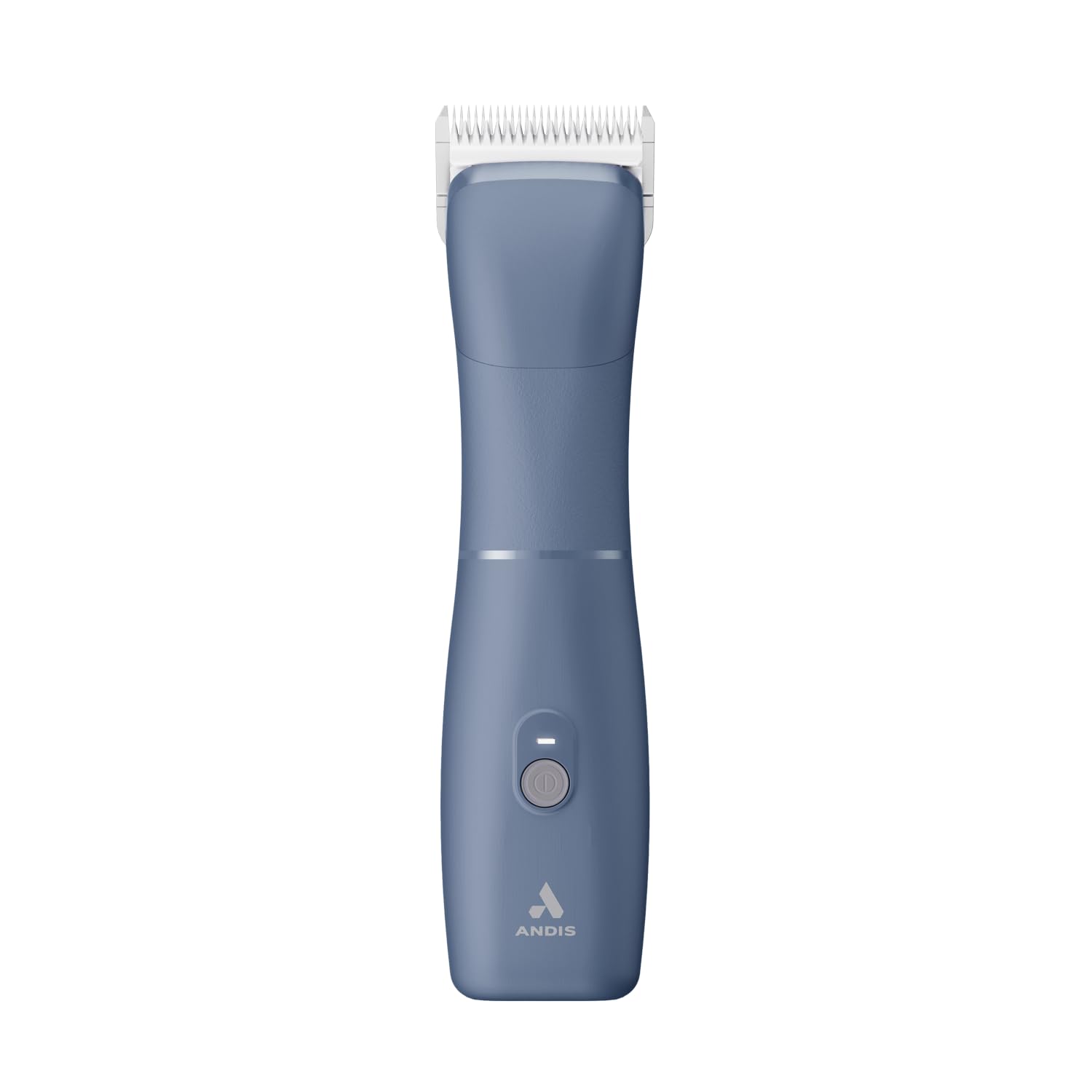
The battery case — and, awkwardly for a versus article, both at once. Check price on Amazon
| Things We Like | Things We Don’t Like |
|---|---|
| Runs cordless for touch-ups and corded when the battery is flat | Smallest review base of the clippers here |
| Easier at tricky angles with no cord to steer around | Battery capacity fades over years of charging |
| Same detachable blades as the corded clipper | More expensive than a corded-only equivalent |
Frequently Asked Questions
Are cordless clippers powerful enough for thick or matted dog coats?
Better cordless models with brushless motors handle thick coats pretty well. Heavily matted fur is where they struggle most. Mats grab the blade, force the motor to work flat out, and drain the battery fast. For dense double coats or serious matting, corded power is just safer.
How long does a cordless clipper battery usually last during a full groom?
Most lithium-ion clipper batteries run about 60 to 180 minutes per charge, depending on the model and coat resistance. Dense fur drains them faster than you’d think. A big dog with a thick coat can outlast a single charge, so a spare battery or a hybrid corded option helps for longer sessions.
Do corded clippers run cooler than battery-powered models?
Not automatically. Blade heat mostly comes from friction, sharpness, and run time—not the power source. Corded clippers can actually run hotter because people use them longer without pausing. Checking the blade against your wrist every few minutes matters more than which type you’re using.
Which type is better for professional dog grooming at home?
For a single short-coated dog like a French Bulldog, a good cordless trimmer covers everything. For dense, curly, or double coats, a corded clipper delivers steadier speed all the way through. Households with several fluffy dogs often end up with a corded main unit and a small cordless for detail work.
Are cordless clippers quieter and less stressful for nervous dogs?
Often, yeah. Many cordless models are lighter, vibrate less, and there’s no cable dragging across the dog. That really helps anxious or noise-sensitive dogs relax. Noise varies by model, though, so check the decibel rating instead of assuming cordless always means quiet.
Can a corded clipper handle large breeds and multiple dogs without overheating?
Corded clippers handle back-to-back grooms better than battery models, since the power never drops. The blade still gets hot, though, so most people swap to a second cooled blade or hit it with coolant spray between dogs. Brush out hair from the housing between sessions too. Packed fur just traps heat and makes things worse. What’s worked on your dog’s coat—corded or cordless? Drop it in the comments. And hey, share this with anyone about to buy their first set. This is general guidance, not veterinary advice. Always check with your vet for your own dog’s situation.