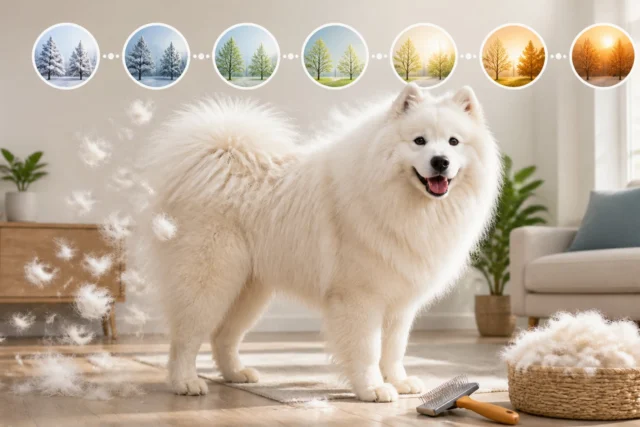
Fluffy dogs bring so much joy with those cloud-like coats. But let’s be honest, those gorgeous locks need regular care to stay healthy and tangle-free.
The key to grooming fluffy dogs? Brush daily with the right tools and stick to a routine that stops mats before they even start.
Without proper grooming, that beautiful fluff turns into painful mats. Nobody wants to deal with that—sometimes it takes a pro to fix.
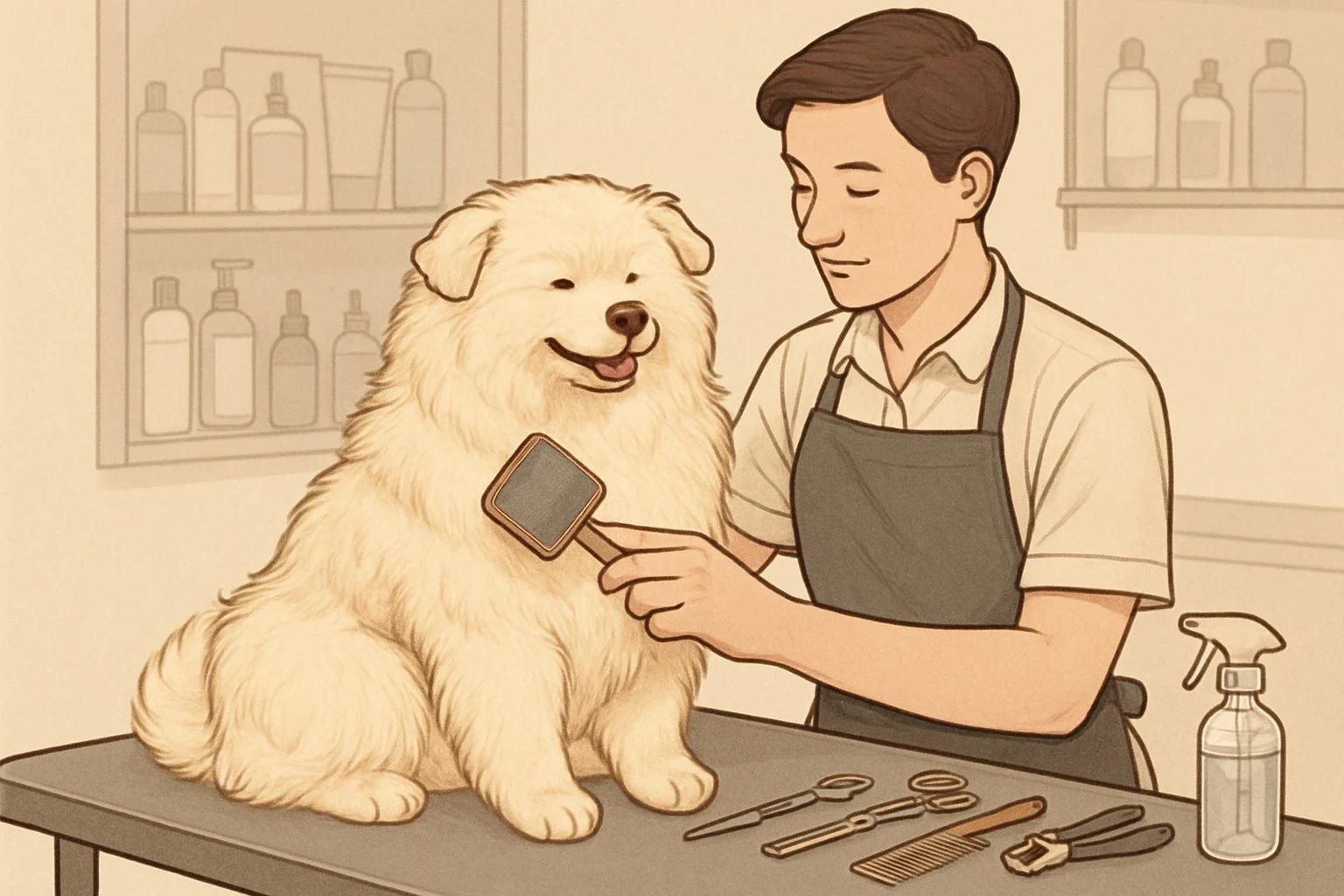
Lots of dog owners feel overwhelmed when their fluffy buddy’s coat gets tangled or sheds everywhere. But here’s the thing—grooming gets way easier with the right approach.
Professional grooming techniques show that consistency matters way more than going overboard once in a while.
This guide breaks down what fluffy dog owners really need to know, from picking the right brushes to handling stubborn mats. You’ll get step-by-step routines for different coat types and a few insider tips to make grooming sessions actually enjoyable—for both you and your dog.
Key Takeaways
- Daily brushing with proper tools keeps fluffy coats healthy and tangle-free
- Knowing your dog’s coat type helps you pick the best grooming approach
- Regular grooming cuts down on shedding and brings you closer to your pet
What Makes Fluffy Dogs So… Fluffy?
The fluffiness we all love comes down to genetics, certain breed traits, and the way dog coats are built. If you get these basics, you’ll have a much easier time keeping your fluffy friend looking their best.
Genetics and Coat Types
Ever wonder why some dogs look like little clouds and others are sleek? It’s all in the genes.
Coat texture genes decide if your dog gets straight, wavy, or curly hair. The FGF5 gene controls how long the hair grows, and the KRT71 gene affects curls.
Some dogs get the perfect mix and end up with those dense, fluffy coats that need special grooming techniques.
The fluffiness factor depends on three things:
- Hair density – More hairs packed in per square inch
- Hair diameter – Thicker strands mean more volume
- Undercoat presence – That soft, insulating layer underneath
Some fluffy dog breeds have up to 600 hairs per square inch. Compare that to 100-200 in smooth-coated breeds. That’s a lot of fluff—and a lot more work when grooming.
Popular Fluffy Dog Breeds
Certain breeds are basically celebrities for their cloud-like coats. But those looks come with some serious upkeep.
Pomeranians top the list. Their double coats and fox-like faces make them little balls of fluff. The outer guard hairs stand up from a thick undercoat, giving them that signature poof.
Samoyeds have thick, white coats built for the Arctic. These little fluff balls need daily brushing or mats show up fast.
Chow Chows are another classic. Their coats can have up to 1,000 hairs per square inch. Genetics and coat structure both play a role here.
Other fluffy favorites include:
- Keeshonds – Stand-off coats that almost defy gravity
- Old English Sheepdogs – Long, shaggy double coats
- Bernese Mountain Dogs – Silky, moderately long fur
Double Versus Single Coats
The biggest fluff comes from double-coated breeds. That’s the secret behind those truly poofy dogs.
Double coats have two layers. The undercoat adds insulation and volume, while the guard hairs keep out dirt and weather. This combo creates that fluff we all love, but also means more grooming work.
Single coats just have one layer. These dogs might look fluffy if their hair is curly or long, but they don’t have the same volume. Poodles and Bichon Frises get their look from dense, curly single coats.
The undercoat is the real game-changer. Dogs with thick undercoats shed a ton when the seasons change. This “blowing coat” happens twice a year and you’ll need to brush daily during those times.
Grooming differences:
- Double coats: Undercoat rakes and slicker brushes are your best friends
- Single coats: Pin brushes and combs do the trick
- Double coats: Take 2-3 times longer to dry after a bath (sorry, it’s true)
Essential Grooming Tools for Fluff Power
The right grooming tools make the difference between a fur-flying disaster and a happy, fluffy dog. Professional-grade brushes, undercoat rakes, detangling sprays, and safe scissors really matter. Don’t skimp here if you want a picture-perfect pup.
Choosing the Right Brush
Ever seen someone use the wrong brush while their fluffy dog squirms in misery? It’s rough, for everyone.
Most people just buy whatever brush looks nice at the store. Then they wonder why their dog still sheds like crazy after an hour of brushing.
Pin brushes work best for longer, flowing coats like Afghan Hounds or Maltese. Metal pins with rounded tips glide through the coat without scratching. For medium fur, go for 1-inch pins; for longer coats, try 1.5 inches.
Slicker brushes handle the tough jobs. Their fine wire bristles grab loose undercoat and work through light mats. Double-coated breeds like Goldens and Poms need these.
Match brush density to coat thickness. Thick undercoats need wider bristles. Silky, fine fur does better with closely-packed pins.
A grooming table with a nonslip top helps keep dogs steady. It’s a lifesaver, honestly.
The Magic of Undercoat Rakes
That fluffy coat hides a secret: there’s a whole other layer underneath. That’s where the real grooming battle happens.
Double-coated dogs shed their undercoat twice a year. If you skip the undercoat rake, loose fur turns into mats that trap dirt and moisture. Not good.
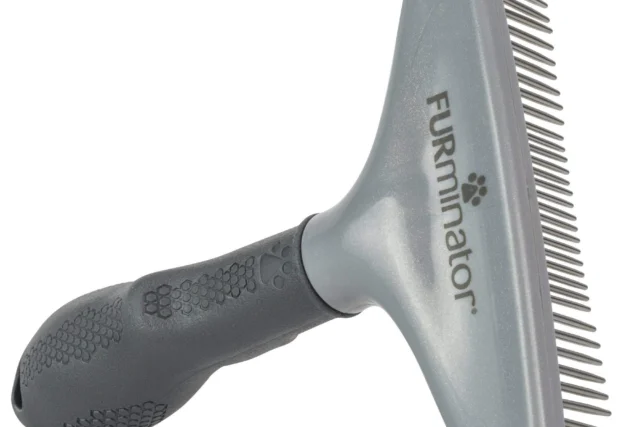
Undercoat rakes look like small combs with widely spaced metal teeth. The spacing is key—too close and they snag, too wide and they miss the undercoat.
For thick undercoats: Go with 1/4 to 1/2 inch between teeth. For lighter undercoats: Try 1/8 to 1/4 inch spacing. For sensitive pups: Use rakes with rounded tips.
Start at the back and work forward. Undercoat comes out in clumps—it looks scary, but it’s totally normal. Keep sessions to 10-15 minutes or you might irritate the skin.
Quality undercoat rakes cost $20-$40. They save you hundreds on pro grooming and can cut shedding by up to 80% if you use them weekly.
Detangling Sprays and When to Use Them
Picture this: your fluffy dog rolls in mud, then takes a nap. The result? Concrete-hard mats that feel impossible to remove.
Detangling spray works like conditioner for dog fur. It lubricates tangled hair so strands slide apart instead of breaking.
The spray also knocks down static electricity, which makes fluffy coats stick together.
When to use detangling spray:
- Before brushing dry, matted spots
- After baths, while the coat’s still damp
- Before using scissors on stubborn tangles
When to skip it:
- On oily or dirty coats (it just traps dirt)
- Right before clipping (can mess with the blades)
Look for sprays with coconut oil or aloe vera. Avoid anything with alcohol—it dries out the coat.
Brushing while the coat dries removes tangles and helps fluff the coat.
Spray the tangled area and give it 3-5 minutes before brushing. Always work from the bottom of the mat up—never yank or pull.
Safe Scissors and Trimmers
Nothing ruins a grooming session faster than nicking a wiggly dog with sharp scissors. It happens more than anyone wants to admit.
Grooming scissors come in different styles. Straight scissors are for basic trimming around paws and sanitary spots. Curved scissors follow the shape of legs and faces. Thinning shears take out bulk without leaving harsh lines.
Safety features to look for:
- Rounded tips to prevent pokes
- Finger guards to keep scissors steady
- Quality steel for longer-lasting sharpness
- Comfortable grips to save your hands
Electric trimmers work faster than scissors, but they take some practice. Start with a longer guard and work down slowly.
Never use human clippers—they overheat and can burn a dog’s skin.
Keep scissors sharp with regular professional sharpening. Dull blades crush hair and create split ends and fuzz.
For nervous dogs, battery-powered trimmers are usually quieter. Some dogs totally freak at the buzzing sound, so introduce clippers slowly with treats and praise.
Step-By-Step Fluffy Dog Grooming Routine
Getting a fluffy dog’s coat looking perfect takes the right brushing, smart bathing, and careful drying. It’s not as easy as it looks.
Brushing Techniques for Tangle-Free Coats
Ever tried brushing a fluffy dog and hit a wall of mats? Most people just brush the wrong way—it happens.
Start with the right tools. Slicker brushes work best for fluffy coats, but here’s the trick: brush in sections, not all at once.
Work from bottom to top in small sections. Start at the legs and belly where mats love to hide.
Brush against the hair growth first, then with it. It feels weird at first, but it works.
The two-brush method saves coats:
- Slicker brush for the undercoat
- Pin brush for the top layer
Professional groomers follow step-by-step grooming techniques that keep coats healthy. For thick undercoats like Goldens or Poms, try to brush daily.
Never brush wet fur. That just makes more tangles and can hurt your dog’s skin.
How to Master Bathing
Bathing a fluffy dog sounds easy, right? One wrong move and you’ll end up with a matted disaster.
Pre-bath prep is everything. Brush thoroughly before you get the dog wet—wet mats turn into cement and might need to be cut out.
Pick a moisture-rich dog shampoo for long coats. Human shampoo strips natural oils and leaves fluffy coats sad.
Water temperature matters. Use lukewarm water. Too hot flattens fluff, too cold stresses the dog.
The bathing process:
- Wet the coat from the neck down (skip the face for now)
- Work shampoo through in sections
- Rinse completely—leftover soap itches
- Shampoo again if the dog’s really dirty
Rinse twice as long as you think you need. Fluffy coats hold onto soap. Run your fingers through while rinsing to get it all out.
For the face, use a damp cloth, not a spray.
Drying Your Dog for Maximum Fluff
This step either nails the fluffy look or ruins it. Air drying just flattens fur and undoes all your work.
Never rub with towels. That creates mats and frizz. Instead, gently squeeze water out, section by section.
Blow drying is a must for true fluff. Use a pet-safe dryer on cool. Human dryers get too hot and can burn.
The drying technique:
- Start with the legs and go up
- Brush while blow drying for extra lift
- Blow air against hair growth for volume
- Finish by brushing hair back into place
Professional groomers use specific drying tricks to keep dogs extra cute and fluffy. Patience really is the secret here—rushing just makes things look uneven.
Check for damp spots. Armpits and behind the ears hold moisture. Trapped water can cause skin issues and smells.
For even more fluff, brush the coat upward while it’s still a bit damp, then finish drying in that position.
Battling Mats, Tangles, and Seasonal Shedding
Fluffy dogs face three main grooming challenges: stopping stubborn mats, handling the wild shedding seasons, and keeping sensitive areas from tangling up.
Mat Prevention and Removal
Let’s be real—mats show up fast on fluffy dogs. Miss one brushing and suddenly you’ve got a nightmare of tangles that hurt to remove.
Prevention is everything. Brush every other day, especially behind ears, under legs, and around collars. Use a slicker brush first, then a metal comb to catch what you missed.
Find a mat? Don’t freak out. Spray it with detangling spray and give it two minutes. Start working from the outside in with your fingers, then grab a dematting comb.
Never cut mats with scissors—it’s way too easy to nick your dog’s skin. If a mat’s too tight to fix, just clip it out with electric clippers.
Professional groomers recommend clipping really matted spots instead of painful brushing. Your dog will thank you.
Shedding Cycles and How to Survive Them
Seasonal shedding hits twice a year—spring and fall. Your fluffy buddy will blow their coat, and fur will be everywhere.
Normal shedding patterns occur in spring and fall as dogs prep for weather changes. During these 2-4 week stretches, daily brushing is a must.
Get an undercoat rake—it’s a lifesaver. This tool pulls out loose undercoat before it lands on your couch. Use it gently, in long strokes, section by section.
Start with 10-minute daily sessions during shedding season. Brush outside if you can—the amount of fur will surprise you.
Pro tip: A warm bath during peak shedding helps loosen dead fur. Gently brush the coat as it dries to remove tangles and add some fluff.
Tips for Sensitive Spots
Some spots on fluffy dogs seem to tangle up almost overnight. These areas need extra care—and a gentle hand.
High-tangle zones:
- Behind and inside ears
- Armpit area and chest
- Back legs and “pants”
- Tail and rear end
- Feet and between toes
Start with your fingers in these tricky spots. Take it slow, especially near the ears, where the skin feels delicate and thin.
For knots on the feet, hold the paw gently and begin brushing from the bottom up. Lots of dogs hate having their feet touched, so move slowly and toss in a treat or two.
The chest and armpit area mats up fast from all that leg movement. Check this spot every few days, even if the rest of the coat looks decent.
Never rush through sensitive areas. If your dog looks stressed, just take a break and try again later. Honestly, a calm dog makes grooming a whole lot easier.
Regular Routines and Long-Term Coat Health
Consistent grooming and good nutrition set the stage for a fluffy dog’s healthy coat. Professional grooming steps in when home care just can’t keep up with all that fur.
How Often Should You Groom?
Daily brushing isn’t really optional for fluffy breeds. Their double coats can mat in less than two days if you ignore them.
Most fluffy dogs need professional grooming every 6-8 weeks. If their coats grow fast, every 4-6 weeks might be better.
Weekly tasks help keep things under control:
- Brush thoroughly for 15-20 minutes
- Check for mats behind ears and under legs
- Trim lightly around paws and sanitary spots
Some owners skip regular grooming and end up regretting it later.
Monthly deep grooming means a full bath, nail trim, and ear cleaning. This routine helps prevent skin trouble under all that fur.
Seasonal adjustments matter, too. Spring shed season calls for daily brushing. In winter, you can brush less often but more thoroughly.
Nutrition and Coat Shine
What you put in the food bowl shows up in the coat in about two months.
Omega-3 fatty acids boost natural shine and help reduce shedding. Fish oil works, but honestly, whole fish like salmon is even better.
High-quality protein builds stronger hair. Look for food with 25-30% protein from real meat sources.
Biotin and zinc improve healthy coat growth:
- Eggs (cooked, of course)
- Sweet potatoes
- Spinach
Hydration changes coat texture more than most people think. Dogs need about 1 ounce of water per pound of body weight every day.
Poor diets usually show up as:
- Dull, brittle fur
- Way too much shedding
- Slow regrowth after a haircut
Supplements can help, but real food works best. A lot of pet health experts suggest adding healthy fats to daily meals.
When to Call in a Pro
Matting you can’t fix at home means it’s time for a pro. Cutting out tight mats at home often leads to accidental nicks or worse.
Professional groomers know how to handle thick coats safely. They’ve got the gear—high-velocity dryers, pro clippers, special dematting tools—that most owners just don’t have.
Here are some signs you need professional grooming services:
- Mats that won’t brush out
- Skin irritation or hot spots
- Bad smells even after a bath
- Coat feels greasy or sticky
Experienced groomers often spot health problems early. They’ll check for lumps, skin issues, and even parasites during each session.
Seasonal coat changes can call for pro help, too. Spring blowouts and winter undercoat growth need special treatment.
Some fluffy breeds need breed-specific cuts. Poms, Goldens, and Samoyeds all have their own coat quirks.
Cost matters—but so does your dog’s skin and coat health. Regular pro grooming usually beats paying for skin treatments down the road.
Frequently Asked Questions
Pet owners have a lot of questions about grooming tools and how often their fluffy dogs need a pro’s touch. Different breeds—Shih Tzus, Bichon Frises, Havanese—each need their own approach and style.
What’s the starter pack for grooming my beginner-level fluffy buddy at home?
Every fluffy dog owner needs the right tools before jumping into home grooming. I mean, you wouldn’t try a fancy recipe without decent kitchen gear, right?
Essential brushes are game-changers. A slicker brush handles surface tangles. A pin brush digs into thick fur. An undercoat rake gets that stubborn fuzz underneath.
Grooming shears come in a few types. Straight scissors trim basics. Thinning shears blend rough patches. Curved scissors shape up paws and round faces.
Don’t skip the comfort basics. A non-slip grooming table helps avoid accidents. Nail clippers sized for your dog’s breed prevent painful splits. Use dog shampoo to avoid skin drama.
Professional clippers save time on big jobs. Quiet motors help keep nervous pups calm. Multiple blade sizes let you tackle all sorts of fur zones.
Most dog grooming guides suggest starting with these basics. Expect to spend $150-300 for decent beginner tools.
Ever wonder about giving your Shih Tzu a teddy bear cut? Here’s how it’s done.
The teddy bear cut turns any Shih Tzu into a plush toy lookalike. It keeps fur manageable but still super fluffy.
Start with clean, dry fur that’s been brushed out. Cutting wet fur leads to weird, uneven results once it dries.
Set clippers to a #4 or #5 blade for the body. That leaves about half an inch of fur—fluffy, but not a nightmare to maintain.
Shape the head into a round dome. Trim around the ears and blend them into the head. You’re aiming for one big, soft circle from every angle.
Keep the legs fluffy but neat. Trim just enough to stop mats between the toes. Groomers call it “pillowing” since the legs look like little cushions.
Round out the tail to match the teddy bear vibe. Leave it full, but snip off any straggly ends.
The finished look should make people do a double-take. Is it a stuffed animal or a real dog? That’s when you know you nailed it.
Looking for ways to style your Bichon Frise? Get the know-how on different grooming styles here.
Bichon Frises are crazy versatile thanks to those dense, curly coats. Each cut brings out a totally different personality.
The powder puff cut goes for max fluff. Groomers trim just enough to keep the shape, but leave the coat as full as possible. It needs daily brushing but really turns heads.
Continental cuts add elegance with shaved patterns. The face stays full, body gets trimmed shorter. Lots of show dogs wear this style.
Puppy cuts are for busy families. The whole coat gets trimmed to a single length—usually 1-2 inches. It’s easy, but still keeps that Bichon charm.
Lamb cuts create a cute contrast. The body is short, but the head and tail stay round and fluffy. Many small dog grooming experts recommend this for active pups.
Modified teddy bear cuts round everything off for max cuteness. The whole dog turns into a fluffy sphere with legs. It’s social media gold, but you’ll need frequent touch-ups.
Each style fits different lifestyles. Active families pick shorter cuts. Show fans usually go for fuller styles.
Let’s talk frequency: Just how often should our fluffy friends get their spa day?
Timing grooming appointments right keeps fluffy dogs comfortable. It also helps dodge those pricey coat disasters.
Wait too long, and you’ll end up with mats that need shaving down to the skin. Nobody wants that, right?
Most fluffy breeds need professional grooming every 4-6 weeks. This schedule keeps mats from forming deep in the undercoat where home brushing can’t reach.
High-maintenance coats like Poodles and Bichons really need that 4-week mark. Their curls just seem to tangle if you so much as blink.
Moderate coats on Golden Retrievers and Collies can sometimes stretch to 6-8 weeks between full grooms. These dogs actually benefit more from regular brushing at home than constant trips to the groomer.
Seasonal factors can totally change things. Spring shedding? Yeah, you might need extra appointments.
Winter coats grow faster and thicker, so you might find yourself booking more often. It’s a bit of a moving target, honestly.
Lifestyle matters too. Dogs who swim a lot? More frequent attention is a must.
Outdoor adventurers pick up way more debris, which leads to tangles and headaches for everyone.
Some dog care resources suggest watching for specific signs. If daily brushing takes more than