As an Amazon Associate I earn from qualifying purchases.
Brushing is the best-known way to clean a dog’s teeth, and dog toothpaste is what makes it easier. The AKC says: “The most important thing to remember about brushing your dog’s teeth is never use human toothpaste on your dog.” This page covers why, what “enzymatic” means, and four dog toothpastes to consider.
We describe the products from their Amazon listings; we have not tested them on a dog. We earn a commission if you buy through our Amazon links, at no extra cost to you. For anything about your dog’s teeth or gums, ask your vet.
Check current listings before buying. The flavours and tube sizes change, so we do not quote prices.
Why Not Use Human Toothpaste?
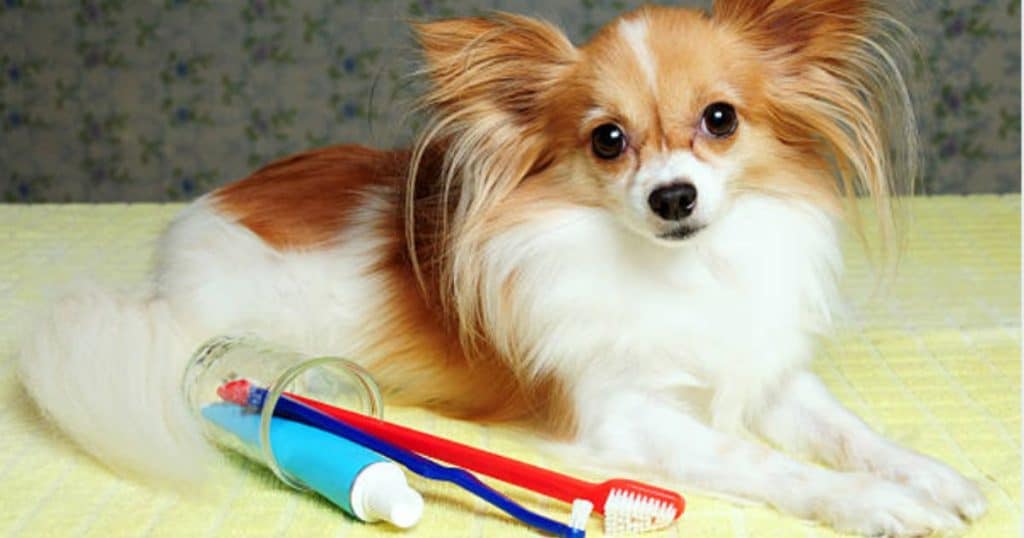
The AKC says “many human toothpastes contain xylitol, an artificial sweetener that can be fatal to dogs”, and that xylitol “can cause blood sugar drops in dogs, as well as potential liver damage”. Another AKC page adds that human toothpaste “contains toxic ingredients like xylitol and fluoride that could cause significant harm”. Always choose a toothpaste “specifically formulated for dogs”.
If your dog may have swallowed human toothpaste, call your vet straight away.
What “Enzymatic” Means
The AKC explains that enzymatic dog toothpaste “contains enzymes that help reduce bacteria, which can lessen tartar buildup and improve bad breath”. It is a help to brushing, not a substitute for a vet check.
Why Brush At All?
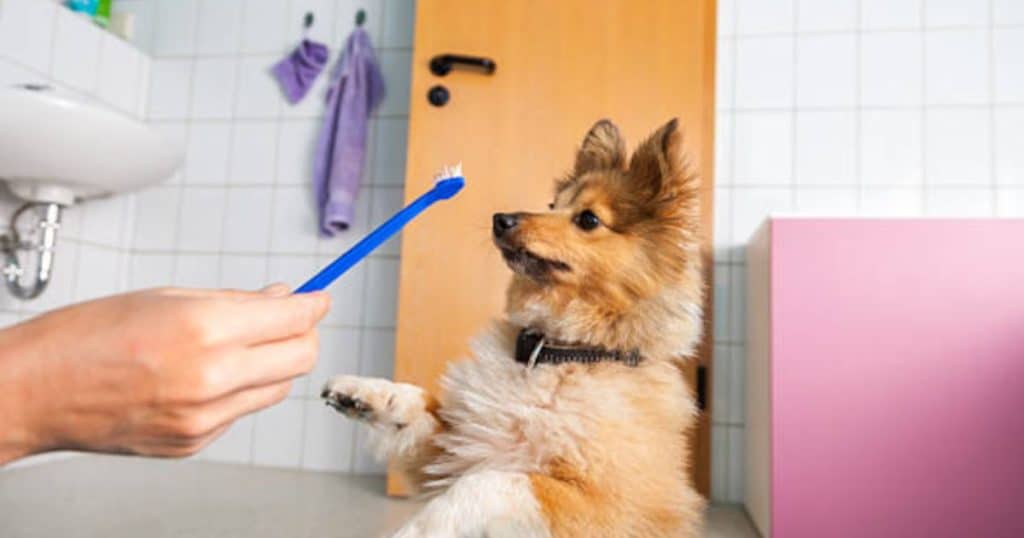
The AKC says brushing “cleans away the plaque that leads to bad breath or more serious problems such as decayed teeth or gum disease”, and that, according to the American Veterinary Medical Association, “80% of dogs show signs of canine periodontal disease”. It also says “most dogs need oral exams and cleanings at least once per year”. Ask your vet how often your dog needs a check. See our guide to dog toothbrushes, and what to do about bad breath.
What To Look For
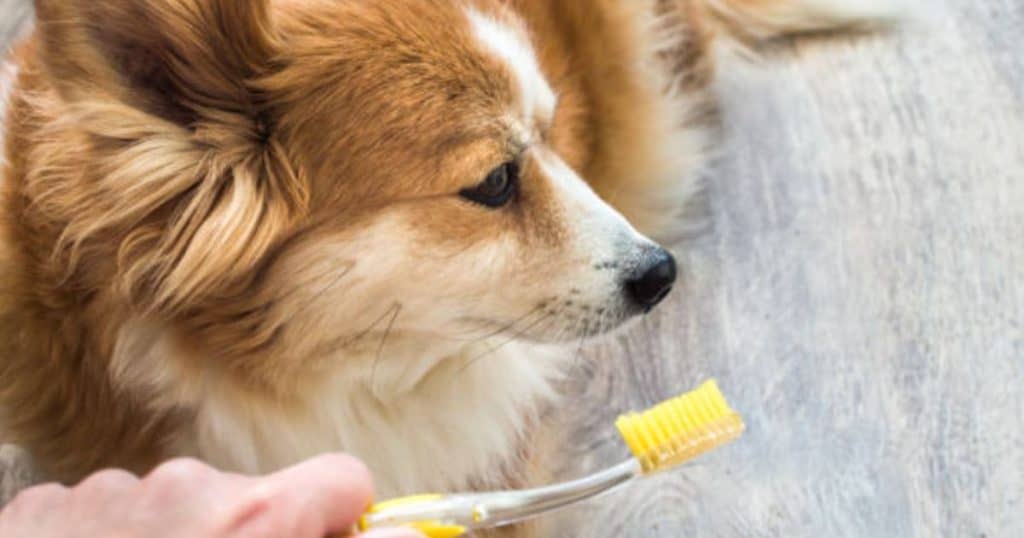
- Made for dogs, with no xylitol.
- A flavour your dog accepts. A dog that likes the taste is easier to brush.
- The VOHC seal. The Veterinary Oral Health Council (VOHC) says it “does not test products itself” but reviews submitted data and awards a seal for plaque or tartar control. Look for the seal on any dental product you buy.
- Tube size. Choose a size you will use up before it dries out.
Four Dog Toothpastes To Consider
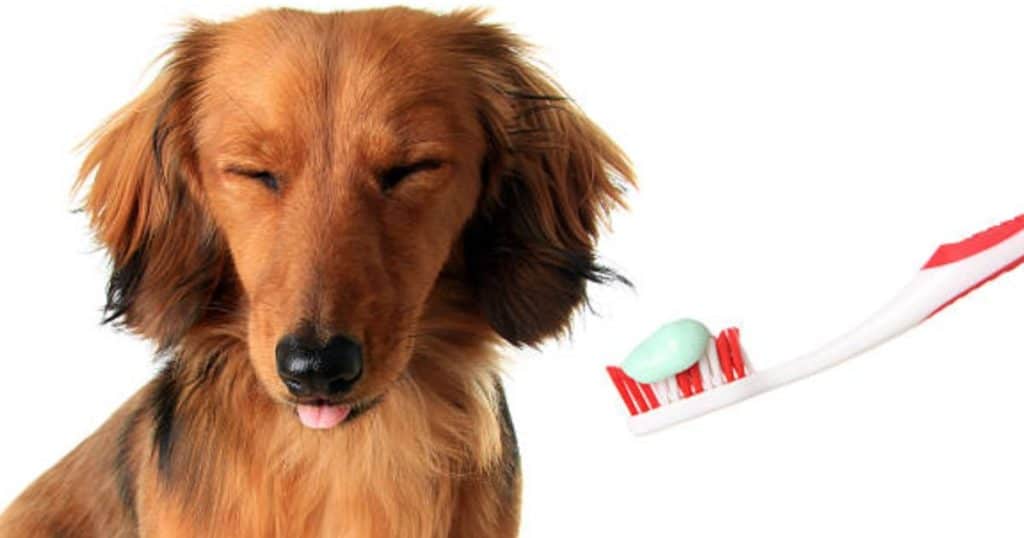
Vetoquinol Enzadent
The listing is for a 3.2 oz (about 90 g) poultry-flavour enzymatic toothpaste for dogs and cats.
Check price on AmazonAffiliate link — Dog Fluffy may earn a commission, at no extra cost to you.See Vetoquinol Enzadent on Amazon
Virbac C.E.T. Enzymatic Toothpaste
The listing is for a 2.5 oz (about 70 g) beef-flavour tube. The AKC’s toothpaste guide lists the Virbac C.E.T. as one of its top-rated picks.
Check price on AmazonAffiliate link — Dog Fluffy may earn a commission, at no extra cost to you.See Virbac C.E.T. toothpaste on Amazon
Petrodex Enzymatic Dog Toothpaste
The listing is for a 6.2 oz (about 175 g) poultry-flavour enzymatic toothpaste, the largest tube of the four.
Check price on AmazonAffiliate link — Dog Fluffy may earn a commission, at no extra cost to you.See Petrodex toothpaste on Amazon
Vet’s Best Enzymatic Dog Toothpaste
The listing is for a 3.5 oz (about 100 g) banana-flavour dental gel described as vet formulated.
Check price on AmazonAffiliate link — Dog Fluffy may earn a commission, at no extra cost to you.See Vet’s Best toothpaste on Amazon
Dental Chews Do Not Replace Brushing
The AKC says dental chews “are designed to minimize the build-up of plaque and tartar”, and the Veterinary Oral Health Council (VOHC) seal can help you pick one that has data behind it. Choose the size for your dog, count the calories, and take a chew away if your dog bites off pieces.
Common Questions
How often should I brush?
The AKC quotes a veterinary dentist who says tooth brushing “should be on every dog owner’s daily agenda”. Go as often as your dog allows, and start slowly.
Can I use my own toothpaste?
No. See “Why Not Use Human Toothpaste?” above.
When should I see a vet?
If your dog has bad breath that does not improve, red or bleeding gums, or seems to be in pain when eating, talk to your vet.
The Bottom Line
Use a toothpaste made for dogs, never human toothpaste, brush as often as your dog allows, and ask your vet for a dental check. Check the listing for size and flavour before you order.