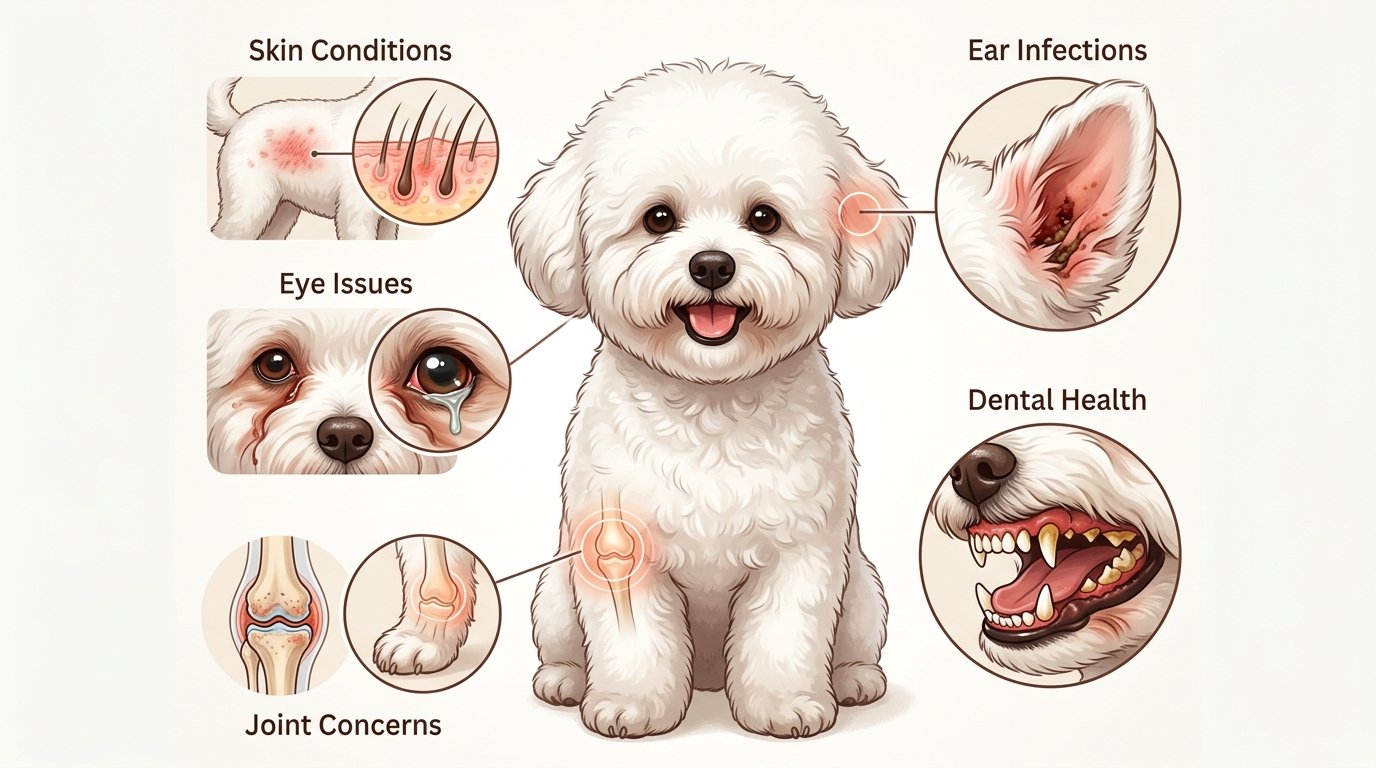
Understanding the primary health conditions that impact the Bichon Frise allows owners to take proactive preventive steps. While Bichons are among the longest-lived canine breeds, knowing what diseases commonly affect them in their senior years enables early intervention.
Quick Answer: The leading causes of mortality in senior Bichon Frises are cancer (specifically lymphoma and hemangiosarcoma), cardiovascular failure resulting from degenerative mitral valve disease, and chronic renal failure. Complications from endocrine disorders, such as diabetes mellitus and Cushing’s disease, also represent significant factors.
Epidemiological Mortality Data for the Bichon Frise
Comprehensive studies from the Kennel Club (UK) and veterinary university health registries show that the Bichon Frise enjoys a median lifespan of 13 to 15 years. Below are the primary causes of death documented in geriatric populations:
| Cause of Mortality | Estimated % of Senior Deaths | Typical Age of Onset | Key Clinical Signs |
|---|---|---|---|
| Cancer (Neoplasia) | 25% – 30% | 10 – 14 Years | Lethargy, unexplained weight loss, palpable lymph node swelling, poor appetite. |
| Degenerative Mitral Valve Disease (Heart Failure) | 18% – 22% | 11 – 15 Years | Heart murmur, persistent coughing (especially at night), exercise intolerance, fainting. |
| Chronic Renal Failure (Kidney Disease) | 12% – 16% | 12 – 16 Years | Excessive thirst, frequent urination, ammonia breath, vomiting, anorexia. |
| Endocrine Complications (Cushing’s / Diabetes) | 8% – 12% | 9 – 14 Years | Increased thirst and urination, pot-bellied abdomen, recurring infections. |
| Old Age / Natural Decline | 15% – 20% | 14 – 17+ Years | Gradual decline in sensory faculties, mobility, and organ resilience. |
Detailed Breakdown of Primary Conditions
1. Canine Cancer (Lymphoma and Hemangiosarcoma)
Like many domestic breeds, neoplastic diseases represent the single largest cause of mortality in senior Bichons. Lymphoma (cancer of the lymphocytes) frequently manifests as firm, painless swelling of the lymph nodes under the jaw, behind the knees, or in the armpits. Hemangiosarcoma (cancer of blood vessel linings) affects the spleen and liver. Early surgical removal and modern chemotherapy regimens can extend high-quality survival time significantly.
2. Mitral Valve Disease (MVD) and Congestive Heart Failure
Small breeds are prone to myxomatous degeneration of the mitral valve. As the valve leaflets thicken and fail to seal tightly, blood backflows into the left atrium, causing chamber enlargement and eventual fluid buildup in the lungs (pulmonary edema). Routine cardiac auscultation and early echocardiograms allow cardiologists to initiate pimobendan therapy, which dramatically delays heart failure.
3. Chronic Renal Disease
As kidneys age, functional nephrons are gradually lost. When more than 67% to 75% of renal capacity is compromised, toxins accumulate in the bloodstream (uremia). Managing chronic kidney disease with therapeutic renal diets, hydration therapy, and phosphorus binders helps preserve remaining kidney function.
4. Endocrine Disorders and Pancreatitis
Bichons have elevated rates of hyperadrenocorticism (Cushing’s disease) and diabetes mellitus. Unregulated diabetes or chronic bouts of pancreatitis can lead to diabetic ketoacidosis, severe electrolyte derangement, and systemic complications.
Proactive Screening by Life Stage
Early diagnosis changes outcomes dramatically. Use our Bichon Frise age in human years calculator to determine when your dog reaches senior milestones (typically at age 8), signaling the need for bi-annual veterinary wellness exams, blood chemistries, and chest radiographs.
Veterinary Disclaimer: This mortality analysis is based on veterinary health surveys and aligns with American Kennel Club (AKC) data. If your senior dog displays sudden breathing distress, persistent coughing, fainting, dramatic thirst changes, or rapid weight loss, consult a licensed veterinarian or an emergency specialist certified by the American College of Veterinary Internal Medicine (ACVIM) immediately.
Frequently Asked Questions
Are Bichon Frises prone to heart problems?
Yes. Degenerative mitral valve disease is common in older Bichons. Your veterinarian should listen carefully to your dog’s chest at every wellness exam to catch early murmurs before clinical symptoms like coughing or exercise fatigue develop.
How can I protect my Bichon’s kidneys as they age?
Ensure your dog has constant access to fresh, clean drinking water, feed a balanced diet with high-quality protein, schedule annual senior blood and urine screenings, and maintain good dental hygiene to prevent bacteria from entering the bloodstream.
What are the first warning signs of Cushing’s disease in Bichons?
The hallmark early signs of Cushing’s disease (hyperadrenocorticism) are excessive water consumption (polydipsia), frequent urination (polyuria), increased appetite, a saggy pot-bellied appearance, and symmetrical hair thinning along the torso.